How to Choose the Best Thermal Scope for Accurate Target Detection
The best thermal scope balances superior image clarity, long detection ranges, and reliable durability to help you identify targets in the dark or obscured conditions. Top models provide sharp thermal imaging, fast refresh rates, and customizable settings for efficient tracking.
Thermal scopes use infrared technology to detect heat signatures, making them invaluable for hunting, security, and tactical operations, especially at night or through smoke and fog. Choosing a quality thermal scope can dramatically change your success rate and safety in challenging environments.
This article will cover crucial factors like resolution, detection range, refresh rates, durability, and user-friendliness. It will also compare several categories of thermal scopes to help you decide which one suits your specific needs and budget.
Understanding Thermal Scope Technology
How Thermal Imaging Works
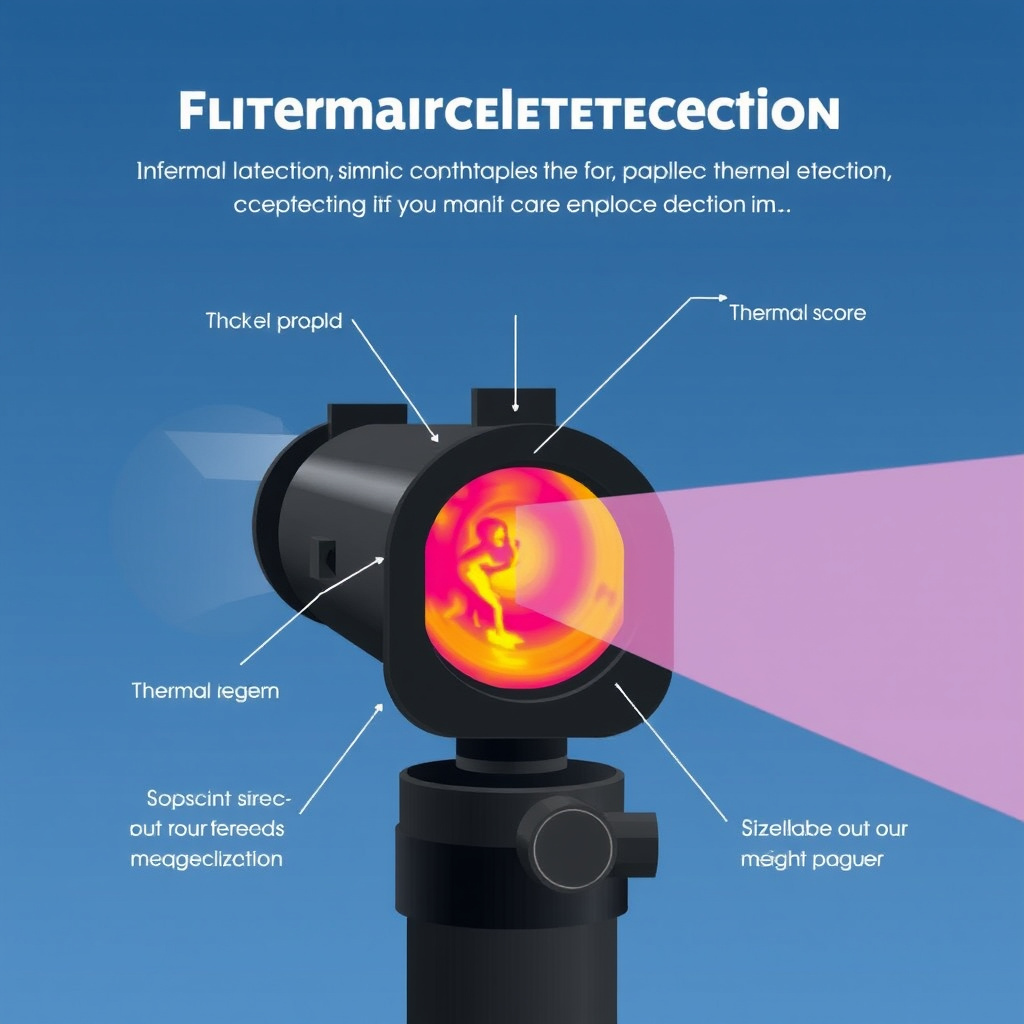
Thermal scopes detect the infrared radiation emitted by objects based on their temperature differences from the environment, converting the data into a visible image. This allows users to see heat signatures that are invisible to the naked eye, especially useful in complete darkness.
Unlike night vision, thermal imaging doesn't require ambient light, making it especially effective for spotting warm-blooded animals or people at varying distances regardless of lighting or weather conditions.
Key Components of a Thermal Scope
A thermal scope typically consists of a thermal sensor, image processor, display screen, and an optical lens. High-quality sensors offer better resolution and sensitivity, critical for detecting subtle temperature variations.
Additional components like rangefinders, reticles, and wireless connectivity enhance targeting precision and user convenience but may increase scope weight and cost.
Important Features in the Best Thermal Scope
Resolution and Sensor Quality
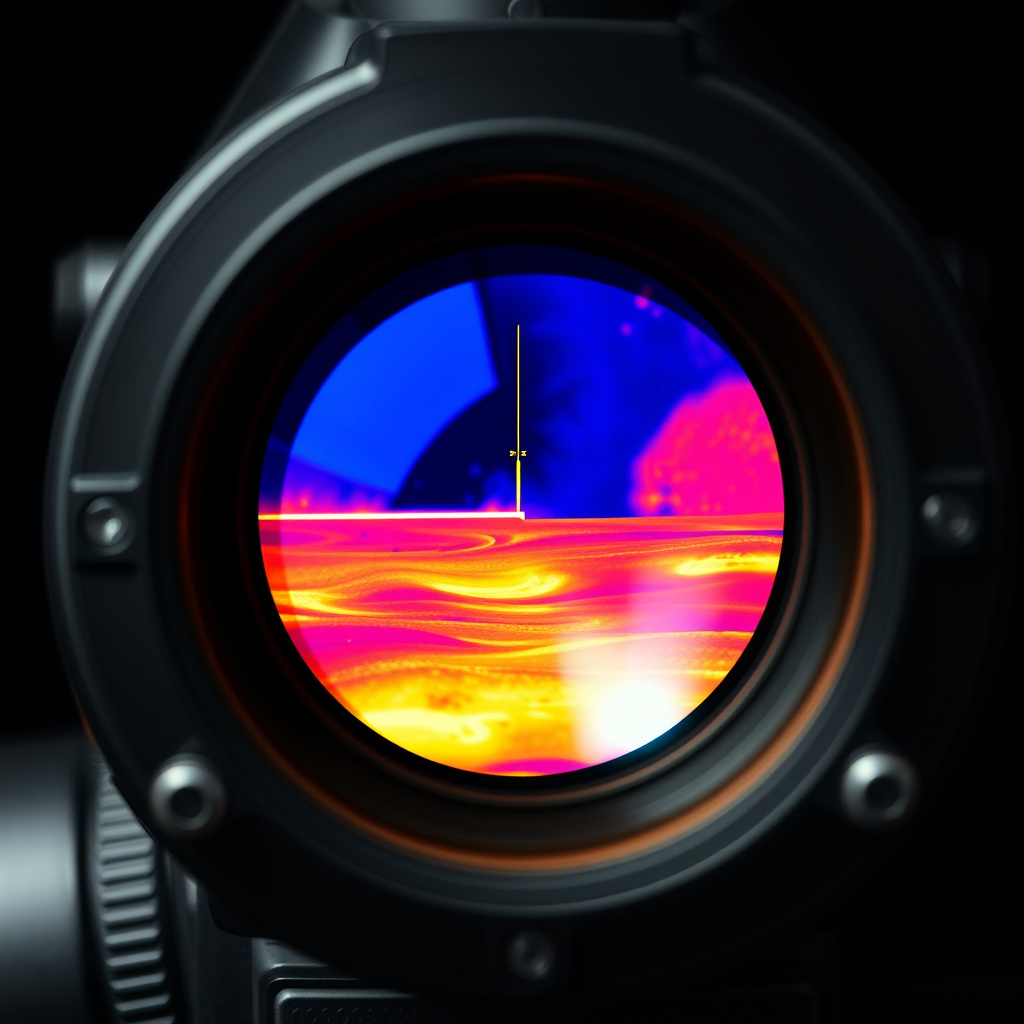
Resolution directly impacts image clarity. Popular thermal scopes feature resolutions ranging from 320×240 pixels to 640×480 pixels or higher. Higher resolution allows you to identify targets at greater distances with finer detail.
Thermal sensors made with materials like vanadium oxide or amorphous silicon often provide faster response times and better image quality, which is vital for tracking moving targets in challenging environments.
- 320×240 – entry-level clarity
- 640×480 – sharp imaging for professional use
- Sensor type affects sensitivity and refresh rates
Refresh Rate and Detection Range
The refresh rate dictates how smoothly images update on the display, with 30Hz considered a minimum for fluid tracking and 60Hz preferred for fast-moving subjects. Lower rates may cause lag, complicating quick target acquisition.
Detection range depends on scope optics, sensor power, and environmental conditions. Leading thermal scopes can detect human-sized targets beyond 1000 yards, though practical effective range differs based on terrain and weather.
- 30Hz – basic smoothness
- 60Hz – optimal for dynamic tracking
- Detection range varies from 500 to 1500+ yards
Durability and Usability Considerations
Build Quality and Weather Resistance
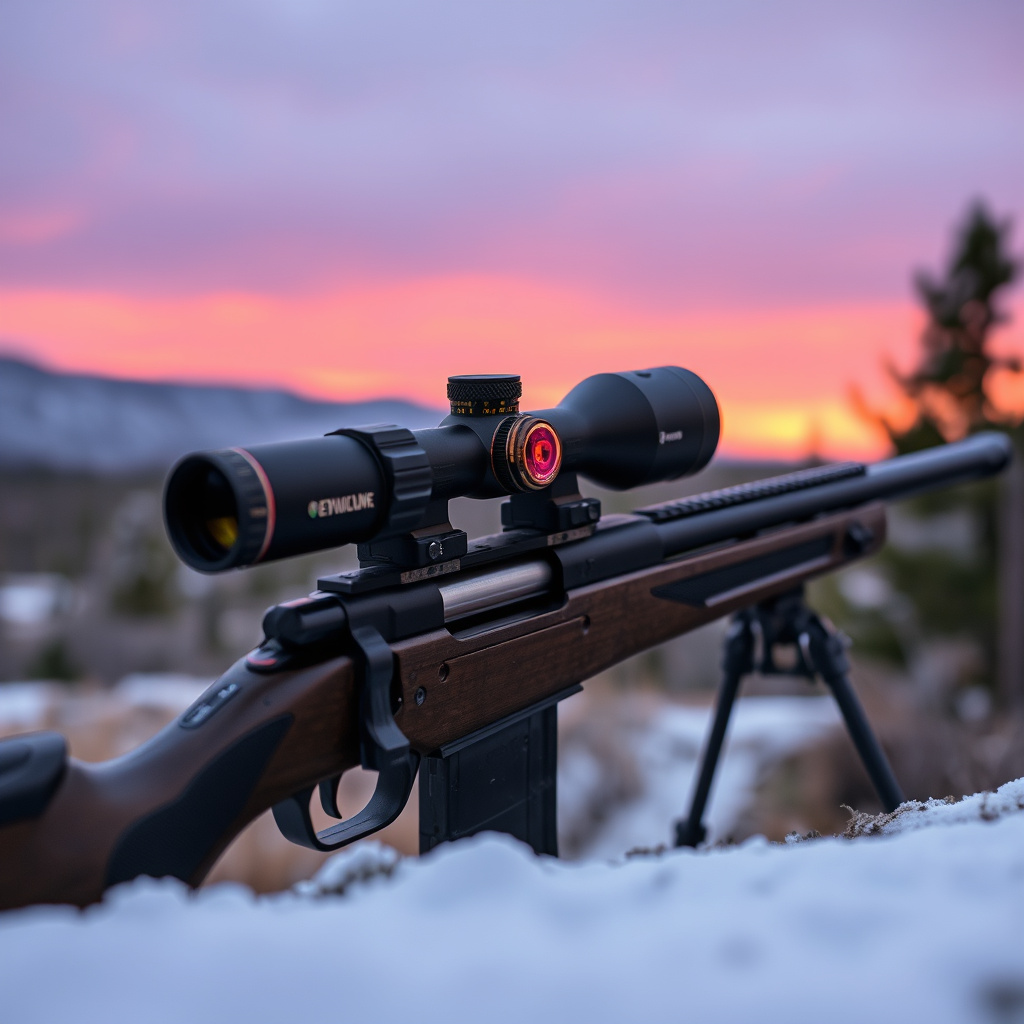
The best thermal scope should offer robust construction to withstand harsh field conditions. Many use aircraft-grade aluminum with waterproof and fog-proof sealing to ensure longevity during heavy rain or dust exposure.
Impact resistance is important for hunters and tactical users who need gear that can cope with recoil shocks or accidental drops without performance loss.
- Waterproof ratings like IP67 or higher
- Shock-resistant housing
- Temperature operating range from -20°C to +50°C
For more on this, see our related guide: Can You Use a Thermal Scope During the Day? A Practical Guide.
User Interface and Mounting Flexibility
Thermal scopes with intuitive button layouts and customizable reticles can improve performance in fast-paced situations. Features such as digital zoom, image polarity modes, and video recording increase tactical adaptability.
Mounting options including Picatinny rails or quick-detach systems offer flexibility across different rifles or weapon systems, enhancing workflow and comfort during extended use.
Thermal Scope Categories and Applications

Entry-Level vs Professional Scopes
Entry-level thermal scopes often balance affordability with essential features: moderate resolution, shorter detection ranges, and basic controls suitable for casual hunting or beginner users.
Professional-grade scopes offer advanced optics, ultra-high resolution sensors, greater refresh rates, and extensive customization, catering to tactical professionals or serious hunters requiring precision.
- Entry-level: 320×240 resolution, 30Hz refresh rate
- Professional: 640×480+ resolution, 60Hz refresh rate
Specialized Thermal Scopes for Hunting and Tactical Use
Hunting-focused thermal scopes prioritize compactness, battery life, and ease of use with features like color palettes optimized for nature detection. They may sacrifice some long-range capabilities to reduce weight.
Tactical thermal scopes emphasize durability, fast refresh rates, and enhanced user interfaces to support quick target acquisition under pressure, often including ballistic calculators and wireless integration.
Battery Life and Power Management
Battery Types and Runtime
Most thermal scopes use rechargeable lithium-ion batteries delivering between 4 to 8 hours of continuous operation, depending on usage and screen brightness. Some models support replaceable AA or CR123 batteries for field convenience.
Longer battery life is crucial for extended missions and hunting trips, reducing the need for frequent recharging or battery swaps that could interrupt usage.
- Rechargeable batteries: eco-friendly and cost-effective
- Disposable batteries: better for cold weather reliability
For more on this, see our related guide: Is Night Vision Infrared? Understanding Night Vision Technology.
Power-saving Features
Automatic shutoff, adjustable screen brightness, and standby modes significantly extend thermal scope battery life. Some scopes allow users to disconnect power without losing settings, enhancing quick deployment.
Efficient power management balances performance with conserving energy, important during long-duration use where power access is limited.
Price and Value Comparison
Budget Thermal Scopes
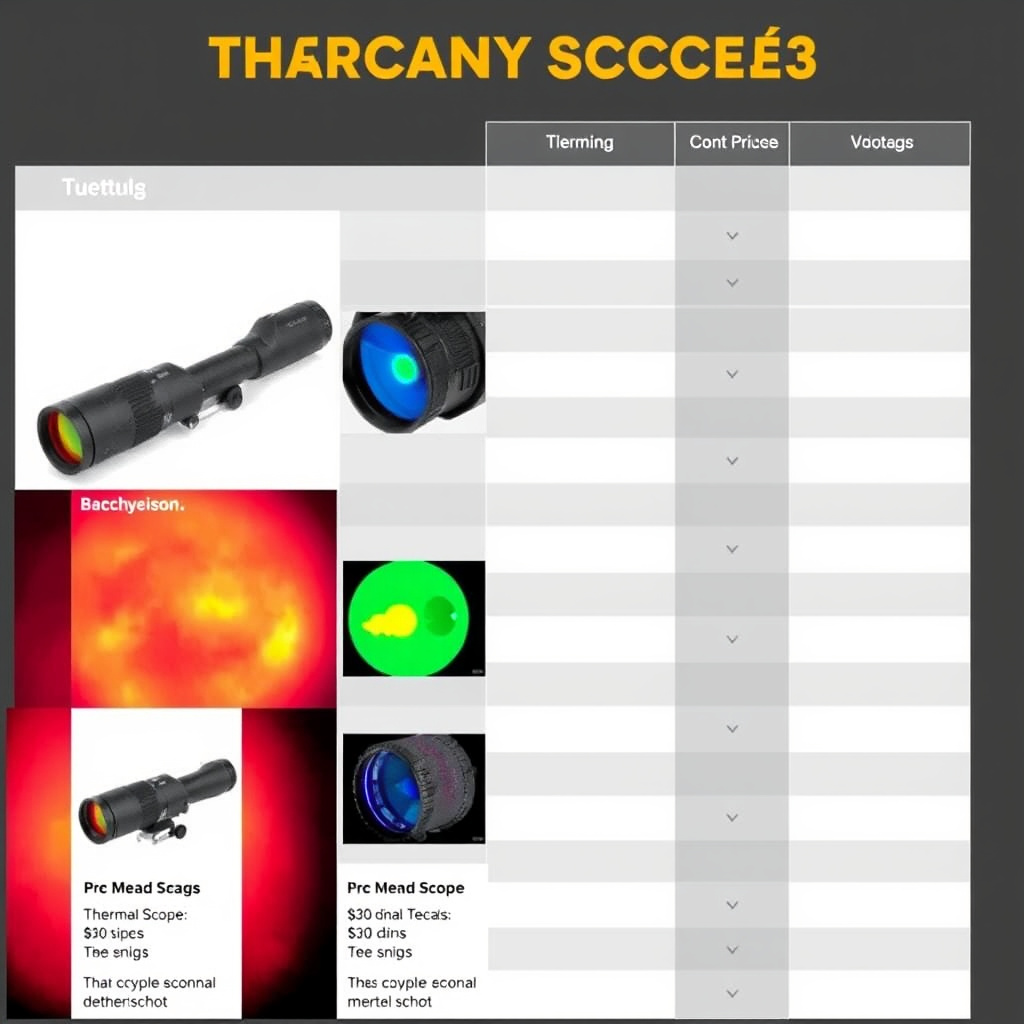
Budget scopes often offer a cost-effective entry into thermal imaging but may trade off features like sensor resolution or refresh rate. They are ideal for casual users prioritizing affordability over advanced technology.
These units typically provide essential functionality for short-range detection and basic hunting but may lack durability for intense tactical use.
- Priced under $1500
- Good for beginners and infrequent users
For more technical background on how thermal imaging technology works, see this detailed explanation. Thermal imaging technology.
Mid-Range and High-End Options
Mid-range scopes balance performance and price, with better sensors, longer detection ranges, and more features. High-end models excel with ultra-high resolution, advanced processing, and professional-grade durability.
Choosing between mid-range and premium options depends on frequency of use, specific demands, and budget constraints.
- Mid-range: $1500-$3500
- High-end: $3500 and above
Thermal Scope Category Comparison
This table compares major categories of thermal scopes based on key parameters like resolution, detection range, refresh rate, and price.
| Category | Resolution | Detection Range | Refresh Rate | Price Range |
|---|---|---|---|---|
| Entry-Level | 320×240 | 500 yards | 30Hz | Under $1500 |
| Mid-Range | 384×288 to 640×480 | 700-1000 yards | 30-60Hz | $1500-$3500 |
| Professional | 640×480+ | 1000+ yards | 60Hz | Above $3500 |
| Hunting Specialized | 384×288 | 600-900 yards | 30Hz | $1200-$3000 |
| Tactical Specialized | 640×480+ | 1000+ yards | 60Hz | $3000 and above |
Frequently Asked Questions
What is the difference between thermal scopes and night vision?
Thermal scopes detect heat signatures emitted by objects, allowing vision in total darkness and through obscurants. Night vision amplifies existing light and requires some ambient illumination, making thermal more versatile in a range of conditions.
Can thermal scopes be used during the day?
Yes, thermal scopes function effectively both day and night since they detect heat rather than relying on visible light, enabling target detection in bright or low-light environments.
How does resolution impact thermal scope performance?
Higher resolution provides clearer, more detailed images, helping distinguish targets at greater distances, while lower resolution scopes offer simpler images that may suffice for close-range detection.
Are thermal scopes weather resistant?
Most quality thermal scopes come with ratings like IP67, making them waterproof and dustproof to withstand rain, fog, and harsh outdoor conditions without damage.
What maintenance do thermal scopes require?
Regular cleaning of lenses, proper battery care, and storage in protective cases are needed to maintain performance; professional servicing may be required for sensor calibration or repairs.
Key Takeaways
- Thermal scopes reveal heat signatures for day and night use.
- Resolution, refresh rate, and detection range are critical performance metrics.
- Durability and power management affect field usability.
- Category choice depends on budget, use case, and feature needs.
Conclusion
Selecting the best thermal scope requires evaluating your primary needs, including detection range, image clarity, durability, and budget. Understanding critical specifications like sensor resolution and refresh rates aids in finding a device that matches your operational environment without overspending. Balancing technical features against practical usability will yield the most effective tool for your applications.
For beginners or occasional users, entry-level models with sufficient 320×240 resolution and basic refresh rates suffice for general hunting or casual security. Professionals or tactical operators should consider scopes with 640×480 resolution and 60Hz refresh rates to ensure sharp imagery and fluid target tracking. Specialized hunting scopes provide user-friendly interfaces and portability without sacrificing essential performance, while tactical scopes prioritize ruggedness and advanced functionality.
To choose the right thermal scope, start with assessing how, where, and how often you will use it. Comparing models across the entry, mid-range, and professional tiers helps narrow down based on feature sets and price. Once you identify key priorities, test scopes if possible or review in-depth thermal imaging scope reviews to validate your choice, ensuring it will enhance your target detection capabilities effectively.