Can You Use a Thermal Scope During the Day? A Practical Guide
Yes, you can use a thermal scope during the day. Thermal scopes detect heat signatures, not visible light, so they work regardless of lighting conditions. This means they can reveal heat-emitting objects like animals, people, or machinery even in bright daylight.
Using a thermal imaging scope for daytime can be useful in many scenarios, such as wildlife observation, search and rescue, or security, where heat signatures might stand out against a cooler background. However, their effectiveness can vary depending on environmental factors like temperature and direct sunlight.
This article explores how thermal scopes function during daylight, the advantages and limitations of using them in these conditions, and what features to look for if you plan to rely on a thermal scope for daytime activities.
How Thermal Scopes Work and Daylight Compatibility
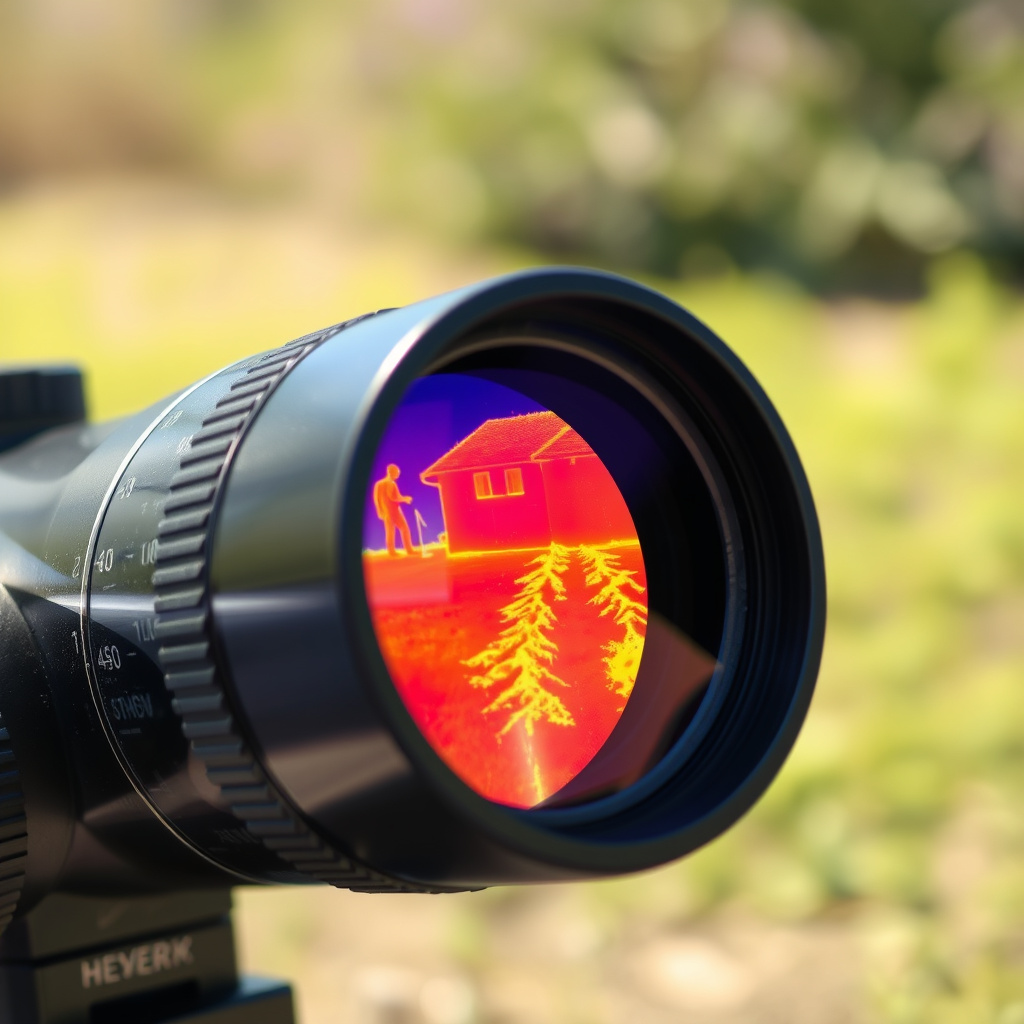
Basics of Thermal Imaging Technology
Thermal scopes detect infrared radiation emitted by all objects based on their temperature, converting it into a visual heat map. This makes them independent of visible light, allowing functionality whether it’s nighttime or sunny midday.
Unlike traditional night vision scopes that amplify ambient light, thermal devices pick up heat contrast, so daytime shadows and colors do not affect their ability to detect warm objects.
Daytime Performance Factors
Thermal scopes perform well during the day when there is sufficient temperature difference between the target and its background. Excessive heat from the sun can sometimes reduce contrast, making it harder to isolate objects.
Weather conditions such as heat waves or a very hot environment may also diminish image clarity. Nevertheless, thermal scopes are widely used for daytime tasks that involve heat detection.
- Temperature contrast impacts visibility
- Sunlight can create thermal noise
- Weather conditions affect image clarity
Advantages of Using a Thermal Scope During the Day
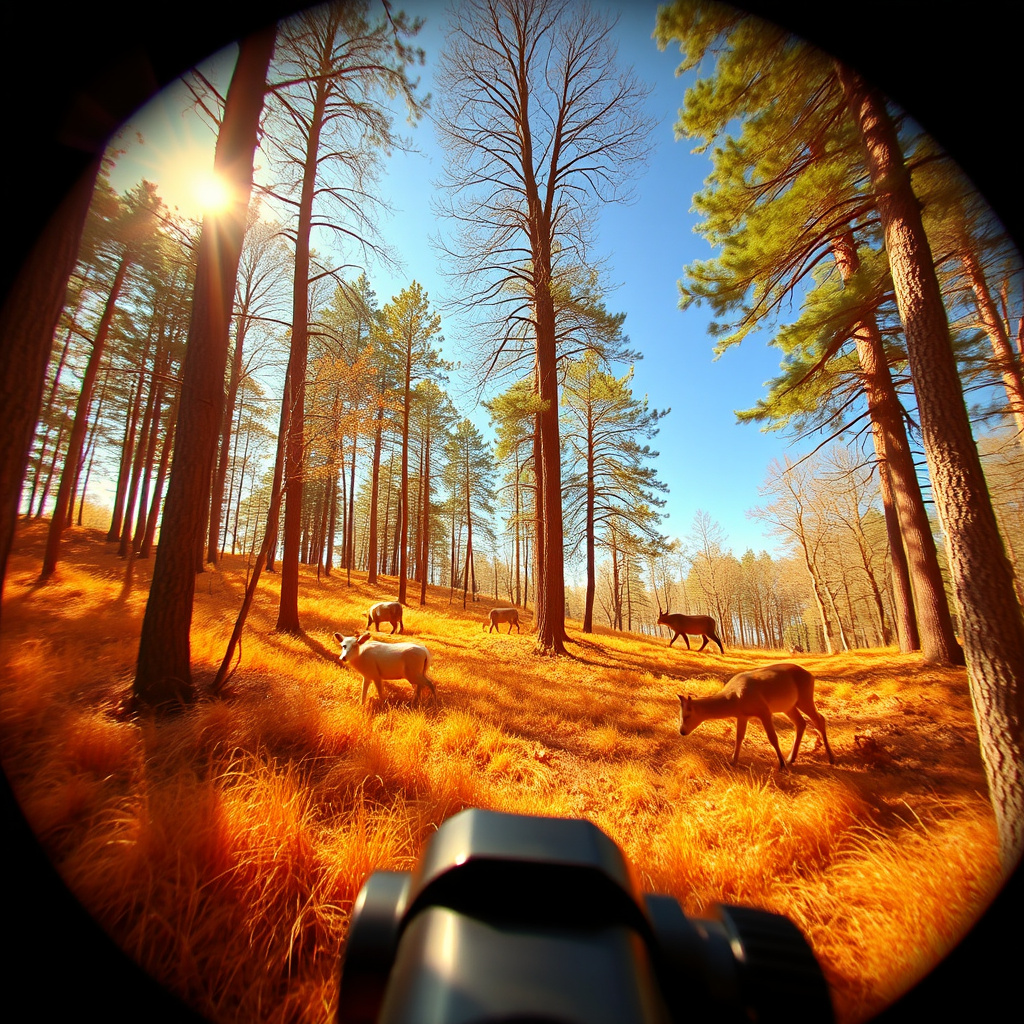
Enhanced Detection of Warm Objects
Thermal scopes can reveal animals hidden in dense foliage or camouflaged environments by detecting their body heat, which remains visible regardless of daylight.
This capability aids hunters, wildlife researchers, and security personnel in spotting heat-emitting subjects that would be invisible to naked eyes or standard optics.
Improved Search and Rescue Operations
During daylight rescue missions, thermal scopes help locate missing persons by highlighting their heat signature against natural surroundings.
This speeds up search efforts in challenging terrains or thick vegetation where conventional spotting methods are ineffective.
Limitations of Thermal Scopes in Daylight Conditions
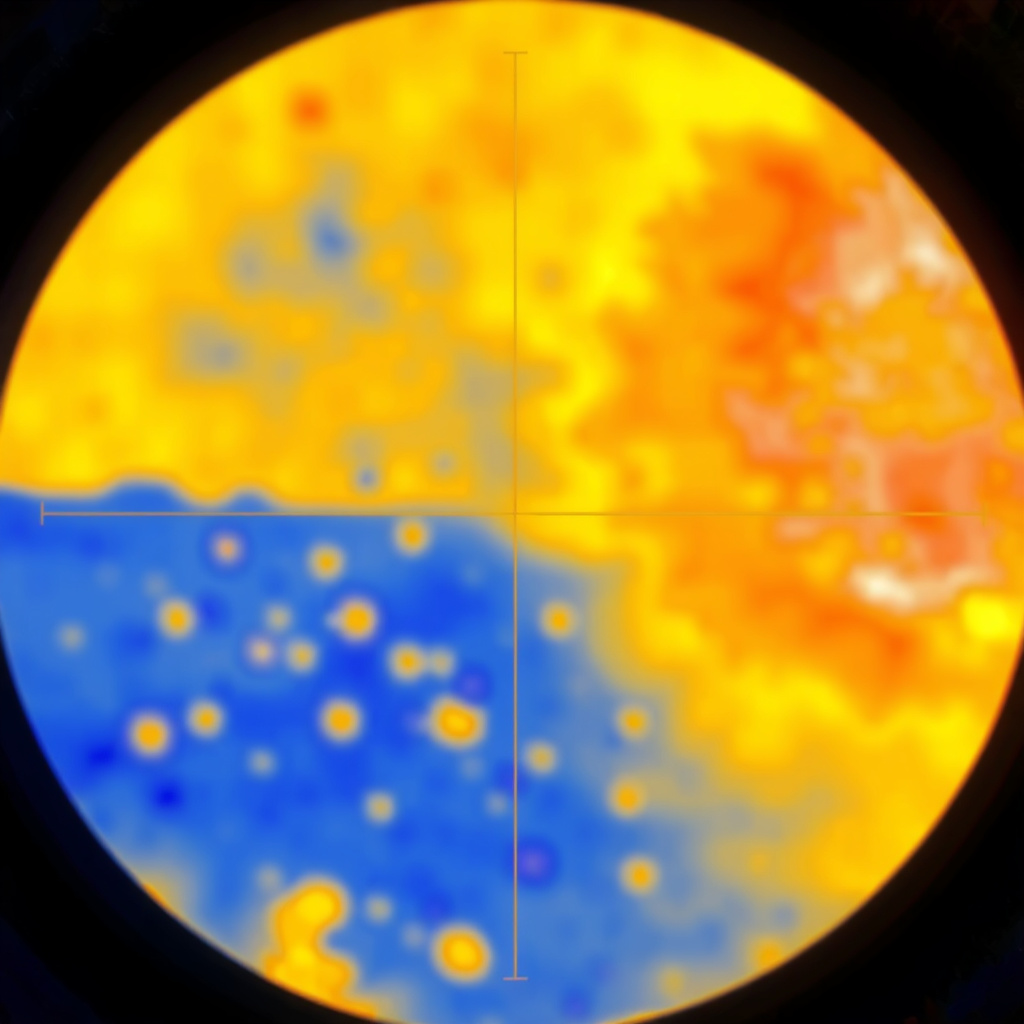
Reduced Contrast from Heat Saturation
Bright, hot conditions can saturate thermal images as sun-warmed objects and ground surfaces emit strong heat signatures, making it difficult to distinguish targets.
This reduces the scope’s effectiveness in scenarios like midday desert use or on sun-baked surfaces.
For more on this, see our related guide: When Was Night Vision Invented? A Complete Historical Overview.
Limited Detail Compared to Optical Scopes
While thermal scopes excel at detecting heat, they provide less detailed visual information than daytime optical scopes, making target identification more challenging without clear heat differentials.
Users may need additional optical aid for accurate recognition of distant or similarly heated objects.
Choosing the Right Thermal Scope for Daytime Use
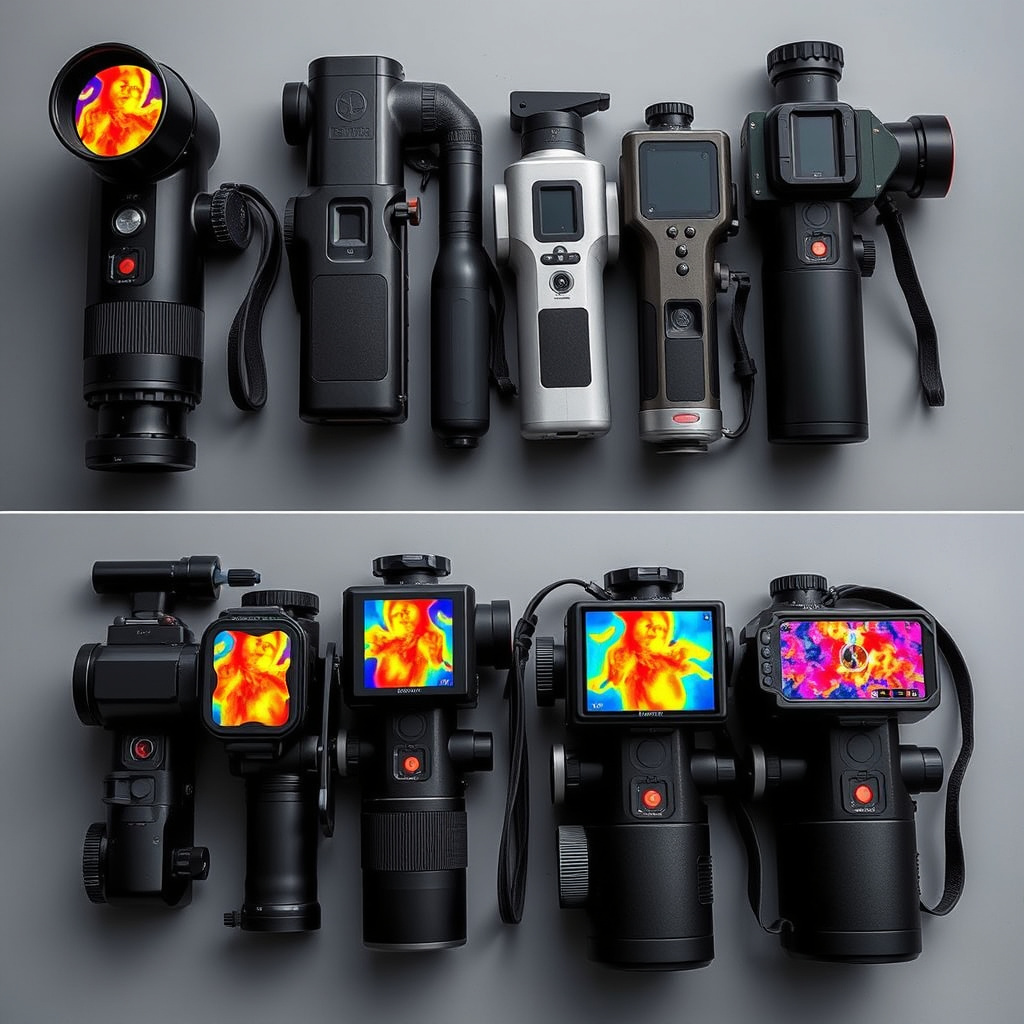
Key Specifications to Consider
Look for high resolution sensors and adjustable contrast settings to maximize target clarity in unpredictable daylight scenarios.
Long detection ranges and rapid refresh rates improve performance during daytime to quickly spot heat differences over various distances.
- High sensor resolution
- Contrast adjustment
- Wide detection range
- Fast image refresh rate
Additional Features Beneficial for Day Use
Durability, waterproof design, and user-friendly interfaces enhance practical daytime operation in diverse outdoor environments.
Integration with optical zoom and multi-color palettes can aid in better visual differentiation of heat signatures amidst complex daytime backgrounds.
- Waterproof and rugged design
- Optical zoom compatibility
- Multiple color palettes
Comparing Thermal Scopes and Night Vision for Daytime Applications
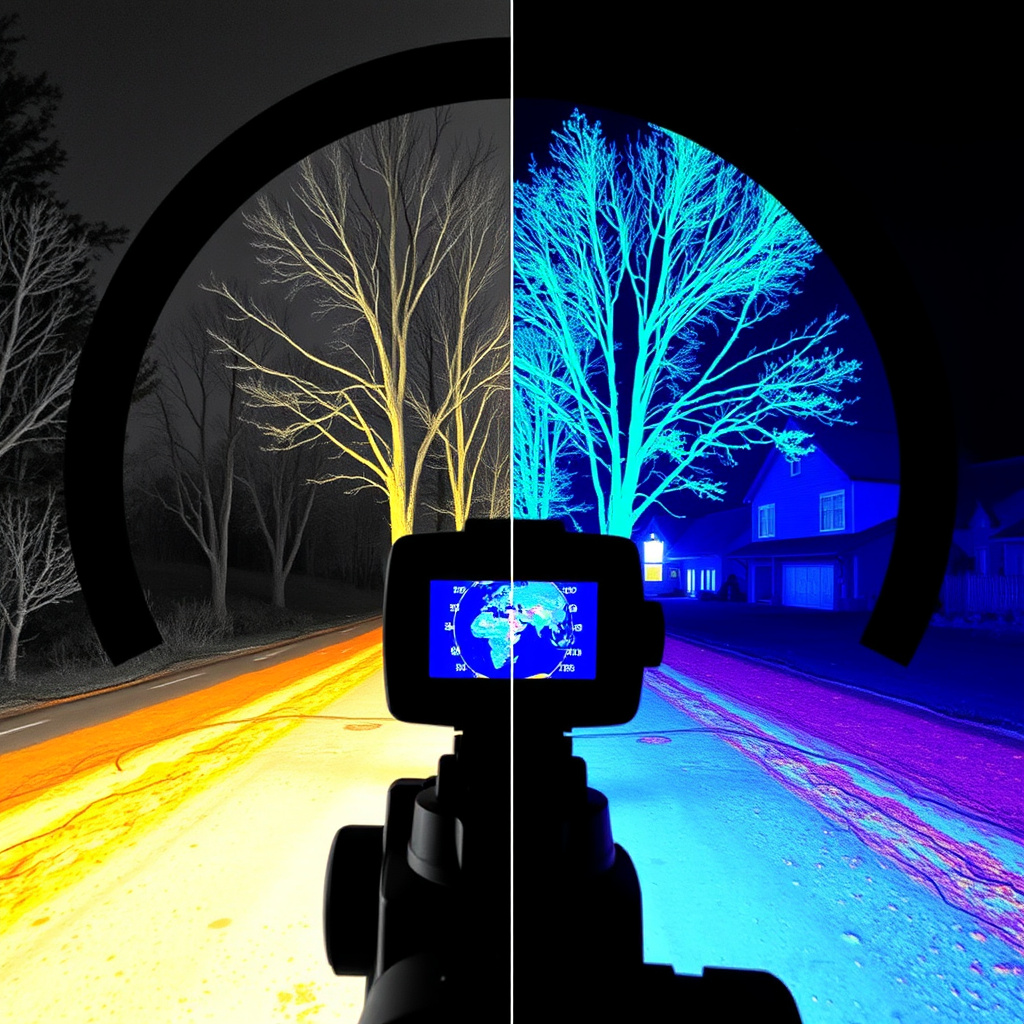
Thermal Scopes vs. Night Vision Devices
Thermal scopes detect heat and function equally well day and night, but lack visible detail. Night vision enhances low-light images but requires some ambient light and is less useful in bright daylight.
Daytime use clearly favors thermal scopes for heat tracking, while night vision devices are best for low-light scenarios.
For more on this, see our related guide: Why Is Night Vision Green? Understanding the Science Behind Night Vision Technology.
When to Choose Thermal Imaging Scope for Daytime
If your goals involve identifying warm-blooded animals, overheated machinery, or persons obscured by vegetation during daylight hours, thermal imaging scopes are preferable.
For general visual observation or identification in good light, optical or daylight-capable scopes might be more appropriate.
Maintaining and Optimizing Your Thermal Scope for Day Use
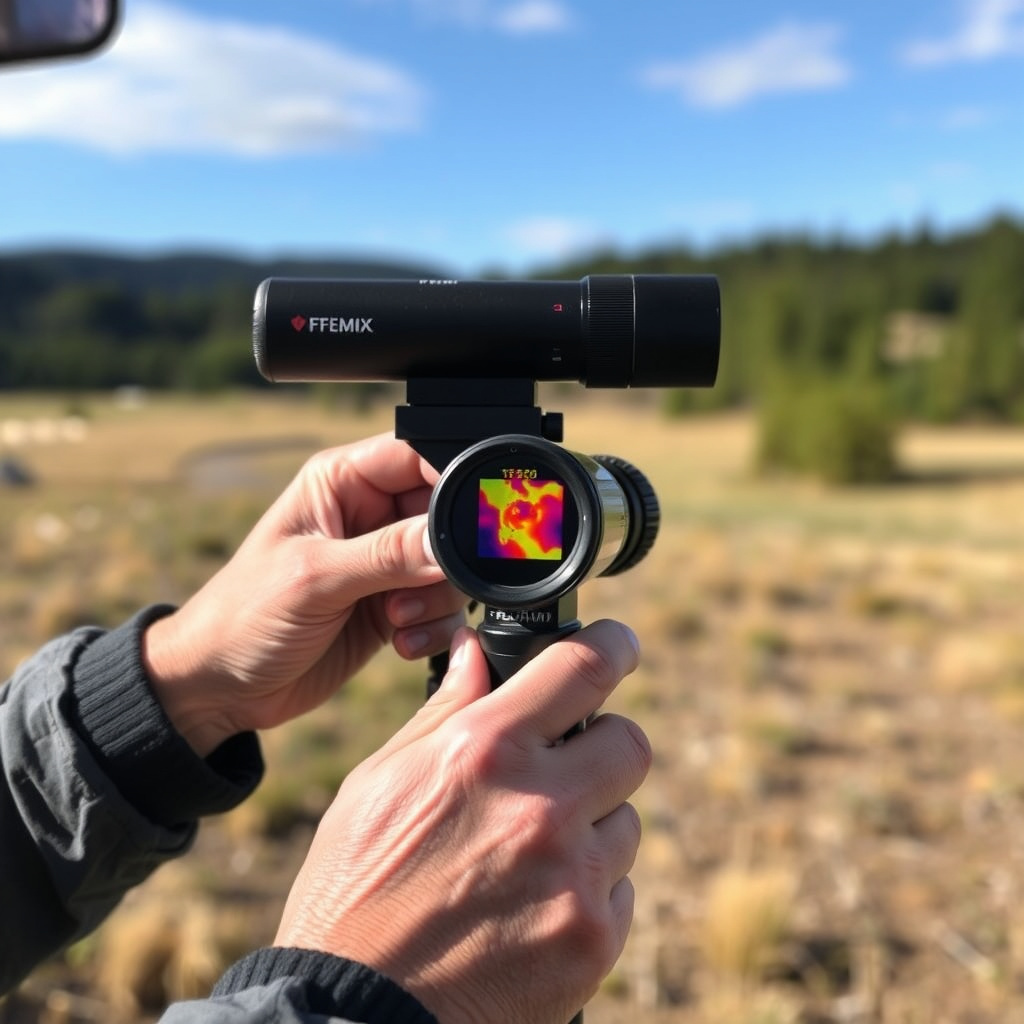
Regular Maintenance Tips
Clean lenses carefully with appropriate materials to keep thermal sensors functional and image sharp during daytime use.
Store the device in temperature-controlled environments to prevent damage and maintain calibration.
- Use lens cleaning cloths
- Avoid exposure to extreme temperatures
- Check calibration periodically
For a deeper understanding of the principles behind thermal scopes, you can explore more about thermal imaging technology. thermal imaging technology.
Optimizing Settings for Daylight Conditions
Experiment with contrast, brightness, and color palette settings to enhance heat signature visibility under different daytime scenarios.
Regularly update firmware if available to benefit from improvements aimed at daylight usage.
- Adjust contrast and brightness
- Try different color modes
- Keep firmware current
Thermal Scope Categories Comparison for Daylight Use
This table compares various thermal scope categories based on resolution, detection range, and suitability for daytime use.
| Category | Resolution (pixels) | Detection Range (yards) | Daylight Performance | Price Range |
|---|---|---|---|---|
| Entry-Level | 160×120 | 200-300 | Moderate | $500-$900 |
| Mid-Range | 320×240 | 400-800 | Good | $900-$2,000 |
| High-End | 640×480 | 800-1500+ | Excellent | $2,000-$5,000 |
| Handheld vs Rifle-Mounted | Varies | Varies | Handheld versatile, rifle-mounted more steady | Varies |
Frequently Asked Questions
Do thermal scopes work better at night than during the day?
Thermal scopes detect heat continuously and work well both day and night, but higher temperature differences at night can improve target contrast compared to some daytime environments.
Can thermal scopes see through glass during the day?
Thermal imaging generally cannot see through glass because glass blocks infrared radiation, making thermal scopes ineffective for viewing objects behind windows.
Is a thermal scope useful for hunting in daylight?
Yes, thermal scopes help hunters spot animals camouflaged in daylight by detecting their body heat, which contrasts with cooler surroundings better than visible light alone.
How does weather affect daytime thermal scope performance?
Weather conditions such as rain, fog, or extreme heat can reduce thermal image clarity by scattering infrared signals or raising background temperatures, affecting contrast.
Are thermal scopes legal for daytime hunting in most areas?
Laws vary by location, but generally, using thermal scopes for hunting during daylight is legal in many regions. Always check local regulations before use.
Key Takeaways
- Thermal scopes function effectively during the day by detecting heat, not light.
- Daytime heat and weather can affect image contrast and clarity.
- Choosing scopes with high resolution and adjustable settings improves daytime use.
- Thermal scopes are ideal for spotting heat-emitting targets hidden in daylight.
Conclusion
When deciding whether to use a thermal scope during the day, consider its fundamental strength: detecting heat signatures independent of visible light. Although daytime conditions like sunlight and ambient heat influence performance, thermal scopes still provide valuable detection capability where optical scopes may fail. Evaluating contrast levels and environmental factors helps anticipate effectiveness before use.
If your primary activities include wildlife observation, search and rescue, or security during daylight hours, mid-range to high-end thermal scopes with high resolution and flexible settings offer significant advantages. For casual users or limited budget, entry-level models still offer moderate capabilities but may face challenges in hot or complex thermal backgrounds.
For best results, pair the thermal scope with proper maintenance and adjustments tailored to daylight conditions. Practicing with your device during various daytimes will familiarize you with its performance. Ultimately, selecting the right thermal scope based on your specific daytime requirements ensures more confident detection and improved outcomes.





One Comment