How Long Does It Take to File a Police Report: Timeline, Process, and What to Expect
Filing a police report typically takes between 30 minutes to 2 hours, depending on the nature of the incident and the reporting method—whether in person, online, or by phone. Quick, straightforward cases like lost property often take under an hour, while more complex situations involving interviews and evidence collection may extend the process. Being prepared with relevant details can streamline your experience and minimize delays.
Understanding the standard duration for filing a police report is crucial, especially when emotions run high after an incident. Many people are surprised to learn that the process can be faster when done online, but factors such as workload at the police station, severity of the crime, and availability of officers can all impact how much time you’ll spend completing your report.
In this article, we’ll break down the key factors that influence how long it takes to file a police report, compare different methods (in person, online, phone), outline what you should prepare, and answer common questions so you can approach the process with confidence and efficiency.
Understanding the Police Report Filing Process
What Happens When You File a Police Report

The process starts with gathering your account of events, personal details, and any evidence you can provide. Officers will ask about the incident’s location, time, involved parties, and specifics of what happened. For criminal incidents, police may also conduct brief interviews and collect statements immediately.
The initial interview is often followed by documenting your answers and cross-checking facts. Officers enter information into their system, provide you with a case number, and may clarify any inconsistencies. This step is critical in ensuring the report is legally accurate.
- Provide identification and contact details
- Describe incident timeline
- Present supporting evidence (photos, documents, etc.)
Timeline Breakdown: In-Person, Online, and By Phone

In-person reports usually take 45-90 minutes, accounting for wait time and a thorough officer interview. Online filing is typically much quicker, often completed in 15-30 minutes, primarily for minor or non-emergency crimes. Filing by phone falls in between, depending on call volume and the complexity of your report.
Some departments offer online portals specifically for lost items, theft, property crimes, or vandalism—these are streamlined for efficiency. In contrast, more serious incidents like assaults or accidents still require in-person reporting for accuracy and evidence collection.
- In-person: 45-90 minutes
- Online: 15-30 minutes
- Phone: 20-60 minutes
Key Factors Affecting How Long It Takes to File a Police Report
Severity and Complexity of the Incident

Routine incidents like lost property or noise complaints are resolved swiftly, usually within 30-45 minutes. The process is drawn out when medical emergencies, injuries, or multiple witnesses are involved. Serious crimes often require longer interviews and evidence documentation, which can push the filing time above two hours.
When there are language barriers, conflicting accounts, or the need for forensic evidence, expect the process to take even longer. Officers must ensure all legal protocols are followed, and complex cases leave little room for shortcuts.
Police Department Resources and Workload
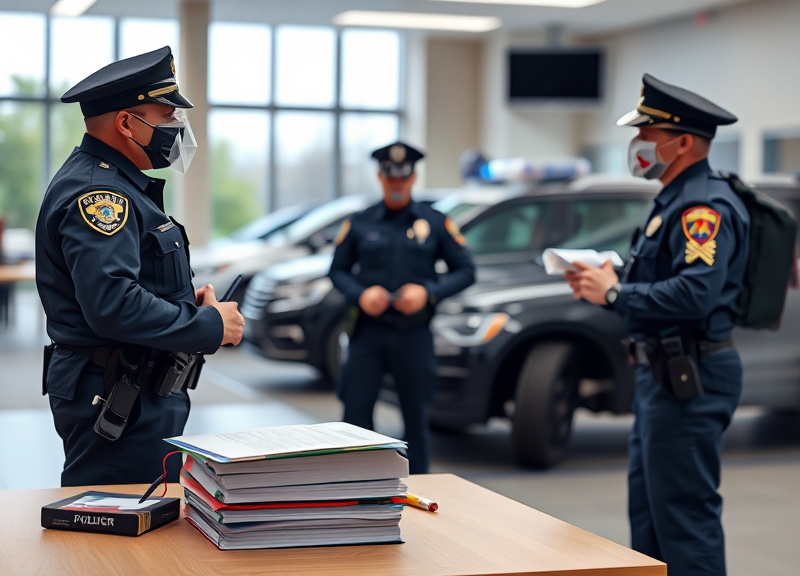
Response time is affected by how busy the station is, time of day, and how many officers are available for intake. During peak hours or after citywide emergencies, filing may take longer due to waitlists and higher demand.
Some departments assign additional staff to high-traffic periods, which helps minimize delays. Online reporting can help bypass these busy times—but not all incidents qualify for electronic submission.
- Peak hours (evenings/weekends) tend to be busiest
- Staffing shortages can increase wait times
- Some precincts are better equipped to handle walk-ins
Documentation and Preparation: Speeding Up the Process
Information You Need to File a Police Report
Bring identification, full contact details, and a concise written summary of the event. The more details you provide, the fewer clarifications officers will need to make. For property crimes, serial numbers, photographs, or receipts can substantiate your claim and speed up verification.
If there are witnesses, have their contact information ready. Being organized about key facts will significantly cut down on time and back-and-forth during the process.
- Government-issued photo ID
- Detailed incident account
- Supporting documents (photos, receipts)
- List of witnesses
For more on this, see our related guide: How Does Fraud Investigation Work: An Inside Look at Methods, Steps, and Best Practices.
How Preparation Reduces Filing Time
Preparedness becomes invaluable, especially for online and phone filing. Many digital forms can’t be saved partway, so gathering all necessary info ahead of time streamlines completion. In person, a pre-written incident timeline helps officers quickly grasp the events.
Incomplete or vague answers often lead to follow-up questions, slowing the process. Having documents and facts ready means you’ll spend less time at the station or on the phone.
Online Versus In-Person Reporting: Which Is Faster?
Online Police Reports: Speed and Limitations
Online police reports allow for rapid completion, rarely exceeding 30 minutes. They’re ideal for non-violent, non-emergency cases like lost property or minor theft. Restrictions apply, so crimes requiring immediate investigation or evidence collection aren’t eligible for online filing.
Most portals offer straightforward, step-by-step guidance and automatic case numbers once submission is complete. However, reviewing your application before submitting prevents errors or rejections.
- Rapid submission for simple incidents
- Not available for violent or ongoing crimes
- Case number provided instantly
In-Person Reports: Required for Complex Cases
In-person reports remain the best choice for crimes requiring immediate police response or evidence. The process takes longer, especially for assaults, major accidents, or when statements from multiple people are needed. Officers can clarify details, review documents, and answer questions face-to-face.
The main drawback is the potential for delays due to peak office hours and queuing, but the thoroughness ensures official protocols are met.
Common Delays in the Police Report Filing Process
Administrative and Technical Delays
Sometimes, technical glitches in reporting software, printer issues, or loss of paperwork slow down the process, particularly in understaffed departments. Delays also arise if certain documents are missing or identification cannot be verified instantly.
These administrative holdups can add 15-30 minutes to your wait time, especially at larger or high-traffic precincts. Checking station hours and peak times helps minimize such setbacks.
- Technical/software issues
- Lost or missing paperwork
- Waiting for management approvals
For more on this, see our related guide: How Long Does Criminal Background Check Take? A Practical Timeline Guide.
Complex Investigations and Follow-Up Questions
If your incident overlaps with ongoing investigations or demands specialist input, expect delays for detective availability. Officers may pause your intake to consult supervisors or verify facts, particularly for the average time to file a police report in major cities.
Sometimes, your case triggers follow-ups days later for missing statements or extra evidence, which can further extend timelines.
What Happens After You File a Police Report
Getting Your Case Number and Next Steps
Once the report is finalized, you’ll receive a case number—either in print, via email, or both. Officers explain follow-up procedures such as who to contact, timeframes for investigation, and how to retrieve your report later.
If required, investigators will reach out for additional information, especially if suspects or new evidence are identified after submission.
For more background on how police reports are handled and the types of incidents that qualify, learn more about general U.S. police report procedures. U.S. police report procedures.
How Long Until Action Is Taken on Your Report?
Action on your police report depends on department policies and crime severity. Urgent crimes get prioritized immediately, while routine reports (like lost property) may not be investigated unless further information arises.
You can often check the status online or by contacting your police station with your provided case number. Regular communication ensures you’re informed about developments.
- Immediate attention for urgent crimes
- Non-urgent cases may have longer response times
- Case tracking available via website or phone
Police Report Filing Methods Comparison
Here’s a comparison of the main police report filing methods so you can choose the most efficient option for your situation.
| Filing Method | Typical Duration | Ideal For | Drawbacks | Case Number Provided |
|---|---|---|---|---|
| In Person | 45-90 minutes | Complex or urgent crimes | Potential wait times, must visit station | Yes, on the spot |
| Online | 15-30 minutes | Non-urgent, minor property crimes | Not eligible for all incidents | Yes, instantly |
| Phone | 20-60 minutes | Moderate incidents, mobility issues | May need follow-up in person | Usually by email or mail |
| Third-Party App | 20-40 minutes | Neighborhood watch, minor complaints | Not official in all jurisdictions | Sometimes, through email |
| Mail-in Form | Several days | Historical or non-urgent reports | Much slower, not widely accepted | Upon processing |
Frequently Asked Questions
Is it possible to file a police report online for any type of crime?
No, online police reports are usually only available for non-emergency or minor property concerns. Crimes involving violence, injuries, or ongoing threats require in-person reporting for accurate investigation and immediate police response.
Does filing a police report cost any money?
Filing a police report is almost always free. However, if you need an official copy for legal purposes or insurance claims, departments often charge a small administrative fee for providing printed or certified copies.
How soon after an incident should I file a police report?
You should file a police report as soon as possible after the incident. Timely reporting helps with evidence collection, investigation accuracy, and increases the chance of recovering lost property or apprehending suspects.
Can someone else file a police report on my behalf?
In many cases, a third party can help you file a police report, especially if you are the victim but unable to visit the station in person. However, you’ll likely need to provide authorization and detailed information to substantiate your claim.
What should I do if I made a mistake while filing a police report?
Contact the police department promptly to correct any errors or omissions. Providing the case number and supporting documentation helps officers amend your report and ensures the incident is accurately recorded on file.
Key Takeaways
- Filing a police report usually takes 30 minutes to 2 hours, depending on method and complexity.
- Being prepared with details and documents speeds up the reporting process.
- Online options are fastest but not available for all situations.
- Always request your case number and understand the next investigative steps.
Conclusion
Determining how long it takes to file a police report often depends on a blend of the incident’s complexity, the police department’s resources, and your own preparation. While most reports can be filed in under two hours, choosing the right filing method and having all necessary documentation are the main ways to avoid unnecessary delays. Whether you are dealing with a theft, accident, or lost item, time is of the essence—not only for your peace of mind but also for the best chance at resolution.
For simple, non-emergency incidents, online police reporting offers the fastest and most convenient experience, with average time to file a police report often under 30 minutes. Those dealing with more serious or urgent cases should prioritize in-person filing, as officers can offer immediate assistance and address complex or pressing concerns. If you are uncertain which method suits your situation, reviewing official city police department resources or calling ahead can clarify your options.
Ultimately, knowing what to expect and preparing accordingly ensures a smoother experience. Regardless of your circumstances, taking prompt action is key. Collect your facts, identify the appropriate reporting method, and follow up using your case number. If you’re ever unsure about policies in your area, don’t hesitate to contact your local precinct for current information about how long the process may take.