How to Blind a Security Camera: Methods, Risks, and Legal Issues Explained
The fastest way to blind a security camera is by directly obstructing its lens with an object, such as tape, or by shining a powerful infrared light or laser into the lens. However, interfering with surveillance devices carries significant legal risks and can result in criminal charges. Before attempting any method, it's crucial to consider why you need to blind a camera and whether there are more responsible solutions.
Security cameras are common in both public and private spaces, often used to deter crime or monitor environments. People sometimes seek ways to block or disrupt camera footage for privacy, to avoid being recorded, or even for malicious intent. Understanding the technical and legal aspects is essential before taking any action against surveillance hardware.
In this article, you'll learn the most common methods used to blind security cameras, the risks associated with each, and the wide-ranging consequences. We'll also discuss safer privacy alternatives and how to disable surveillance footage legally. Whether you're facing privacy concerns at work or home, this guide covers everything you need to know before making a decision.
Understanding Security Camera Technology
Types of Security Cameras and Their Vulnerabilities
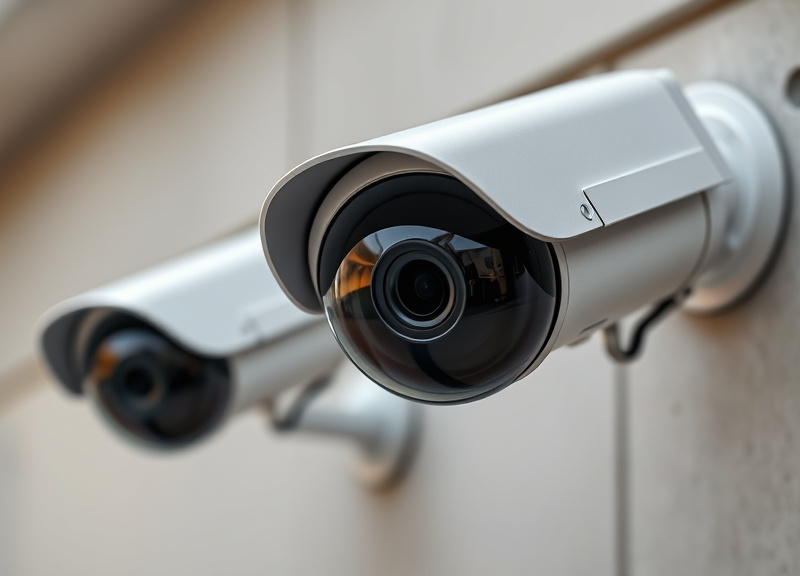
Security cameras come in various forms, including dome, bullet, PTZ (pan-tilt-zoom), and hidden cameras. Each type has unique features and weaknesses—for instance, dome cameras have tough, tinted covers, making lens access difficult. In contrast, bullet cameras have more exposed lenses, making them susceptible to physical obstruction techniques.
Most cameras use CMOS or CCD sensors and may include infrared LEDs for night vision. Understanding the sensor and lens type is key to selecting an effective blinding method and recognizing built-in countermeasures, like anti-glare or protective housings.
- Dome cameras: harder to access lens
- Bullet cameras: exposed, easier to block
- Hidden (pinhole) cameras: difficult to locate
How Cameras Capture and Transmit Footage
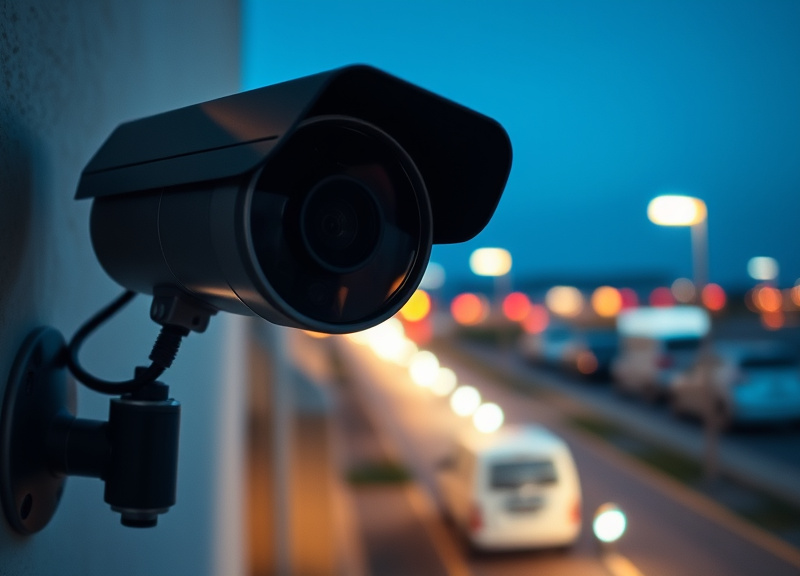
Security cameras record by focusing light onto a digital sensor, which converts visual information into electronic data. Wired cameras usually transmit this data through coaxial or Ethernet cables, while wireless models use Wi-Fi or proprietary radio frequencies.
Footage may be stored onboard in SD cards or sent to network video recorders (NVRs) and cloud servers. Disruptions at the lens, cable, or wireless frequency can interfere with this process, impacting footage quality or cutting it off entirely.
Direct Physical Obstruction Methods
Covering the Camera Lens
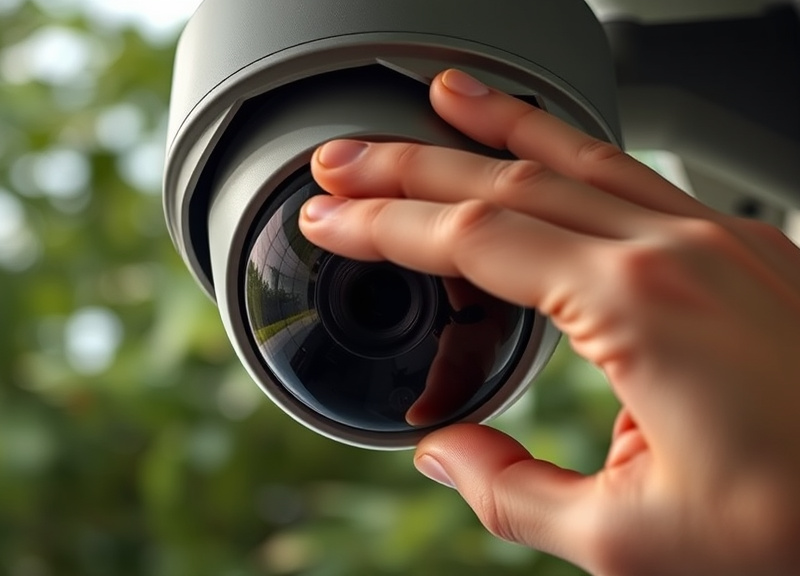
The simplest way to blind a security camera is to place a physical barrier, like duct tape, a sticker, or a cloth, directly over the lens. This blocks incoming light and effectively prevents image capture.
However, as most surveillance cameras are positioned high or protected by covers, reaching the lens often requires ladders or special tools, and tampering may activate motion alarms or attract attention.
- Tape or sticker application
- Spraying opaque paint (not recommended — permanent damage)
Disrupting Infrared Night Vision
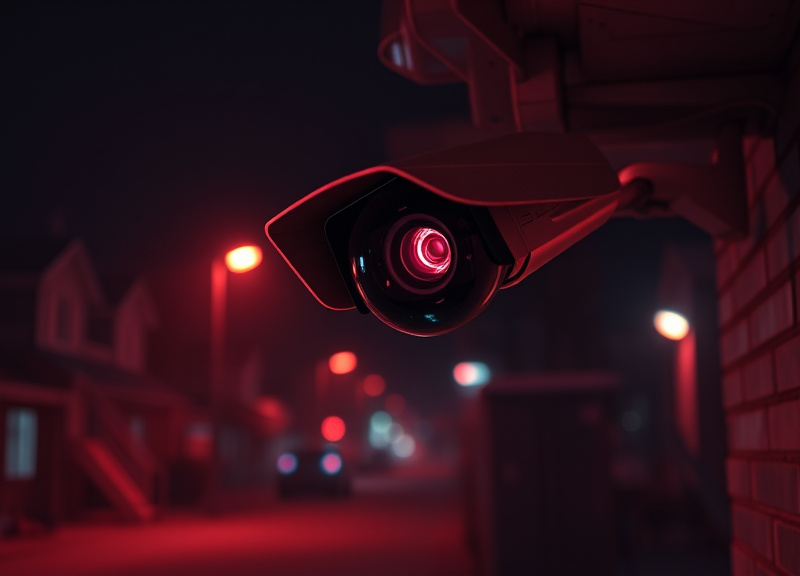
Many modern cameras rely on infrared LEDs to capture images in the dark. Shining a strong IR LED flashlight or a cluster of IR diodes directly at the camera can overwhelm its sensor at night, flooding the image and rendering footage unusable.
This method is relatively covert during nighttime but is much less effective in daylight and may cause the camera's alarms or alerts to trigger, notifying security personnel.
- Use a high-powered IR LED array
- Aim the IR source precisely at the lens
Blinding with Light: Lasers and Flashlights
Laser Pointers and Their Effects
A powerful laser pointer can temporarily or permanently blind a camera by saturating its sensor with intense, focused light. Green lasers are especially effective at shorter distances, while IR lasers can go unnoticed by human observers.
Excessive laser use risks damaging the sensor, leading to expensive repairs. Using lasers against cameras is detectable through sudden footage loss and may cause criminal liability due to property damage.
- Green or IR laser pointers
- Risk of permanent damage
For more on this, see our related guide: How to Hide a Security Camera in a Window Without Obstructing the View.
Flashlights and Reflective Surfaces
A bright handheld flashlight aimed directly at a security camera can cause temporary overexposure, making the image nearly white. However, this technique usually works only while the flashlight is in use and can easily be noticed.
An alternative is to use a mirror or other reflective surface to redirect sunlight or artificial light at the camera, creating unpredictable glare. This approach is inconsistent, as lighting conditions constantly change.
- Handheld flashlight for quick blinding
- Mirror tricks for unpredictable glare
Legal and Ethical Considerations
Understanding the Laws Around Tampering
Tampering with security cameras is often illegal, especially when cameras are property of businesses, government agencies, or others. Penalties can include fines, criminal charges, or even jail time, depending on local laws and the extent of interference.
Before any action, always check your jurisdiction's regulations. In most cases, disabling surveillance footage legally requires owner consent or proof of significant privacy violation.
- Criminal mischief charges
- Civil liability for property damage
Alternatives to Blinding and Reporting Privacy Concerns
Instead of attempting to blind a security camera, consider reporting objectionable surveillance to building management or legal authorities. Advocating for clearer privacy policies may lead to cameras being repositioned or disabled.
Installing privacy screens, using legal signage, or requesting footage access rights are safer, lawful methods to address privacy worries, especially in shared environments.
How to Blind a Security Camera Safely and Responsibly
Communicating With Property Owners or Management
Open communication is the safest and most reliable path to resolve concerns about unwanted surveillance. Many landlords, employers, or neighbors are willing to reposition or adjust camera angles if privacy is compromised.
Document your request and follow up in writing. This paper trail provides evidence of responsible action and may expedite a fair resolution without the need for direct interference.
- Request adjustments to camera angle
- Propose alternative privacy measures
For more on this, see our related guide: What Is the Best Security Camera System for Home and Business Use?.
Using Legal Devices and Tools for Privacy
Several consumer devices, like privacy visors, screen shields, or Wi-Fi jammers (where permitted), can help disable surveillance footage legally or limit your exposure. Privacy visors are specially designed to block facial recognition using IR-reflective materials.
Always verify device legality for your area, and opt for non-destructive options. This approach helps maintain ethical standards while still safeguarding personal privacy.
- IR-reflective visors
- Wi-Fi signal blockers (rarely legal)
- Camera lens privacy covers
Counter-Surveillance Technology Trends
Innovations in Privacy Wearables
Modern privacy wear often integrates materials that reflect or absorb IR and visible light, making faces appear as white blobs to most CCTV sensors. These include sunglasses, hoods, scarves, and hats designed for anti-surveillance.
Technology is evolving, with new fabrics and miniature electronics that disrupt automated surveillance without obstructing vision or drawing attention. These products offer a passive, legal method to remain anonymous.
- IR-reflective sunglasses
- Patterned face masks
- Signal-interfering fabrics
For more information on legal frameworks and ethics around surveillance devices, consult this guide on video surveillance laws and privacy. video surveillance laws and privacy.
Disabling Surveillance Footage Legally in the Future
Some governments and organizations increasingly recognize privacy rights, pushing for laws requiring signage, opt-out choices, or technical safeguards for camera use. Devices that automatically blur individuals or notify people when they’re being filmed are becoming more common.
The secondary keyword 'disable surveillance footage legally' is gaining relevance as consumers advocate for privacy. Expect to see more products and policies focused on transparency and user consent.
- Cameras with opt-out zones
- Automatic face-blurring algorithms
Security Camera Blinding Methods Comparison
This table compares popular methods used to blind or disrupt security cameras, highlighting their effectiveness, risk level, and legal implications for each approach.
| Method | Effectiveness | Risk of Detection | Legal Risk | Permanent or Temporary |
|---|---|---|---|---|
| Tape or Physical Cover | High | High | Severe | Temporary |
| IR LED Flooding | Medium-High (at night) | Medium | Moderate | Temporary |
| Laser Pointer | High (risk of permanent damage) | Medium-High | Severe | Permanent |
| Flashlight/Glare | Low-Medium | High | Mild | Temporary |
| Communication with Owners | Varies | None | None | Permanent if successful |
| Privacy Visors/Masks | Medium | Low | None | Temporary |
Frequently Asked Questions
Is it illegal to blind a security camera in public spaces?
Yes, intentionally blinding or disabling a security camera in public or on someone else’s property is generally illegal, exposing you to fines or criminal prosecution depending on local laws.
Can infrared LEDs blind security cameras during the day?
Infrared LEDs are most effective at night, as daylight usually overwhelms the IR effect. In the daytime, the technique is much less reliable for blinding a security camera.
Are there legal ways to disable surveillance footage legally?
Yes, you may request adjustments to camera placement, use privacy visors, or advocate for policy changes within an organization to disable surveillance footage legally without tampering.
Can using a laser permanently damage a security camera?
Yes. Strong laser pointers, especially at close range, can permanently burn the sensor inside a security camera, resulting in costly repairs and possible criminal charges for property damage.
What alternatives exist if I feel a camera violates my privacy?
It's best to first communicate concerns to property owners or managers and seek a compromise. Reporting to regulatory bodies is also a safe step if dialogue fails.
Key Takeaways
- Blinding a security camera is risky and often illegal without consent.
- Direct physical obstruction and light-based methods are most common but easily detected.
- There are safe ways to disable surveillance footage legally for privacy protection.
- Communication and new privacy tech offer responsible solutions.
Conclusion
Ultimately, while several methods can blind or disable a security camera, responsible decision-making requires understanding both the risks and context. Physical or optical blinding of cameras is fraught with technical challenges and significant legal repercussions. The best approach prioritizes proactive communication, respect for privacy laws, and a clear awareness of both property rights and ethical boundaries. Before attempting any intervention, fully consider the motivations, explore available options, and opt for non-destructive, legal solutions whenever possible.
For individuals who need temporary relief from unwanted surveillance in private environments, privacy visors, IR-reflective wearables, and negotiating with property owners are practical approaches. Businesses should ensure their cameras adhere to privacy legislation and accommodate lawful requests for footage adjustment where warranted. Meanwhile, highly illegal solutions, like using lasers or disabling infrastructure, lead to severe consequences and should be completely avoided, not just for legal reasons but for the sake of community trust.
If you face an ongoing privacy concern, start by documenting your position, explore legal and technical alternatives such as privacy zones or opt-out requests, and always address disputes through official channels. In rare cases that require further action, consult a legal professional before proceeding. Your first step should be to understand the laws in your area and have an open conversation with stakeholders about how to disable surveillance footage legally and ethically.