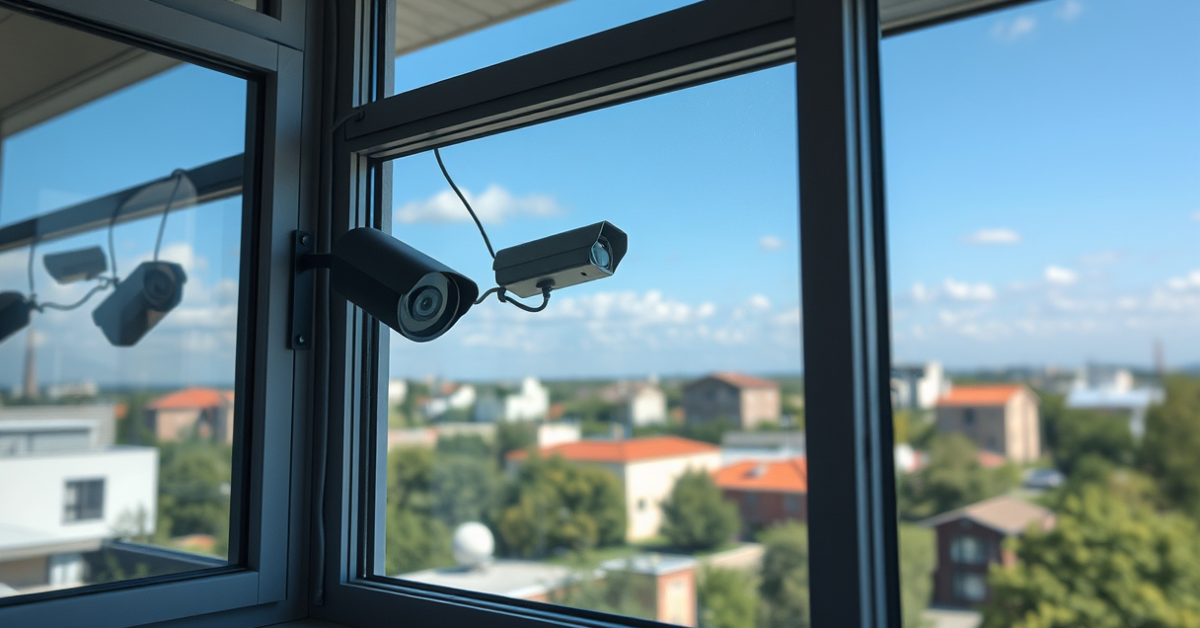
How to Hide a Security Camera in a Window Without Obstructing the View
To hide a security camera in a window without compromising view or image quality, use small form-factor cameras, place them behind sheer curtains or decor, and minimize reflection with anti-glare film. Take advantage of window frame edges, potted plants, or decorative objects to blend the camera with its environment for a truly covert setup.
Discreet surveillance is often crucial for homeowners and renters who want security without visually intrusive equipment. Visible cameras can deter intruders, but hidden ones provide peace of mind and gather evidence without tipping anyone off. Achieving a balance between optimal visibility and low profile can elevate your discreet home surveillance solutions.
This guide lays out effective strategies for hiding a camera behind glass, addresses technical and legal considerations, compares camera types suited for covert window use, and answers common questions. Whether you're a first-timer or looking to upgrade your setup, you'll find actionable advice to implement immediate solutions.
Choosing the Right Camera to Hide in a Window
Small Form-Factor Cameras for Discreet Placement
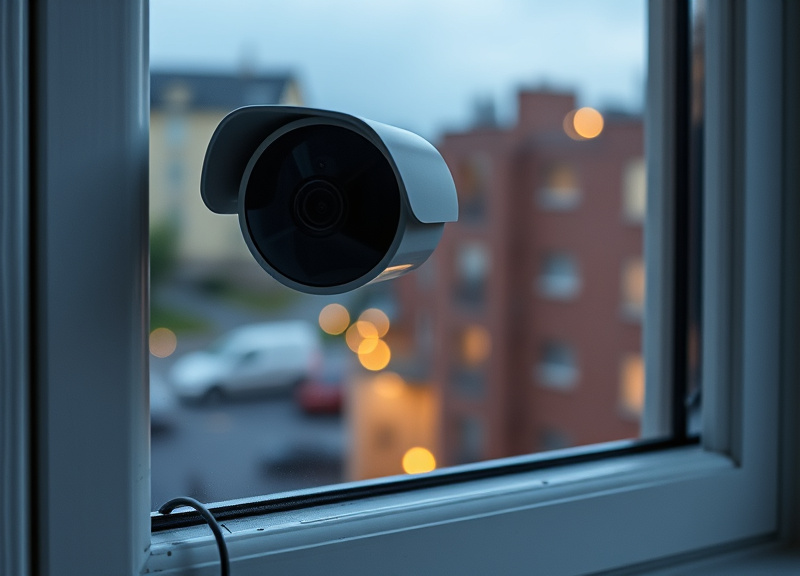
Miniature cameras and USB-sized models are ideal for window hiding because their size makes them almost invisible to casual observers. These cameras often support wide-angle lenses and Wi-Fi connectivity, making remote monitoring easy.
Opt for models with black or neutral finishes to blend seamlessly with most window frames or ledges. Stick-on mounts or magnetic bases provide flexibility, allowing you to adjust the camera angle as needed.
Recommended for: tight corners, window sills, or behind small potted plants.
- Mini spy cameras
- USB charging dock cameras
- Button or clock cameras
Camera Features That Support Covert Window Use
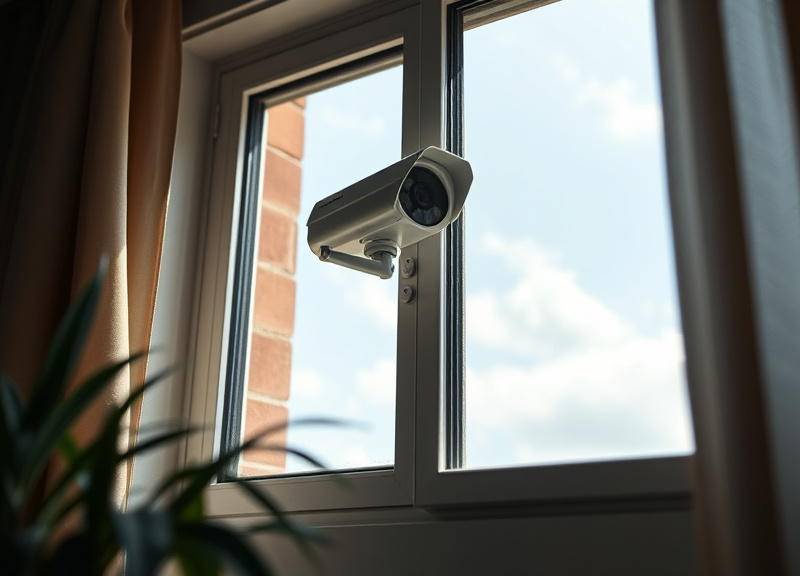
Choose cameras with features that enhance discreet operation. Look for IR-cut filters, low-light sensitivity, and motion-triggered alerts. Since reflection and glare are major concerns behind glass, cameras with dedicated anti-reflective coatings produce cleaner footage.
Models with remote tilt/pan or smart notification integration also make it easier to monitor specific window zones, even when the device remains hidden.
Best Ways to Physically Hide a Security Camera in a Window
Using Curtains, Blinds, and Window Treatments
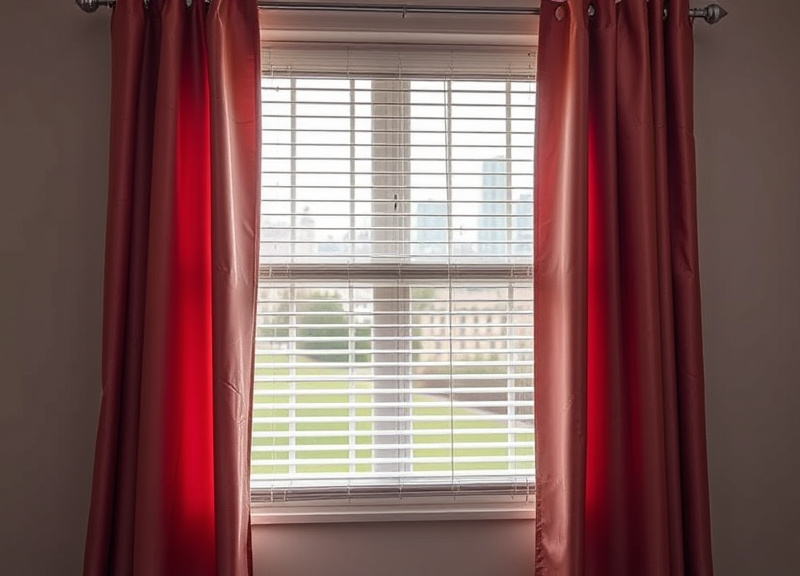
To obscure both the camera and its wiring, tuck the device behind sheer curtains or blinds. Sheer fabric preserves image quality yet discourages prying eyes from noticing the device’s silhouette.
If you use heavier curtains, keep the camera's lens flush with the fabric edge for maximum field of view, and always confirm you’re not unintentionally blocking the camera.
- Install sheer or mesh curtains
- Position behind curtain tiebacks
- Utilize blind slats for concealment
Leveraging Decorative Elements for Disguise
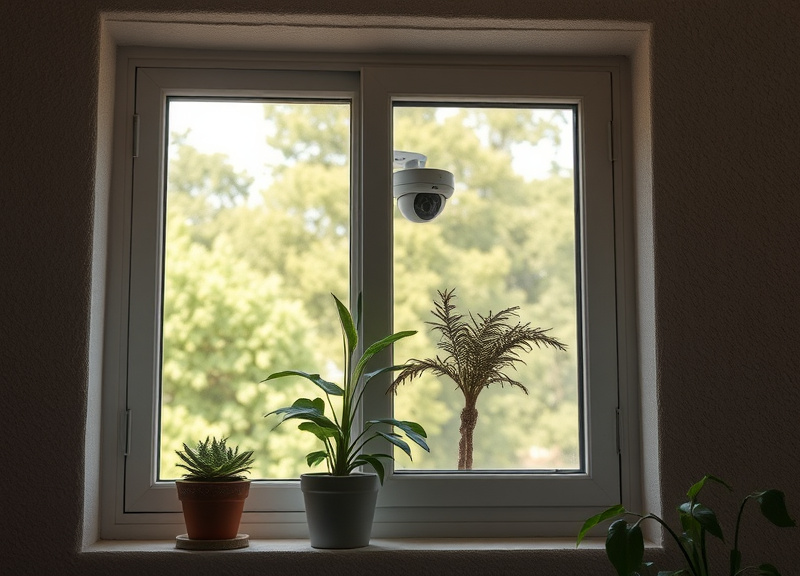
Everyday items like potted plants, picture frames, or seasonal decorations can be positioned in the windowsill to naturally obscure your security camera. Just ensure these items don't block the lens or introduce unwanted reflections.
For extra stealth, choose decor with hollow or shaded bases, creating small pockets to nestle and stabilize your device.
- Potted plants
- Ornamental vases
- Stacked books
Addressing Window Reflection, Glare, and Night Vision
Managing Reflections and Image Distortion
A primary challenge is the reflection produced by glass, which can obscure night vision and even compromise daytime images. Install anti-reflective or matte films to diffuse glare directly on the glass by the camera's lens.
Alternatively, position the camera lens as close to the window pane as possible to minimize internal light splash and double reflections.
- Apply anti-glare window film
- Tilt camera slightly downward
- Turn off interior lights near the camera at night
Optimizing Night Vision Behind Glass
Most IR security cameras cause light to reflect back into lenses at night, resulting in washed-out images. Use external (separate) IR illuminators placed outside the window, or opt for cameras that offer low-light color mode rather than IR.
Test configurations at night to ensure both brightness and clarity in recorded footage.
- Disable built-in IR LEDs
- Install exterior motion-sensing lights
Power and Cable Management for Discreet Surveillance
Wireless Versus Wired Cameras: Pros and Cons for Hiding
Wireless cameras are easier to hide due to fewer cables, but still require periodic charging or a nearby outlet. Battery-operated models are ideal for short-term setups, while plug-in cameras suit long-term use.
Wired models can be harder to disguise but tend to offer more reliable streaming, making them valuable for critical surveillance points.
Smart Cable Concealment Tips
Concealing power and data cables is essential to maintain a covert appearance. Run wires along window tracks or behind existing moldings, securing them with adhesive cable clips or raceways.
Choose cable colors that match trim, and avoid tangles which can draw attention.
- Use adhesive-backed cable organizers
- Route along the window sill edges
Legal Considerations When Hiding Security Cameras
Privacy Laws and Neighborly Courtesy
Before installing a hidden camera, review local privacy laws to ensure you're not inadvertently recording private areas beyond your property, like neighbors' yards or public sidewalks.
Consider informing household members and, when applicable, roommates or building management about undisclosed surveillance to avoid legal and ethical issues.
Best Practices for Responsible Surveillance
Labeling exterior windows with surveillance notifications may deter potential threats while maintaining legal transparency. Avoid audio recording in states or countries where two-party consent is mandatory.
Regularly review your footage and policies to ensure compliance as technology and local regulations evolve.
- Place visible security stickers
- Keep cameras focused on your property only
How to Hide a Security Camera in a Window for Renters
No-Drill and Damage-Free Concealment Methods
Stick-on mounting systems, double-sided tape, or Velcro allow you to set up a camera without making permanent changes to your rental. Magnetic base cameras work particularly well on metal window frames.
Portable, battery-operated units allow relocation in response to changing needs or lease terms.
- Command strips or hooks
- Magnetic mounts
- Portable power banks
For a deeper dive into the history, technology, and ethical considerations of surveillance cameras, see Wikipedia’s article on video surveillance. Wikipedia’s article on video surveillance.
Respecting Lease Agreements and Building Policies
Many leases restrict alterations to windows or common areas. Always review your contract and consider discussing your discreet home surveillance solutions with your landlord or property manager beforehand.
Choosing transparent and reversible installation methods helps prevent disputes when moving out.
Security Camera Types for Window Hiding: Comparison
To help you pick the right camera for hidden window use, here’s a breakdown of the most common form factors, highlighting strengths and weaknesses for covert setups.
| Type | Visibility | Image Quality | Power Requirements | Ideal For |
|---|---|---|---|---|
| Mini Spy Camera | Very Low | Moderate | Battery-powered | Short-term, ad-hoc surveillance |
| USB Dock Camera | Low | Good | Plug-in/USB | Daily indoor monitoring |
| Bullet Camera | Medium | High | Plug-in/PoE | Larger windows, semi-visible integration |
| Pan-Tilt Camera | Medium | Very High | Plug-in | Whole-room or wide-view coverage |
| Covert Clock Camera | Very Low | Moderate | Battery-powered/Plug-in | Blending into decor |
| Outdoor Wired Camera | High | Excellent | Hardwired | Visible deterrent, not recommended for indoor window hiding |
Frequently Asked Questions
Will window glass affect my security camera’s image quality?
Yes, window glass can reduce sharpness, introduce glare, and interfere with night vision. Using anti-reflective film and disabling built-in IR can help mitigate these effects for clearer footage.
Are there security cameras specifically designed for use behind windows?
Most cameras aren’t explicitly marketed for window use, but some feature low-light color sensors or external IR compatibility, making them well-suited for indoor, window-facing installations.
Is it legal to record through my window into a public area?
Generally, recording areas visible from public spaces is legal, but avoid capturing private property without consent. Laws vary, so check local regulations for privacy restrictions in your region.
How can I prevent motion detection from triggering due to reflections or passing cars?
Aim the camera downward and set up specific motion detection zones in your app. Adjust sensitivity to minimize false triggers caused by headlights, shadows, or reflected movement outside.
What’s the best way to power a hidden window camera in an apartment?
Opt for a battery-powered or USB-charged camera to avoid running visible extension cords. Portable power banks provide a simple recharge option and flexible placement for renters.
Key Takeaways
- Choose small, feature-rich cameras designed for discreet window placement.
- Address glare and night vision issues for clear indoor surveillance.
- Use decor and non-permanent mounts for effective, renter-friendly concealment.
- Always comply with privacy and legal guidelines for hidden cameras.
Conclusion
Successfully hiding a security camera in a window is a combination of careful device selection, strategic placement, and thoughtful integration with your living space. Recognizing the challenges—such as glare, privacy, and image clarity—guides you in balancing surveillance effectiveness with subtlety. Adhering to local laws and practicing transparency with household members ensures your home remains safe without sacrificing trust or aesthetics.
For most homes and rental scenarios, mini spy cameras or USB-dock models offer the ideal mix of discretion and functionality. These work well behind sheer curtains or among window decor for round-the-clock monitoring. If you require high image quality and more advanced features, consider pan-tilt units or low-light color cameras, provided their footprint can be hidden without drawing attention.
Before installing, best practice is to test your setup day and night, addressing any issues with glare or power needs as they arise. Regularly review your placement to adapt to seasonal changes in light or furniture. By following these strategies, you’ll create a practical, reliable hidden surveillance system that meets your needs while respecting privacy and property rules.


9 Comments