How to Conceal Security Camera: Creative Solutions for Effective Surveillance
If you want to monitor your property discreetly, learning how to conceal security camera devices is essential. The key is to blend the camera seamlessly into your environment, making it difficult for intruders or even guests to spot. Using everyday objects, camouflaging techniques, or architectural features allows you to maintain effective surveillance without drawing attention to your security system.
Disguising a security camera helps prevent tampering, reduces the likelihood of vandalism, and preserves the aesthetics of your space. Whether you’re aiming to deter unwanted activity or simply want peace of mind, the way you hide your cameras greatly impacts their effectiveness and reliability.
In this guide, we’ll explore practical ways to hide various types of cameras indoors and outdoors, smart precautions to keep feeds clear and accessible, comparisons of common concealment methods, frequently asked questions, and key takeaways. By the end, you’ll know which techniques are best for your specific needs and how to execute them for maximum security.
Understanding Camera Types and Concealment Potential
Selecting the Right Camera for Concealment
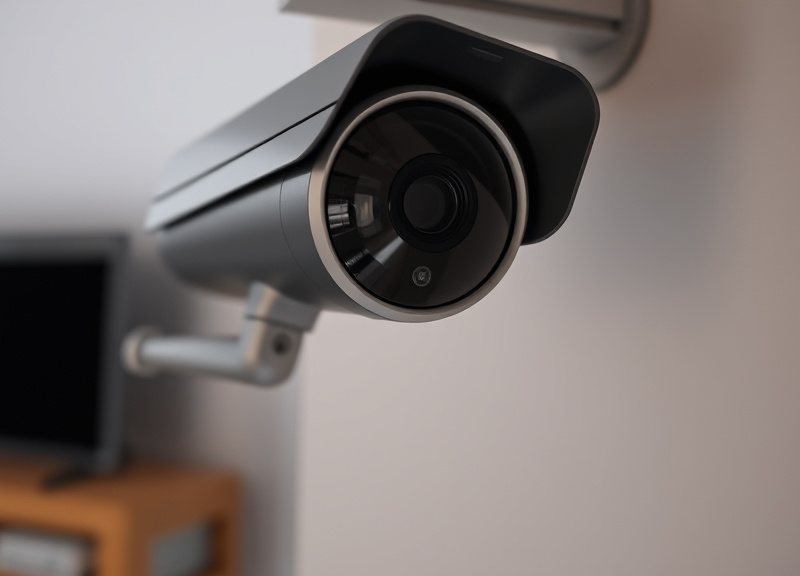
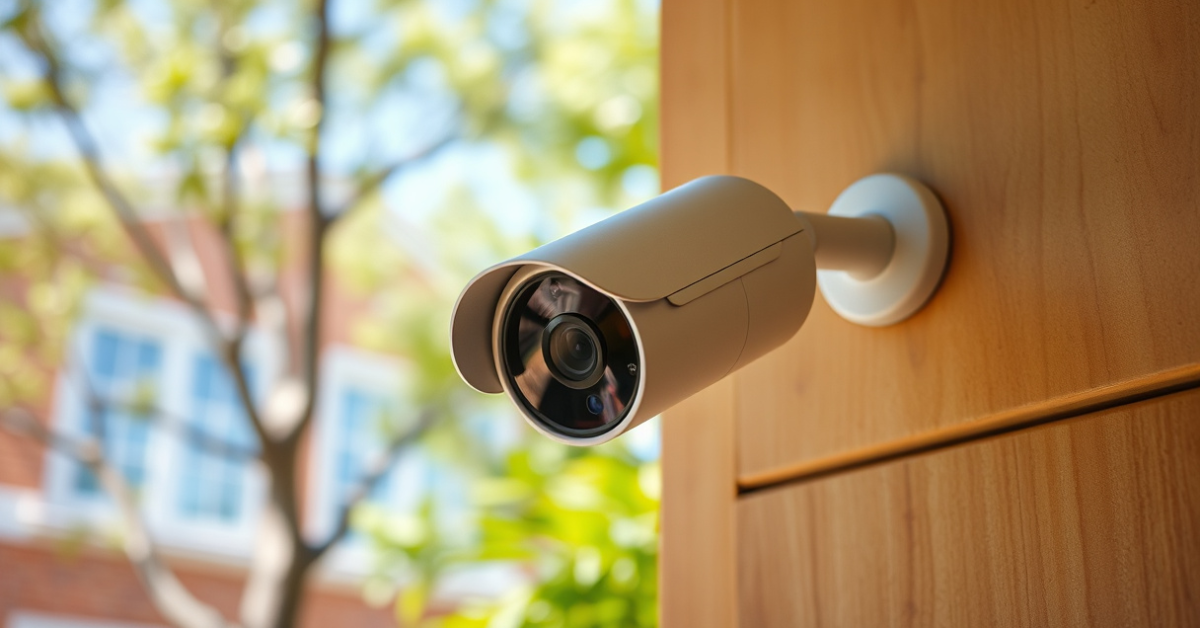
Miniature and pinhole cameras are naturally suited for hiding due to their small profile. Dome and bullet cameras can sometimes be concealed outdoors by integrating them into fixtures or eaves. The camera's shape and lens direction play big roles in your hiding strategy.
Wireless cameras are generally easier to conceal since they don’t require complex wiring. Wired cameras may limit placement options, but creative routing along walls and corners can help disguise cables.
Pros and Cons of Each Security Camera Type
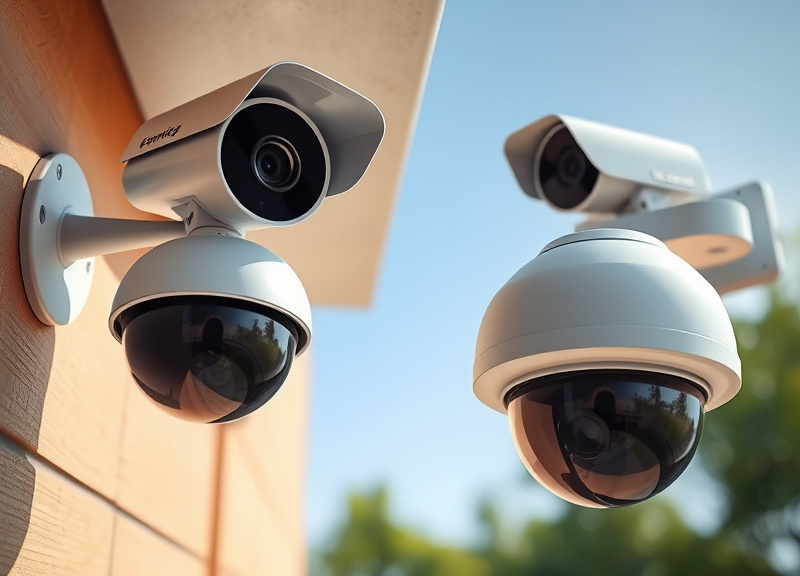
Mini cams provide flexibility and are almost invisible, but may lack advanced features compared to larger models. Dome cameras offer wider angles but are harder to fully hide. Bullet cameras can blend into certain structures but are often more exposed.
Evaluating the right camera for each environment is crucial. Balance concealment with essential features like night vision or motion detection.
- Miniature cameras: Best for hidden indoor surveillance
- Dome cameras: Blend well in corners or ceilings
- Bullet cameras: Suit outdoor fixtures but less subtle
Creative Methods for How to Conceal Security Camera
Using Everyday Objects for Indoor Concealment

Bookcases, air purifiers, smoke detectors, and wall art frames are commonly used to hide indoor cameras. Carefully position the lens so it captures the desired field of view without obstruction from surrounding objects.
DIY enclosures can be crafted for extra camouflage. Just ensure there’s open space for the lens and no overheating—especially for cameras hidden inside enclosed objects.
- Hollowed-out books
- Shelves with hidden compartments
- Functional clocks with camera slots
Camouflaging in Plain Sight: Hidden Outdoor Camera Placement Ideas
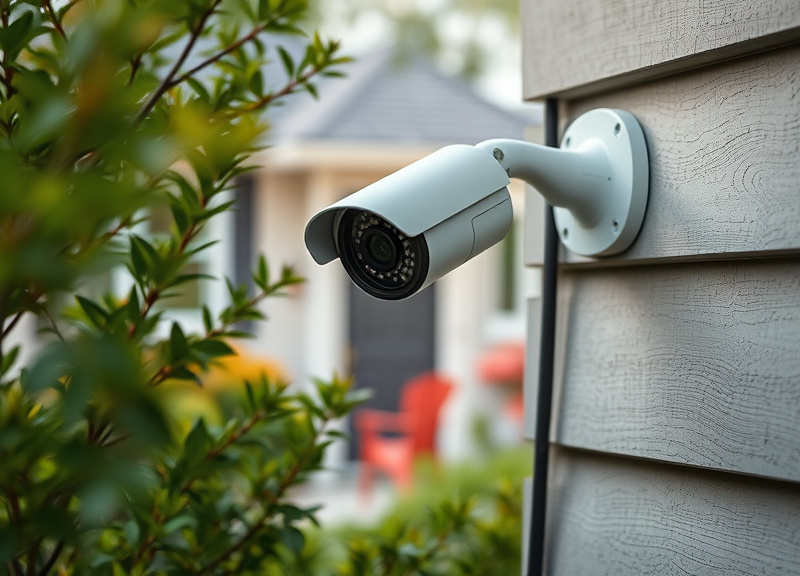
Outdoor concealment often involves mounting cameras on trees, inside faux birdhouses, or behind light fixtures. Painted housings that match exterior walls or fences can make cameras blend almost seamlessly with surroundings.
Be mindful of the elements. Use waterproof cases for protection and routinely check for obstructions like leaves or spider webs.
- Fake rocks or garden decorations
- Mailbox installations
- Nestled under eaves or guttering
Placement and Angle Strategies for Invisible Coverage
Optimizing Camera View Without Exposure
It’s essential to avoid blind spots while maintaining concealment. Test the camera’s view before finalizing placement. Place cameras at higher vantage points or in corners where they’re less likely to be noticed but still cover entrances or key areas.
Be sure to regularly review footage to confirm that nothing has shifted, obstructing your view or compromising coverage.
- Use mirrors to reflect and expand coverage
- Position above eye level for better stealth
- Angle slightly downward for clearer images
For more on this, see our related guide: How to Hide a Security Camera in a Window Without Obstructing the View.
Balancing Stealth with Accessibility
While hiding your security camera is important, you’ll occasionally need to access it for maintenance or battery changes. Choose spots that allow easy access without revealing the camera’s presence to others.
Exterior installations should be weather-resistant and accessible from a ladder or window, but not so low that they’re obvious or easily tampered with.
Wireless vs. Wired Options for Concealed Cameras
Pros and Cons of Wireless vs. Wired Setups
Wireless cameras offer the greatest flexibility for concealed placement since you don’t need to hide wires. Battery-powered models can be installed in places where plugging in isn’t practical, making them popular for hidden outdoor camera placement ideas.
Wired cameras are more reliable for continuous operation but require creative cable routing. Consider running wires behind walls, inside conduit, or painting cables to match surfaces for effective hiding.
- Wireless: Easier to install and move
- Wired: No battery worries, less susceptible to signal interference
Choosing the Best Power Source for Hidden Cameras
Decide between relying on rechargeable batteries or direct wiring based on camera location and accessibility. For hard-to-reach spots, extended battery life or solar-charging accessories reduce maintenance frequency.
If adding solar panels, disguise them as part of garden décor or blend them with roof tiles for a seamless look.
- Long-life lithium-ion batteries
- Hidden plug-in power behind furniture
- Solar panel disguises for garden cameras
Legal and Ethical Considerations When Concealing Security Cameras
Know the Laws in Your Region
Concealing cameras is legal for property surveillance in most areas, but installing hidden cameras in places like bathrooms or guest rooms is strictly prohibited. Always respect tenants’ and visitors’ privacy rights.
Check for local requirements to notify guests or display surveillance signs, especially for workplaces or rental properties. Violating these laws can incur severe penalties.
Ethical Surveillance Practices
Even when it's legal, always balance safety with respecting others' privacy. Avoid audio recording unless everyone is informed and consents—eavesdropping laws are stricter than video regulations in many locations.
Disclose the existence of cameras in shared living or working spaces, and never use hidden cameras for illicit monitoring. Ethical practices build trust and prevent misunderstandings.
- Post privacy signage in common spaces
- Inform family, guests, or roommates
- Review footage solely for security or safety
Maintenance, Monitoring, and Keeping Your Setup Discreet
Routine Checks for Hidden Installations
Cameras can become less effective over time if not properly maintained. Regularly inspect for dust, cobwebs, or shifted objects that may block the lens. Schedule periodic cleanings and battery checks.
Remote monitoring apps provide instant feed access, letting you spot issues without drawing attention to the hidden equipment.
- Set calendar reminders for checks
- Clean with microfiber cloths
- Check battery levels remotely
For deeper background on security camera recommendations and privacy laws, refer to this comprehensive overview. security camera recommendations and privacy laws.
Upgrading Disguise and Keeping Feeds Secure
Update your disguises occasionally to keep your concealment effective—rotate decorations or repaint housings as needed. Use strong passwords and multi-factor authentication for any cloud-connected cameras to protect your video feeds.
Regular upgrades and vigilance ensure your security camera system remains both hidden and secure from prying eyes.
- Change disguises seasonally
- Use encrypted storage solutions
- Restrict live-feed access to trusted users
Concealment Method Comparison Table
Here’s a quick side-by-side look at popular concealment methods for security cameras, showing their strengths, weaknesses, and best-use scenarios.
| Method | Visibility | Ease of Maintenance | Best Use | Weather Resistance |
|---|---|---|---|---|
| Bookcase/Indoor Object | Very low | Easy | Indoor common areas | Not suitable |
| Fake Rock | Low | Moderate | Garden/lawn | Excellent |
| Birdhouse | Very low | Easy | Porch/backyard | Good |
| Painted Eaves | Moderate | Challenging | Outdoor walls/roof | Excellent |
| Mailbox | Low | Moderate | Front yard/driveway | Good |
| Light Fixture | Low | Challenging | Entrances/exteriors | Good |
Frequently Asked Questions
Is it legal to conceal security cameras on my property?
Generally, it is legal to conceal cameras for security on your own property. However, avoid private areas and always check your local surveillance and privacy laws to remain compliant.
Will hiding my camera affect video quality or functionality?
If done carefully, concealing your camera shouldn't impact video quality. Make sure the lens is unobstructed and the device has adequate airflow to prevent overheating and ensure reliable operation.
How do I power a hidden outdoor camera without visible wires?
Opt for wireless, battery-powered models or use solar panels disguised as yard decor. Otherwise, run cables through walls or underground conduits for minimal exposure and weather protection.
What should I avoid when trying to hide a security camera?
Avoid placing cameras inside metal objects that block signals, pointing through glass (which can cause glare), or locations with obstructed fields of view. Never use smoke detectors in a way that violates fire code.
How often should I check on my hidden cameras?
Inspect all hidden cameras at least once a month, or more frequently if outdoors. Look for dust, spider webs, or shifting disguises that may block the lens or compromise effectiveness.
Key Takeaways
- Choose concealment methods that best fit your camera type and environment.
- Legal and ethical surveillance requires respecting privacy and local laws.
- Routine maintenance is crucial for continuous, discreet security.
- Blending cameras with everyday objects enhances stealth and protection.
Conclusion
Concealing a security camera effectively is a balance of technical savvy, creativity, and respect for privacy. By choosing the right camera type, leveraging objects and architectural features, and paying attention to both setup and legislation, you can create a robust, unobtrusive surveillance system. Whether your focus is on keeping watch without tipping off intruders or simply maintaining the aesthetics of your home, the right concealment technique makes all the difference in your home or business security strategy.
For homeowners and renters, simple techniques like hiding wireless cameras in bookshelves or using outdoor disguises such as fake rocks or birdhouses are practical and cost-effective. Businesses may prefer painted eave mounts or integrating cameras into signage and lighting for unobtrusive yet comprehensive coverage. Those needing frequent access should prioritize concealment strategies that don’t require moving heavy furniture or climbing ladders regularly. Evaluate which best aligns with your primary surveillance goals and day-to-day habits.
As a next step, walk through your property and identify high-risk or heavily trafficked areas. Experiment with a few of the concealment methods discussed above—starting with one indoor and one outdoor location. Regularly review footage to fine-tune your setups, and stay informed on evolving legal standards and best practices for ethical, effective surveillance.