Do NVGs Block Your Field of View? Understanding Night Vision Goggles Visibility
Night Vision Goggles (NVGs) do affect your field of view, typically reducing it compared to natural vision. While modern NVGs provide a useful enhancement in low-light environments, their lenses and limited optics result in a narrower visual angle, often around 40 degrees compared to the normal 180-degree human field of view.
This reduction in peripheral vision matters because it limits your situational awareness, especially in dynamic or hazardous environments. Understanding how much NVGs block your field of view helps users adjust their head movements and tactics to compensate for blind spots and stay oriented in the dark.
This article details the typical field of view range when wearing night vision goggles, explains factors influencing visibility, compares various NVG designs, and offers usage tips to maintain safety and efficiency while using these devices.
How NVGs Affect Your Field of View

Typical Field of View Limits with NVGs
Standard military-grade NVGs generally offer a field of view ranging from 40 to 60 degrees, a significant restriction from the natural horizontal field of nearly 180 degrees. This limitation arises mainly from the size of the objective lens and the design of the eyepiece.
Commercially available NVGs tend to have even narrower fields of view due to cost and optical compromises. Users should expect to turn their heads more frequently to cover areas outside the NVG's visual range.
- Military NVGs: ~40° to 60° FOV
- Commercial NVGs: ~30° to 50° FOV
- Natural human FOV: ~180° horizontally
Impact on Situational Awareness
Limited field of view means NVG users may miss peripheral threats or obstacles, which requires compensatory scanning techniques. Operators must rely on head movement, physical turning, or secondary visual aids to cover blind spots.
In high-risk environments, this constraint affects response time and increases reliance on team communication and movement discipline to maintain overall situational safety.
Factors Influencing NVG Field of View
Optical Design and Lens Size
The size and shape of the objective lens and ocular lens system directly influence the NVG’s field of view. Larger lenses can capture more ambient light and offer wider views but often add bulk and weight.
Designs with multiple lenses, such as binocular NVGs, may affect field of view differently compared to monocular models, which may offer slightly better peripheral vision on the non-covered eye.
- Objective lens diameter impacts vision angle
- Monocular vs. binocular affects viewing experience
Generation and Technology Differences
Higher generation NVGs (Gen 3 and Gen 4) often have improved optics and light amplification, which can marginally enhance field of view compared to older models. However, physical design constraints still limit the total visible angle.
Technologies such as digital night vision may offer wider fields of view but can introduce latency or resolution trade-offs that affect real-world usability.
Types of Night Vision Goggles and Their View Ranges
Monocular Night Vision Goggles
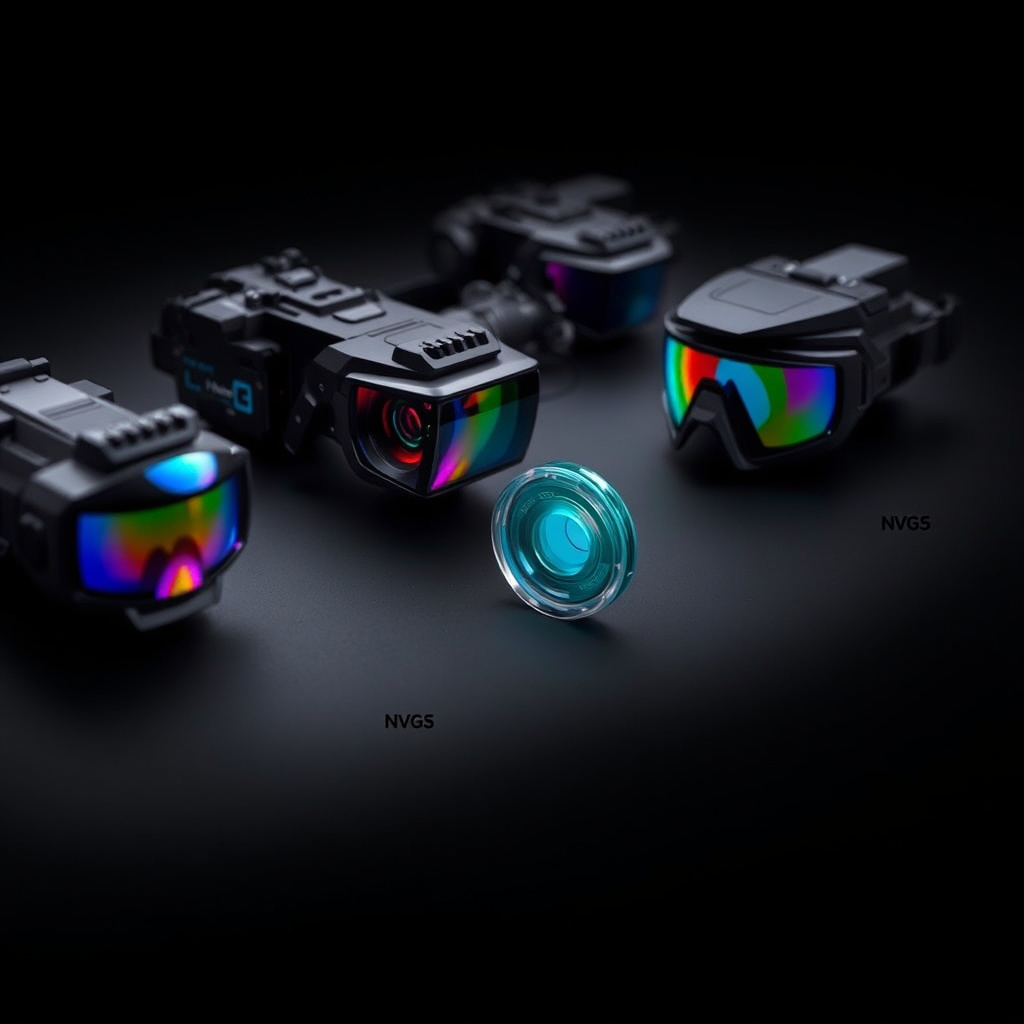
Monocular NVGs cover only one eye, allowing the non-dominant eye to maintain natural peripheral vision, thus slightly improving overall situational awareness. However, the monocular view itself is limited to 40-50 degrees typically.
These are lighter and less cumbersome, favored for activities needing mobility but are less immersive in darkness compared to binocular versions.
- Field of view: ~40°-50°
- Lightweight and lower power consumption
For more on this, see our related guide: Will MX 9916 Fit in a PVS 14 Body? A Practical Compatibility Guide.
Binocular and Bi-ocular NVGs
Binocular NVGs use both eyes, offering more depth perception and consistent night vision but with a more confined field of view, often restricted to 40-45 degrees per eye overlapping slightly.
Bi-oculars use two lenses but a single display, usually resulting in similar field of view limitations with a heavier and bulkier build.
- Field of view: ~40°-45°
- Better depth but heavier and less peripheral vision
Optimizing Field of View Use with NVGs
Techniques for Head and Eye Movement
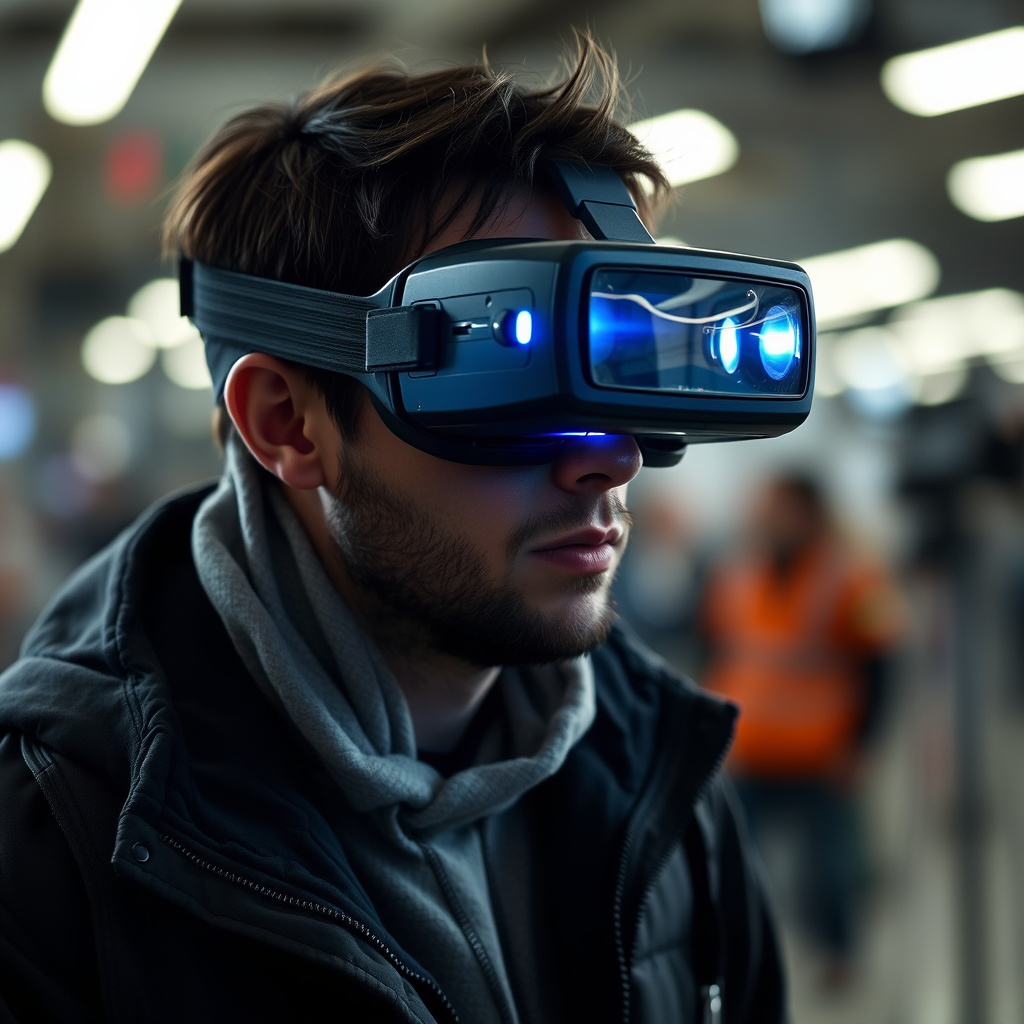
To compensate for NVGs blocking part of the field of view, users develop habits of sweeping head movements to scan surroundings frequently. This compensates for blind spots and helps maintain greater situational awareness.
Training to integrate NVG vision with natural peripheral cues and team coordination enhances safety and task performance in low light operations.
- Frequent head scanning
- Alternating between NVG and natural vision if monocular
- Rely on communication for peripheral monitoring
Regular Equipment Maintenance
Keeping NVG lenses clean and properly aligned reduces vision distortions and maximizes available field of view. Fogging or scratches can further shrink effective visibility.
Adjusting the eyepiece optics and occasionally calibrating focus optimizes clarity within the limited field provided by the goggles.
Common Misconceptions About NVG Visibility
NVGs Do Not Provide Full Night Vision Coverage
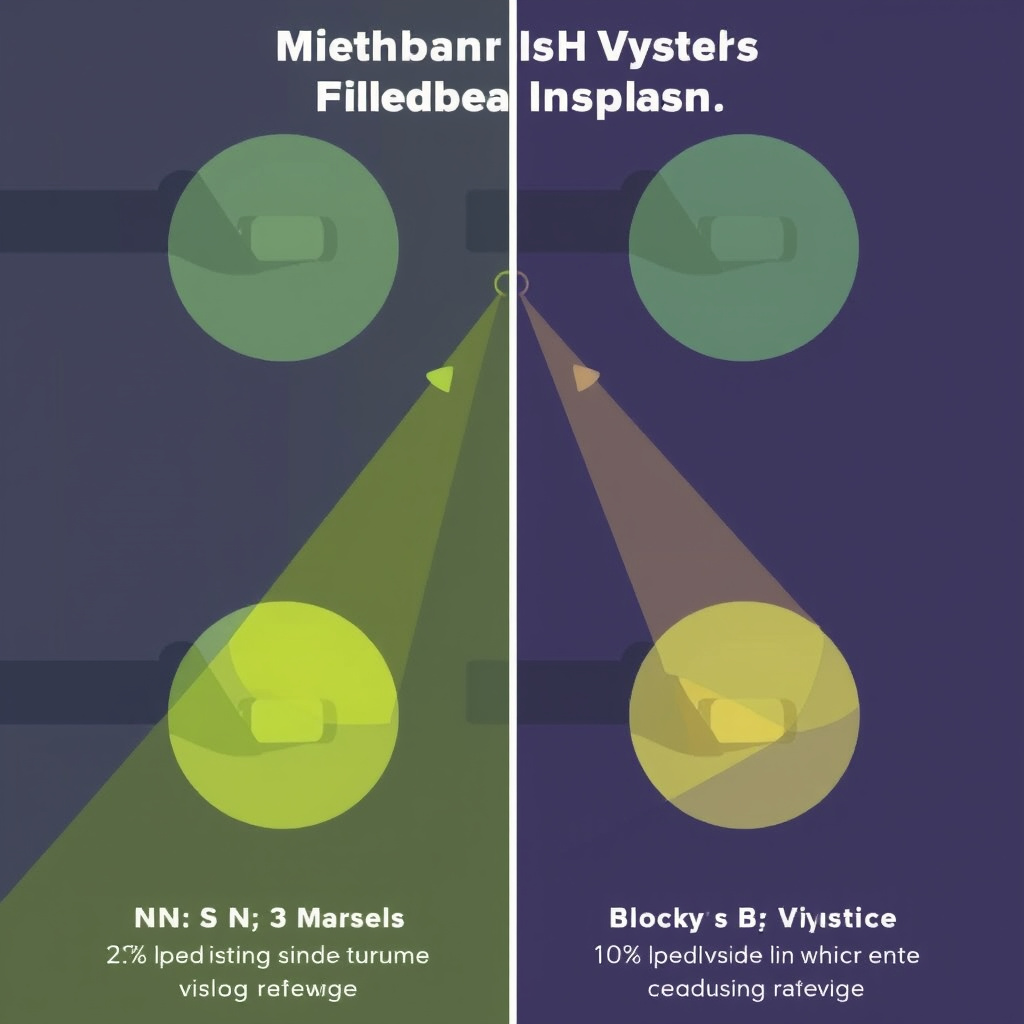
Many users mistakenly assume NVGs will deliver a full 180-degree field of view or near natural vision in darkness. In reality, the device’s optics inherently limit the visible angle, creating a tunnel-like effect.
Understanding these physical constraints helps set realistic expectations and encourages safer device use.
Digital Night Vision vs. Traditional NVGs
Digital night vision devices can offer wider fields of view compared to analog NVGs, but they might lag or have lower resolution, affecting the clarity of the wider image.
Knowing these trade-offs informs better choice according to the specific use case, such as reconnaissance versus navigation.
Safety and Legal Considerations with NVG Field of View
Adjusting Behaviors to Compensate for Restricted Views
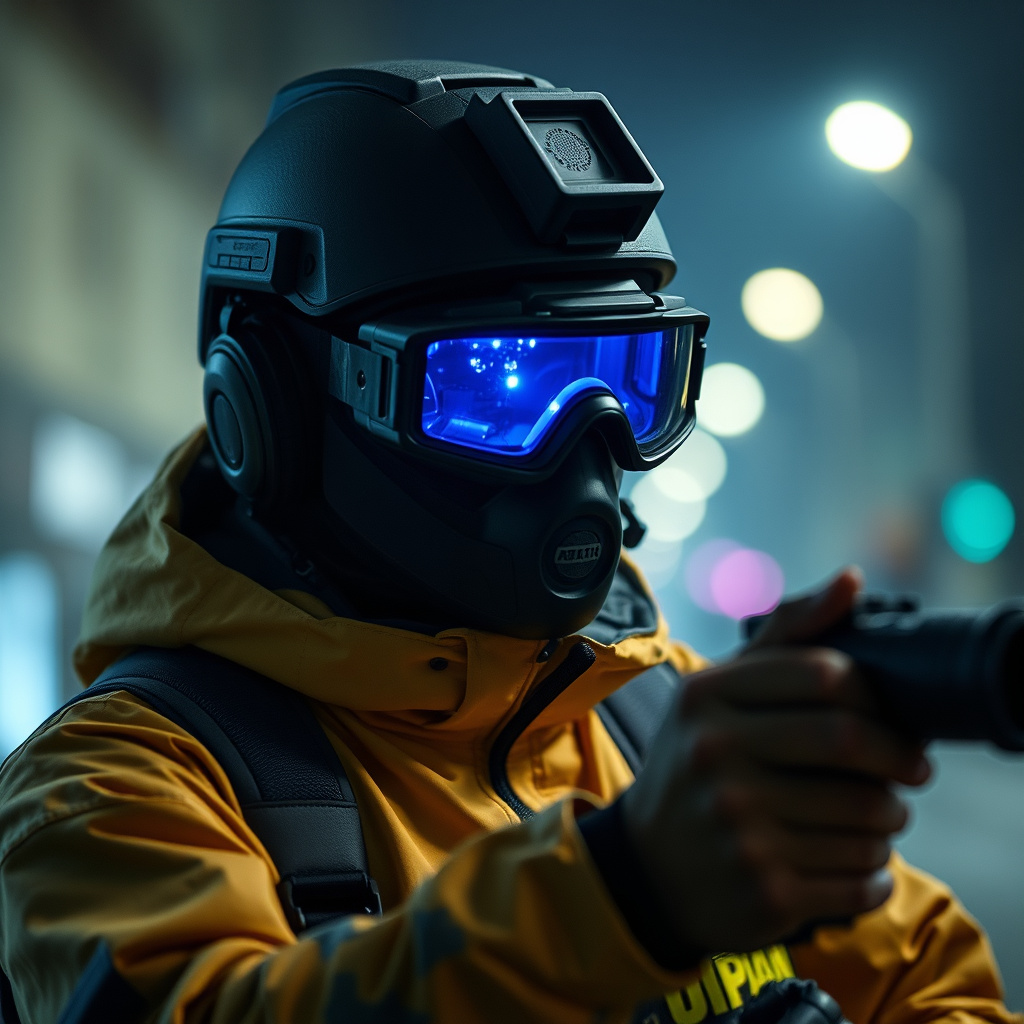
Users must adapt walking and driving behavior when using NVGs, taking shorter steps and moving slower to offset the reduced field of view and avoid accidents.
Training programs emphasize situational safety, including regular blind spot checks and team signaling to mitigate risk when visibility is constrained.
For a more detailed overview of NVG technologies and specifications, refer to the comprehensive Night Vision Device article. Night Vision Device.
Regulations on NVG Usage
In some countries, laws restrict NVG use to specific activities like law enforcement or military operations. Knowing local legislation helps users avoid legal consequences while selecting devices suited for permitted uses.
Certain environments, such as civilian airfields or public roads, prohibit NVG use due to vision constraints and safety hazards.
- Check regional legal restrictions
- Use NVGs within authorized contexts only
Types of Night Vision Goggles Field of View Comparison
This table summarizes typical fields of view and other key attributes of various NVG categories to help select the right type based on your needs.
| NVG Type | Field of View (Degrees) | Weight (grams) | Typical Use Case |
|---|---|---|---|
| Monocular | 40-50 | 300-400 | Light mobility, enhanced peripheral awareness |
| Binocular | 40-45 | 600-800 | Immersive night vision, depth perception |
| Bi-ocular | 40-45 | 700-900 | High clarity imaging, heavier use |
| Digital NVGs | 50-70 | 400-600 | Wider FOV with digital screen, variable latency |
| Commercial Analog NVGs | 30-50 | 300-700 | Budget conscious, lower FOV |
Frequently Asked Questions
Why do NVGs have a smaller field of view than my natural vision?
NVGs use lenses and electronic intensifiers that capture and display light within a confined optical system. This design inherently restricts the viewing angle to about 40-60 degrees, whereas natural vision spans roughly 180 degrees horizontally.
Can I see peripheral movements with NVGs?
NVGs limit peripheral vision, so detecting movement outside their field often requires head movements or using monocular devices so the uncovered eye maintains natural peripheral awareness.
Do digital night vision goggles provide a wider field of view?
Digital NVGs can offer wider fields of view, sometimes up to 70 degrees, but this may come with trade-offs in image latency or resolution, impacting scene clarity.
How can I improve situational awareness with NVGs?
Using frequent head scanning, teaming communication, and selecting monocular NVGs when possible can help compensate for the limited field of view and enhance awareness.
Are there legal restrictions on NVG use related to field of view?
Yes, in many regions NVG use is regulated due to vision limits and safety concerns, restricting them to military, law enforcement, or designated activities.
Key Takeaways
- Night vision goggles reduce your natural field of view to roughly 40-60 degrees.
- Peripheral vision is limited, necessitating increased head movement and scanning.
- Monocular NVGs allow one eye to retain natural peripheral vision.
- Digital NVGs can offer slightly wider views but with potential compromises.
Conclusion
Deciding how much NVGs block your field of view requires balancing enhanced low-light visibility against the restricted optical window they provide. When choosing NVGs, consider how the limited visual angle will influence your tasks and environment. Awareness of this constraint helps users develop tactics like increased scanning and head movement to maintain situational awareness and avoid hazards.
For individuals needing the most complete situational picture, monocular night vision goggles can minimize loss of peripheral vision by leaving one eye unobstructed. In contrast, binocular systems offer better depth perception and image clarity but at the expense of narrowing the field of view. Digital night vision goggles sometimes expand viewable area, but users should weigh latency and resolution impacts. Selecting the appropriate type depends on your mission requirements, environmental conditions, and ergonomic preferences.
Start by evaluating your primary usage scenarios and whether maintaining peripheral vision outweighs the benefit of full binocular night vision. Practicing with your chosen NVGs and integrating scanning techniques will offset field of view reduction in practical settings. Continuous equipment maintenance, legal knowledge, and proper training round out effective NVG use. With this understanding, you can confidently select night vision goggles that fit your visibility needs and operational safety.