Are Night Vision Goggles Legal? Everything You Need to Know
In most countries, night vision goggles are legal for civilian ownership and recreational use, but there are several important restrictions and requirements to be aware of. While you typically won't face legal issues simply for buying or possessing night vision goggles, how and where you use them can have serious legal consequences, especially if they're paired with firearms or used in prohibited areas.
Understanding the legality of night vision goggles matters because these optics are increasingly accessible, and their potential misuse poses safety, privacy, and even national security concerns. Laws can differ widely by country, state, or even local jurisdiction, covering everything from import restrictions on military-grade devices to rules against using night vision goggles while hunting or driving.
This article breaks down the legal landscape around night vision goggles. We'll cover U.S. and international laws, restricted activities, export rules, types of night vision technology, and how to make sure you stay compliant. Whether you're a hobbyist, hunter, or security professional, this guide will help you understand exactly where the line is drawn—and what to check before using or buying night vision goggles.
Legal Status of Night Vision Goggles: U.S. and Global Overview
U.S. Federal and State Laws
At the federal level, civilian possession of night vision goggles is generally legal, but certain devices classified as military technology—particularly Gen 3 or thermal units—may be regulated under ITAR (International Traffic in Arms Regulations). Some states, including California and Minnesota, have specific restrictions on when and how these optics can be used, especially for hunting.
Hunting with night vision is heavily restricted in many places, and using goggles in connection with firearms can provoke serious legal penalties. Always check your state’s Fish and Wildlife regulations for specific provisions before purchasing or using night vision goggles.
- Federal regulations (ITAR, EAR for export)
- State-level hunting and usage laws
- Restrictions on use with firearms
International Night Vision Goggles Regulations
Different countries take very different approaches to civilian night vision goggles. In Canada, most devices are legal but may be restricted for hunting. The UK allows civilian use but bans attaching them to firearms. In Russia, even ownership of certain devices can be tightly controlled.
Before traveling with night vision goggles abroad, research both import and use laws—confiscation or criminal penalties are possible. Military-grade devices are often outright banned or closely monitored internationally.
- Canada: legal, hunting restricted
- UK: civilian use allowed, firearm attachment banned
- Australia and Russia: strict controls or outright bans
Types of Night Vision Technology and Their Legal Implications
Generations of Night Vision Goggles Explained
Night vision goggles come in multiple technological generations, each with distinct capabilities and legal status. Gen 1 and Gen 2 goggles are widely available for civilians, while Gen 3 and advanced thermal imaging devices are often subject to U.S. export restrictions or classified as ‘military use only’.
Devices labeled as ‘dual use’ may still require special paperwork or approval to export or sell internationally. Check manufacturer specs against local laws before purchasing high-end models to avoid legal risks.
- Gen 1: legal for civilians in most countries
- Gen 2: check local regulations
- Gen 3/Thermal: often restricted, ITAR-controlled
Military-Grade vs. Commercial Night Vision
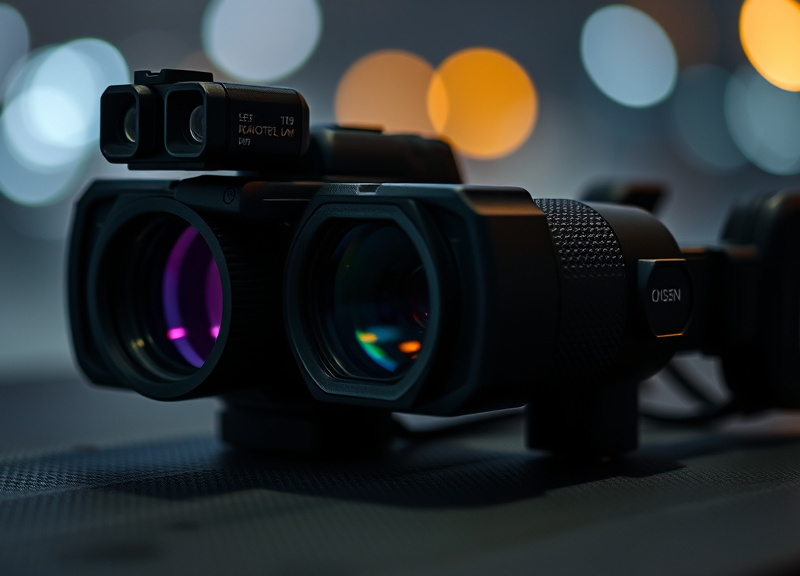
Military-grade night vision is subject to strict regulations, especially in the U.S., to prevent technology from falling into unauthorized hands. Civilian night vision goggles are designed for lower performance, and typically aren’t covered by ITAR, but misuse can still trigger legal scrutiny.
When shopping for night vision, be sure to differentiate between commercial offerings and true ‘mil-spec’ models—retailers must clearly indicate export restrictions when relevant.
Night Vision Goggles and Hunting Laws
Wildlife Protection and Night Vision
Many states and countries ban or strictly limit hunting with night vision goggles to protect nocturnal wildlife and maintain fair chase standards. Breaking these laws often results in steep fines or license suspensions.
Regulations may differ based on species; for example, feral hogs are sometimes exempted from restrictions, while deer and predators are often protected. Always review hunting guidelines specific to your target species.
- Commonly banned for game animals
- Exceptions for invasive species
- License penalties for violations
For more on this, see our related guide: How to Create Night Vision: A Practical Guide for DIY Enthusiasts.
Permitted and Restricted Uses for Hunters
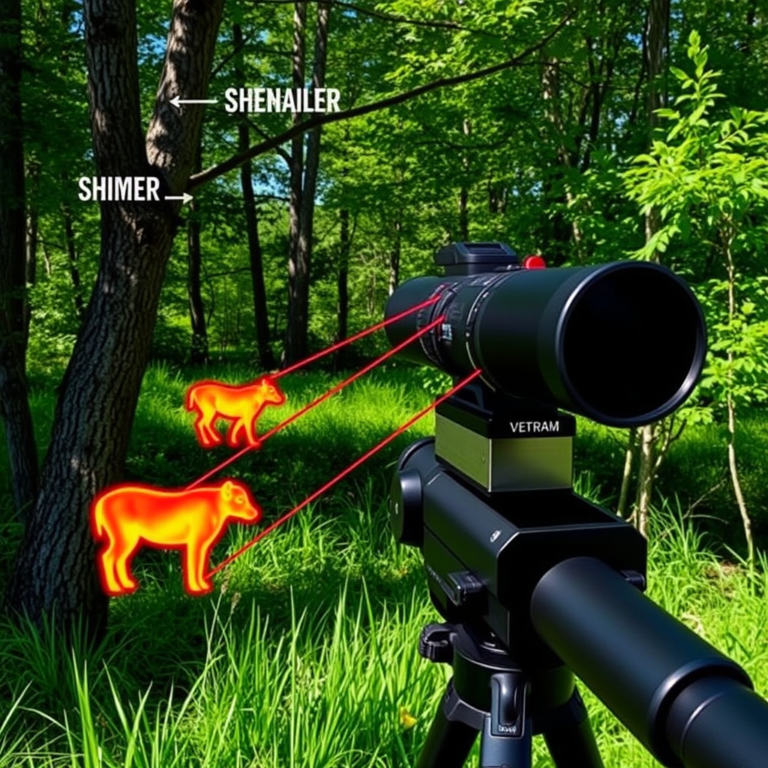
Hunting under the cover of darkness with night vision is tempting but can cross legal lines. Some regions allow it for pest control, while others prohibit it outright, even for non-game animals. Use with rifle scopes usually faces the strictest scrutiny.
Double-check hunting regulations annually, as night vision-related laws change frequently with new technology and conservation priorities.
- Pest control exemptions
- No use with firearms in many states
Import, Export, and Transport Rules for Night Vision Goggles
Understanding ITAR and Export Controls
U.S. International Traffic in Arms Regulations (ITAR) impose strict controls on night vision goggle exports, especially Gen 3 and advanced devices. Transferring or shipping these goggles to non-U.S. persons, even temporarily, requires government authorization.
Violations of export controls can lead to large fines and federal charges. Never assume that selling night vision goggles online internationally is risk-free, regardless of device specification.
- Gen 3 and thermal scopes: always ITAR-controlled
- Paperwork required even for brief travel
- Heavy penalties for illegal export
Traveling with Night Vision Goggles
If you plan to bring night vision goggles across borders, you must check both export regulations (from your home country) and import rules (at your destination). Some devices may be seized or declared contraband at foreign customs, even if you legally own them at home.
Declare night vision goggles at customs and carry documentation proving civilian use if possible. Know that international travel with night vision always involves some legal risk.
- Declare at customs
- Carry proof of ownership
- Research laws at destination
Night Vision Goggles Legal Use Cases: Civilian, Professional, and Tactical
Recreational and Hobby Use
Civilian night vision goggles are popular among outdoor enthusiasts, wildlife observers, and even stargazers. Using them on your own property or for non-invasive nocturnal observation is typically legal, so long as you avoid privacy or trespassing concerns.
However, using night vision goggles in conjunction with activities that are themselves illegal (like stalking, poaching, or breaking and entering) brings stiff legal penalties—regardless of the device’s classification.
For more on this, see our related guide: How Do Night Vision Devices Work: The Science Behind Seeing in the Dark.
Professional/Security and Law Enforcement Use
Security professionals and law enforcement may use higher-grade night vision goggles for surveillance, search and rescue, or tactical operations. However, private security firms must comply with licensing and reporting requirements when purchasing or deploying such equipment.
Unauthorized civilian use of law enforcement or military-issued night vision goggles can quickly escalate to criminal charges, including theft or unlawful possession of restricted items.
- Extra licensing for security companies
- Heightened scrutiny for law enforcement models
Protecting Privacy and Staying Compliant with Night Vision Goggle Laws
Respecting Privacy Rights and Boundaries
Even where night vision goggles are legal, using them to invade someone’s privacy—such as observing private property or trespassing—is governed by civil and criminal law. Expect increased penalties for spying or harassment when night vision tech is involved.
Camera-equipped night vision goggles are subject to additional recording and surveillance laws, especially in residential or sensitive areas.
- Don’t record or observe private spaces without consent
- Surveillance laws apply to video-capable devices
For further information and international context, see this comprehensive overview of night vision device regulations. night vision device regulations.
Best Practices for Night Vision Owners
Before each use, review local ordinances for updates. Keep all product documentation and receipts, especially for high-value or high-tech devices. If you’re uncertain about the legality of a particular activity, consult legal counsel before proceeding.
Responsible ownership not only keeps you on the right side of the law but also preserves opportunities for future civilian access to night vision technologies.
- Check laws before every use
- Retain purchase documentation
- Consult a lawyer for gray areas
Night Vision Goggle Legality by Country and Category Comparison
This table compares legal status, restrictions, and permitted uses for night vision goggles across key countries and use categories.
| Category | United States | Canada | United Kingdom | Australia | Russia |
|---|---|---|---|---|---|
| Civilian Ownership | Legal with restrictions | Legal with some limits | Legal with firearm ban | Restricted/Permit required | Heavily restricted |
| Hunting Use | Varies by state—often restricted | Generally prohibited | Prohibited | Prohibited | Illegal |
| Military-Grade Devices | ITAR/Export restrictions | Generally illegal | Illegal | Illegal | Strictly controlled |
| Travel/Import | Export regulated | Permitted with declarations | May be confiscated | Permits needed | Often banned |
| Professional/Security Use | License required for advanced | Permit may be needed | Allowed by license | Permit required | Strict controls |
| Use with Firearms | Varies—often restricted | Not permitted | Banned | Banned | Banned |
Frequently Asked Questions
Are night vision goggles legal for hunting in the U.S.?
In most states, using night vision goggles for hunting is restricted or banned, especially for game animals. There may be exceptions for pest control or invasive species. Always review state-specific hunting laws before using night vision equipment while hunting.
Can civilians own military-grade night vision goggles?
Generally, civilians cannot legally purchase or possess U.S. military-grade (Gen 3 or thermal) night vision goggles, as these are controlled by ITAR and similar export laws. Civilian models are widely available, but higher-grade devices are restricted.
Is it legal to take night vision goggles overseas?
Bringing night vision goggles overseas, especially advanced or military-grade models, is heavily regulated by export and import laws. Always check both U.S. (or country of origin) and destination laws, and obtain any required permits before attempting international travel.
Are there privacy concerns with using night vision goggles?
Yes, using night vision goggles to observe people or private property without consent can violate privacy laws and lead to civil or criminal penalties. Devices with recording features are often subject to additional strict laws. Use responsibly and always respect privacy boundaries.
Do security guards need a license to use night vision goggles?
Security guards or companies may need special training and licenses to legally use higher-grade night vision goggles, especially for surveillance or law enforcement work. Check local regulations and verify licensing requirements before using such technology in a professional setting.
Key Takeaways
- Night vision goggles are widely legal for civilians but face country-specific restrictions.
- Hunting and firearm use with night vision are often heavily regulated.
- Military-grade and export of advanced night vision require special legal compliance.
- Respect privacy and research local laws before using or transporting night vision goggles.
Conclusion
Navigating the legal landscape around night vision goggles can be tricky, but understanding the basics is essential for responsible ownership and peace of mind. Always start by determining the laws specific to your location, including any restrictions on devices, prohibited activities, and special permissions for import, export, or professional use. Recognize that both technological features (like generation and recording capabilities) and intended use play a role in the legal status of night vision goggles around the world. Responsible use not only protects you from legal consequences but also builds public trust and supports continued civilian access to these powerful tools.
Choosing the right night vision equipment means weighing your intended use—such as wildlife observation, hunting, or professional security—against the complex patchwork of legal restrictions. For general recreational purposes, most civilians in the U.S. and Canada can own Gen 1 or Gen 2 night vision goggles with few problems, but activities like hunting, exporting, or professional deployment demand extra vigilance and often official permissions. Those considering travel, high-tech purchases, or commercial-grade devices should pay particular attention to local laws, as these situations carry the highest risk of legal complexity or significant penalties if mismanaged.
Ultimately, the best step you can take is to research and verify up-to-date laws in your area before buying, using, or transporting night vision goggles. Stay informed about changes in regulations, keep documentation at hand, and when in doubt, consult law enforcement or legal specialists about your case. That way, you can enjoy night vision technology’s benefits while staying safely within the bounds of the law.



4 Comments