Can You Hunt with a Thermal Scope During the Day? What You Need to Know
Yes, you can hunt with a thermal scope during the day, but its effectiveness varies compared to nighttime use. Thermal scopes detect heat signatures rather than visible light, allowing hunters to spot animals even in dense foliage or low-visibility conditions during daylight hours.
Thermal scopes work by sensing infrared radiation emitted by living creatures and objects, which means they don’t rely on ambient light. However, factors like temperature differences between the target and environment affect their performance more noticeably during the day, as the sun heats the surroundings and can reduce thermal contrast.
This article breaks down how thermal scopes function in daylight, discusses their strengths and limitations for daytime hunting, and offers practical guidelines on choosing and using a thermal scope effectively when hunting during the day.
How Thermal Scopes Work and Why It Matters for Daytime Hunting
Basics of Thermal Imaging Technology
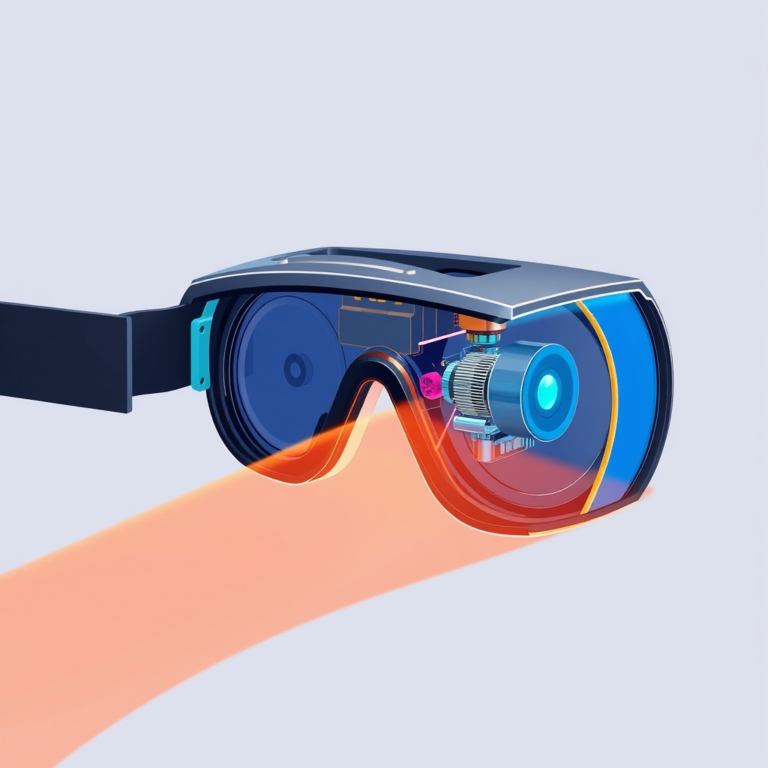
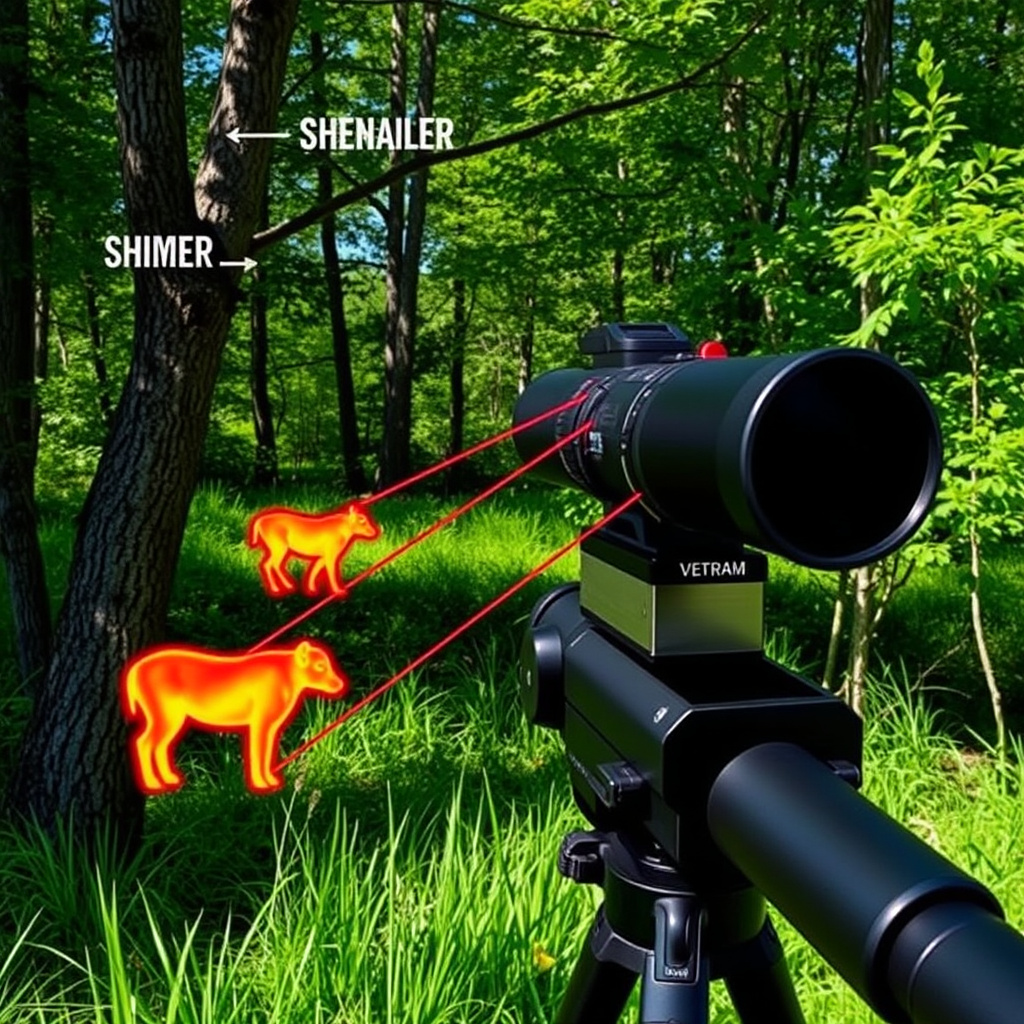
Thermal scopes operate by detecting infrared radiation emitted by warm objects, translating these heat signatures into a visible image. Unlike traditional scopes that use visible light, thermal scopes create contrast based on temperature differences rather than color or brightness.
This ability allows hunters to detect animals obscured by brush or low-light shadows, making it a valuable tool in various hunting scenarios. Understanding this core technology helps explain why performance varies between day and night use.
Temperature Effects on Thermal Imaging During Day
During the day, environmental surfaces often absorb heat from the sun, which can decrease the temperature difference between animals and their surroundings. This reduces the thermal signature contrast, making it harder to distinguish targets at greater distances.
In contrast, cooler ambient temperatures or shaded areas provide better thermal contrast, improving scope effectiveness even in daylight. Weather conditions like cloud cover and humidity also influence thermal detection quality.
Advantages of Using a Thermal Scope While Hunting in Daylight
Visibility Through Obstructions and Camouflage
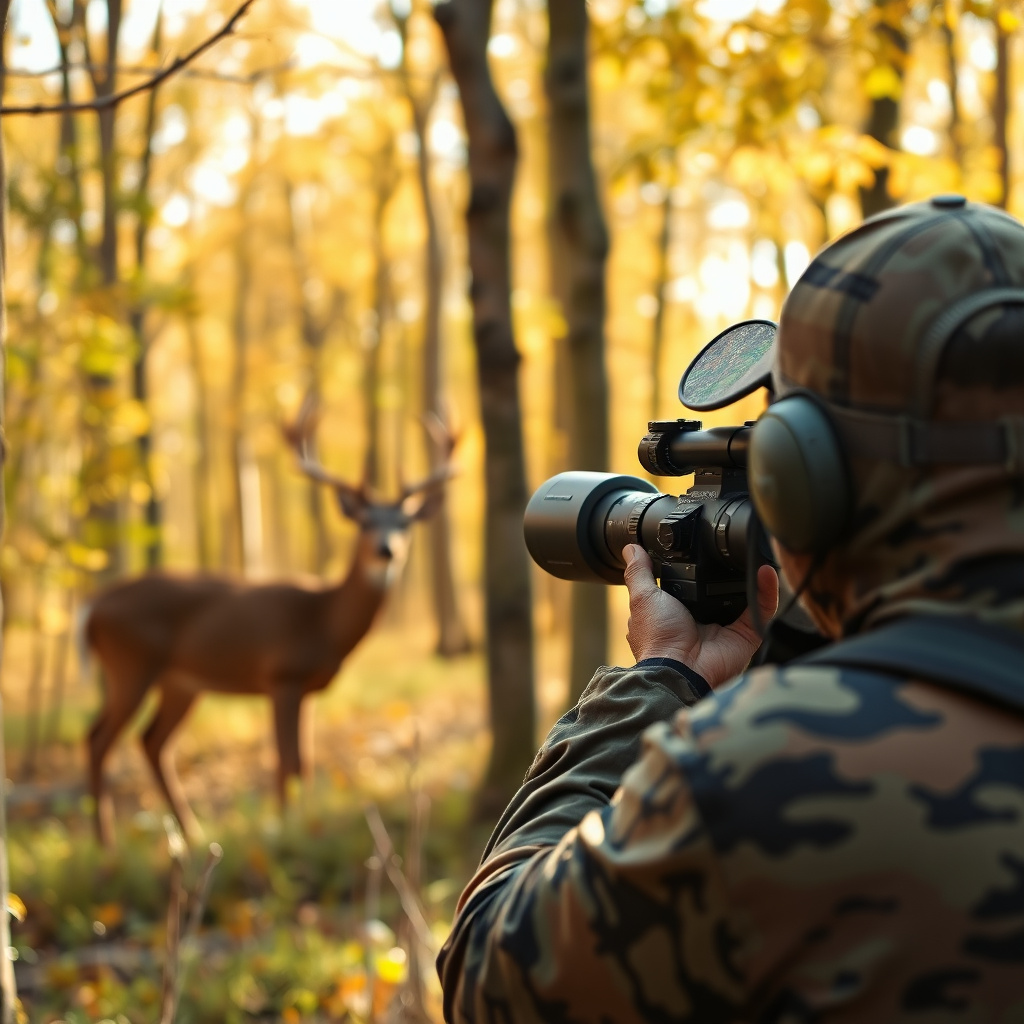
Thermal scopes detect heat signatures regardless of visual camouflage or dense foliage, which makes spotting animals hidden behind brush or grass easier than with optical scopes during the day.
This capability is especially useful in thick forests or tall grass, where animals blend visually but still emit heat that the thermal scope can reveal.
- Penetrates smoke and light fog
- Detects animals hiding behind leaves
- No reliance on ambient light
Maximizing Hunting Efficiency and Safety
Using a thermal scope during the day supports quicker target acquisition and more precise shot placement, potentially improving hunting success rates.
Additionally, it can enhance safety by allowing hunters to distinguish between animals and humans or livestock in challenging visibility, helping avoid accidents.
Limitations and Challenges of Daytime Thermal Scope Hunting

Reduced Contrast in Hot Environments
When the ground, rocks, and vegetation heat up significantly, the thermal scope finds fewer temperature differences to detect, causing animals to blend into the thermal background and making targeting less reliable.
This is common in sunny, open environments or midday hours when heat buildup peaks, reducing thermal scope effectiveness for daytime hunting.
For more on this, see our related guide: Who Invented Night Vision: The History Behind Night Vision Technology.
Distance and Resolution Constraints
Thermal scopes typically have lower resolution compared to optical scopes, which can challenge detailed animal identification at long range during the day when clearer visuals are needed.
Combined with reduced daytime contrast, these factors make pinpointing species or shot placement more difficult beyond moderate distances.
Key Features to Look for in Thermal Scopes for Day Hunting
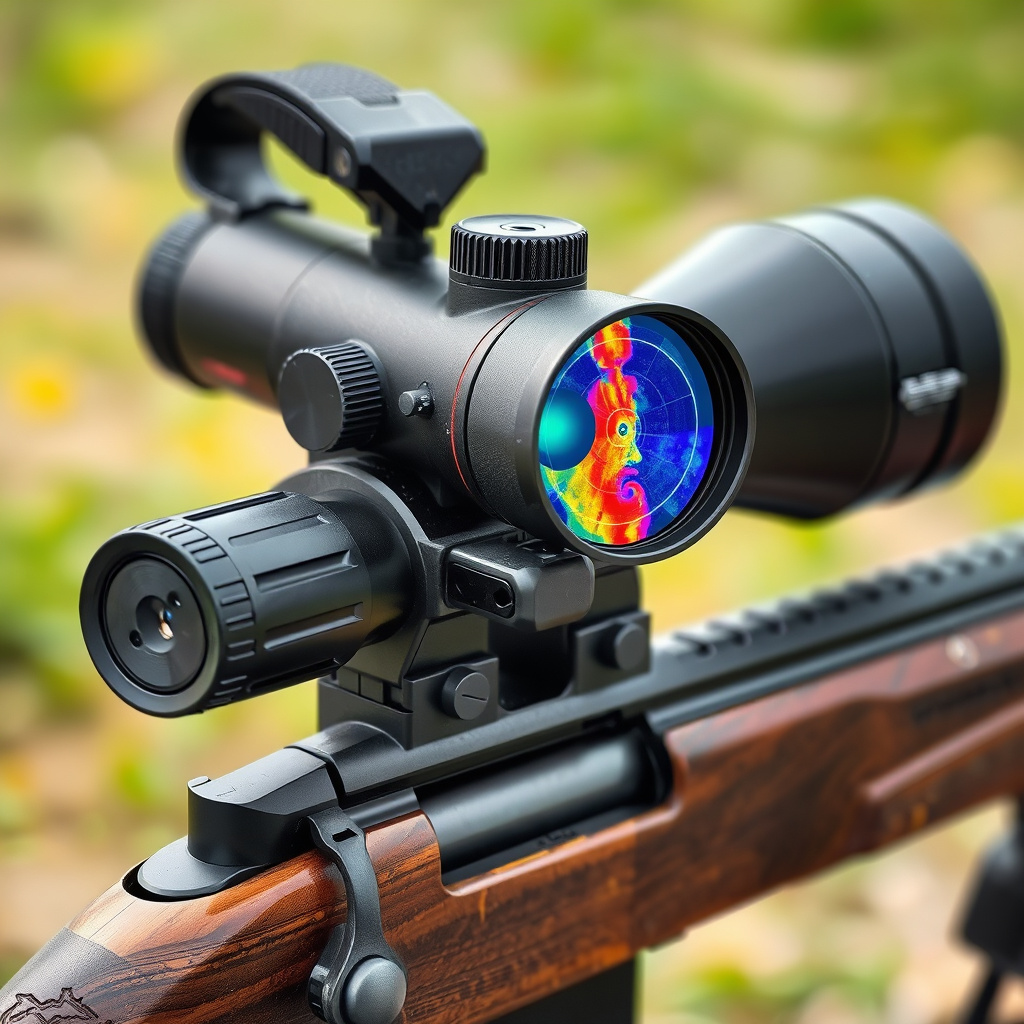
High Frame Rate and Refresh Rate
Thermal scopes with higher frame rates (30 Hz or more) provide smoother and clearer images, which is beneficial for tracking moving animals in daylight conditions where thermal contrast may vary.
Faster refresh rates reduce image lag that can otherwise impair quick reaction in dynamic hunting scenarios.
Enhanced Image Processing and Color Palettes
Advanced thermal scopes offer multiple color palettes and image processing options, allowing hunters to adjust the display for better target visibility depending on ambient conditions and temperature variances during the day.
These features can sharpen target details and improve differentiation from backgrounds.
- White hot
- Black hot
- Rainbow and ironbow options
Practical Thermal Scope Hunting Tips and Tricks for Daytime
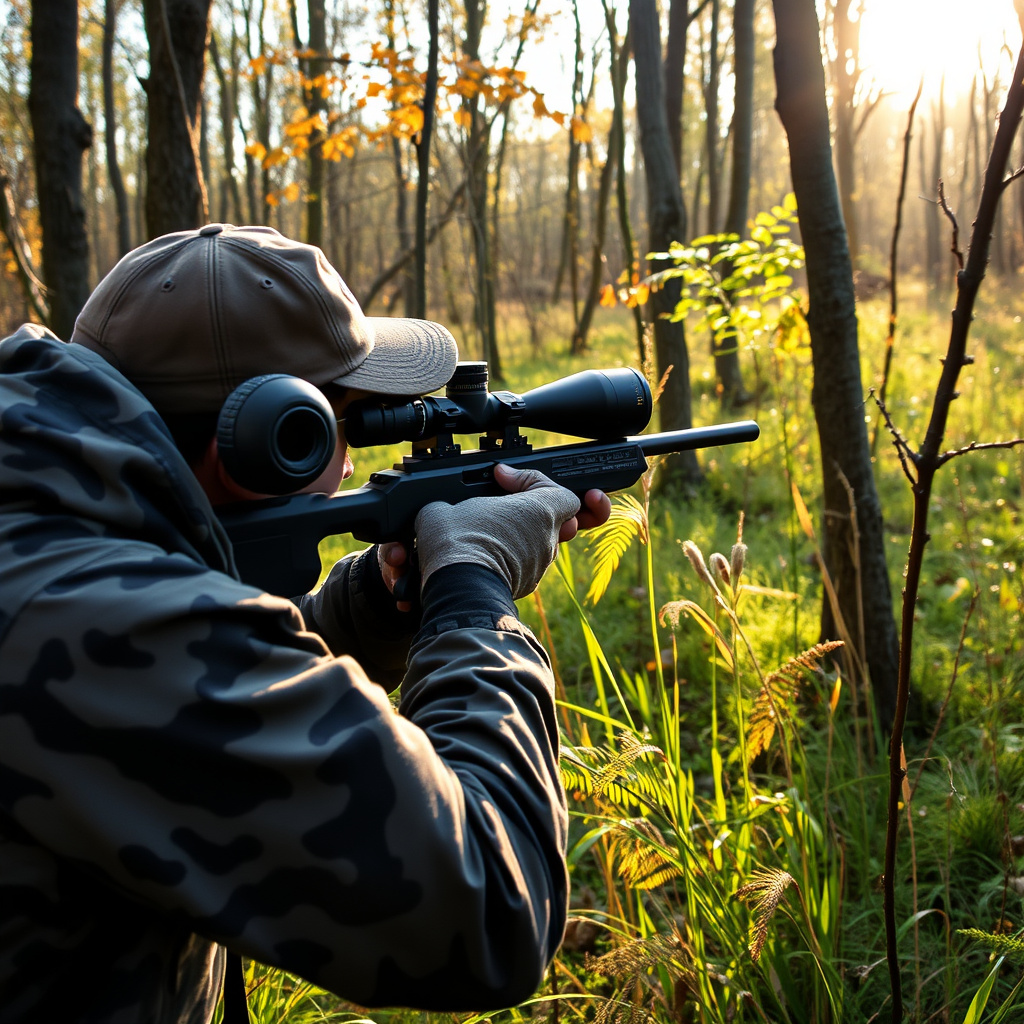
Using Thermal Scope Hunting Tips to Improve Daytime Performance
Adapting hunt times to early morning or late afternoon when temperatures are cooler can improve thermal image contrast and detection.
Combining thermal scopes with binoculars or rangefinders helps confirm animal identity for ethical shot choices.
- Hunt in shaded or cooler areas
- Calibrate scope sensitivity for daylight
- Practice identifying familiar heat signatures
For more on this, see our related guide: How to Choose the Best Thermal Scope for Accurate Target Detection.
Combining Thermal Scopes with Traditional Optics
Many hunters pair thermal scopes with traditional optics or use clip-on thermal imaging to shift between visible and thermal views depending on environmental needs during the day.
This hybrid approach balances thermal detection with optical clarity, especially for longer-range shots.
- Use flip-to-side mounts
- Carry both systems for flexible adjustments
Legal and Ethical Considerations of Using Thermal Scopes During Daylight
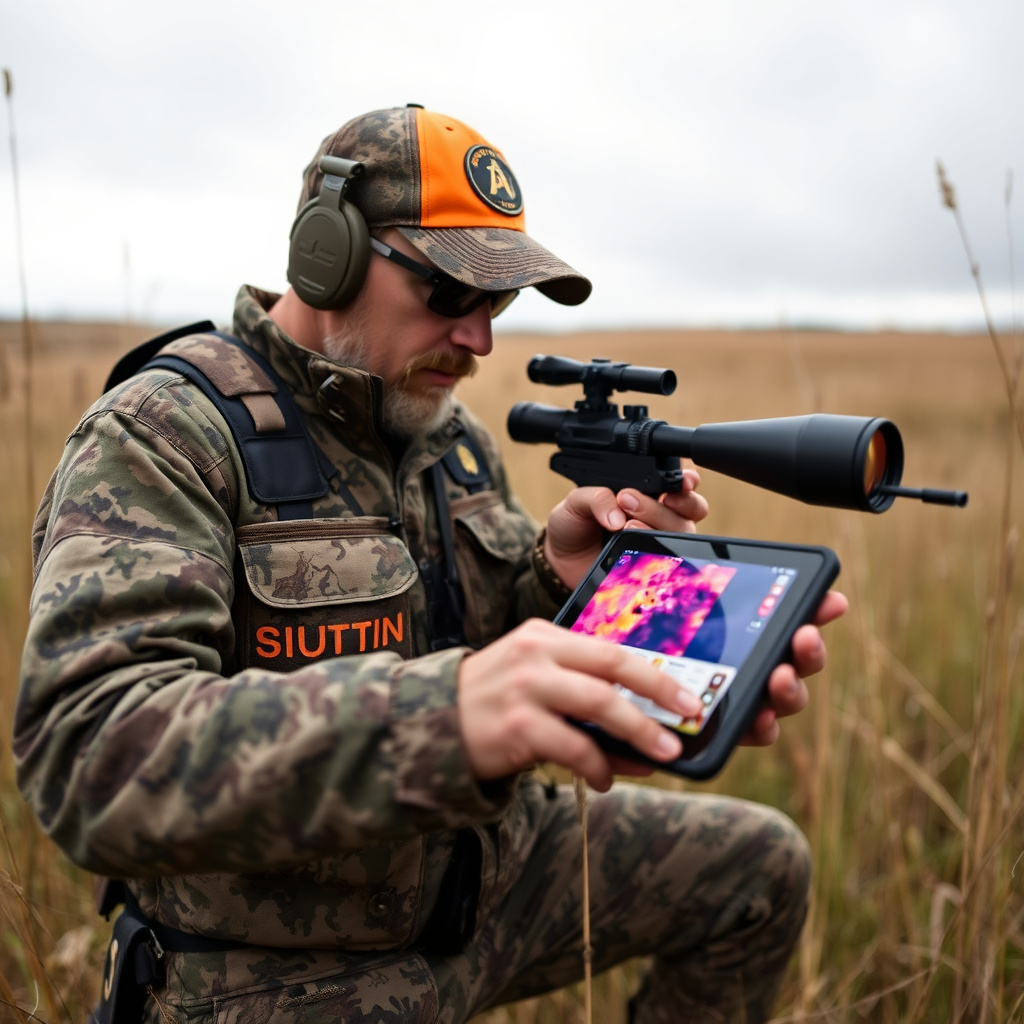
Hunting Laws Regarding Thermal Scope Use
In some regions, laws regulate or prohibit the use of thermal scopes for hunting due to concerns over fair chase and animal welfare.
Before using a thermal scope during daylight hunting, verifying local hunting regulations is essential to remain compliant and ethical.
To explore how thermal imaging works in greater technical detail, the Wikipedia article on thermal imaging offers a comprehensive overview. thermal imaging.
Balancing Technology with Ethical Hunting
Using thermal scopes responsibly means aiming for humane shots and avoiding overreliance on technology that might undermine traditional hunting principles.
Respect for wildlife and sustainable practices guide ethical decisions when incorporating thermal scopes in daylight hunting.
Thermal Scopes for Hunting Category Comparison
This table compares common thermal scope categories by key features relevant to daylight hunting to help you find the best fit.
| Category | Resolution | Detection Range (Day) | Frame Rate | Price Range |
|---|---|---|---|---|
| Entry-Level | 160×120 | 200-300 yards | 15-30 Hz | $500-$1000 |
| Mid-Range | 320×240 | 300-500 yards | 30-60 Hz | $1000-$2500 |
| Premium | 640×480 | 500-800 yards | 60+ Hz | $2500-$6000 |
| Clip-On Thermal | 320×240 | 300-400 yards | 30-60 Hz | $2000-$4000 |
| Handheld Thermal | 256×192 | 200-350 yards | 30 Hz | $700-$1500 |
Frequently Asked Questions
Can thermal scopes detect animals through sunlight?
Thermal scopes detect heat rather than light, so they work through sunlight but performance drops when sun-heated backgrounds reduce temperature contrast.
Are thermal scopes legal for daytime hunting?
Legality varies by state and country; checking local regulations before hunting with thermal scopes during the day is necessary.
Do thermal scopes replace traditional optics for daytime use?
Thermal scopes complement rather than replace optical scopes for daytime hunting due to resolution and contrast limitations but improve detection in specific conditions.
What animals are easiest to spot with thermal scopes during the day?
Warm-blooded animals like deer, hogs, and coyotes usually stand out well, especially in shaded or cooler areas.
How do I maintain a thermal scope for reliable daylight performance?
Regularly clean lenses, update firmware, calibrate sensors, and store scopes in a stable environment to keep optimal daytime functionality.
Key Takeaways
- Thermal scopes detect heat, making daytime hunting possible with some limitations.
- Environmental heat reduces contrast, impacting thermal scope performance during bright daylight.
- Higher-end thermal scopes provide better resolution and frame rates ideal for day use.
- Legal and ethical hunting practices are essential when using thermal scopes in the daytime.
Conclusion
Choosing to hunt with a thermal scope during the day involves understanding how heat detection works and what environmental factors influence its effectiveness. Thermal scopes provide a valuable advantage in spotting animals hidden in foliage or poor lighting, but daytime use demands balancing expectations due to sun-heated backgrounds diminishing image contrast. Evaluating scopes based on resolution, refresh rates, and image processing features helps refine your choice for daylight hunting.
If your hunting environment involves shaded forests or cooler mornings and evenings, mid-range or premium thermal scopes offer excellent detection ranges and smooth imagery that support ethical and successful hunts. Entry-level models may suffice for close-range detection but don’t expect outstanding clarity where temperature differences are minimal. Integrating thermal scopes with traditional optics can address limitations by combining heat detection with visible-light clarity under varied daytime conditions.
For hunters curious about thermal scope use during daylight, starting with local regulations research followed by hands-on trials in your usual hunting zones will reveal real-world performance. Adjust hunting times and locations for cooler ambient temperatures and consider thermal scopes as a complementary tool rather than a complete replacement. This practical approach ensures you benefit from thermal technology while maintaining respect for ethical hunting standards.