Do Dogs See in 3D? Understanding Canine Vision in Depth
Yes, dogs do see in 3D to a certain extent because they have binocular vision, allowing overlapping fields from both eyes to create a sense of depth. While they don't perceive 3D as sharply as humans, dogs can gauge distances and spatial relationships effectively.
This ability matters for activities such as hunting, fetching, and navigating environments safely. Dogs rely on their vision combined with other senses like smell and hearing to interpret the world, but binocular vision adds an important dimension to how they understand space.
This article explores how dog vision works including the role of binocular sight, how depth perception functions for dogs, comparisons to human 3D vision, and what influences their visual experience.
How Canine Vision Works
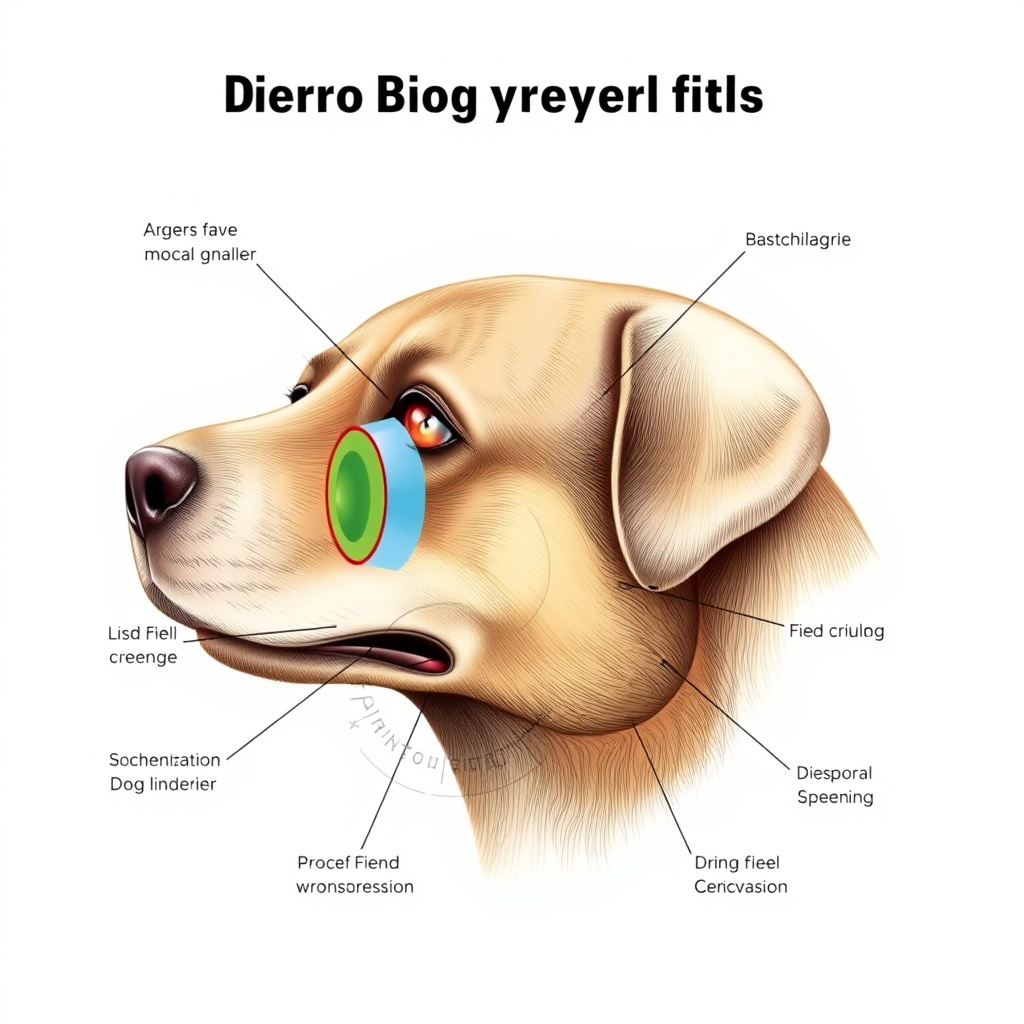
Anatomy of a Dog's Eyes
Dogs have eyes positioned more on the sides of their heads compared to humans. This placement gives them a wider field of view, about 240 degrees, but reduces the amount of overlap used in depth perception.
The retina in dogs contains more rod cells than cone cells, enhancing night vision but limiting color discrimination. This setup affects how sharply dogs see and their ability to perceive details at distance.
Field of View and Its Impact on Vision
Dogs' broad field of view means they can easily spot movement from the sides, a trait linked to their predator-prey ancestry. However, this also means less central overlap between their eyes compared to humans.
This overlap creates binocular vision necessary for perceiving depth; dogs have roughly 30 to 50 degrees of binocular overlap, smaller than humans’ approximate 120 degrees, influencing how they see in 3D.
Binocular Vision and Depth Perception in Dogs

What Is Binocular Vision?
Binocular vision occurs when both eyes focus on the same object, sending slightly different images to the brain to create depth perception. This 3D vision helps estimate distances more accurately.
Though dogs have narrower binocular vision fields, they nevertheless use this capability to judge jumping heights, locate prey, and navigate complex terrain.
How Dogs Use Depth Perception
Dogs rely on their somewhat limited binocular vision combined with motion and size cues to understand depth. They adjust their behavior accordingly, such as how far they throw a ball or jump over obstacles.
Their depth perception is less precise than that of humans, but efficient enough for their needs in both natural and domestic environments.
Comparison Between Canine and Human 3D Vision
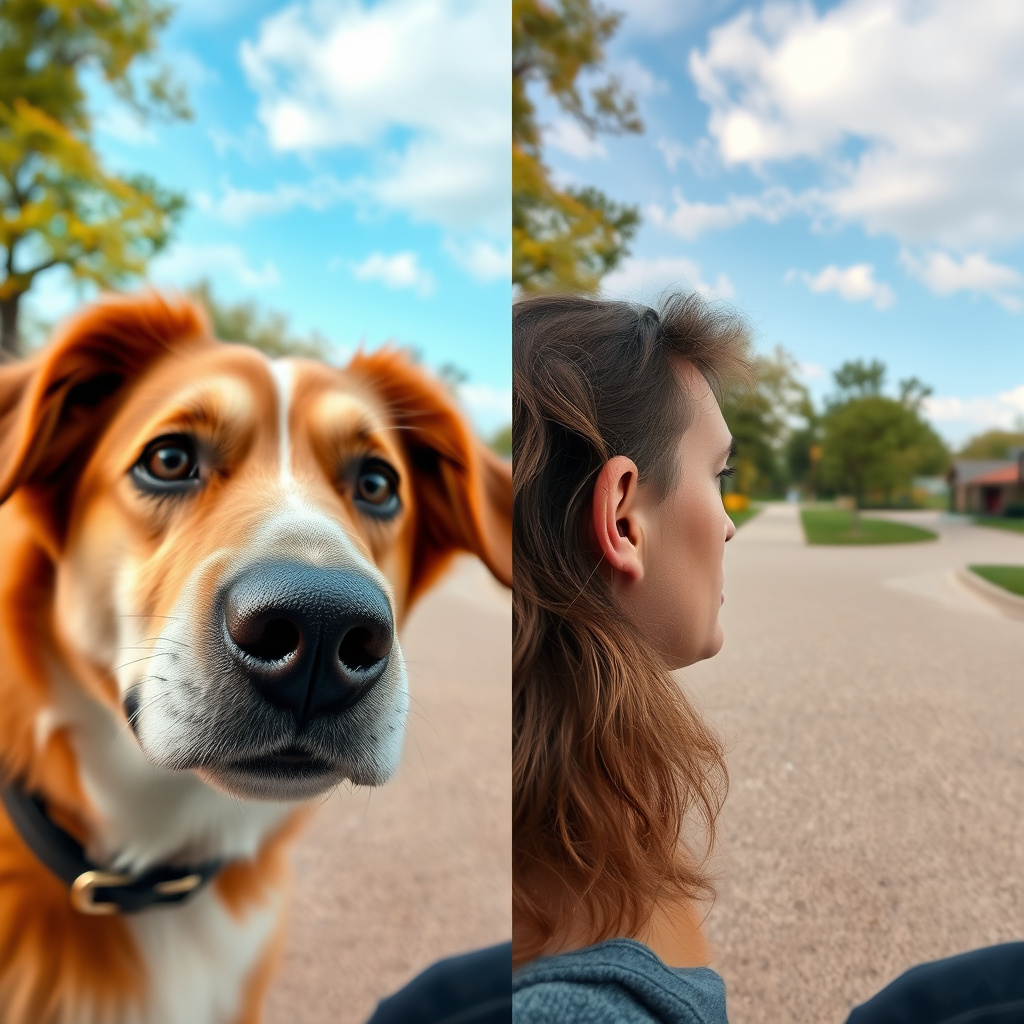
Visual Acuity and Color Perception
Humans generally have sharper visual acuity, seeing finer details due to a higher concentration of cone cells, which also provide rich color perception. Dogs have dichromatic vision, mainly detecting blues and yellows.
This difference means that while humans see vibrant 3D scenes, dogs perceive less detail and fewer colors but have improved movement detection and night vision.
For more on this, see our related guide: Do Humans Have Binocular Vision? Understanding How Our Eyes Work Together.
Depth Perception Variations
Human eyes face forward allowing about 120 degrees of binocular overlap for excellent stereoscopic 3D vision. Dogs’ eyes, set further apart, have a smaller overlap around 30 to 50 degrees.
Consequently, dogs’ 3D perception is less accurate over distances but supported by other senses such as smell and hearing that compensate for visual limitations.
Factors Affecting Dogs’ 3D Vision

Breed and Eye Position Influence
Eye placement varies between breeds: brachycephalic dogs (e.g., pugs) often have eyes that face more forward, potentially increasing binocular overlap and depth perception.
Breeds with wide-set eyes may have a broader overall view but less binocular overlap, which can reduce their 3D depth sensing but improve peripheral awareness.
Age and Health Conditions
As dogs age, their vision may decline due to cataracts or retinal diseases, impairing their ability to see in 3D. Regular veterinary checks can help manage such issues and maintain visual performance.
Certain eye diseases can affect depth perception and overall vision quality, which may alter how dogs interact with their surroundings.
Enhancing Canine Depth Perception
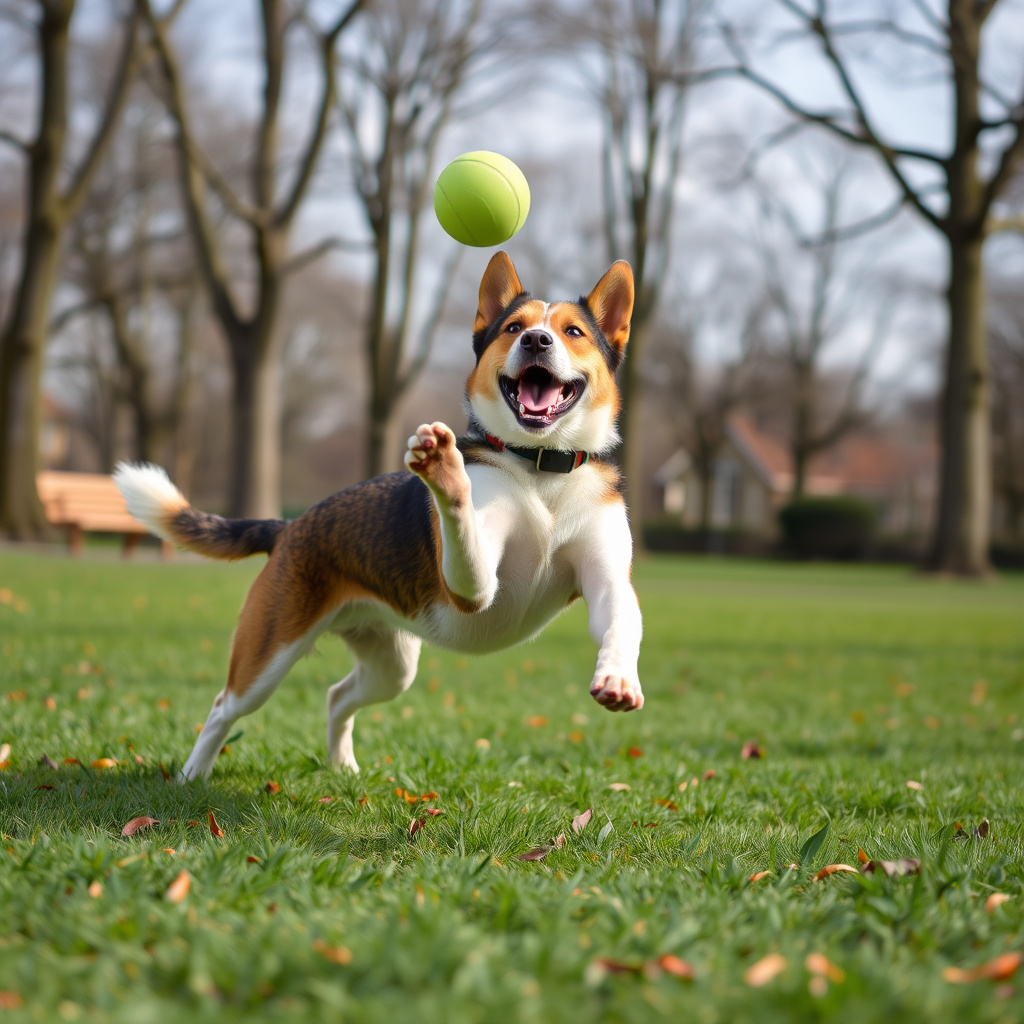
Training Exercises Beneficial for Vision
Engaging dogs in activities like fetch or interactive toys helps them refine their depth perception through repeated practice judging distance and speed.
Such exercises strengthen neural pathways related to vision and spatial awareness, supporting good visual health and coordination.
- Playing fetch varying distances
- Obstacle courses with jumps
- Tracking moving objects
Environmental and Lighting Conditions
Dogs see better in lower light due to higher rod cell density, so environments or times with dim lighting can boost their 3D depth cues compared to bright glare-filled settings.
Providing shaded, safe spaces with moderate light can help dogs use their vision comfortably for depth judgment and navigation.
Practical Implications of Dogs’ 3D Vision
Designing Safe Spaces for Dogs
Understanding dogs’ 3D vision limitations helps owners create home and yard layouts that minimize hazards like sharp drops or unclear steps, preventing accidents.
Clear visual markers and gentle changes in floor surface height aid dogs in navigating areas with depth challenges.
For a detailed overview of how binocular vision contributes to depth perception, see this Binocular vision in dogs explanation. Binocular vision in dogs explanation.
How Vision Affects Training and Behavior
Training techniques that incorporate visual cues must consider dogs' depth perception abilities, relying more on movement and size changes than fine detail.
Proper leash control and positive reinforcement improve response to visual commands, accommodating how dogs interpret space.
Canine Vision Categories Compared
This comparison outlines how different dog vision aspects vary based on breed type and eye orientation, impacting depth perception and field of view.
| Breed Type | Eye Placement | Field of View | Binocular Overlap | Depth Perception Strength |
|---|---|---|---|---|
| Brachycephalic | Forward-facing | 180-200° | 50-60° | Moderate to Strong |
| Mesaticephalic | Moderately side-placed | 220-240° | 30-40° | Moderate |
| Dolichocephalic | Lateral/side-placed | 250-270° | 20-30° | Lower |
| Mixed breeds | Varied | 210-250° | 30-50° | Moderate |
Frequently Asked Questions
Can dogs see 3D movies or images like humans?
Dogs cannot perceive 3D images or movies the way humans do because their binocular vision overlap and color perception differ significantly, making stereoscopic effects less noticeable or meaningful.
How does a dog's depth perception compare to a human's?
Dogs have less binocular overlap than humans, resulting in less precise depth perception, but they compensate by using movement cues and other senses, allowing effective spatial awareness.
Do all dogs have the same ability to see in 3D?
No, the ability varies by breed due to differences in eye placement and head shape. Dogs with more forward-facing eyes generally have better 3D depth perception.
Can poor vision affect a dog’s depth perception?
Yes, eye conditions such as cataracts or retinal diseases can reduce a dog's ability to perceive depth, making it harder for them to navigate spaces safely.
How important is canine depth perception for daily activities?
Depth perception is important for dogs to judge distances for jumping, catching objects, and moving safely in their environment, although they rely heavily on other senses as well.
Key Takeaways
- Dogs have limited but functional binocular vision enabling basic 3D depth perception.
- Breed and eye placement significantly influence a dog’s depth perception capabilities.
- Canine vision differs from humans in color and sharpness, affecting 3D perception quality.
- Training and environment adjustments can support dogs’ use of depth perception.
Conclusion
When considering if dogs see in 3D, it’s clear their vision offers a moderate level of depth perception through binocular overlap and motion detection, although it is not as refined as human stereoscopic vision. Their eyes’ positioning leads to a wider field of view but less binocular depth area. Combined with a high reliance on other senses like smell and hearing, dogs experience the world visually in ways adapted to their daily needs. Understanding this dimensional limitation helps dog owners appreciate how pets perceive space and move safely.
Different dog breeds exhibit varying degrees of 3D vision based on eye placement and head shape. Brachycephalic breeds with more forward-facing eyes tend to have stronger binocular overlap, enhancing their depth perception compared to dolichocephalic breeds with side-oriented eyes. For routine activities like catching toys, navigating steps, or avoiding obstacles, dogs use their moderate depth perception effectively. Owners of breeds with less binocular vision can compensate by creating well-lit, clutter-free spaces aiding spatial cues. Regular vision checks are also necessary to catch conditions that may impair depth sensing.
If you want to support your dog’s vision, consider games that encourage them to judge distances, such as fetch or agility exercises, and maintain a safe environment with clear pathways. Recognizing that dogs’ 3D vision is functional but different from ours lets you tailor training and care to their sensory strengths. For more detailed understanding of canine eyes and vision mechanics, consulting credible veterinary resources and observation will guide you in fostering your dog's visual health.