Does Every State Have a Bureau of Investigation? Your Guide to State-Level Criminal Agencies
No, not every state in the U.S. has a law enforcement agency formally named a 'Bureau of Investigation,' though most have some form of statewide investigative agency. While states like California and Colorado operate their own 'Bureau of Investigation,' others use different structures, such as divisions within the State Police or Department of Public Safety. It's essential to recognize that the presence, naming, and functions of these agencies can vary significantly from one state to another.
Understanding the diversity in state investigative agencies is crucial if you’re interested in law enforcement careers, crime reporting, or simply want to know which organization investigates crimes in your state. These differences can impact how crimes are investigated, prosecuted, and even communicated to the public. In some states, local police may handle major crimes, while in others, the state agency takes over.
This article will clarify which states have a Bureau of Investigation, highlight alternative state-level investigative agency names, compare their responsibilities, and explain why such roles vary. We’ll also provide a state-by-state overview, answer frequent questions, and help you understand the landscape of state criminal investigative services.
State Bureaus of Investigation: Where They Exist
States with Official Bureaus of Investigation
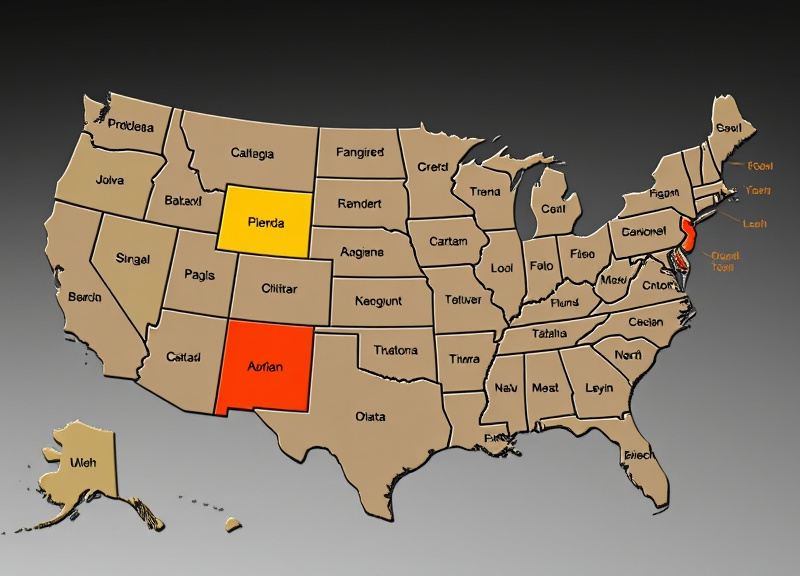
Several states operate a dedicated Bureau of Investigation, typically serving as their top criminal investigative agency. States like California (California Bureau of Investigation), Colorado (Colorado Bureau of Investigation), and Georgia (Georgia Bureau of Investigation) are notable examples. These bureaus often work on major crimes, forensics, and special operations.
Their responsibilities might include supporting local law enforcement with complex cases, managing state-level forensic labs, or tackling multi-jurisdictional crimes. The structure and staffing levels can differ, reflecting state priorities and available resources.
- California Bureau of Investigation
- Colorado Bureau of Investigation
- Georgia Bureau of Investigation
- Tennessee Bureau of Investigation
- Oklahoma State Bureau of Investigation
States Without a Formal Bureau of Investigation

Other states lack an agency officially named 'Bureau of Investigation.' Instead, statewide investigative duties may fall under State Police, Departments of Public Safety, or specialized divisions. For example, New York relies on the State Police Bureau of Criminal Investigation, while Texas has the Texas Rangers as its leading investigative arm.
These agencies perform comparable functions, but their organizational alignment can mean differences in operational style, budget, and jurisdiction. The absence of a state investigative agency with this exact name does not mean a lack of investigative resources.
- New York State Police Bureau of Criminal Investigation
- Texas Rangers (Division of Texas Department of Public Safety)
- Florida Department of Law Enforcement (Investigations)
Naming and Structure Variations Among State Investigative Agencies
Different Names for Similar Roles
State investigative agencies adopt a variety of titles, such as Division of Criminal Investigation, Bureau of Criminal Investigation, or Department of Law Enforcement. Despite the naming differences, their primary missions often overlap—providing specialized investigative support and managing statewide criminal justice services.
This naming variation can sometimes cause confusion, especially for those moving between states or researching law enforcement structures. However, in practice, most states maintain an agency functioning as the primary investigative body, even if its title doesn’t include 'Bureau of Investigation.'
- Division of Criminal Investigation
- Department of Law Enforcement
- State Police Criminal Investigation Division
Organizational Structures Explained
State-level investigative agencies may be standalone bureaus, divisions within state police, or part of broader public safety departments. Standalone bureaus usually report directly to the governor or attorney general, ensuring a high degree of independence. In contrast, divisions within state police integrate more closely with regular patrol units.
These structural differences can affect both the agency’s autonomy and its interaction with local law enforcement. Understanding this helps explain why state investigative efforts can vary widely from state to state.
Key Functions of State Investigative Agencies
Criminal Case Investigations
The core function of these agencies is to investigate serious crimes that transcend local jurisdictions. This often includes homicide, organized crime, large-scale drug cases, cybercrime, and public corruption. State agencies step in where local resources or expertise are not sufficient.
They may also handle cases at the request of local police departments, assist with complex investigations, and work closely with federal agencies when crimes cross state lines.
- Murder and serious violent crime
- Major fraud investigations
- Cold case units
- Organized crime
For more on this, see our related guide: How Can I Tell If I Have a Criminal Record? A Clear Step-by-Step Guide.
Forensics and Evidence Processing
Most state investigative agencies operate forensic laboratories that support criminal investigations statewide. Services include DNA testing, ballistics analysis, toxicology, and digital forensics. Accurate and timely forensic work is critical for prosecuting serious offenses effectively.
These labs are also responsible for maintaining evidence integrity, providing expert witness testimony, and keeping up with technological advances in criminal science.
- DNA analysis
- Ballistics examination
- Drug chemistry and toxicology
- Digital forensics
Coordination with Local and Federal Agencies
Supporting Local Law Enforcement
State investigative agencies often serve as primary resources for smaller local departments lacking specialized units. They provide technological support, training, and direct assistance in large or unusual cases. This collaborative approach ensures even rural areas have access to expert investigative services.
In emergencies, state agencies can lead multi-jurisdictional task forces, ensuring efficient and unified responses to high-impact crimes.
- Technical expertise
- Task force leadership
- Investigation funding support
Working with Federal Partners
State investigative agencies partner closely with the FBI, DEA, ATF, and Homeland Security. These partnerships are essential for tackling crimes that involve interstate or international operations—ranging from terrorism to major drug trafficking.
Local and federal cooperation maximizes resources, streamlines investigations, and facilitates access to specialized databases and training.
Public Accessibility and Transparency
How the Public Can Interact with Agencies
Most state investigative agencies provide hotlines, online portals, or reporting centers for citizens to report crimes, suspicious activities, or police misconduct. This level of accessibility encourages vigilance and public trust in the agency.
Some agencies also conduct outreach programs, participate in community forums, and publish regular public reports highlighting their efforts and achievements.
- Crime reporting hotlines
- Online case status checks
- Public information officers
For more on this, see our related guide: How to Know If You’re Under Federal Investigation: Signs, Process, and What to Do.
Transparency and Oversight Mechanisms
Transparency measures vary greatly among state investigative agencies. Many post annual reports, case statistics, and audit findings online. Others have civilian review boards or operate under close legislative scrutiny, providing checks on investigative power.
Accountability and transparency improve community relations and ensure law enforcement actions remain within legal and ethical standards.
Choosing a Career in State Investigative Agencies
Education and Requirements
Most state-level investigative agencies seek applicants with backgrounds in criminal justice, forensics, or law enforcement. Requirements commonly include a bachelor's degree, professional training, and successful completion of rigorous background checks and polygraph tests.
Specialized roles, such as crime lab analysts or digital forensic experts, often require additional technical certifications and advanced degrees.
- Bachelor’s degree or higher
- Law enforcement academy graduation
- Extensive background screening
For a deeper dive into the names, functions, and differences among state investigative agencies, consult this comprehensive State Bureaus of Investigation overview. State Bureaus of Investigation overview.
Career Progression and Opportunities
Starting often as field investigators or evidence technicians, employees have opportunities to rise through the ranks to supervisory, forensic, or administrative positions. Many state investigative agencies also offer lateral transfers from other law enforcement backgrounds.
Job satisfaction comes from both public service and the opportunity to work on high-profile or complex cases.
- Field investigator
- Forensic technician
- Field supervisor
- Specialized task force member
State Investigative Agency Comparison Table
The table below compares several prominent state investigative agencies, highlighting their official names, primary functions, and whether they operate their own forensic labs.
| State | Agency Name | Primary Function | Forensic Lab? |
|---|---|---|---|
| California | California Bureau of Investigation | Serious crimes, forensics, special ops | Yes |
| Georgia | Georgia Bureau of Investigation | Major crime investigations, forensic services | Yes |
| Texas | Texas Rangers (DPS) | Statewide investigations, public corruption | No (separate DPS labs) |
| New York | State Police BCI | Criminal investigations, support to locals | Yes |
| Florida | Department of Law Enforcement | Investigations, intelligence, forensics | Yes |
| Colorado | Colorado Bureau of Investigation | Crime scene response, forensics | Yes |
Frequently Asked Questions
Which states do not have a Bureau of Investigation?
States like Texas, New York, and Florida do not have agencies officially named 'Bureau of Investigation.' Instead, their investigative roles are handled by divisions within state police or public safety departments.
What is the main difference between state investigative agencies?
Differences generally come down to agency names, structures, and jurisdictional scope. Some states have standalone bureaus, while others operate investigative divisions within broader organizations like State Police or Public Safety departments.
Can citizens contact state investigative agencies directly?
Yes, most state investigative agencies provide avenues for citizens to report crimes or suspicious activity directly through hotlines, online portals, or public information officers, supporting both transparency and public safety initiatives.
How do state investigative agencies interact with the FBI?
State agencies often cooperate closely with the FBI, particularly in cases involving large-scale, cross-jurisdictional crime. They may form joint task forces, share intelligence, and coordinate investigative resources for better effectiveness.
Are all state investigative agencies focused only on criminal cases?
While criminal investigations are their core focus, many state investigative agencies also handle forensic analysis, cybercrime, missing persons, or provide administrative support for law enforcement across the state.
Key Takeaways
- Not every state has an agency called a Bureau of Investigation.
- Most states do have a main investigative agency, though naming and structure vary.
- State investigative agencies play a pivotal role in supporting and supplementing local law enforcement.
- Transparency and public accessibility differ by agency and are crucial for public trust.
Conclusion
Choosing the right source of information about state-level investigative agencies means understanding variations in names, organizational structures, and jurisdiction. The presence—or absence—of a state Bureau of Investigation does not necessarily indicate lessened investigative capability; rather, it reflects historical and legislative preferences in each state. The most important takeaway is that, regardless of name, all states aim to provide robust investigative support for complex or statewide criminal cases.
For example, if you live in California or Georgia, you'll find a Bureau of Investigation at the apex of state investigative work, often featuring dedicated crime labs and special operations units. In Texas, the Texas Rangers serve a similar purpose, while Florida’s Department of Law Enforcement includes a major investigations division as part of its broader function. Knowing these differences can be crucial for anyone considering a career in law enforcement, reporting a crime, or researching state-level criminal justice.
Ultimately, your next step should be to explore your state's official law enforcement or criminal justice agency websites to learn exactly which organization handles investigative work where you live, and how you can contact them if needed. By understanding the landscape, you’ll be better equipped to engage with your state investigative agencies and make informed decisions whether as a citizen, victim, or aspiring professional.