Why Do We Have Two Eyes? Exploring the Purpose of Human Binocular Vision
Humans have two eyes primarily to provide depth perception and a wider field of view. Having two eyes positioned slightly apart allows the brain to merge two slightly different images into one, creating a sense of three-dimensional space. This setup makes it easier to judge distances and navigate the environment safely.
This binocular vision is an evolutionary adaptation that improves survival by assisting in tasks requiring precise spatial awareness such as catching, hunting, and avoiding obstacles. It also enhances the overall visual field, giving a better peripheral view than a single eye could provide.
In this article, we will explore the biological reasons behind having two eyes, how binocular vision functions, and the advantages it offers. We will also compare different vision configurations in animals, discuss common eye disorders related to binocular vision, and consider what happens when this system is compromised.
How Binocular Vision Works
Position and Alignment of the Eyes
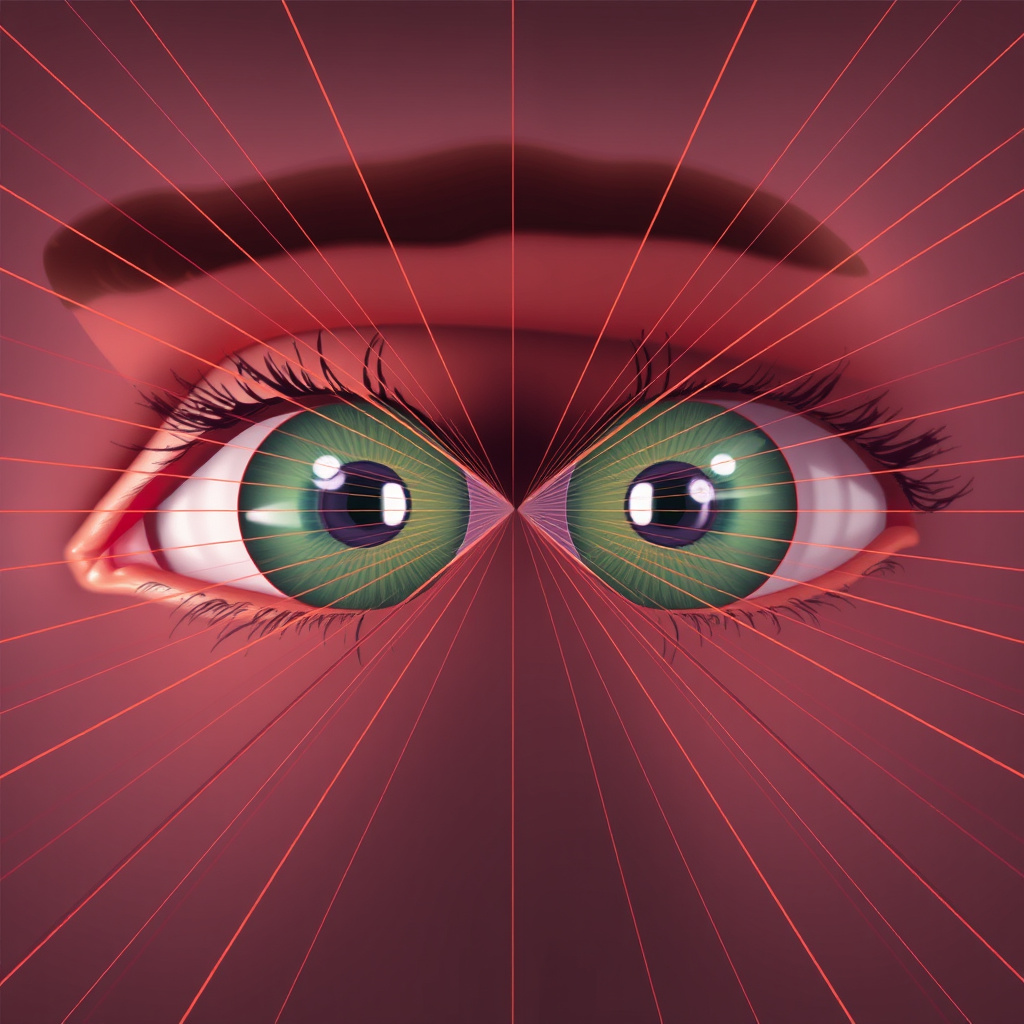
The human eyes are positioned about 6 centimeters apart on the face, allowing each eye to capture a slightly different image. This lateral separation causes disparities between the two images, which the brain processes to perceive depth.
Proper alignment is critical; if the eyes are misaligned, a condition called strabismus, the brain may struggle to merge images effectively, resulting in double vision or poor depth perception.
Brain's Role in Merging Visual Inputs
Once the eyes capture images, the brain’s visual cortex integrates them to form a cohesive scene. It compares the two images’ differences to calculate relative distances, enabling three-dimensional perception.
This process, known as stereopsis, is unique to organisms with binocular vision and provides the advantage of recognizing spatial relationships in the environment quickly and accurately.
Benefits of Having Two Eyes

Enhanced Depth Perception
Two eyes allow humans to judge how far away objects are, making interactions in three-dimensional space more accurate. This is invaluable for activities like driving, sports, and even simple tasks like pouring liquids.
Depth perception reduces accidents and errors in motor skills by providing precise information on an object’s location relative to the observer.
For more on this, see our related guide: Do Humans Have Binocular Vision? Understanding How Our Eyes Work Together.
Expanded Field of View
Having two eyes increases the horizontal field of view to about 180 degrees compared to roughly 120 degrees with one eye. This wider perspective helps detect movement and potential threats from peripheral areas.
The overlap area, about 120 degrees, provides binocular vision while the peripheral non-overlapping areas are processed monocularly, combining safety with detailed depth analysis.
Comparison with Single-Eyed and Multi-Eyed Animals

Monocular Vision in Prey Animals
Many prey animals have eyes on the sides of their heads, giving them a broad field of vision but poor depth perception. This setup helps detect predators but limits the ability to judge distances accurately.
For example, rabbits’ eyes cover almost 360 degrees, enabling them to spot threats from almost every direction but relying heavily on motion rather than depth cues for survival.
Multiple Eyes in Arthropods
Some insects and arachnids have several eyes specialized for different tasks, like detecting light intensity or motion. However, they usually lack strong binocular vision as their eyes typically do not overlap much in visual field.
Their vision serves different evolutionary needs, emphasizing motion detection and wide-angle views over precise depth perception.
Common Eye Conditions Affecting Binocular Vision
Strabismus and Its Effects
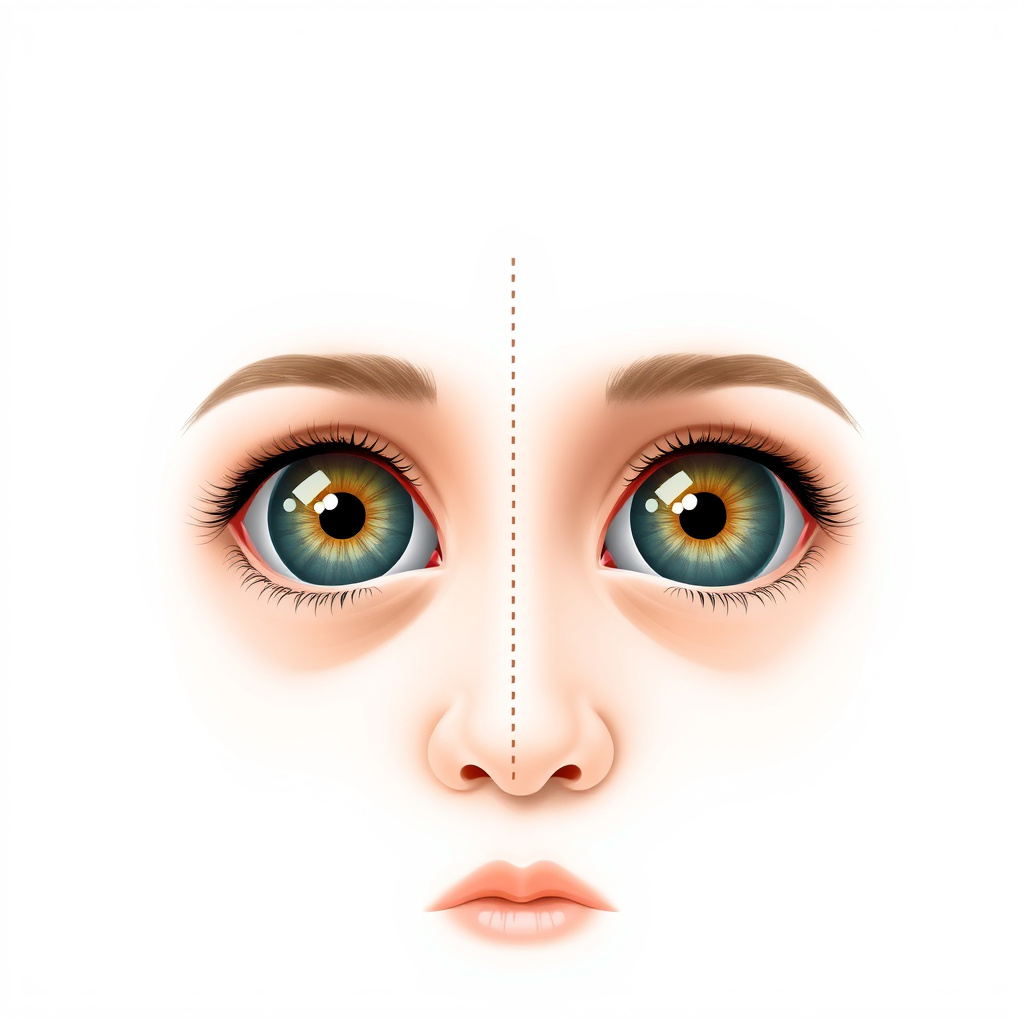
Strabismus occurs when one or both eyes turn inward, outward, upward, or downward, disrupting the binocular visual alignment necessary for proper depth perception.
If untreated during childhood, it can lead to amblyopia or 'lazy eye,' where the brain favors one eye, impairing binocular vision and reducing overall visual acuity.
For more on this, see our related guide: Why Are Nods Green? Exploring the Reasons Behind Their Distinct Color.
Amblyopia and Vision Suppression
Amblyopia results from the brain ignoring input from one eye due to poor alignment or visual defects. This suppression diminishes the advantages of two-eyed vision, including depth cues.
Treatment involves therapies such as patching the stronger eye to encourage usage of the weaker eye, aiming to restore binocular integration and improve stereopsis.
Technological Applications Inspired by Human Binocular Vision
Virtual Reality and Depth Simulation
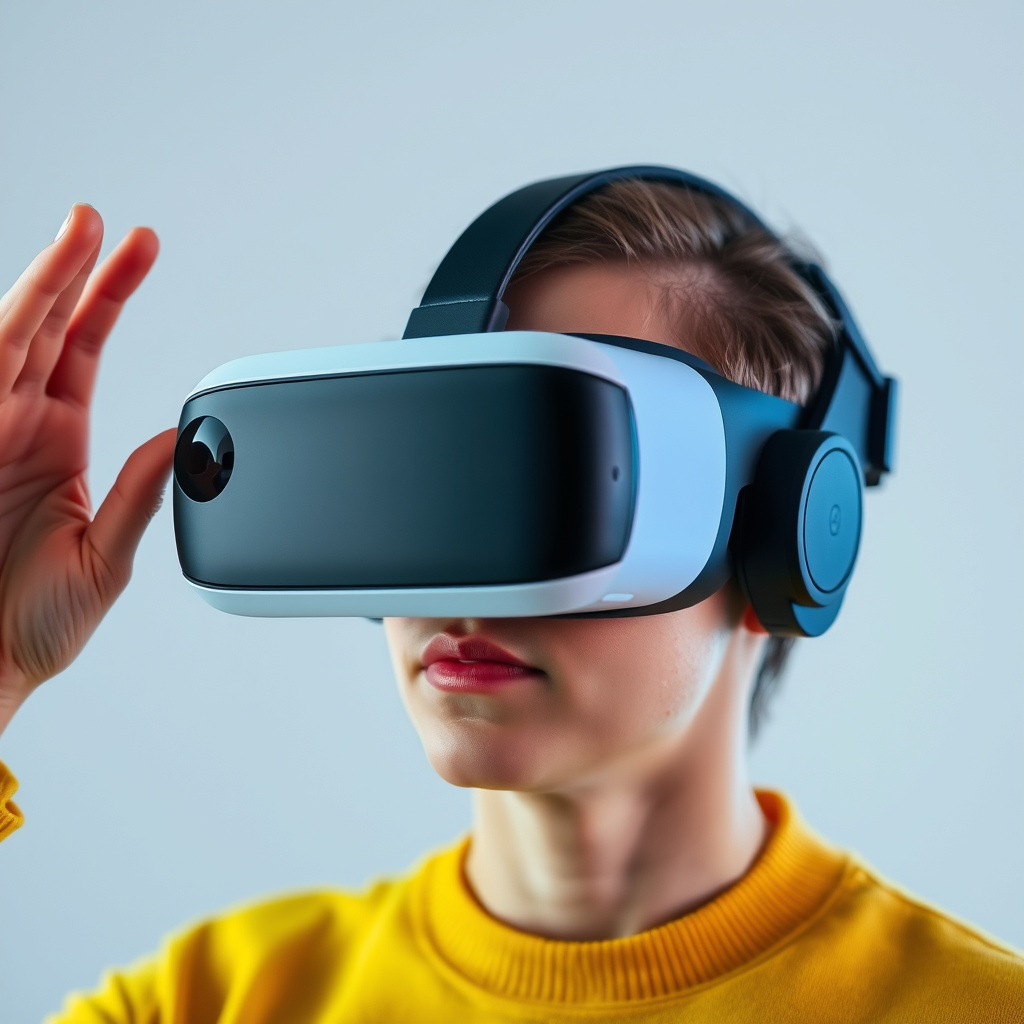
VR headsets mimic binocular vision by delivering separate images for each eye, creating immersive 3D experiences that rely on stereopsis principles.
Accurate depth cues provided by binocular displays improve realism and user interaction within virtual environments.
For a detailed explanation of how binocular vision functions in humans and animals, visit the binocular vision Wikipedia page. binocular vision.
Robotic and Automotive Depth Sensors
Robots and self-driving cars use pairs of cameras to simulate binocular vision, allowing machines to perceive depth and distance for navigation and object recognition.
This technology enhances safety and efficiency in complex environments by replicating human binocular vision advantages.
Types of Vision Compared: Binocular vs. Monocular vs. Multiple Eyes
This table compares key vision types found in animals, highlighting differences in field of view, depth perception, and evolutionary roles.
| Vision Type | Field of View | Depth Perception Quality | Typical Species | Primary Advantage |
|---|---|---|---|---|
| Binocular | 120° overlap | High | Humans, Primates, Predators | Accurate depth perception and focused vision |
| Monocular | Up to 360° | Low | Rabbits, Horses | Wide field to detect threats from many angles |
| Multiple Eyes | Varies widely | Variable, often low | Spiders, Insects | Specialized detection of motion and light |
| Compound Eyes | Nearly 360° | Limited | Insects like flies | Wide-angle and rapid motion detection |
Frequently Asked Questions
Can humans function normally with one eye?
Yes, humans can adapt to monocular vision, but depth perception and peripheral awareness are reduced. Tasks requiring precise distance judgment become more challenging.
Why don’t all animals have binocular vision?
Different species evolved vision suited to their environments and survival needs. Many prey animals benefit more from a wide field of view than from depth perception.
How do glasses or contacts affect binocular vision?
Proper corrective lenses can support binocular vision by ensuring both eyes have clear, aligned images, improving depth perception and overall visual performance.
What causes strabismus in children?
Strabismus can be caused by muscle imbalances, nerve abnormalities, or farsightedness. Early detection and treatment are essential to preserve binocular vision.
Is binocular vision unique to humans?
No, many animals including primates, birds of prey, and predators have binocular vision, which is advantageous for hunting and navigating complex environments.
Key Takeaways
- Two eyes provide overlapping images for depth perception and better spatial awareness.
- Binocular vision increases the field of view and enhances safety in daily tasks.
- Eye alignment is critical to maintaining effective binocular vision.
- Various animal species have vision adapted to their ecological roles.
Conclusion
Deciding why humans have two eyes is tied to understanding how binocular vision supports essential functions like depth perception and spatial navigation. The small horizontal distance between the eyes creates slightly different images, which the brain fuses into a three-dimensional view. This mechanism is vital for tasks ranging from simple movement to complex problem-solving in dynamic environments. While the main goal is providing precise depth cues, the dual-eye setup also expands peripheral vision, contributing to a safer interaction with the surroundings.
The advantages of two-eyed vision manifest most evidently among predators and primates, where accurate distance judgment can be the difference between catching prey or falling victim. Animals relying solely on monocular vision often trade off depth perception in favor of a broader field. Understanding conditions like strabismus highlights how integral proper eye alignment is for maintaining binocular advantages. Meanwhile, technologies such as virtual reality and robotic sensors emulate this system to enhance artificial spatial perception, showing the broad influence of human binocular vision principles beyond biology.
If you suspect problems with depth perception or notice eye alignment issues, consulting an eye care professional can help preserve or restore binocular function. For those interested in the science of vision, exploring binocular vision advantages provides insight into one of the most important sensory systems we depend on daily. Whether through simple observation or advanced technological applications, the role of two eyes remains a fascinating demonstration of form meeting function in evolutionary design.

One Comment