Are Night Vision Goggles Legal? What You Need to Know Before Buying
Night vision goggles are generally legal for civilian ownership in most states and countries, but their use is often subject to specific laws and restrictions. Legality depends on where you live, the purpose for which you use them, and sometimes the technology’s generation level.
Understanding the legal framework for night vision goggles is important because misuse or possession in certain restricted areas can lead to fines or confiscation. Military-grade devices and newer generation night vision tech may face tighter controls compared to basic or older models.
This article will explore the differences between legal and illegal uses, review regulations across various jurisdictions, highlight any permits or licenses required, and discuss how restrictions impact users from hunters to security personnel, ensuring you know what to expect before purchasing or using night vision goggles.
Legal Status of Night Vision Goggles in Different Regions
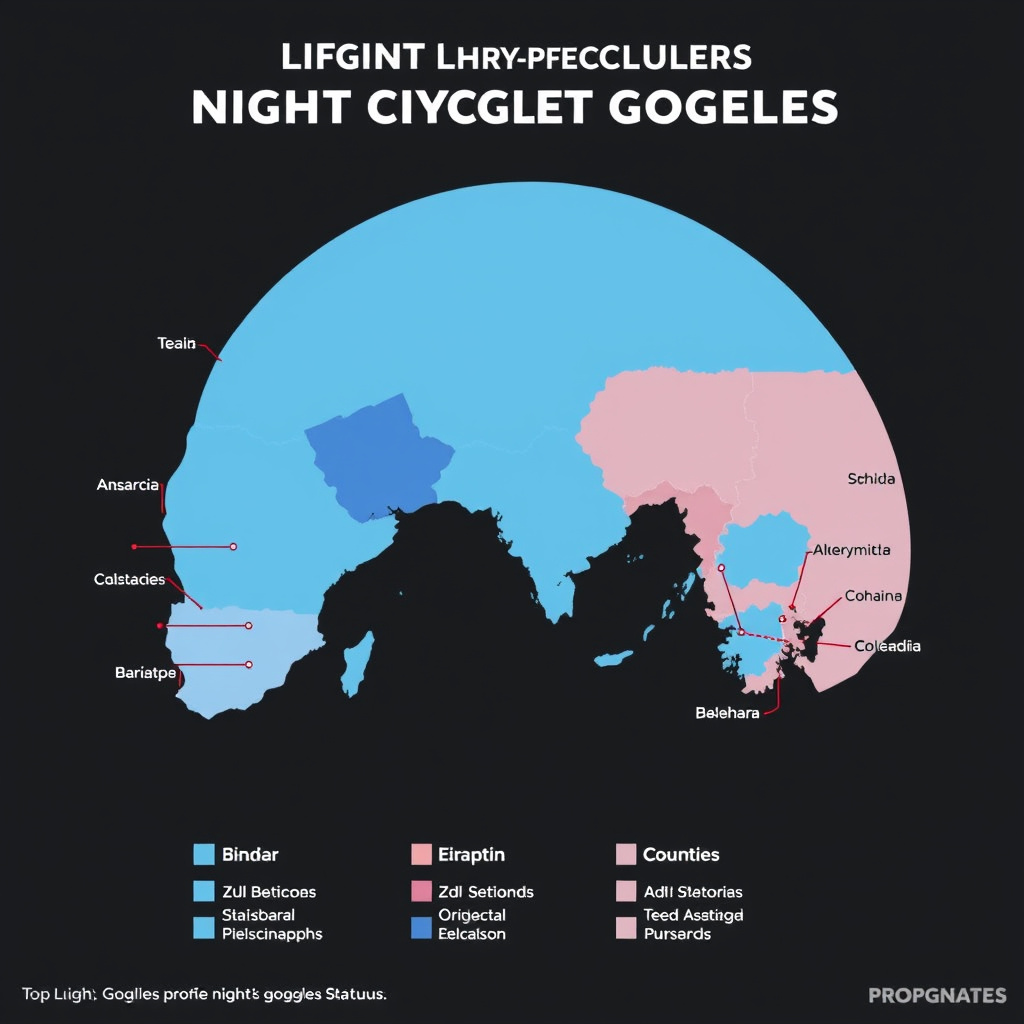
United States Regulations
In the U.S., civilian ownership of night vision goggles is largely legal except for specific restrictions related to certain equipment used by the military. Some states have additional rules, such as prohibiting their use for hunting or driving, and the import of certain devices is controlled by the Department of Commerce.
The technology’s generation influences legality: Gen 1 devices are commonly available with few restrictions, while Gen 3 and above may require special export licenses. Knowing your state laws is essential since hunting with night vision varies widely and some states ban it altogether.
- Gen 1 devices are generally unrestricted
- Gen 3 devices may need export licenses
- State laws vary on hunting use
- Import/export rules apply federally
International Legal Restrictions
Many countries regulate night vision devices rigorously, considering them military hardware or dual-use technology. Countries such as the UK, Australia, and Canada restrict possession or require specific permits for civilians, limiting nighttime hunting or tactical use.
In some regions, possessing advanced night vision equipment without authorization can lead to confiscation or legal penalties. Always checking with local authorities and customs is necessary before traveling with or buying night vision goggles internationally.
- Some nations treat devices as military tech
- Permits often required for hunting or tactical use
- Unauthorized possession can incur penalties
- Check customs laws before international travel
Common Legal Uses of Night Vision Goggles
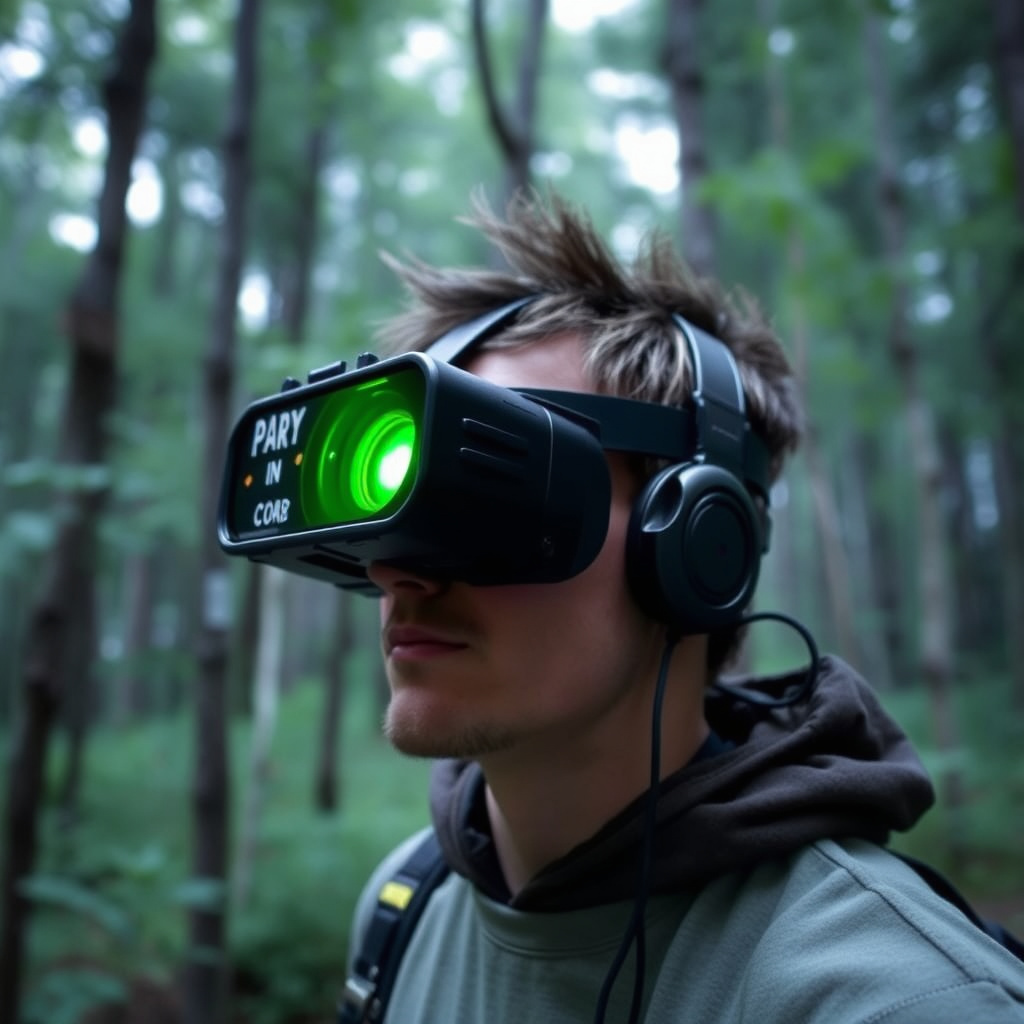
Hunting and Wildlife Observation
In jurisdictions where legal, night vision goggles are popular among hunters and wildlife observers to see animals in low-light conditions without artificial lighting. However, some regions prohibit their use to maintain fair chase standards or for safety concerns.
Proper adherence to hunting laws is critical when using night vision devices. Approval may be required for nighttime hunting or simply to own the goggles depending on the species and local regulations.
- Used for spotting game at night
- Legal only in certain states/countries
- May require specific permits
- Banned for hunting in some areas
Security and Surveillance Applications
Security personnel, law enforcement, and private investigators often use night vision goggles to monitor premises in low-light environments. Generally, this usage is legal when conducted on authorized property and with respect for privacy laws.
Users must avoid unlawfully surveilling private property or individuals where privacy is expected. Night vision devices help enhance security but must be used undercover legal frameworks and ethical guidelines.
- Enhances nighttime security monitoring
- Legal on authorized properties
- Must respect privacy regulations
- Common for law enforcement use
Restrictions and Prohibited Uses

Driving Restrictions with Night Vision Goggles
Many countries restrict or outright ban the use of night vision goggles while driving because of safety concerns and potential visual distortion. The limited field of view or overlay effects may impair driver judgment leading to accidents.
Even states that allow ownership often explicitly prohibit night vision devices mounted or worn while operating motor vehicles. Commercial vehicle operators face stricter regulations, and violations can result in heavy fines.
- Commonly banned for use while driving
- Safety risks associated with limited visibility
- Commercial drivers face additional restrictions
- Violations may lead to serious penalties
For more on this, see our related guide: Are Night Vision Goggles Legal? Everything You Need to Know.
Military and Law Enforcement Equipment Restrictions
Advanced night vision systems designed for military and law enforcement usage are generally restricted to authorized personnel only. Civilians possess these devices illegally if acquired without proper transfer permissions, which violates export and arms control laws.
Some countries maintain strict classification on even mid-range night vision gear, monitoring their sale and usage closely to prevent misuse or illicit tactical advantages.
- Military-grade devices restricted to authorized users
- Illegal civilian possession carries criminal charges
- Monitored under export control regulations
- Prevents unauthorized tactical use
Technical Aspects that Influence Legality
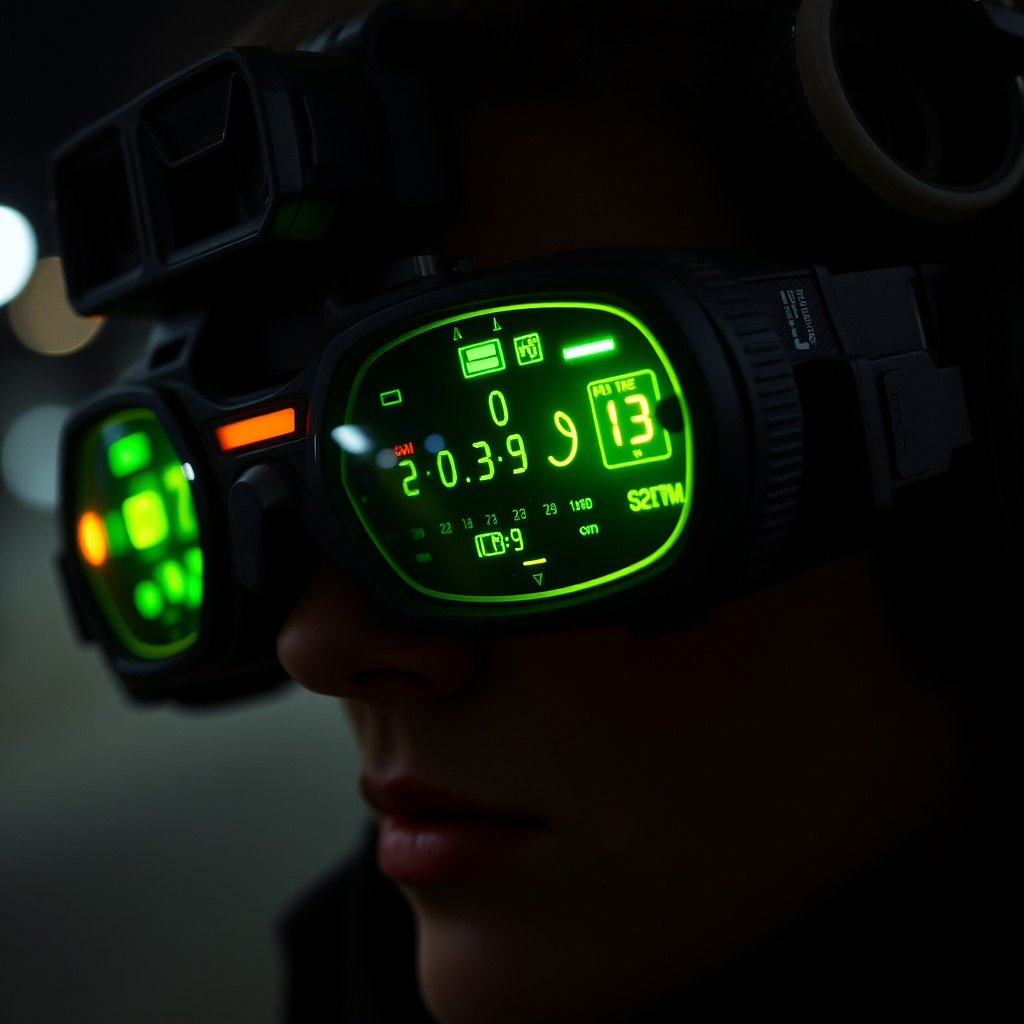
Night Vision Generation and Legal Classifications
Night vision goggles are categorized by generation — Gen 1 being entry-level, Gen 2 and Gen 3 progressively more advanced, offering higher resolution and clarity. Most consumer laws focus on these generations to differentiate between permissible civilian devices and restricted military technology.
Higher generation devices, especially Gen 3 and beyond, often have export restrictions due to their sophisticated electronics and image intensifiers. These regulations impact importers, sellers, and buyers, influencing where and how you can legally acquire night vision goggles.
- Gen 1 typically unrestricted for civilians
- Gen 3 devices face export controls
- Generation impacts price and legality
- Classifications guide purchase restrictions
Infrared Illuminators and Their Legal Impact
Many night vision goggles use infrared (IR) illuminators to enhance visibility in total darkness. While generally legal, the power and wavelength of IR lights may be regulated when used outdoors or for hunting to prevent interference with wildlife or other devices.
In some places, excessively powerful IR emitters are banned or require special permissions. Understanding your device’s IR specifications helps avoid violating local light pollution or wildlife protection laws.
- IR use common but regulated in some regions
- Restrictions on power output and wavelengths
- Affects nighttime hunting legality
- Important to know local IR illumination laws
Buying Night Vision Goggles and Legal Considerations
Purchasing from Domestic vs. International Sellers
Buying night vision goggles domestically typically involves fewer legal hurdles but still requires verifying that the product complies with national laws on export and import. International purchases must consider shipping restrictions and customs clearance.
Devices shipped internationally can be seized if they violate import regulations or lack necessary export licenses. Confirming seller credentials and complying with laws ensures your purchase is smooth and legal.
- Domestic purchases simpler legally
- International shipments risk customs confiscation
- Export licenses needed for advanced tech
- Validate seller reliability
For more on this, see our related guide: Where Can I Buy Night Vision Goggles? Your Ultimate Buying Guide.
Permits, Licenses, and Registration
Some jurisdictions mandate permits or registration to own or use night vision goggles, particularly for hunting or professional use. These measures help authorities monitor equipment usage and prevent illegal activity.
Before buying, check if your area requires filing paperwork or background checks. Adhering to these rules safeguards against legal consequences and supports responsible device use.
- Permits needed in some regions
- Registration may be required for hunting
- Background checks common for security use
- Consult local authorities before use
Care and Ethical Use to Avoid Legal Issues
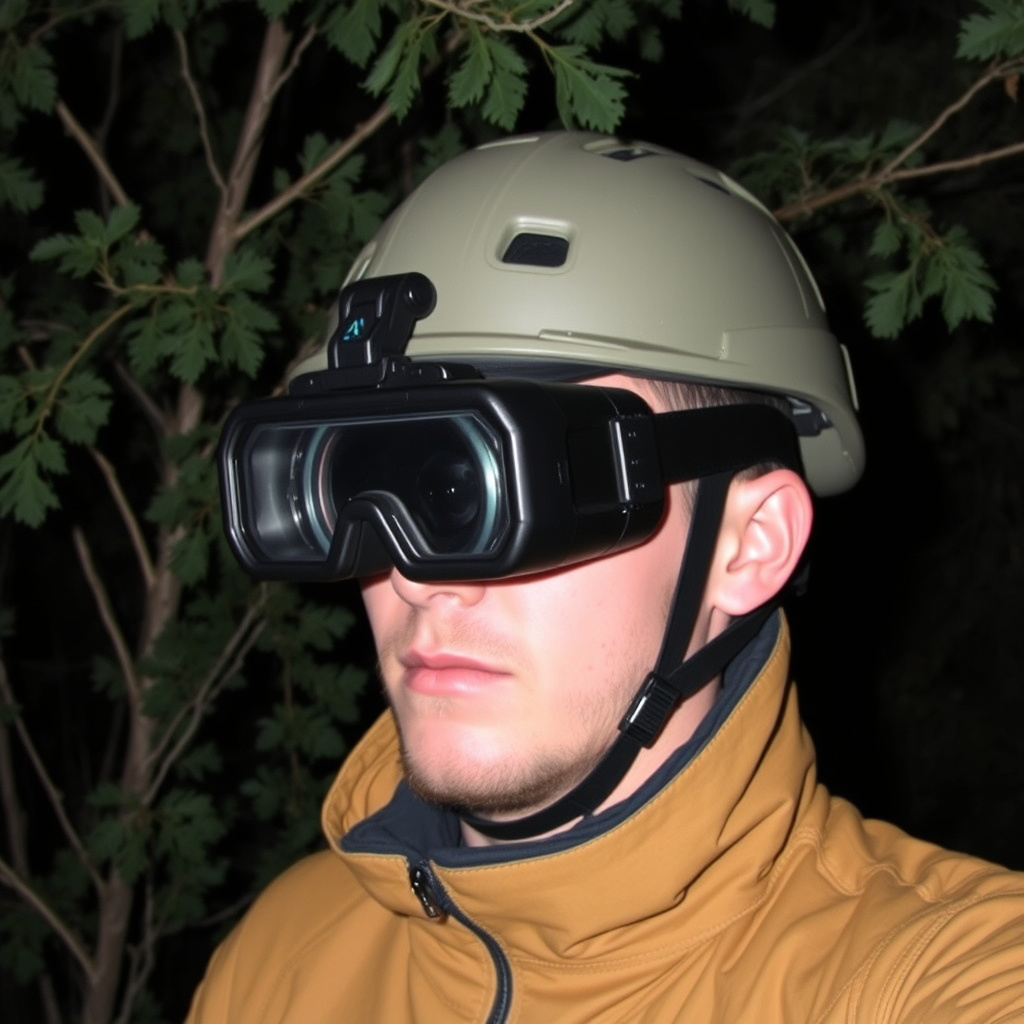
Respecting Privacy and Property Rights
Using night vision goggles to spy on individuals or private property without consent can result in serious legal consequences. Responsibility lies with the user to respect privacy laws and avoid illegal surveillance.
Always seek permission before monitoring someone’s property and avoid capturing images where there is a reasonable expectation of privacy. Following ethical guidelines reduces the risk of legal trouble.
- Avoid unauthorized surveillance
- Request permission when appropriate
- Respect no-trespass boundaries
- Follow local privacy laws
For a detailed overview of night vision technology and related regulations, see Night vision technology regulations on Wikipedia. Night vision technology regulations on Wikipedia.
Maintenance and Safe Storage
Keeping night vision goggles in good condition helps prevent malfunction that could cause accidents or unsafe usage. Secure storage ensures devices don’t fall into unauthorized hands, which could result in liability concerns.
Maintaining a clear record of purchase and user compliance also protects you legally if questioned by law enforcement about the device’s origin or use.
- Regular maintenance avoids device failure
- Store securely to prevent misuse
- Keep documentation of purchase
- Promotes legal compliance
Night Vision Goggles Category Comparison
Here’s a clear comparison of the main night vision goggle categories highlighting their common uses and legal considerations.
| Category | Legality | Typical Uses | Cost Range | Restrictions |
|---|---|---|---|---|
| Gen 1 Devices | Generally legal | Basic hunting, wildlife observation | $100-$600 | Few restrictions, no export controls |
| Gen 2 Devices | Mostly legal with caveats | Advanced hunting, security | $500-$2000 | Some sales restrictions, import/export controlled |
| Gen 3 Devices | Restricted, licensed | Professional military and law enforcement | $2500-$8000 | Export licenses required, civilians limited |
| Digital Night Vision | Widely legal | Recreational, photography | $200-$1000 | Few restrictions, varies by country |
| Thermal Goggles | Varies by tech and country | Search and rescue, hunting | $1000-$5000 | May be restricted depending on IR capabilities |
Frequently Asked Questions
Can I legally hunt using night vision goggles?
Hunting with night vision goggles is legal only in certain states or countries. Some jurisdictions ban night hunting or require a specific permit. Always verify local hunting regulations before using night vision for hunting.
Are night vision goggles allowed for driving at night?
Most countries prohibit the use of night vision goggles while driving due to safety concerns and visual distortions. Using them in vehicles can result in fines or other penalties.
Do I need a license to own night vision goggles?
Licensing requirements depend on your location and the device type. Basic Gen 1 devices often do not require licenses, but advanced generations or military-grade gear may require permits or export licenses.
Can I bring night vision goggles when traveling internationally?
International travel with night vision goggles requires checking customs laws of both origin and destination. Some countries restrict import of night vision due to military regulations, risking confiscation.
Is it legal to use night vision goggles for home security?
Yes, using night vision goggles on your own property for security is generally legal. However, make sure to respect neighbors’ privacy and avoid looking into private areas without permission.
Key Takeaways
- Night vision goggles legality varies based on location and device generation.
- Hunters and security users must check local laws for permitted uses.
- Driving with night vision goggles is widely prohibited due to safety risks.
- Advanced military-grade devices face strict controls or bans for civilians.
Conclusion
Understanding whether night vision goggles are legal requires reviewing both federal and local regulations that apply to your area and intended use. The technology’s generation plays a major role, differentiating widely available Gen 1 devices from tightly controlled military-grade equipment. Balancing your needs with the applicable rules helps avoid legal trouble and ensures you enjoy your night vision device responsibly.
If you’re a hunter, digital or Gen 1 night vision goggles often suffice and come without strict licensing requirements, but always check hunting laws in your region. Security professionals may need higher generation devices but must respect privacy laws and property boundaries. Avoid using night vision goggles while driving, as this is nearly always illegal. When purchasing, ensure you buy from reputable sellers who comply with export and import regulations to receive a legitimate product.
Before buying or using night vision goggles, contact your local authorities or check official government resources to confirm the current laws in your area. Adopting ethical use practices and proper maintenance protects you from legal action and helps preserve the safe, responsible use of this powerful technology.