How Do Night Vision Devices Work: A Complete Guide to Seeing in the Dark
Night vision devices work by collecting tiny amounts of ambient light, such as moonlight or starlight, and amplifying it to create a visible image in darkness. These devices essentially convert low-light photons into electrons, intensify them, and then transform them back into visible light displayed on a screen or eyepiece.
The ability to see in near-total darkness has practical applications in military operations, wildlife observation, security, and search and rescue missions. Understanding how night vision devices function can help users select the right equipment for their specific needs and environments.
This article will explain the core technologies behind night vision devices, including image enhancement and infrared systems, detail their components and types, and compare how different models perform in various scenarios.
The Basic Principles of Night Vision Devices
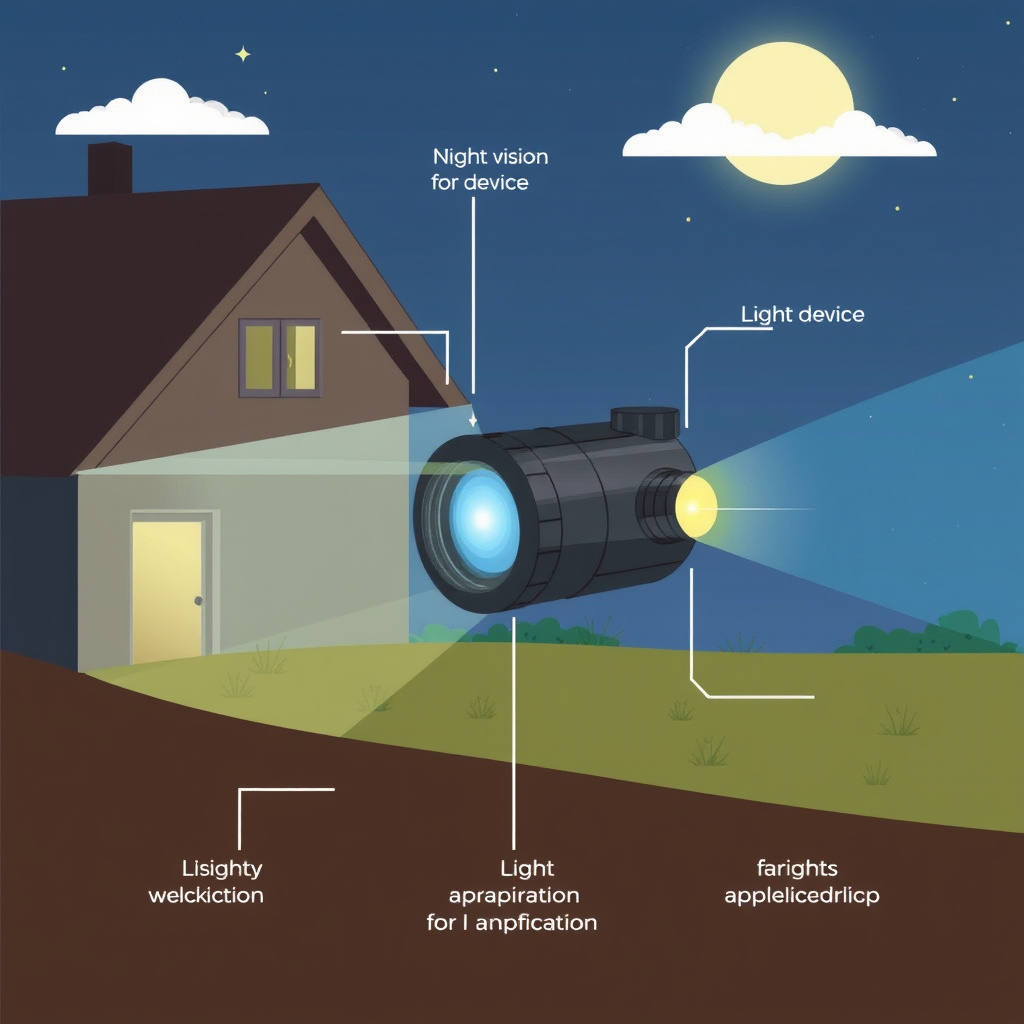
Image Intensification Technology
Image intensification is foundational for many night vision devices. It works by capturing the small amounts of visible light present at night and using an image intensifier tube to amplify this light thousands of times. Photons enter the device and strike a photocathode, releasing electrons. These electrons are then accelerated and multiplied through a microchannel plate before hitting a phosphor screen that produces a bright, green-hued image visible to the user.
This green image color is due to the phosphor coating’s properties, which the human eye can distinguish well in low-light situations. Image intensification enables users to see clearer details without generating their own light source, making it critical for covert operations.
Infrared Night Vision Technology
Infrared night vision works by detecting infrared light that is invisible to the naked eye. Many night vision devices include an infrared illuminator that emits infrared light to illuminate dark scenes without alerting others. The device's sensor captures this reflected infrared radiation, allowing images to form even in complete darkness.
Infrared systems can complement image intensification, extending capability beyond natural light limits. Some infrared night vision goggles or cameras are passive, detecting existing heat or IR light, while others actively emit IR light for illumination.
Key Components Inside Night Vision Devices
The Image Intensifier Tube
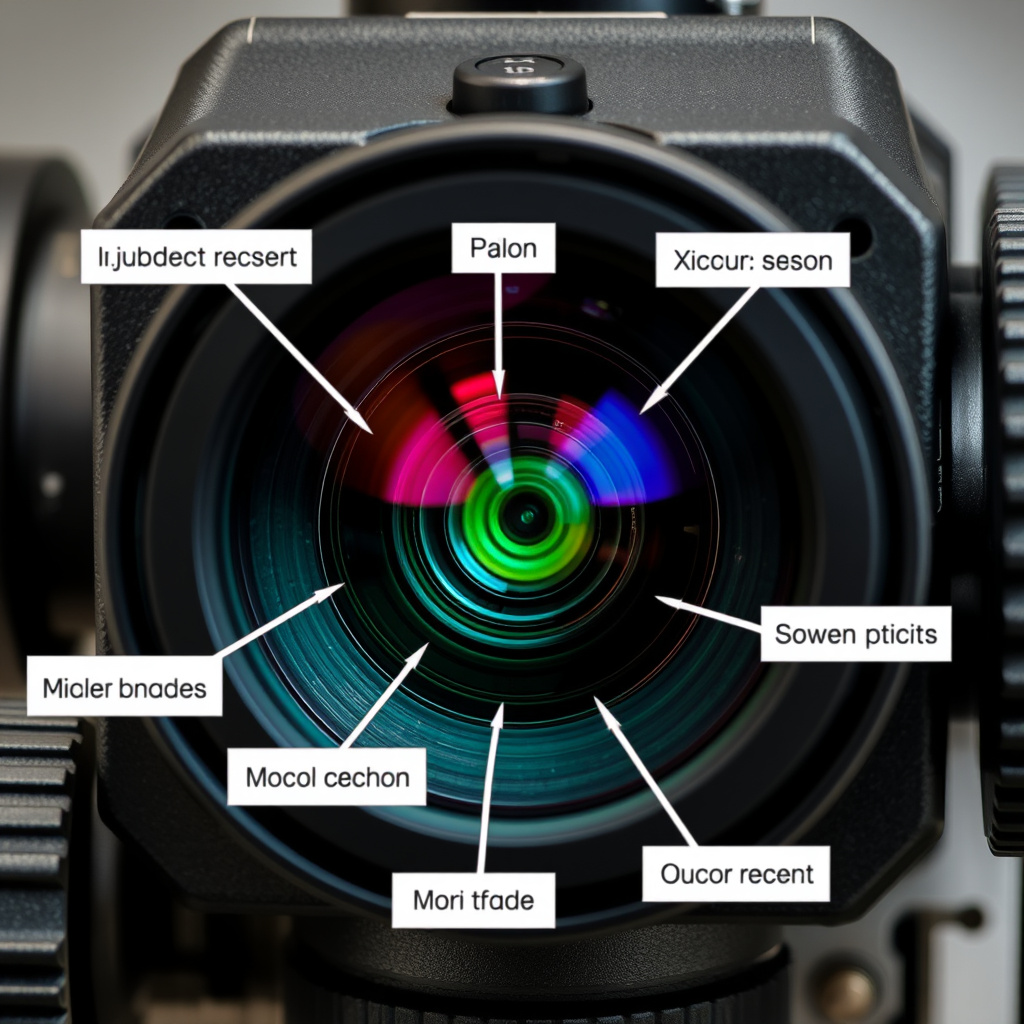
At the heart of many night vision devices lies the image intensifier tube. This vacuum tube contains the photocathode, microchannel plate, and phosphor screen, working together to convert photons into electrons, multiply them, and then reconvert into intensified light output.
The quality and generation of the intensifier tube determine the device's resolution, sensitivity, and overall performance. Newer generation tubes provide improved clarity, reduced noise, and better performance in near-total darkness.
Lenses and Sensors
The objective lens gathers available light and directs it onto the intensifier or sensor. Its size and quality directly affect the device’s ability to gather ambient light, influencing image brightness and sharpness.
Other devices, especially those relying on infrared night vision technology, use digital sensors like CCD or CMOS to detect IR radiation and process it electronically. These sensors convert signals into clear images shown on an LCD or OLED display within the device.
Types of Night Vision Devices and Their Uses
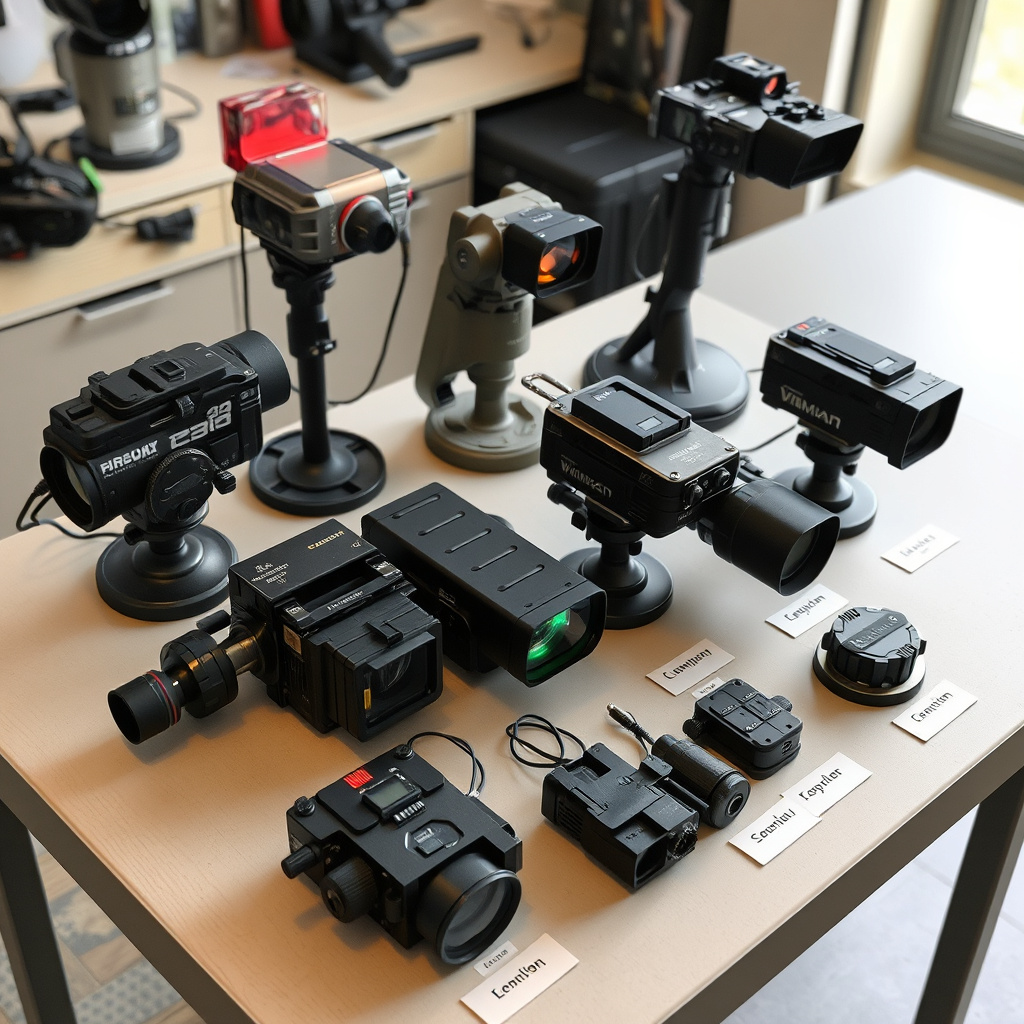
Night Vision Goggles and Monoculars
Night vision goggles typically employ image intensification and are worn over the eyes to provide a hands-free way of seeing in the dark. Monoculars are compact devices designed for single-eye use and are often preferred for their portability and ease of use while maintaining night vision capabilities.
Both devices are common in tactical and wildlife observation contexts due to their versatility and quick deployment. They are effective in environments with some ambient light or combined with infrared illumination for darker conditions.
For more on this, see our related guide: How Do Night Vision Devices Work: The Science Behind Seeing in the Dark.
Night Vision Cameras and Scopes
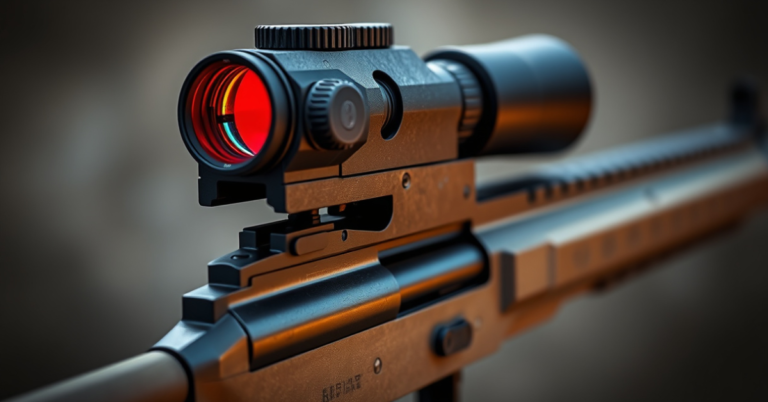
Night vision cameras combine image intensification or infrared night vision technology with digital capture capabilities, useful for security surveillance or documenting nocturnal activities. Scopes adapted for firearms provide enhanced targeting accuracy in low-light environments by magnifying the intensified image and integrating with aiming reticles.
These devices often incorporate advanced optics and electronic processing to improve image quality and user experience under varied conditions.
Performance Factors Affecting Night Vision Devices
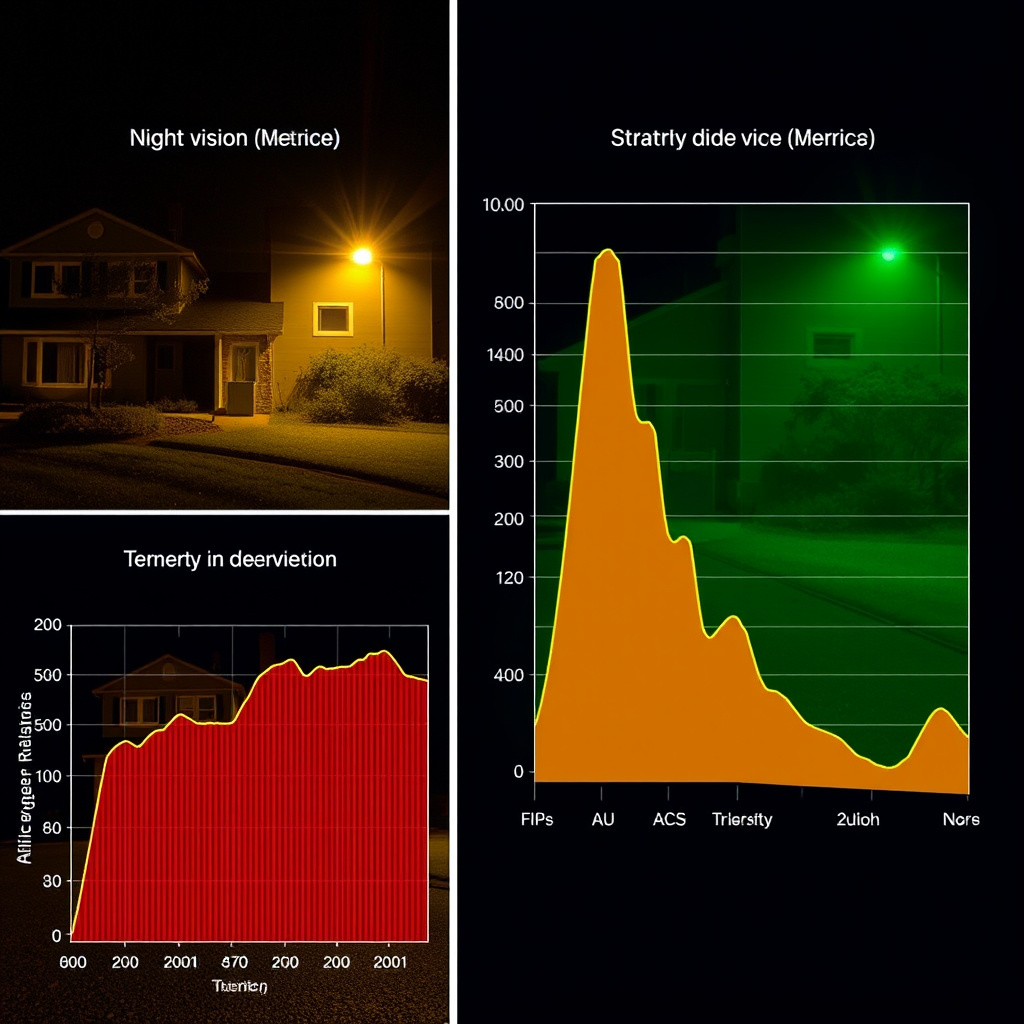
Resolution and Light Sensitivity
Resolution defines how clear and detailed the night vision image appears. Higher-generation image intensifier tubes and quality lenses contribute to better resolution, enabling users to distinguish small objects or facial features in darkness.
Light sensitivity affects performance in very low ambient light. Devices with higher sensitivity can operate effectively in near-total darkness, especially when paired with infrared night vision technology and additional IR illumination.
Range and Field of View
The effective range dictates how far the device can clearly display objects, influenced by the optics and light amplification power. Larger lenses generally improve range but can add weight and bulk.
Field of view impacts the user's situational awareness by determining how much area is visible through the device at once. Wider fields of view allow for easier navigation and target tracking, critical for many tactical and outdoor applications.
Maintenance and Durability Considerations
Protecting the Image Intensifier Tube
The image intensifier tube is sensitive to bright light, which can cause irreversible damage. Users should avoid exposing night vision devices to daylight or strong artificial light without proper caps or filters.
Regular cleaning with specialized tools and storing the device in a protective case help extend its lifespan and maintain optimal performance.
- Avoid bright light exposure
- Clean lenses with a soft cloth
- Store in a padded case
For more on this, see our related guide: Are Night Vision Goggles Legal? What You Need to Know Before Buying.
Ensuring Weather Resistance and Robustness
Night vision devices often come with weather-resistant or waterproof housings to withstand tough environmental conditions like rain, fog, and dust. Checking the device's IP rating and durability specs ensures it meets the user’s outdoor needs.
Robust construction with shock absorption is valuable especially for tactical use or hunting where equipment undergoes rough handling.
- Look for IPX4 or higher ratings
- Choose shockproof construction
- Use protective covers during harsh conditions
Advancements in Night Vision Technology
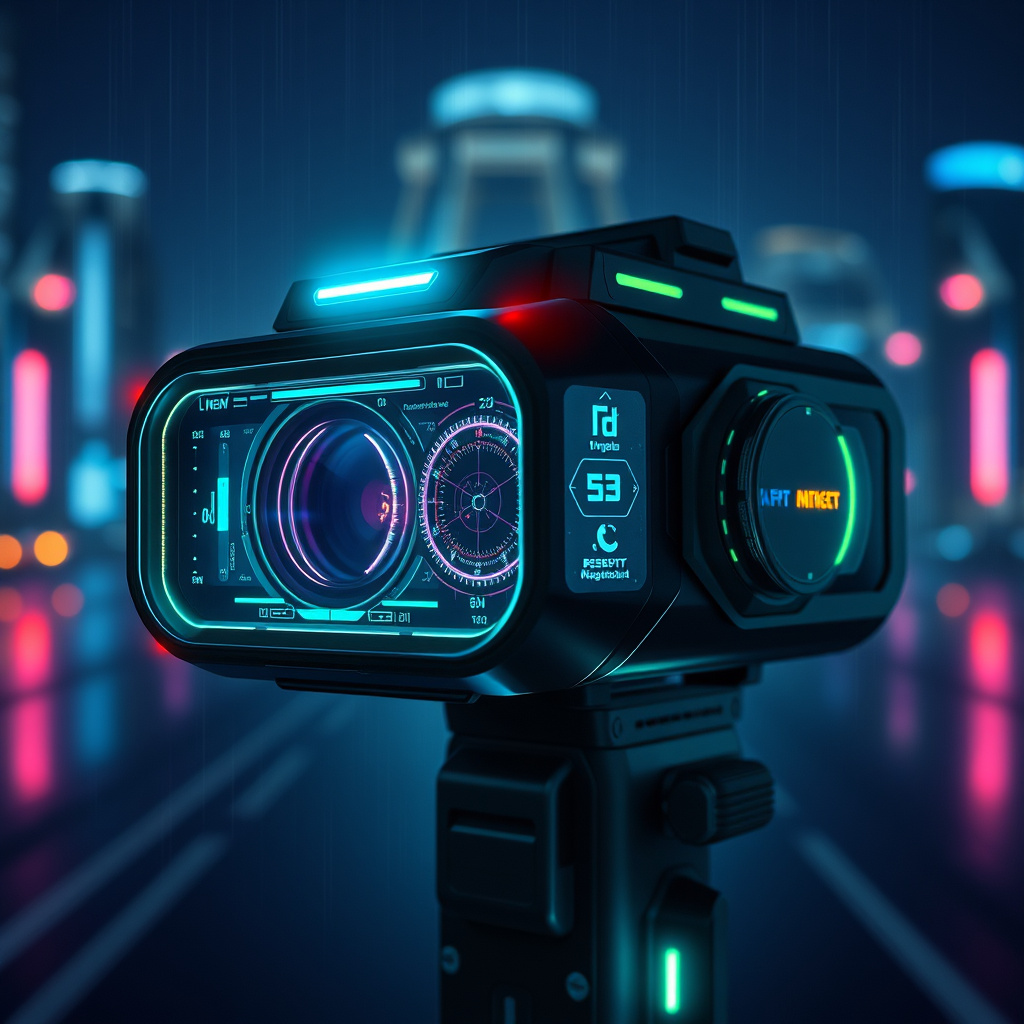
Digital Night Vision Systems
Digital night vision merges traditional optical methods with digital sensors and display screens, enabling recording, image enhancement, and integration with other digital devices. These systems rely on CMOS or CCD sensors to capture images, then process them in real time.
This technology can improve performance in varied lighting conditions and offers tactical advantages such as customizable overlays and data sharing.
For a detailed technical background, see the night vision technology overview on Wikipedia. Night vision technology overview on Wikipedia.
Integration with Thermal Imaging
Some modern night vision devices combine image intensification or digital night vision with thermal imaging sensors. Thermal imaging detects heat signatures independently of light levels, offering visibility in complete darkness, through smoke, or in challenging weather.
Hybrid devices provide users with versatile vision capabilities that adapt dynamically to different operational environments, merging the benefits of both infrared night vision technology and thermal detection.
Night Vision Device Categories Comparison
Below is a comparison of common night vision device categories, highlighting key features to help choose the best fit.
| Category | Technology Used | Typical Range | Portability | Price Range |
|---|---|---|---|---|
| Night Vision Goggles | Image Intensification | 75-200 meters | Hands-free wearable | Moderate to High |
| Night Vision Monoculars | Image Intensification | 50-150 meters | Compact and handheld | Moderate |
| Night Vision Cameras | Infrared Night Vision Technology | Up to 100 meters | Varies, handheld or fixed | Moderate to High |
| Night Vision Scopes | Image Intensification | 100-300 meters | Mounted on firearms | High |
| Digital Night Vision | CMOS/CCD Sensors | 50-150 meters | Varies, often handheld | Moderate |
| Thermal-Night Vision Hybrid | Thermal plus IR/Intensification | Up to 500 meters | Handheld to mounted | Very High |
Frequently Asked Questions
Can night vision devices work in total darkness?
Image intensifier-based night vision relies on some ambient light, so they perform poorly in total darkness unless paired with an infrared illuminator that emits light invisible to the eye. Thermal and infrared night vision systems can function independently of visible light.
What is the difference between generations of night vision devices?
Night vision devices are categorized into generations based on their image intensifier tube technology. Higher generations, such as Gen 3 and Gen 4, offer better image clarity, sensitivity, and longer lifespan than Gen 1 or 2 devices, but they usually cost more.
Are night vision devices safe for the eyes?
Yes, properly used night vision devices are safe. Users should avoid exposing the device to bright light to protect the intensifier tube. The devices amplify existing light without emitting harmful radiation, making them safe for human eyes.
How do infrared illuminators help night vision devices?
Infrared illuminators emit IR light invisible to naked eyes to light up dark areas. Night vision devices detect this IR illumination to enhance image visibility in total darkness, effectively extending the operational range and clarity of image intensification-based devices.
Can night vision devices be used in daylight?
Most night vision devices are designed for low-light conditions and can be damaged by exposure to bright daylight. Special filters or automatic cutoff features can protect devices, but generally, they should not be used in bright environments without protection.
Key Takeaways
- Night vision devices amplify ambient light or detect infrared radiation to provide images in low light.
- Image intensification and infrared night vision technology are the main methods used.
- Device performance depends on image intensifier quality, optics, and illumination sources.
- Choosing between goggles, monoculars, cameras, or scopes depends on intended use and portability needs.
Conclusion
Deciding how night vision devices work offers insight into their sophisticated light amplification and infrared detection systems. Understanding these mechanisms lets you evaluate devices based on image clarity, range, and brightness amplification. Whether a device uses image intensification tubes or infrared night vision technology, its components, like lenses and sensors, heavily influence performance. Balancing these factors with usage goals ensures you select equipment that meets your visibility needs at night.
For casual nighttime observation or wildlife watching, monoculars using image intensification provide a practical and portable option. Security or tactical uses might demand night vision goggles or scopes with higher generation tubes for improved resolution and range. Those requiring operation in total darkness or through obstructions should consider devices integrating infrared night vision technology or hybrid thermal systems to maximize detection capabilities.
After grasping how night vision devices work and comparing different categories, your next step is to define your primary application and environment. Testing devices with varying technologies under realistic conditions will reveal which best matches your needs. Investing in quality optics and protecting your device through proper care will enhance performance and longevity, helping you confidently navigate and observe during nighttime.