How Do We See in the Dark? Exploring Human Night Vision
Seeing in the dark primarily depends on the special cells in our eyes called rods, which are highly sensitive to low light. These rods detect even minimal light levels and send signals to the brain that help form images when there's little to no ambient light.
Humans rely on a combination of biological adaptations and neural processing to perceive their surroundings in darkness. While our night vision isn't as strong as some animals’, the human eye has evolved to maximize available light and adjust dynamically, enabling us to operate in dim environments.
This article will explain the physical structures in our eyes essential for dark vision, how the brain amplifies and interprets minimal signals, and how factors such as adaptation time and contrast impact our ability to see when lighting is poor.
The Anatomy Behind Seeing in the Dark

Role of Rod Cells in Low Light Conditions
Rod cells specialize in detecting light in very dim settings. Unlike cones, which detect color and detail during bright light, rods contain a pigment called rhodopsin that makes them extremely sensitive to light pulses. When light hits these cells, it triggers chemical changes that the brain interprets as visual information.
Rods are densely packed around the retina's edges, contributing to better peripheral vision in darkness. They do not detect color, so night vision mostly lacks color perception but provides essential shapes and movement detection.
Cone Cells and Their Limitations at Night
Cone cells function best in bright light and allow for color vision and sharp detail. However, their sensitivity drastically reduces in low-light scenarios, meaning they contribute little to seeing in the dark.
Because cones require more light to activate, they become ineffective at night, leaving rods as the dominant visual sensors. This is why most night vision is black and white or shades of gray.
How the Brain Processes Dark Visual Input
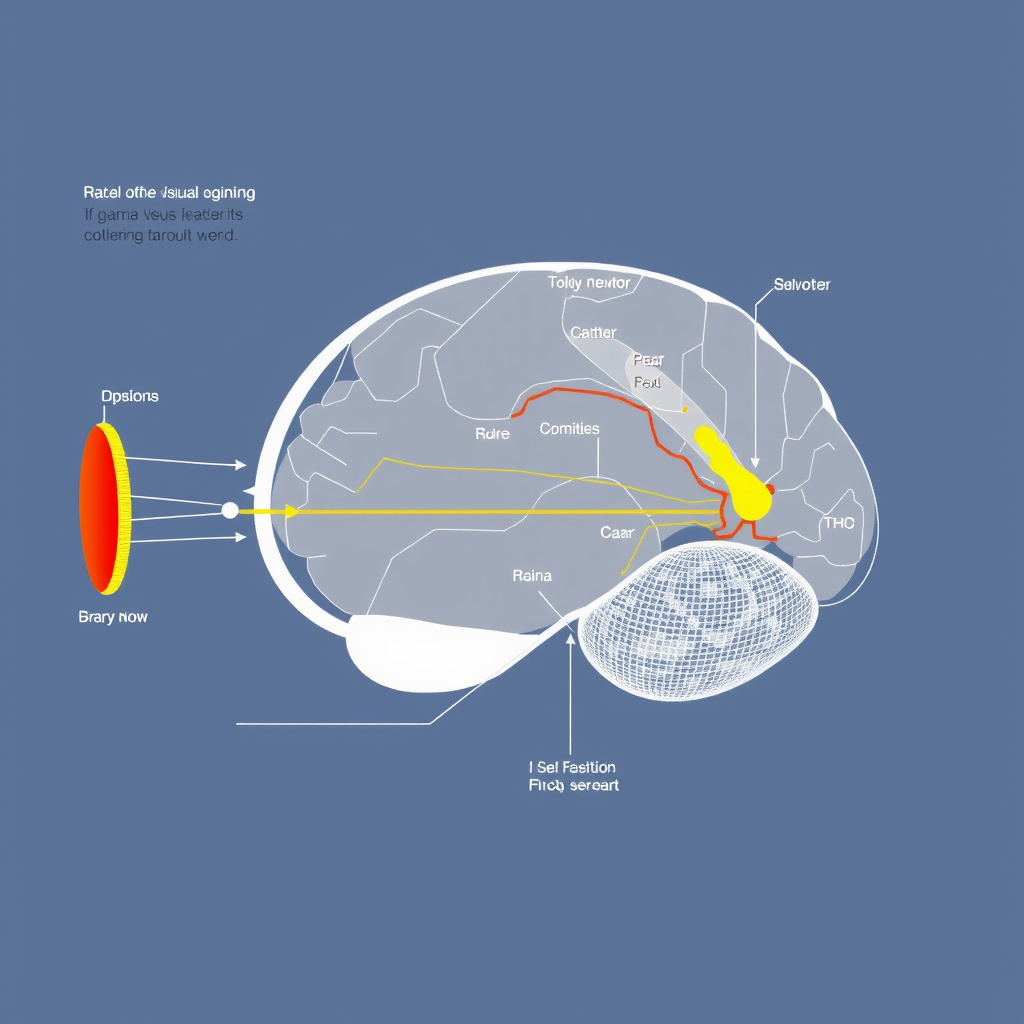
Signal Amplification in the Visual Cortex
The brain compensates for weak signals from rod cells by amplifying and interpreting them in the visual cortex. This neural processing sharpens faint images and helps distinguish forms even when light is scarce.
Certain neurons increase their sensitivity temporarily after dark adaptation, enhancing overall visual perception. This mechanism allows the brain to piece together incomplete information into coherent images.
Neural Adaptation During Darkness
When exposed to darkness for a prolonged period, the brain adjusts its processing strategies to improve night vision. This adaptation includes increased sensitivity and recalibration of what visual signals are prioritized.
The process can take 20-30 minutes, during which rhodopsin in rods regenerates, and the brain tunes to subtle changes in light to improve the clarity of vision in the dark.
Dark Adaptation and Its Effects on Night Vision
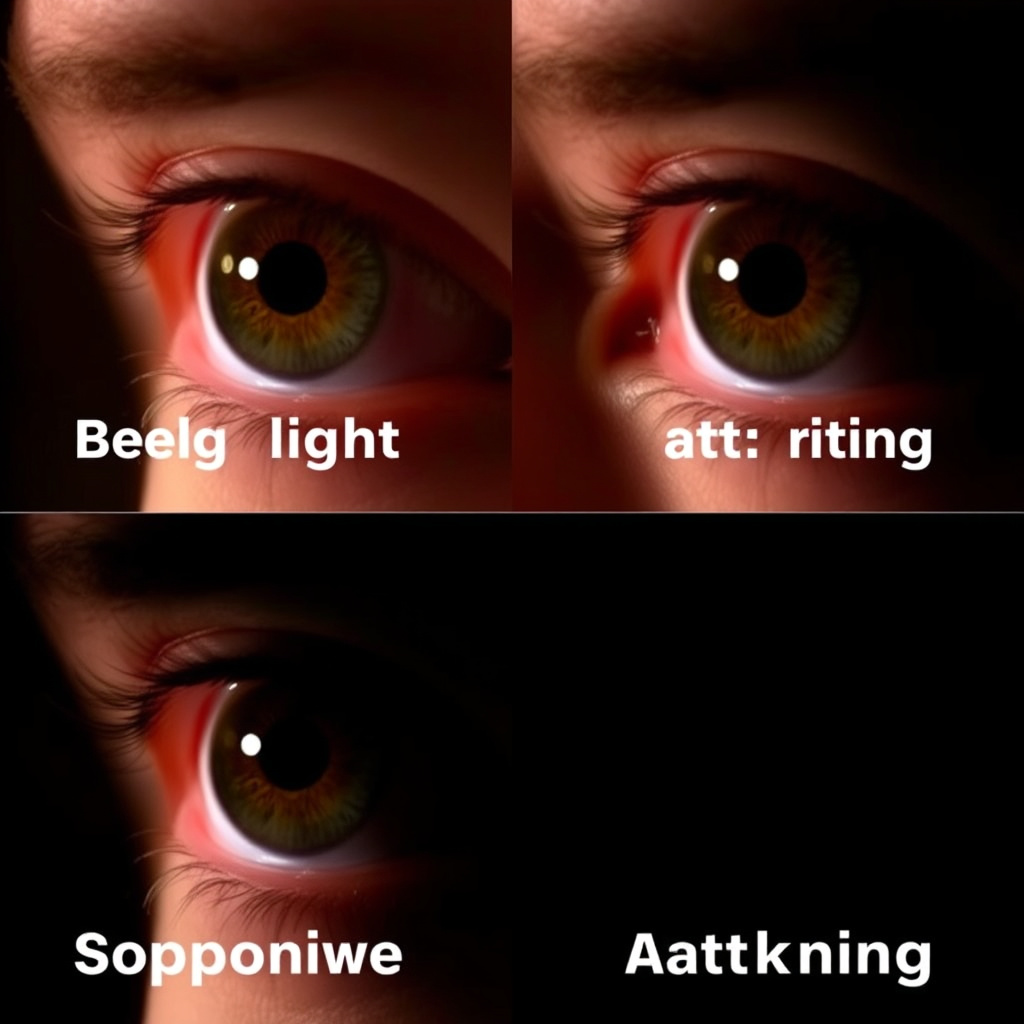
Physiological Changes During Dark Adaptation
Dark adaptation involves the regeneration of rhodopsin in rod cells after exposure to bright light. When this pigment breaks down due to light exposure, the rods become less sensitive, and it takes time to restore it.
Pupil dilation also occurs to let in more light, increasing the eye’s capacity to collect limited photons, which contributes to improved visibility in darkness.
- Rhodopsin regeneration takes about 20-30 minutes
- Pupil dilation maximizes light intake
- Increased rod sensitivity enhances detection of faint light
For more on this, see our related guide: How Do Night Vision Devices Work: A Complete Guide to Seeing in the Dark.
Factors That Influence Dark Adaptation
Age, health conditions, and exposure to bright light can impact how fast and effective dark adaptation occurs. For instance, older adults experience slower adaptation and reduced night vision efficacy.
Certain vitamins and minerals like vitamin A are critical for rhodopsin production, meaning diet indirectly affects dark vision. Additionally, eye fatigue or diseases like retinitis pigmentosa may diminish night sight.
Limitations of Human Night Vision
Color and Detail Loss in Darkness
Because rod cells do not perceive color, human night vision is limited to shades of gray. Color discrimination drops dramatically in dim light, reducing the amount of visual detail perceived by the brain.
Fine details are harder to detect in low light since cones, responsible for sharpness and color, remain inactive. This limitation affects activities like reading or identifying objects at night.
Reduced Visual Acuity and Depth Perception
Visual acuity decreases under low light because of the rods’ lower resolution and the brain's limited input. This results in blurrier images and impaired ability to judge distances accurately.
Consequently, tasks requiring precise vision like driving at night or walking in unfamiliar dark areas become more challenging, increasing the risk of accidents.
Techniques and Tools to Enhance Night Vision
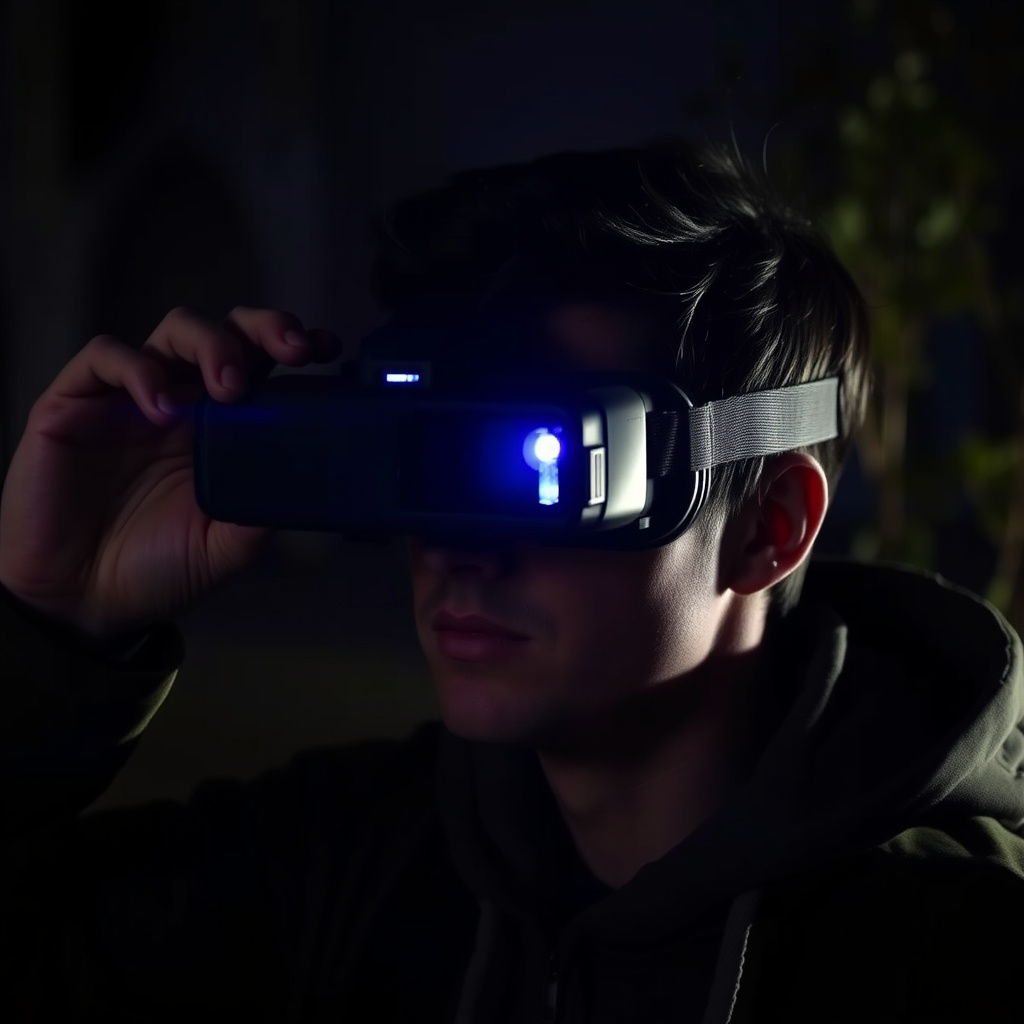
Natural Methods to Improve Night Vision
Allowing 20 to 30 minutes for eyes to dark adapt before entering a dark setting helps maximize natural night vision. Avoiding bright lights and protecting eyes from sudden glare supports this process.
Wearing yellow-tinted glasses can reduce glare from streetlights and improve contrast perception at night, aiding overall visibility.
- Minimize sudden exposure to bright lights
- Give eyes time to adjust before fully entering darkness
- Use peripheral vision which relies on rod cells more
For more on this, see our related guide: When Were Night Vision Goggles Invented? A Historical Overview.
Technological Aids for Night Vision
Devices like night vision goggles and infrared cameras enhance human night vision by amplifying available light or detecting heat signatures, extending vision beyond biological limits.
These tools are used in fields such as security, wildlife observation, and military applications, providing a clear advantage in total darkness or extremely low light conditions.
- Night vision goggles amplify ambient light
- Infrared cameras detect heat
- Wearable technology enhances natural vision
How Animals See in the Dark Compared to Humans
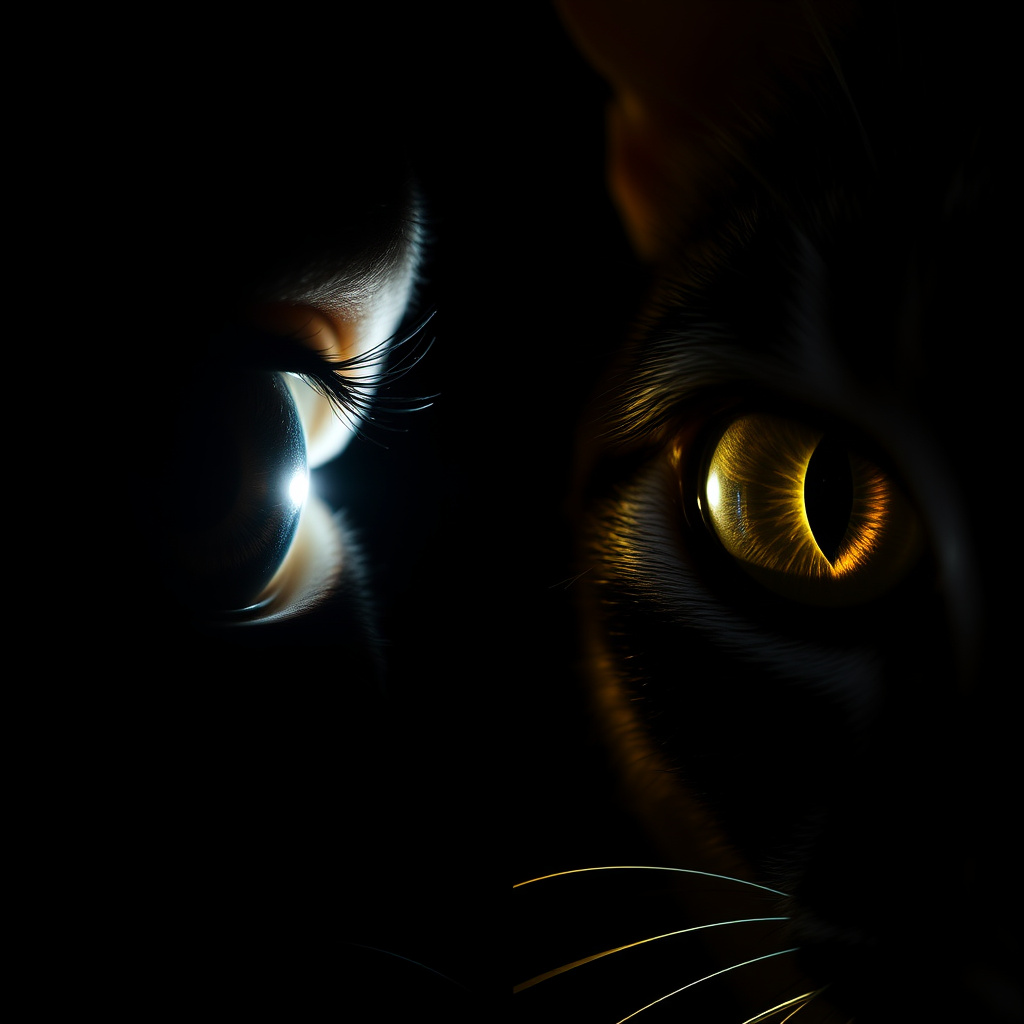
Animal Adaptations for Superior Night Vision
Many animals possess a reflective layer behind the retina called the tapetum lucidum, which reflects light back through photoreceptor cells, greatly enhancing their ability to see in the dark.
These adaptations allow creatures like cats and owls to hunt effectively at night, with far better sensitivity and motion detection than the human eye offers.
- Tapetum lucidum layer amplifies available light
- Larger pupil size to gather more light
- Higher rod density for improved sensitivity
For more detailed information on human night vision and related biology, refer to the comprehensive article on human night vision. human night vision.
Comparing Human Night Vision to Other Species
Unlike animals with these enhancements, humans rely solely on rod cells without extra light amplification, resulting in weaker night vision.
However, humans compensate with better daytime vision and complex brain processing, making us more versatile overall despite our modest night sight.
Comparison of Human Vision and Common Animal Night Vision
This table highlights differences in night vision capabilities among humans and selected animals, focusing on key biological features.
| Species | Night Vision Mechanism | Rod Density | Tapetum Lucidum | Visual Range in Darkness |
|---|---|---|---|---|
| Human | Rod cells with rhodopsin; no tapetum lucidum | Moderate | No | Limited to low light sensitivity |
| Cat | High rod density; tapetum lucidum present | High | Yes | Excellent vision in very low light |
| Owl | Extreme rod density; large pupils; tapetum lucidum | Very high | Yes | Superior night hunting vision |
| Rat | High rod density; tapetum lucidum | High | Yes | Good nocturnal vision |
| Horse | Moderate rod density; tapetum lucidum | Moderate | Yes | Effective night vision for open environments |
Frequently Asked Questions
Why do human eyes take time to adjust to darkness?
Adjusting to darkness requires rhodopsin in rod cells to regenerate after bright light exposure. This biochemical process takes around 20 to 30 minutes, during which the eyes become increasingly sensitive to low light.
Can humans see color in the dark?
No, human night vision is mainly monochromatic because cone cells, responsible for color perception, do not function well in low-light conditions. So, we see mostly shades of gray at night.
What is the tapetum lucidum and why don’t humans have it?
The tapetum lucidum is a reflective layer behind the retina that enhances light sensitivity for some animals. Humans lack this layer, which limits our night vision compared to species like cats or owls.
How can I improve my natural night vision?
Allow your eyes time to adapt to darkness by avoiding bright lights, protect them from glare, and consume sufficient vitamin A to support rhodopsin production for better low-light vision.
Why is peripheral vision better at night?
Peripheral retina areas have a higher concentration of rod cells, which are more sensitive to dim light. This makes peripheral vision more effective in darkness than central vision where cones dominate.
Key Takeaways
- Rod cells in the retina enable human night vision by detecting low light levels.
- The brain amplifies weak signals to form images in darkness.
- Dark adaptation improves night vision but can take up to 30 minutes.
- Humans lack the tapetum lucidum found in many animals with superior night vision.
Conclusion
Understanding how we see in the dark combines knowledge of the eye’s biology and the brain’s interpretive power. Rod cells, with their sensitivity to low light via rhodopsin, form the scientific foundation for night vision, while the brain enhances and organizes scant light signals into meaningful images. This balance explains why humans can detect shapes and movement even with limited light but experience reduced color and detail.
Different conditions influence dark vision effectiveness, such as how long you spend in the dark, your age, and nutrition. If you need better night sight, simple practices like allowing your eyes time to adjust and avoiding sudden bright lights help considerably. Compared to animals equipped with the tapetum lucidum, humans have more modest night vision capabilities, but with natural and technological aids, we can extend our visual range after sunset.
For practical use, start by controlling light exposure before entering dark spaces and maintain eye health with proper diet and rest. If night vision is critical for specific tasks or hobbies, consider nighttime eyewear or technology designed to enhance low-light perception. By blending natural biology with smart strategies, you can optimize how you see in the dark.


One Comment