How Can We See in the Dark? Exploring Human Night Vision
Human eyes can see in the dark primarily through the function of rod cells in the retina, which are highly sensitive to low light levels. These cells allow us to detect shapes and movement even when minimal light is present, enabling basic vision at night or in dim environments.
This ability matters because it aids nocturnal navigation and safety, letting people adapt to varying light conditions without the need for artificial illumination. While human night vision is limited compared to many animals, our eyes undergo a process called dark adaptation that improves sensitivity after exposure to darkness.
This article will cover the anatomy of the eye involved in night vision, the biological processes that enhance visibility in darkness, the factors influencing our ability to see at night, and comparisons to technological aids that supplement natural night vision.
Anatomy of the Eye Related to Night Vision
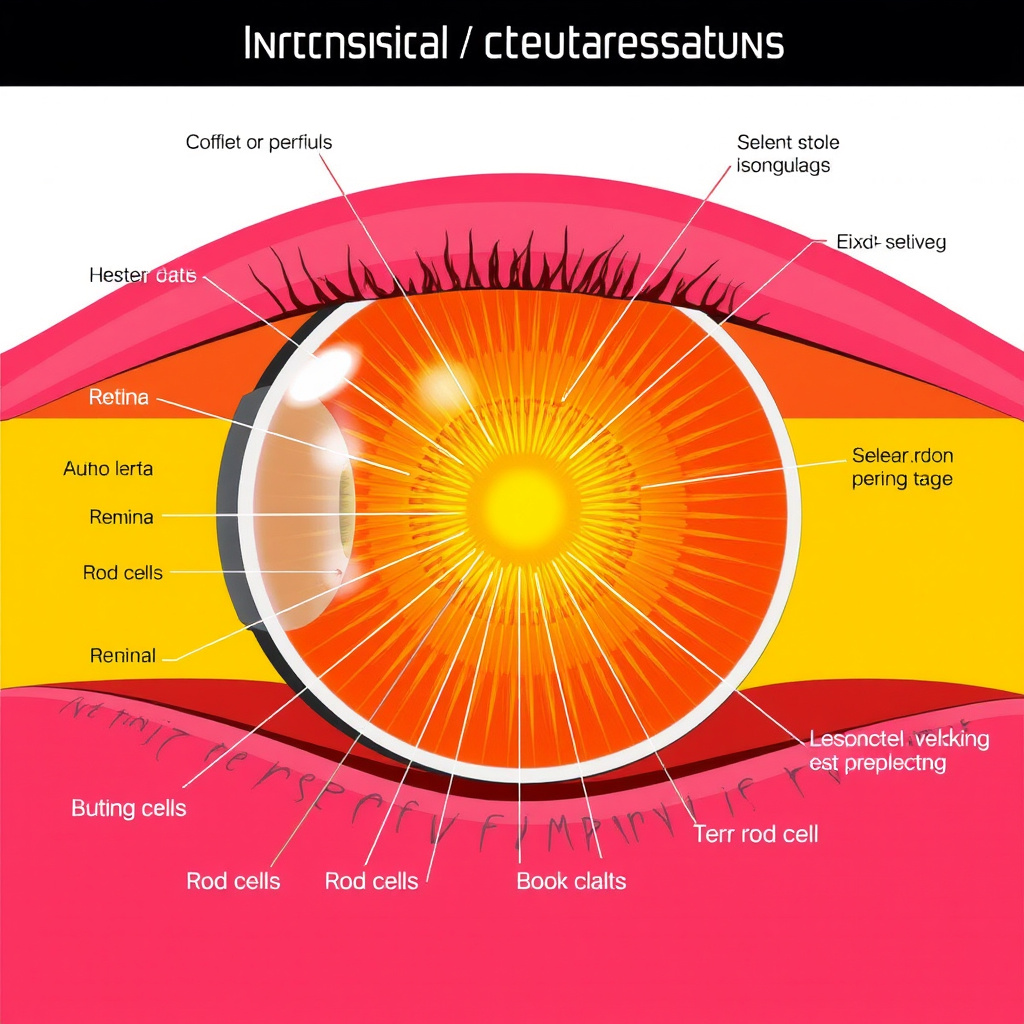
Role of Rod Cells in Low Light
Rod cells are photoreceptors in the retina that specialize in detecting light intensity but not color. They are more numerous than cone cells and are highly sensitive to dim light, making them the main contributors to vision in the dark.
While rod cells do not provide sharp or color vision, their high sensitivity allows the eye to pick up faint light, enabling us to discern outlines and movement in near darkness.
- Rod cells operate best in low light
- They detect light intensity, not color
- Zonal distribution favors peripheral vision
Function of the Retina in Night Vision
The retina is the light-sensitive layer at the back of the eye containing both rod and cone cells. In darkness, the retina adjusts to improve detection by increasing rod cells’ responsiveness over cone cells.
This transition reduces color perception but heightens sensitivity to light levels, which is why colors appear muted or absent in the dark.
Biological Processes Enhancing Night Vision
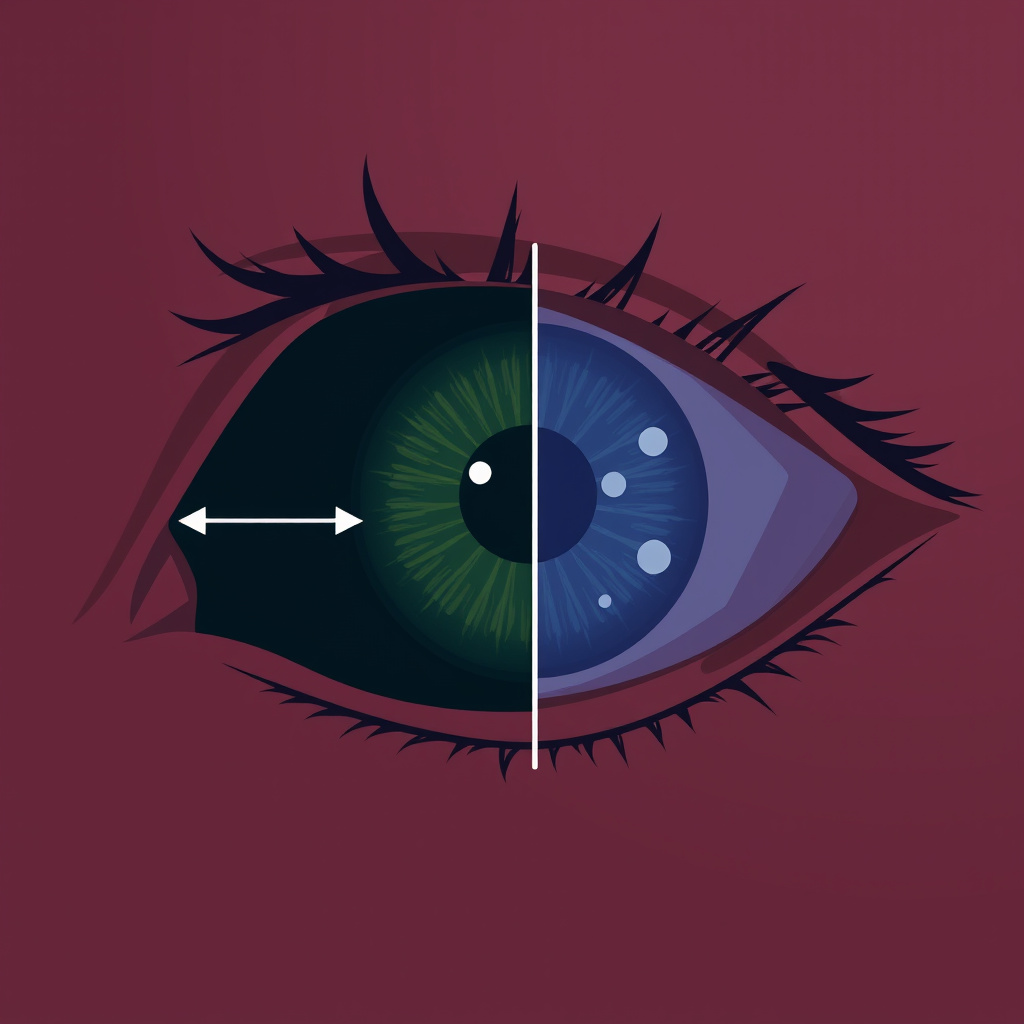
Dark Adaptation Explained
Dark adaptation is the process where eyes increase sensitivity after moving from bright to dark environments. It involves chemical changes in rod cells, primarily the regeneration of rhodopsin, a pigment critical for low-light detection.
This process can take up to 30 minutes for maximum sensitivity, during which the visual system becomes more efficient at gathering and processing limited light.
- Rhodopsin regeneration is key
- Adaptation time varies from person to person
- Initial blindness in dark lasts a few seconds
For more on this, see our related guide: How to See in the Dark in Minecraft: Essential Tips and Tools.
Influence of Pupil Dilation
When exposed to darkness, the pupil widens (dilates) to allow more light to reach the retina. This optical adjustment complements the cellular changes in dark adaptation, improving light intake.
However, pupil dilation alone cannot fully compensate for low light, which is why biological chemical changes are essential for seeing in the dark.
Factors Affecting Human Night Vision
Impact of Age on Night Vision
As people age, the number of rod cells diminishes and their pupils often become smaller, reducing the amount of light reaching the retina. These changes can decrease night vision and dark adaptation speed.
Older adults may have difficulty seeing clearly at night, which can impact activities such as driving after dark.
- Rod cell decline with age
- Reduced pupil dilation
- Slower dark adaptation
Effect of Nutrition and Health
Deficiencies in nutrients like vitamin A and diseases such as glaucoma or retinitis pigmentosa can impair the function of rod cells and the retina, leading to poorer night vision.
Healthy lifestyle choices and managing medical conditions play vital roles in preserving night vision capability.
Technological Enhancements and Night Vision
Night Vision Devices Overview
Devices such as night vision goggles amplify available light or use infrared technology to enhance vision in darkness. They extend human night vision far beyond natural capabilities.
These tools rely on electronic sensors to convert light into visible images, allowing users to navigate and identify objects in complete darkness.
- Image intensification tech
- Infrared illumination
- Used for military and wildlife observation
For more on this, see our related guide: How Do We See in the Dark? Exploring Human Night Vision.
Limitations Compared to Biological Vision
While night vision devices increase visibility, they are limited by battery life, field of view, and resolution compared to the human eye’s adaptability and depth perception.
Additionally, reliance on equipment can hinder spontaneous night vision and is subject to environmental factors like fog or rain.
Comparing Human and Animal Night Vision
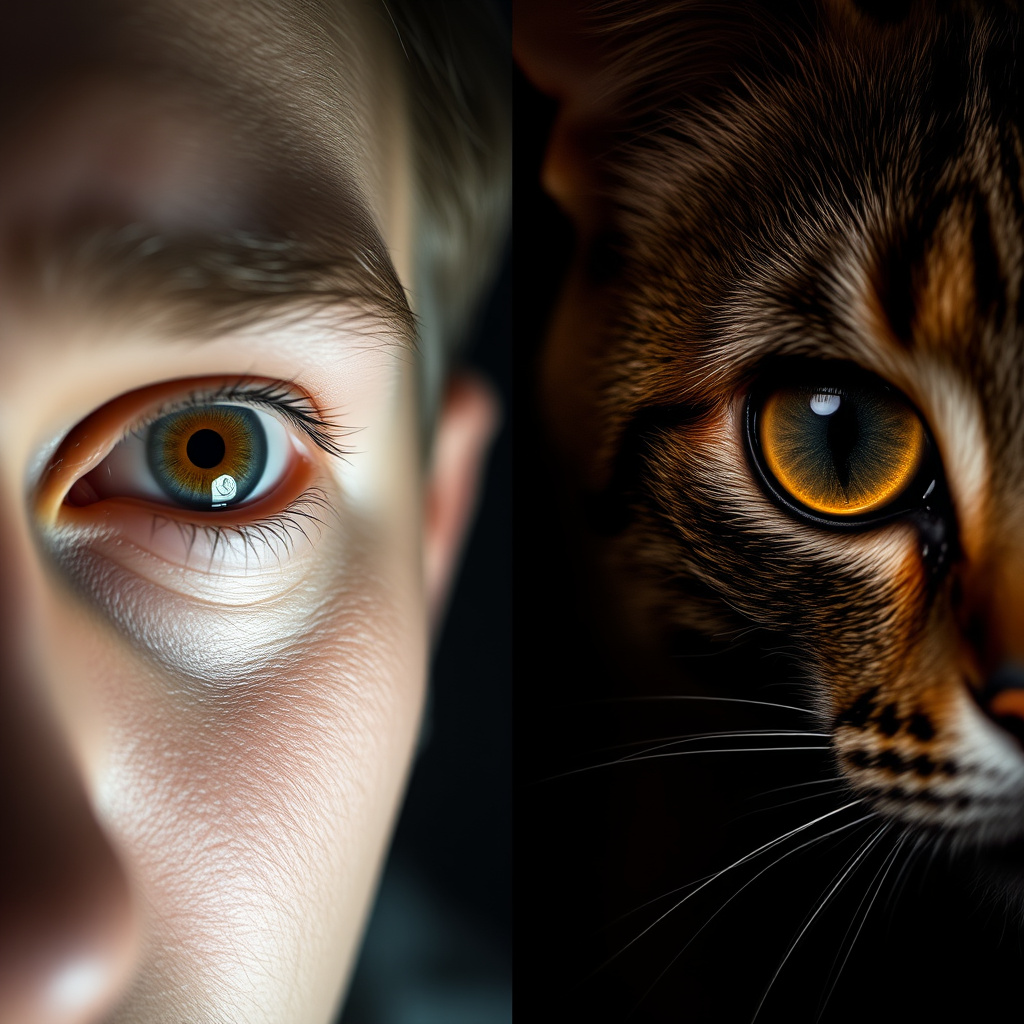
Animals with Superior Night Vision
Many animals, including cats and owls, have more rod cells and a tapetum lucidum, a reflective layer behind the retina that enhances light sensitivity. This allows them to see much better in the dark than humans.
These adaptations enable sharper, more detailed vision at night, aiding in hunting and navigation.
- Higher rod cell density
- Tapetum lucidum reflects light
- Better peripheral vision
For a detailed overview of the eye’s anatomy and function related to vision, see the Human Eye Wikipedia article. Human Eye Wikipedia article.
Human Vision Adaptations
Humans lack a tapetum lucidum but have a visual system optimized for color and daylight. Our night vision is functional but less acute, balancing different visual needs between light and dark environments.
Humans deploy cognitive strategies and technology to compensate for natural night vision limitations.
Comparison of Human Night Vision with Technological Aids
Here’s a comparison between natural human night vision and common night vision technologies.
| Category | Visibility Range | Color Perception | Field of View | Dependency |
|---|---|---|---|---|
| Human Night Vision | Up to 20 feet in low light | Limited, mostly grayscale | Wide peripheral | Independent |
| Image Intensifier Goggles | 100+ yards | Green monochrome | Narrow to medium | Battery power |
| Infrared Cameras | Several hundred yards | Thermal colors | Medium to wide | Power source required |
| Night Vision Smartphone Apps | Variable, low | Typically color or filtered | Screen size limited | Dependent on device sensors |
Frequently Asked Questions
Why can't humans see clearly in total darkness?
Humans rely on some light to activate rod cells; total absence of light means no photons reach the retina, so vision is impossible.
How long does it take for eyes to adjust to darkness?
Dark adaptation can take up to 30 minutes for full sensitivity, with most improvement occurring within the first 10 minutes.
Can night vision improve with practice?
While the biological limits remain, people can train their eyes to adjust quicker to dark environments and use memory or familiar layouts to navigate better.
Are there health conditions that affect night vision?
Yes, conditions like vitamin A deficiency, cataracts, and retinal diseases can reduce the ability to see in low light.
Do pupil size differences affect night vision?
Yes, larger pupils allow more light in, improving night vision; smaller pupils limit light entry, reducing sensitivity.
Key Takeaways
- Rod cells enable human vision in low light but do not detect color.
- Dark adaptation is a chemical and physical eye adjustment process lasting up to 30 minutes.
- Age and health significantly affect night vision quality.
- Technological devices extend human night vision but have practical limitations.
Conclusion
Understanding how human vision functions in the dark involves recognizing the role of rod cells, the retina, and the dark adaptation process. Humans have a modest ability to see in low light due to specialized cells that respond to faint illumination. Although limited, this capability is integral to daily life and safety after sunset. Evaluating night vision involves considering biological, health, and environmental factors that influence our eyes’ performance in darkness.
For different needs, various options arise. Those seeking natural enhancement can support their vision through nutrition and minimizing exposure to bright light before entering darkness. In more demanding conditions, devices like image intensifier goggles and infrared cameras offer substantial advantages. Comparing human night vision with these technologies highlights where biology succeeds and where technology supplements viewing in total darkness or very low light settings.
The next step for anyone interested in improving or understanding night vision is to practice allowing eyes to adapt gradually to dark environments and consult with healthcare providers if vision problems arise. Investing in or familiarizing oneself with night vision technologies can also support activities requiring enhanced low-light sight. Knowing the science behind how we see in the dark helps appreciate both our natural capabilities and the innovations that assist us.