Why Is Night Vision Green? Understanding the Science Behind Night Vision Technology
Night vision devices commonly display images in green due to the properties of the phosphor screens used in these technologies. The green phosphor offers the best contrast and detail resolution for the human eye, enhancing visibility in low-light conditions.
This green color is not incidental; it reflects decades of development optimizing how amplified light is rendered for clearer night vision. Human vision is more sensitive to green light wavelengths, which helps reduce eye strain during extended use. That’s why military and civilian night vision equipment almost universally produce green-hued displays.
This article will explain how night vision devices work, why the green tint dominates the display, and how different technologies compare in their color outputs. We’ll also explore alternatives to green night vision and the benefits each offers.
How Night Vision Technology Works

Image Intensification Basics
Night vision amplifies existing ambient light, such as starlight or moonlight, to create a visible image. The core component is an image intensifier tube, which converts photons into electrons, amplifies these electrons, and then converts them back into photons on a phosphor screen.
This process takes very faint light and boosts it thousands of times, allowing users to see in near darkness with much more clarity than the naked eye.
Role of the Phosphor Screen
The intensified electrons hit a phosphor-coated screen that glows to produce a visible image. The screen’s color is determined by the phosphor material used, which converts electrons into visible light.
Green phosphor was chosen early on for its brightness and the human eye's sensitivity to green rather than other colors like red or blue.
Why Green Is the Preferred Color for Night Vision
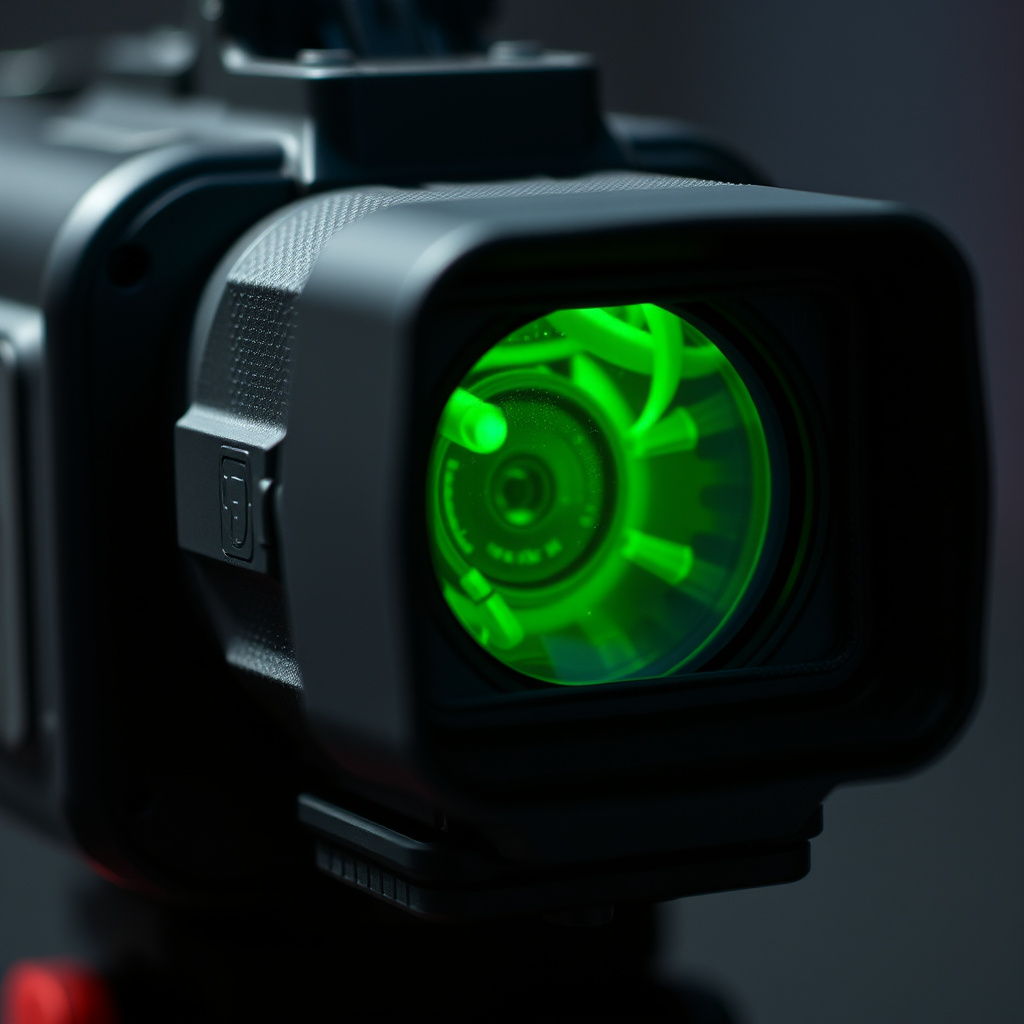
Human Eye Sensitivity to Green Light
The human eye can distinguish more shades of green than any other color, making it easier to see details. This is because our eyes contain more green-sensitive cone cells compared to red or blue ones.
This physiological trait means that green images appear sharper and more detailed to users, which is critical for interpreting night vision imagery accurately.
Reduced Eye Strain and Fatigue
Green is less tiring on the eyes when used for prolonged periods, which is essential for operators who rely on night vision devices for hours at a time.
Lower eye strain contributes to better situational awareness and reduced fatigue in nighttime operations.
Comparison of Night Vision Display Colors

Alternative Colors and Their Uses
Some night vision systems use white phosphor or black-and-white displays which may offer improved contrast or less visual distraction in certain conditions.
These alternatives can be beneficial for specific military or security applications but generally have a shorter history and less widespread adoption than green phosphor.
For more on this, see our related guide: Why Is Night Vision Green? The Science Behind Green Night Vision Technology.
Benefits and Drawbacks of Other Colors
White phosphor can improve contrast but may result in faster eye fatigue because it lacks the eye’s natural sensitivity to green.
Red displays are occasionally used in some scopes to preserve night vision adaptation, but they offer less detail than green displays.
Technical Aspects of Phosphor Screens in Night Vision

Phosphor Material Composition
Green phosphor screens typically use compounds like P43 or P46, which emit light in the green spectrum when energized.
This material choice affects the brightness, resolution, and lifespan of the night vision device.
Manufacturing and Longevity
Manufacturing precise phosphor coatings is critical for consistent image quality across devices.
Green phosphor screens have proven durable over long-term use, helping solidify their dominance in night vision technology.
Applications and Practical Benefits of Green Night Vision
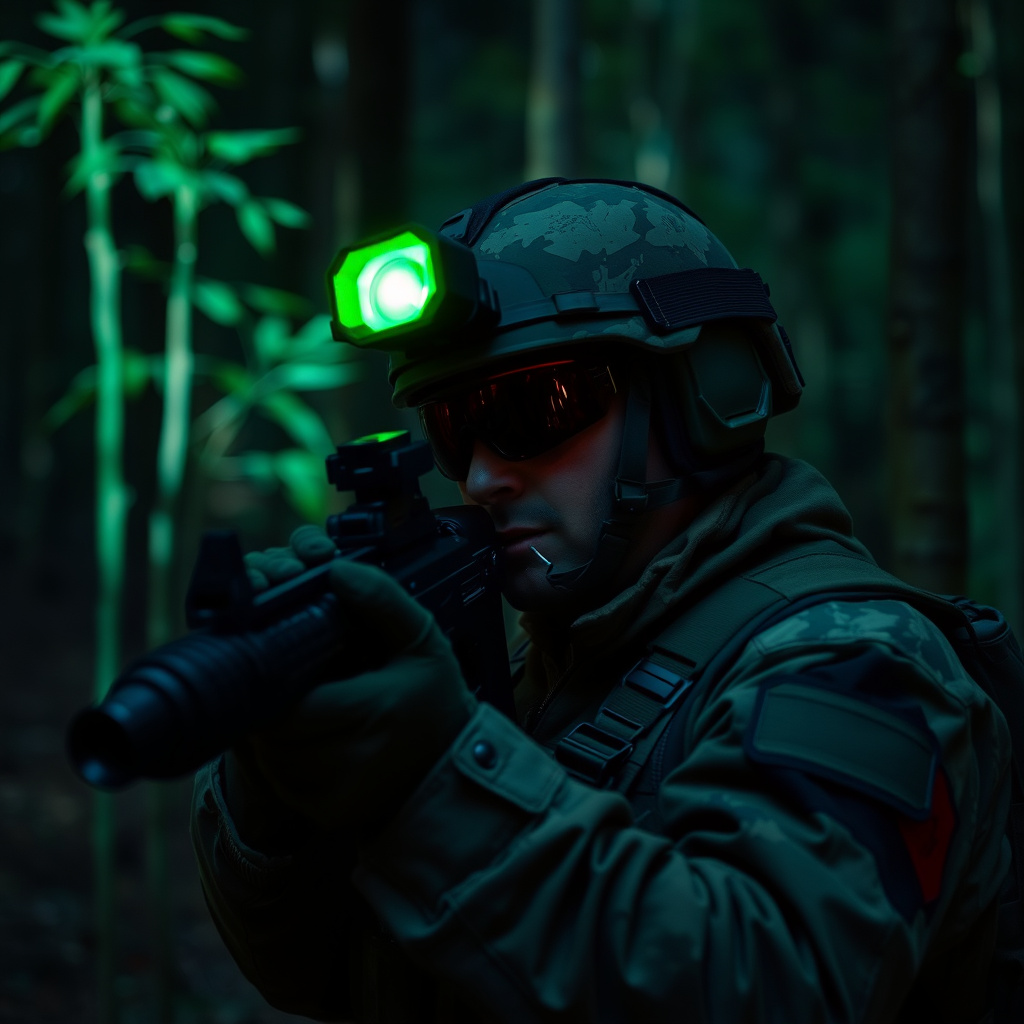
Military and Tactical Advantages
Green night vision allows military personnel to detect enemies and navigate terrain with improved detail and reduced eye strain.
This technology supports critical night operations where immediate visual information can save lives.
For more on this, see our related guide: Do Humans Have Night Vision? Understanding Our Low-Light Sight.
Civilian and Wildlife Observation
Green night vision is popular with hunters, wildlife researchers, and security personnel for its clarity in monitoring nocturnal animals or dark environments.
Its cost-effectiveness and performance make it accessible to civilian markets worldwide.
Future Trends in Night Vision Colors and Displays
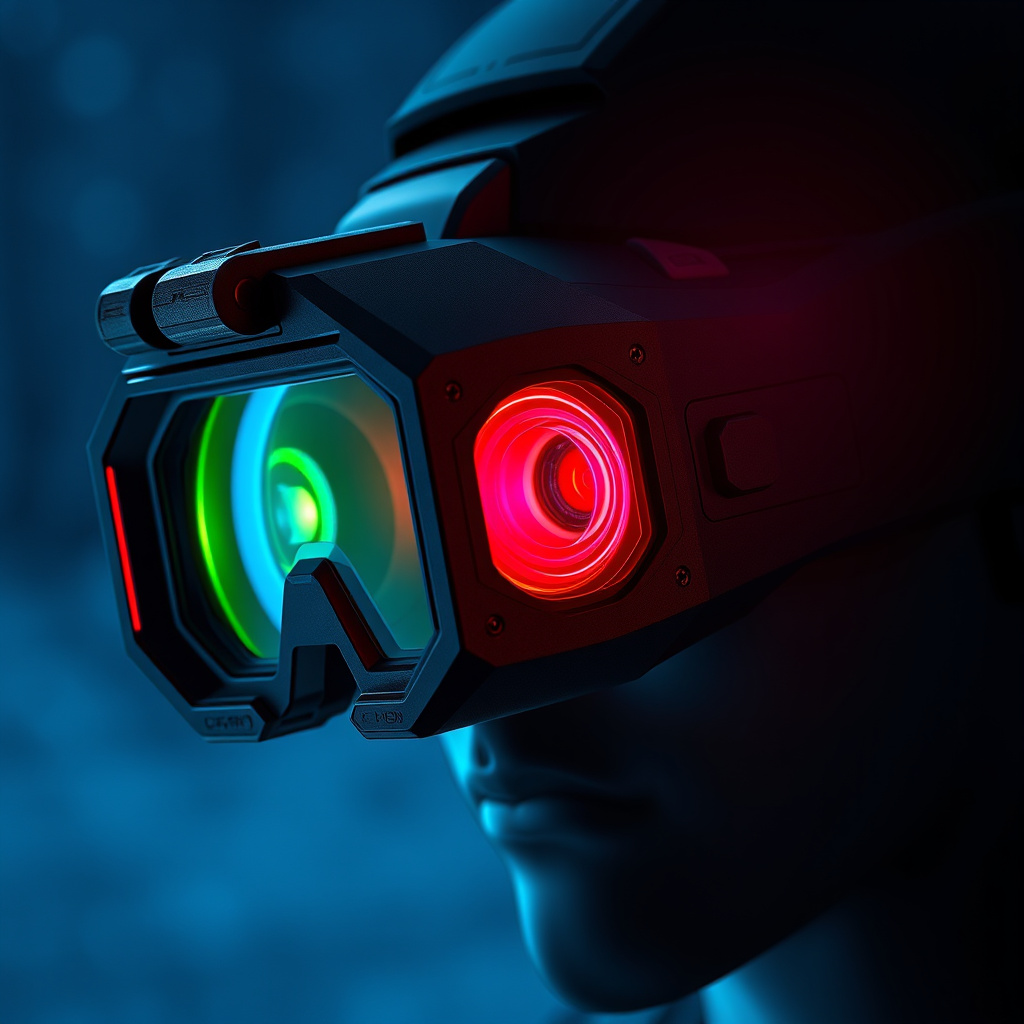
Emergence of Full-Color Night Vision
Recent advances aim to bring full-color night vision by integrating thermal imaging or advanced sensors but these technologies remain expensive and complex.
Full-color displays could offer more intuitive situational awareness but must overcome technical and cost barriers before widespread adoption.
For more detailed technical explanations, explore the comprehensive night vision technology explained on Wikipedia. night vision technology explained.
Hybrid Technologies and Innovations
Combining green image intensification with other imaging methods such as digital enhancement or augmented reality is an expanding field.
This hybrid approach may enhance night vision capabilities beyond traditional green images in the near future.
Night Vision Display Color Comparison
This table compares common night vision display colors based on brightness, eye strain, detail clarity, and typical applications.
| Display Color | Brightness | Eye Strain | Detail Clarity | Typical Use |
|---|---|---|---|---|
| Green | High | Low | High | Most military, civilian night vision devices |
| White | Very High | Medium | Medium-High | Specialist tactical and surveillance |
| Red | Medium | Low | Low | Preserving night eye adaptation, some scopes |
| Black & White | Medium | Medium | Medium | Basic, low-cost night vision devices |
Frequently Asked Questions
Why don't night vision devices use full-color displays?
Full-color night vision remains technically challenging and expensive. Current technologies mainly amplify available light in grayscale or green phosphor to optimize sensitivity and cost.
Is green light better for night vision than red light?
Yes, green light matches human eye sensitivity better, providing clearer images and less eye strain compared to red light, which is mainly used to preserve natural night vision.
Can night vision color affect battery life?
Display color itself has minimal effect on battery life. More significant impacts come from device electronics and power management rather than phosphor color.
Are there any disadvantages to green night vision?
Green phosphor screens can cause some users to perceive color distortions when switching to daylight, but these effects are minimal and most users adapt quickly.
Do all night vision devices use green phosphor screens?
Most traditional night vision devices use green phosphor screens due to their advantages, but some specialized devices use white phosphor or digital displays for specific applications.
Key Takeaways
- Green is chosen for night vision because the human eye distinguishes more shades of green.
- Phosphor screens convert amplified electrons into visible green light images.
- Alternative display colors exist but green balances detail clarity and eye comfort best.
- Future innovations may add full-color capabilities beyond traditional green displays.
Conclusion
Choosing night vision technology often comes down to understanding how the green phosphor screen enhances visibility and reduces eye strain. The technology’s foundation amplifies faint light, with the green tint optimizing what we perceive for clearer, detailed images. Recognizing these technical underpinnings helps users appreciate the benefits green night vision brings across varying conditions and applications.
For military and tactical operators, green night vision delivers unmatched clarity and comfort for extended night use, vital for mission success. Meanwhile, civilian users benefit from its accessibility and excellent image quality for wildlife observation or security. Although white and red phosphor displays have niche applications, green remains the most practical for general use due to human visual sensitivity and proven long-term performance.
If you are considering purchasing night vision equipment, focusing on devices with green phosphor screens is a reliable choice for most needs. Exploring models with alternative display colors or newer hybrid technologies could suit specialized purposes. Overall, understanding why night vision is green clarifies how this technology maximizes usability and comfort in low-light situations.