What Happens If You See a Red Fox at Night: Behavior and Safety Tips
Seeing a red fox at night is often a sign of their natural nocturnal activity. Red foxes are mostly active during twilight and nighttime hours, hunting and exploring their surroundings under the cover of darkness. Encountering one typically means you've stepped into their territory during their peak activity.
Understanding what happens when you spot a red fox at night matters because it can inform how you respond safely. Foxes are generally shy and avoid humans, but they might show curiosity or caution depending on factors like food availability or habituation to people. Recognizing their behavior can help reduce fears and promote safe coexistence.
This article will explain what behaviors to expect from red foxes at night, practical safety tips for nighttime encounters, insights into their nocturnal lifestyle, how to interpret their sounds and signals, and advice on preventing conflicts or misunderstandings.
Red Fox Nocturnal Behavior Patterns
Hunting and Foraging Habits
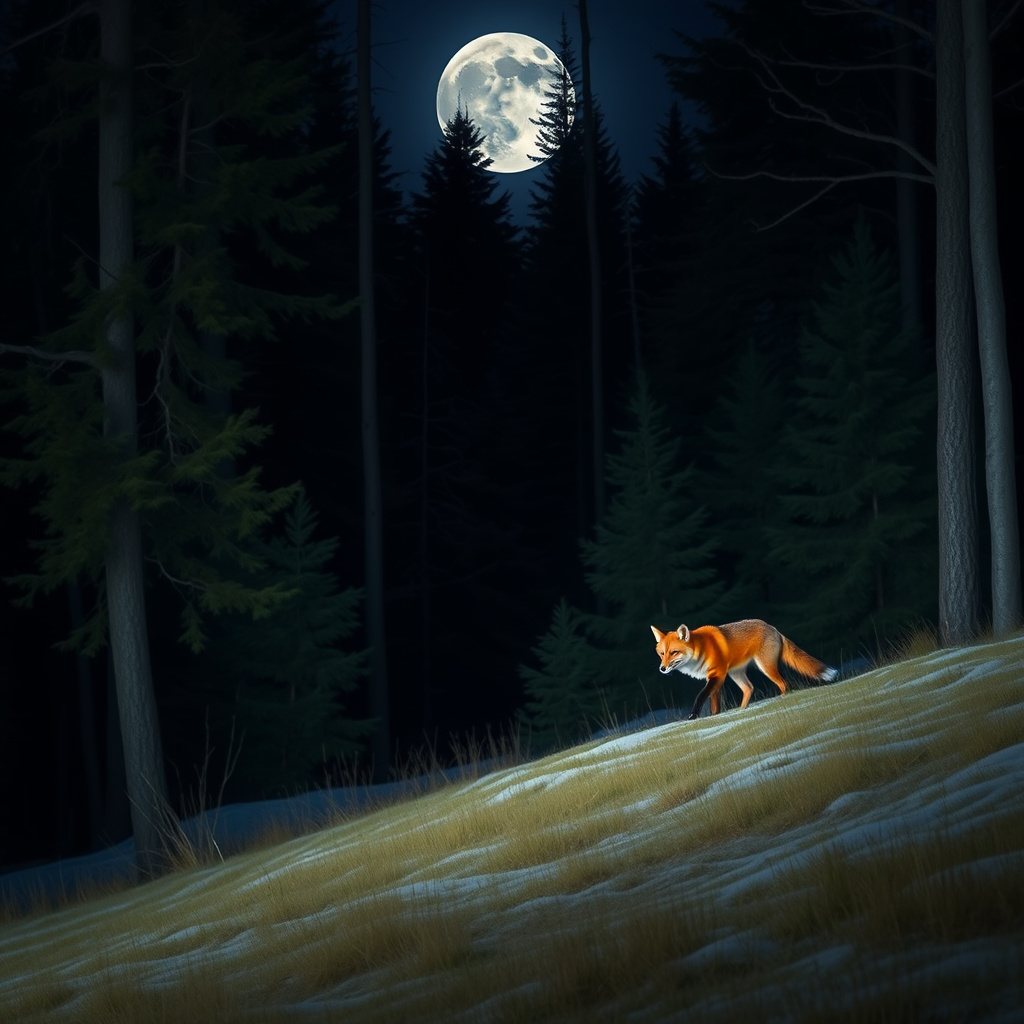
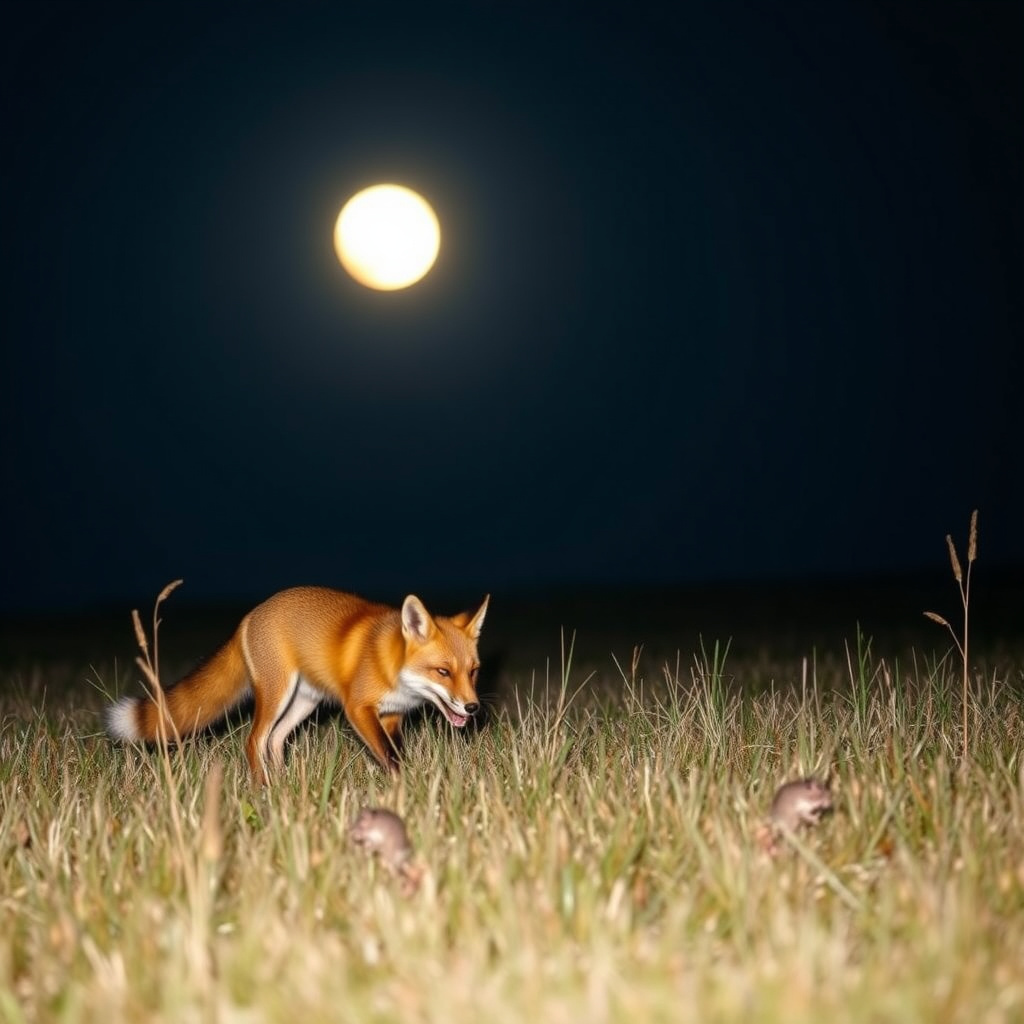
Red foxes rely heavily on their keen hearing and smell to hunt small mammals, insects, and birds during the night. Their stealthy movements and quick reflexes enable successful captures under limited lighting.
They use a combination of stalking and pouncing, often targeting rodents in open fields or woodland edges. The cover of darkness provides safety from larger predators while they search for food.
- Primarily hunt rodents and small prey
- Use acute senses for nocturnal hunting
- Prefer open areas near woods for foraging
Territorial and Social Behavior at Night
At night, red foxes mark and patrol their territories using scent markings and vocalizations to warn rivals. Their activity helps maintain social boundaries and mating opportunities.
They tend to avoid confrontations by communicating through specific calls and displays. Nighttime reduces the chance of human interaction, which suits their wary nature.
- Night patrols to mark territory
- Distinct vocalizations for communication
- Generally avoid human contact after dark
Safety Tips When Encountering a Red Fox at Night
How to React to a Nighttime Fox Sighting
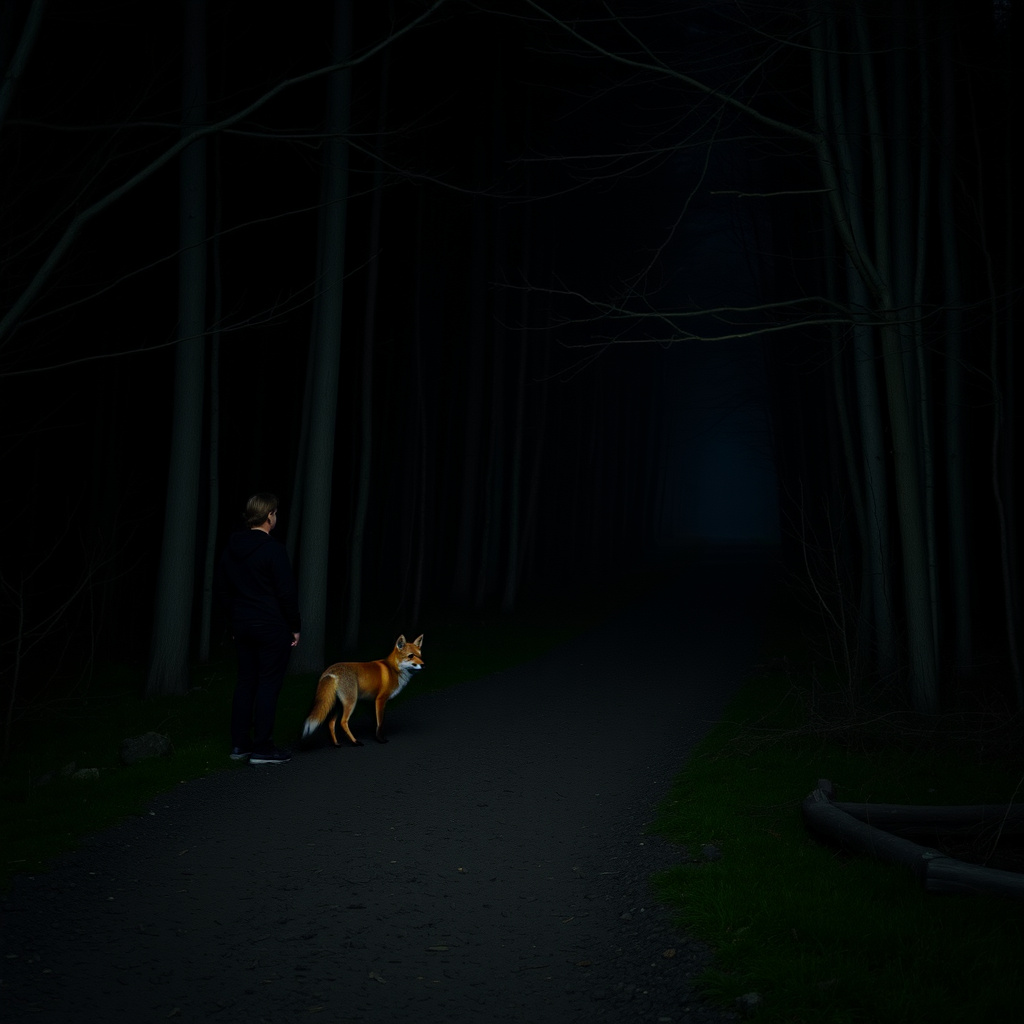
If you see a red fox at night, stay calm and avoid sudden movements. Do not approach or attempt to feed the fox, as this can encourage unwanted habituation.
Make your presence known by speaking calmly or making noise without yelling to discourage the fox from lingering near human areas.
- Remain still and calm
- Avoid feeding or approaching
- Use gentle noise to deter if too close
Preventing Conflicts with Nighttime Foxes
Remove food sources such as pet food or unsecured garbage to reduce attraction. Secure poultry or small pets in well-constructed enclosures during night hours.
Avoid leaving garden compost or feeding wildlife which may inadvertently encourage foxes to return repeatedly near your home.
- Eliminate outdoor food attractants
- Protect small pets with secure enclosures
- Avoid intentional feeding or wildlife feeding
Understanding Red Fox Vocalizations at Night
Common Nighttime Calls and Their Meanings
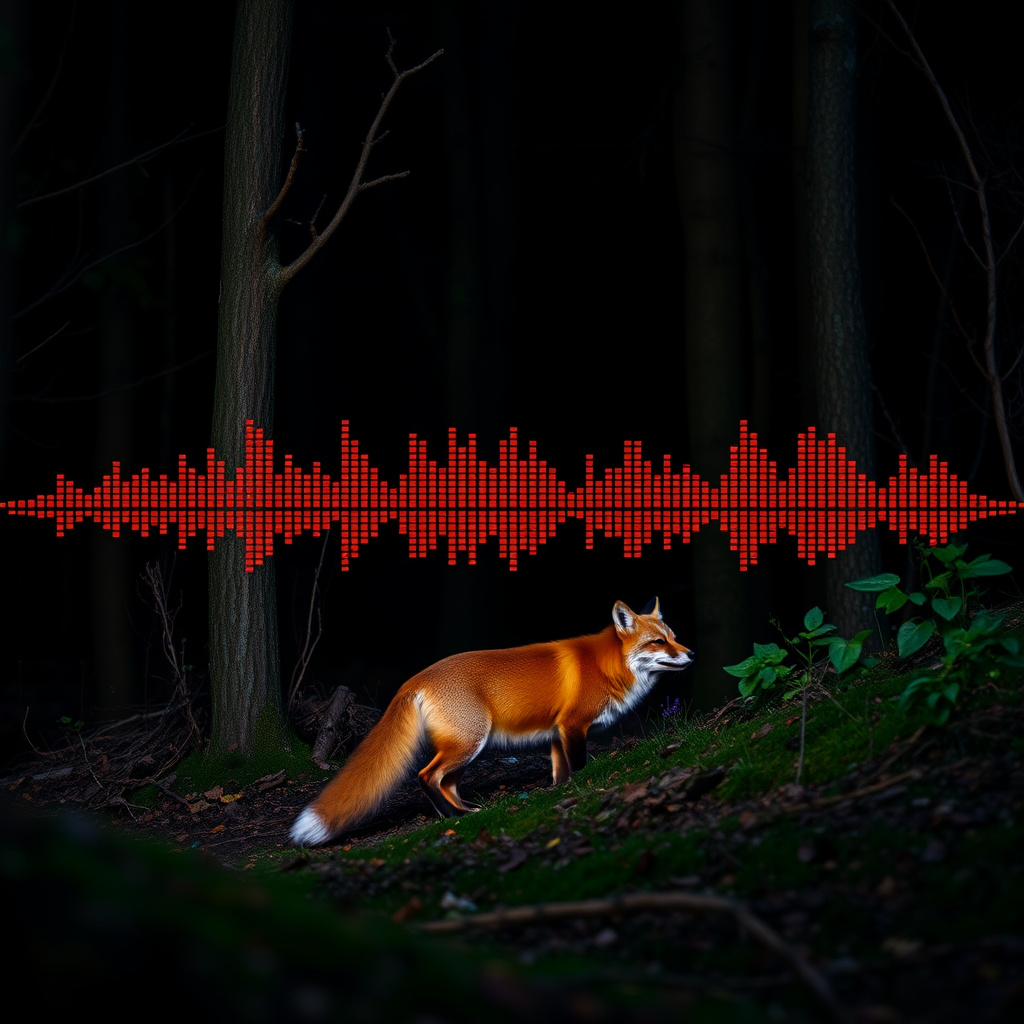
Red foxes produce a variety of sounds at night including barks, screams, and howls. A sharp bark often serves as an alarm or territorial warning.
Screams are typically mating calls or signals of aggression during encounters with rivals. Recognizing these vocalizations can help interpret nearby fox activity.
- Barks signal alarm or warning
- Screams mostly related to mating or conflict
- Various howls communicate territory or presence
Using Vocal Clues to Gauge Fox Behavior
Hearing frequent calls might indicate foxes are actively patrolling or nearby. If sounds escalate to high-pitched screams, it could signal disputes or mating season activity.
A quiet fox encounter with minimal vocalization usually means it is passing through and unlikely to stay.
Ecological Role of Red Foxes Active at Night
Controlling Rodent Populations
Red foxes significantly reduce rodent populations by preying on mice, voles, and rabbits. Their nocturnal hunting limits overpopulation of rodents which could otherwise damage crops and spread disease.
This natural pest control benefits agricultural areas and urban environments where rodents might thrive without predators.
- Predate on common rodent pests
- Help balance local ecosystems
- Reduce crop damage risks
Maintaining Biodiversity and Food Webs
As opportunistic feeders, red foxes impact the food web by keeping prey populations balanced and serving as prey for larger predators. Their nighttime activity complements daytime hunters.
This helps sustain biodiversity and promotes ecological health across habitats.
Common Misconceptions About Seeing a Red Fox at Night
Are Red Foxes Dangerous to Humans?
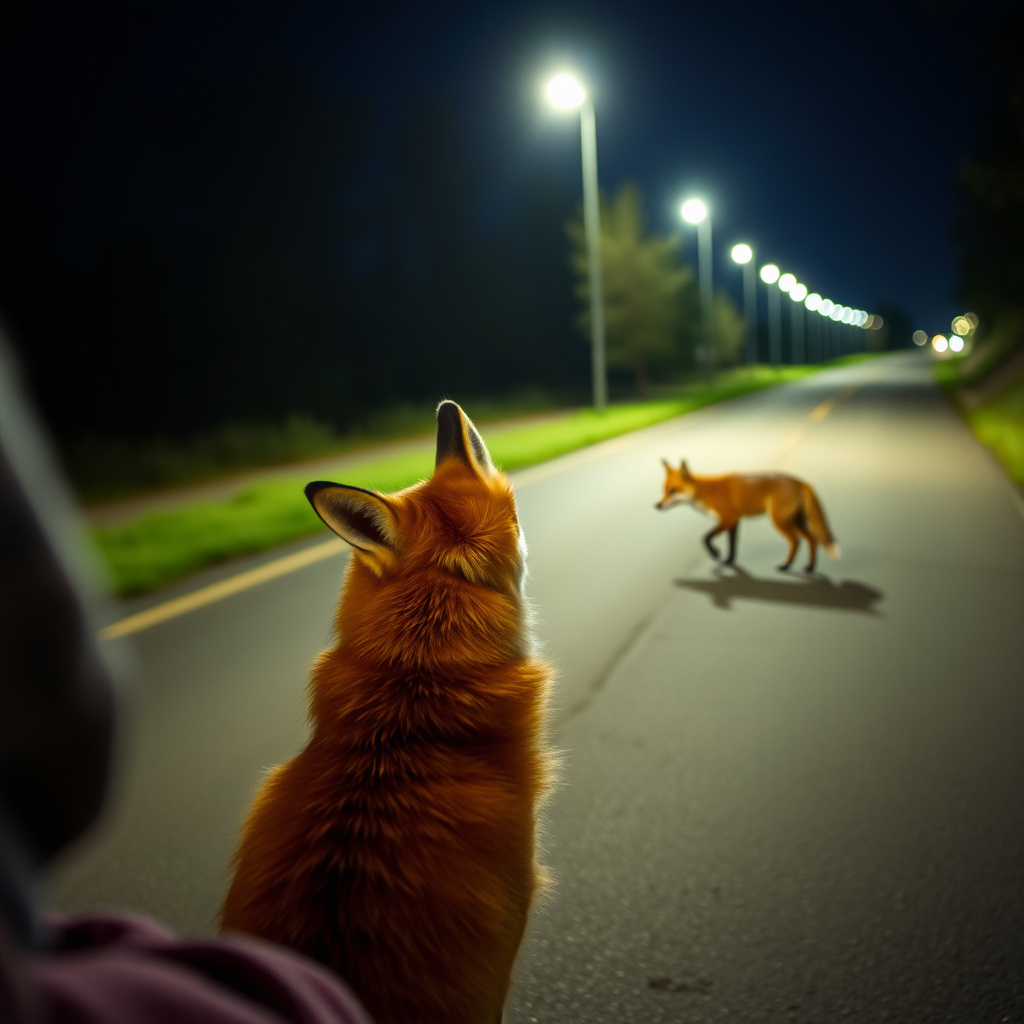
Red foxes are rarely dangerous to humans and typically avoid contact. Most nighttime sightings are of shy, cautious animals passing through.
Bites or attacks are extremely rare and usually linked to rabies or cornered animals, not routine behavior during a night encounter.
Does Nocturnal Appearance Signal Aggression?
Seeing a red fox at night does not mean it is aggressive. Their nocturnal lifestyle reflects an evolutionary adaptation to avoid predators and human disturbance.
Aggressive behaviors are uncommon unless the fox feels threatened or is defending its territory.
How to Encourage Safe Coexistence with Nighttime Red Foxes

Habitat Modification and Secure Habits
Creating barriers like fencing and securing trash bins limits fox access to human food and shelter areas. Maintaining clean yards discourages foxes from settling too close.
Planting native vegetation away from human traffic also provides safe natural spaces for foxes further from homes.
- Use secure fencing to deter foxes
- Keep outdoor areas clean and free of food waste
- Support natural vegetation buffers
For more detailed information about the red fox’s habits and adaptations, you can visit the red fox information on Wikipedia. red fox information on Wikipedia.
Community Education and Awareness
Raising awareness about red fox behavior and peaceful coexistence can reduce unnecessary fear or harmful actions. Informing neighbors on how avoid attracting foxes helps entire communities.
Educational programs promote respect for wildlife and encourage reporting suspicious behaviors responsibly.
Red Fox Sightings at Night: Urban vs Rural Comparison
This table compares typical red fox behavior, risks, and sightings differences between urban and rural nighttime environments.
| Setting | Typical Fox Activity | Human Interaction Level | Risk Factors |
|---|---|---|---|
| Urban | Often scavenging, less natural prey available | Higher due to proximity, but foxes remain shy | Food attractants, pets at risk, habituation |
| Rural | Primarily hunting wild prey in natural habitat | Lower, foxes more wary of humans | Fewer food attractants, greater natural predator avoidance |
Frequently Asked Questions
Can a red fox attack humans at night?
Red foxes rarely attack humans. They tend to be shy and avoid confrontation, especially at night. Attacks typically only happen if a fox is rabid or feels cornered.
Why are red foxes active mainly at night?
Red foxes are nocturnal to avoid predators and human activity, giving them safer hunting opportunities when prey is also active.
Is it safe to take photos of a red fox at night?
Yes, it is safe as long as you maintain distance, avoid flash photography, and do not attempt to approach or feed the fox.
What should I do if a red fox approaches my property at night?
Make noise calmly to encourage it to leave, remove any food attractants, and secure pets indoors or in protected areas.
Are red foxes attracted to lights at night?
Red foxes are generally not attracted to lights but may use dim urban lighting to navigate while hunting.
Key Takeaways
- Red foxes are primarily nocturnal hunters relying on stealth and keen senses.
- They generally avoid humans but may be curious or cautious at night.
- Safe encounters involve calm behavior and not feeding or approaching them.
- Prevent conflicts by removing food attractants and securing pets.
Conclusion
Deciding how to respond when you see a red fox at night depends on understanding their natural nocturnal behavior and cautious nature. They serve an important ecological role controlling small mammals, but their nighttime activity can occasionally bring them close to humans. Responding with calm respect and patience allows for peaceful coexistence without risking conflict or harm to either party. Recognizing their calls and territorial behaviors enriches awareness of the surrounding ecosystem you share.
For those living in urban or rural areas, observing red foxes at night suggests different precautions. Urban foxes may be more habituated to human presence, so removing food attractants and securing garbage becomes the priority to prevent habituation and food dependency. Rural observers should respect natural boundaries but can appreciate watching these skilled nocturnal hunters in action. In either setting, educating neighbors and communities about red fox nocturnal behavior reduces fear and encourages responsible interaction.
If you encounter a red fox at night again, keep a respectful distance, avoid sudden movements or feeding, and gently deter the animal if it comes too close using calm vocalization. Supporting natural habitats away from homes allows red foxes to thrive in their nightly activities while minimizing concerns for people. This balanced approach fosters a healthier relationship between wildlife and human neighborhoods, making nighttime sightings a fascinating glimpse into local nature rather than a cause for alarm.