Is Night Vision Infrared? Understanding How Night Vision Technology Works
Yes, most night vision devices rely heavily on infrared technology, but not all use it to the same extent. Modern night vision often works by amplifying available light—even starlight—in combination with infrared illumination that is either detected passively or emitted actively by the device. This can cause some confusion because people associate the eerie green glow of night vision with any light beyond visible wavelengths, but the mechanism actually varies depending on the type and generation of the device.
Understanding whether night vision is infrared matters because it affects what you can see, how stealthy the technology is, battery longevity, and even what types of environments it's useful in. Whether you're considering equipment for wildlife observation, security, or tactical missions, knowing the role of infrared can help you pick the right tool for your needs.
In this article, you’ll uncover exactly how night vision devices work, the role of infrared in night vision, the differences between thermal and image intensification, the practical applications of each technology, and how to choose between them. We'll also compare categories like infrared night vision goggles versus thermal imagers, and clear up common myths along the way.
How Night Vision Technology Works
The Basics of Image Intensification
Image intensifier night vision devices amplify existing visible and near-infrared light through a photocathode, which then produces electrons. These electrons hit a phosphor screen, creating the familiar green-tinted image. This process works even in starlight, making it ideal for extreme low-light situations without relying solely on artificial lighting.
Although these devices don’t emit infrared light, they are sensitive to the near-infrared spectrum, picking up what the human eye can't see. This sensitivity allows users to detect heat signatures indirected through reflected light, but not the direct emission of objects as in thermal imaging.
Infrared Illumination and Its Role
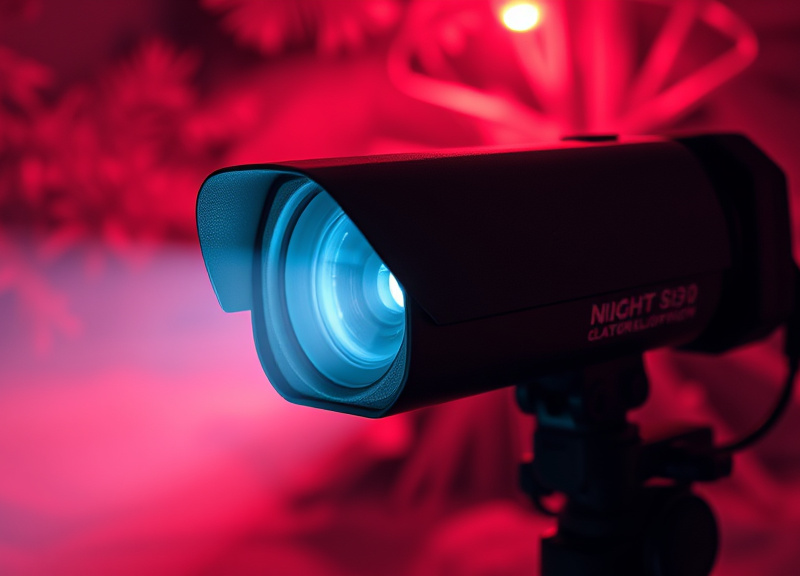
Active night vision devices feature infrared illuminators that project invisible light into the environment, similar to a flashlight humans can't see. The device then picks up the reflected IR light to generate a visible image, allowing for vision in complete darkness.
Using an IR illuminator can compromise stealth, as some cameras and other night vision devices can detect the IR beam. However, the added light dramatically increases clarity in zero-light situations, which is why infrared night vision goggles are popular for security and surveillance.
- IR illuminators are detectable by some sensors
- Essential for pitch-black environments
- Found in many consumer security cameras
Is Night Vision Infrared? Debunking Common Myths
Night Vision vs. Infrared Vision
While all night vision devices are sensitive to some wavelength of infrared, not all operate primarily in the IR spectrum. Image intensifiers mainly use visible and near-IR light, whereas thermal imagers detect far-infrared wavelengths from heat emissions.
Confusing night vision with infrared alone overlooks advances in technology. Both can see in the dark, but their methods and applications diverge significantly, affecting what you can detect and how accurately.
Misconceptions About Night Vision Technology
A common misconception is that all night vision is the result of thermal imaging. In reality, most devices on the market—like the bulk of infrared night vision goggles—amplify visible and near-IR light, not heat signatures.
This misunderstanding can lead to purchasing the wrong device for your needs: thermal imagers and night vision offer different strengths, so it’s essential to distinguish between them.
- Night vision doesn't always detect heat
- Thermal imagers require no light to function
- Most consumer devices use image intensification
Thermal Imaging vs. Infrared Night Vision Goggles
How Thermal Imaging Differs
Thermal imaging detects far-infrared radiation directly emitted by objects due to their heat, creating high-contrast images even in total darkness, obscured fog, or smoke.
Unlike night vision, thermal viewers ignore ambient light, making them ideal for search and rescue or wildlife detection in challenging environments. They’re not affected by glare or light blooming.
- No reliance on ambient light
- Great for detecting hidden or camouflaged objects
- Cannot show details like facial features
For more on this, see our related guide: How to Create Night Vision: A Practical Guide for DIY Enthusiasts.
When to Choose Infrared Night Vision Goggles
Infrared night vision goggles shine when clarity and detail are priorities. They provide sharp, high-resolution images in low-light with less distortion than many entry-level thermal imagers.
These goggles work best for navigation, surveillance, and activities requiring identification, such as law enforcement or nighttime wildlife watching.
- Improved image detail for identification
- Lower cost than advanced thermal devices
- Susceptible to blooming from bright lights
Applications and Suitability for Different Environments
Night Vision for Outdoor Recreation
Campers, hikers, and hunters use night vision and infrared night vision goggles for navigation, tracking, and observation after dark. Devices with IR illuminators provide vision even in dense forests or moonless nights.
Choosing the correct technology depends on environment and subject: movement and detail are easier to discern with image intensifiers, while thermal imagers excel at finding hidden animals.
- Hunting
- Overnight hiking
- Wildlife watching
Security, Surveillance, and Tactical Uses
Security professionals and law enforcement often prefer infrared night vision goggles for identifying intruders or suspects in low-light environments, maintaining situational awareness, and providing evidence.
Thermal imaging is also used in these fields, especially when searching for people hiding among dense brush or in complete darkness, but it’s more expensive and less detailed for identification.
- Home surveillance
- Law enforcement operations
- Border security
Choosing the Right Night Vision Technology
Evaluating Generations and Specifications
Night vision devices come in generations (Gen 1, 2, 3, and 4), each offering improvements in light amplification, resolution, and IR sensitivity. Higher generation devices provide better image clarity and performance in near-total darkness.
Consider your requirements and budget—Gen 1 is affordable but less effective, while Gen 3 and higher offer professional-grade performance necessary for demanding tasks.
- Gen 1: Entry-level, affordable
- Gen 2: Better clarity, moderate price
- Gen 3/4: High-end, military-grade
For more on this, see our related guide: How Do Night Vision Devices Work: The Science Behind Seeing in the Dark.
Budget, Durability, and Use Case Considerations
Price, intended use, and ruggedness are as important as optical performance. Entry-level infrared night vision goggles can cost under $200, while thermal imagers command prices in the thousands.
Durable, water-resistant devices are essential for fieldwork, while long battery life matters for extended operations. Balance technical needs with what you can reliably carry and maintain.
- Assess cost versus performance needs
- Prioritize size/weight for mobility
- Check for weatherproof ratings
Caring for and Maximizing Night Vision Performance
Maintenance and Handling Tips
Proper cleaning and handling of night vision devices prolong performance. Use lens cloths and avoid harsh chemicals. Never expose optics to direct sunlight, as this can permanently damage sensitive photocathodes.
Store devices in padded, dry cases, and remove batteries if not used regularly to prevent corrosion or accidental leaks.
- Use a microfiber lens cloth for cleaning
- Store in a cool, dry environment
- Avoid contact with moisture
For a deeper technical dive into the science and history, consider exploring this comprehensive overview of night vision devices. night vision devices.
Maximizing Longevity and Performance
Replace batteries frequently and choose low-drain models. Avoid extended use of IR illuminators to save battery and stay discreet. Let your eyes adjust to darkness before activating night vision to optimize effectiveness.
A few minutes of dark adaptation can improve both device output and your own vision, making night tasks more efficient and enjoyable.
Night Vision Technology Category Comparison
Understanding how key night vision technologies compare helps you select the best option for your application. Refer to this table for a quick overview.
| Technology | Detection Method | Clarity/Details | Best Use Case | Price Range |
|---|---|---|---|---|
| Image Intensifier | Amplifies visible & near-IR light | High (green tint) | Navigation, general surveillance | $180–$3,000 |
| Infrared Night Vision Goggles | Amplifies light + active IR | Moderate-High | Security, pitch black use | $140–$2,500 |
| Thermal Imaging | Detects heat (far-IR) | Moderate (heat only) | Search & rescue, wildlife detection | $700–$12,000 |
| Digital Night Vision | CMOS–sensor amplifies light + IR | Varies by resolution | Versatile, video recording | $120–$1,500 |
| Hybrid Devices | Combines intensifier & thermal | Excellent, both modes | Professional, military, SAR | $2,000–$18,000 |
Frequently Asked Questions
Are all night vision devices the same as infrared cameras?
No, not all night vision devices are infrared cameras. Night vision amplifies existing light (including some infrared), while infrared cameras usually refer to thermal imagers that detect heat.
Which is better for security: night vision or thermal imaging?
Both have advantages: night vision provides clearer identification in low light, while thermal imaging detects heat and is excellent for finding hidden people or animals, especially in total darkness.
Can you see infrared illuminators with the naked eye?
Most IR illuminators emit light beyond the visible range, so you won't see the beam. However, some very bright IR LEDs may show a faint red glow from the diode, but not the actual invisible light.
Do night vision goggles work in complete darkness?
Standard night vision goggles need some ambient light, like starlight or moonlight. Models with built-in infrared illuminators can work in total darkness by emitting their own invisible IR light.
Do all wildlife cameras use infrared at night?
Most trail and wildlife cameras use infrared LEDs for illumination, letting them capture clear images without disturbing animals. This makes infrared night vision an essential feature for nocturnal wildlife monitoring.
Key Takeaways
- Night vision commonly uses infrared, but not all devices are purely infrared.
- Image intensifiers and thermal imagers serve different needs and environments.
- Infrared night vision goggles offer clarity and versatility at reasonable prices.
- Device choice depends on application: security, navigation, or wildlife observation.
Conclusion
Navigating the complexities of night vision technology requires understanding the nuanced relationship between infrared light and how these devices function. The core question, 'is night vision infrared?', doesn’t have a simple yes-or-no answer; rather, it emphasizes the hybrid capabilities of modern night vision devices. Some rely solely on amplification of available light, while others augment their effectiveness with active IR illumination or heat detection, offering flexibility to meet a variety of use cases and environments. Deciding between these options requires knowing precisely what you need the technology to do, from discrete observation to search and rescue under total blackout conditions.
For those seeking cost-effective, detailed nighttime imaging for security or recreation, infrared night vision goggles represent the best balance of performance and accessibility, offering both image clarity and the versatility to operate in near-total darkness. Advanced users in professional or military settings may benefit from hybrid technologies or pure thermal imagers, which perform better in harsh or lightless environments but often come at a steep cost. Meanwhile, image intensifier devices are suitable for general navigation and surveillance whenever minimal light is present, while digital night vision can be ideal for those wanting recording capabilities.
Ultimately, the best approach is to assess your unique environment and objectives before making a purchase. Carefully weigh the strengths and limitations of image intensifier, infrared night vision goggles, thermal imaging, and digital night vision technologies as outlined in the comparison table. By matching the right device to your intended application, you’ll maximize the technology’s utility and ensure reliable, effective performance whenever darkness falls.