How Many States Have Their Own Bureau of Investigation? A Guide to State-Level Investigative Agencies
As of 2024, thirty-four states in the US have their own official state-level Bureau of Investigation (such as the Georgia Bureau of Investigation or Colorado Bureau of Investigation), while others assign these investigative duties to state police, highway patrol, or separate divisions. These agencies serve as specialized law enforcement entities handling major crimes, forensic services, and often assisting local jurisdictions.
This matters because the presence or absence of a dedicated state bureau can directly impact the coordination, expertise, and resources allocated to complex criminal investigations. State Bureaus of Investigation (SBI) often handle major cases like homicides, child abductions, organized crime, cybercrimes, and public corruption, offering expertise that smaller police departments may lack.
In this article, you’ll learn exactly how many states have their own Bureau of Investigation, why these agencies exist, what roles they play compared to state police or other law enforcement bodies, explore a list of state bureaus of investigation, and compare their structures, scopes, and naming conventions across the country.
Understanding State Bureaus of Investigation
What is a Bureau of Investigation?
A State Bureau of Investigation (SBI) is a statewide law enforcement agency with jurisdiction to investigate serious crimes, including homicides, drug trafficking, public corruption, and complex fraud. While names may differ, their functions often mirror those of the FBI at a state level.
Distinct from regular law enforcement or highway patrol, SBIs have detectives trained in criminal investigations and forensics. They typically support local law enforcement with technical resources or manpower in major cases.
Purpose and Functions of State Bureaus
State bureaus provide support in complex cases, manage crime labs, run forensic analysis, and assist in digital investigations. Their centralized oversight helps ensure consistency and expertise in investigations that cross local jurisdictions.
By offering specialized services like fingerprint databases and laboratory testing, these agencies help smaller departments solve crimes they couldn’t otherwise tackle due to limited resources.
- Major crimes investigation
- Crime scene processing
- Forensic laboratory services
- Criminal databases management
How Many States Have a Bureau of Investigation?
Current Count and Geographic Spread
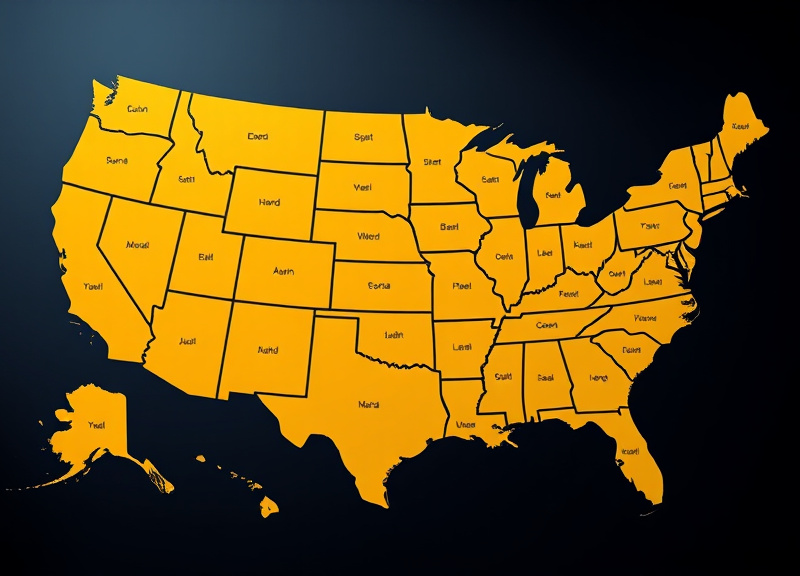
Thirty-four states currently operate their own Bureau of Investigation or agency with 'Bureau of Investigation' in its name. This accounts for two-thirds of all US states, with clusters in the West, Midwest, and South.
States like California, Texas, and Ohio do not have a 'Bureau of Investigation' as a stand-alone agency, relying instead on divisions within state police or departments of public safety to fulfill similar roles.
States Without a Dedicated Bureau
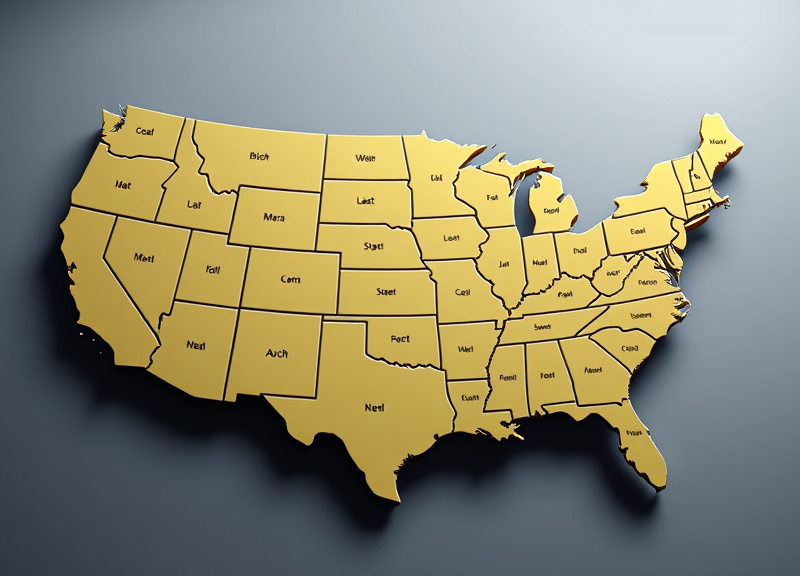
Sixteen states do not have a dedicated Bureau of Investigation. Instead, state police or highway patrol agencies manage criminal investigations. Some states create specialized units or task forces to address certain crimes.
This alternative approach may lead to overlapping responsibilities or gaps in resources, especially in rural regions, compared to states with a centralized Bureau.
- No dedicated Bureau in California, Texas, New York, and others
- Duties handled by state police or specialized units
List of State Bureaus of Investigation Across the US
Representative Agencies by State
The list of state bureaus of investigation includes well-known agencies such as the Georgia Bureau of Investigation (GBI), Colorado Bureau of Investigation (CBI), and Tennessee Bureau of Investigation (TBI). Each serves as the central investigative body within its respective state.
While names can vary, most follow the 'State Name Bureau of Investigation' format. Some, like Kentucky's Department of Criminal Investigation, perform identical functions despite differing titles.
- Georgia Bureau of Investigation
- Colorado Bureau of Investigation
- Tennessee Bureau of Investigation
- Oklahoma State Bureau of Investigation
For more on this, see our related guide: How Can I Tell If I Have a Criminal Record? A Clear Step-by-Step Guide.
States with Similar Agencies Under Different Names
Some states operate investigative agencies under names like Division of Criminal Investigation (e.g., South Dakota) or State Police Investigative Division. They provide comparable services, including major case investigations and forensic science.
The main distinction is often organizational, with investigative divisions housed within larger public safety or law enforcement agencies.
- South Dakota Division of Criminal Investigation
- Montana Department of Justice – Division of Criminal Investigation
- Virginia State Police Bureau of Criminal Investigation
How State Bureaus of Investigation Differ from State Police
Jurisdiction and Responsibilities
Bureaus of Investigation typically have a civilian detective staff focused solely on criminal investigations, while state police handle patrol, traffic, and enforcement duties in addition to some investigative functions.
SBIs more closely resemble the FBI in their methodology and case management, often taking over when cases become complex, multi-jurisdictional, or require advanced forensic services.
- SBI: Specialized criminal investigations
- State Police: General law enforcement and patrol
Interagency Coordination
Bureaus of Investigation routinely collaborate with local law enforcement, sheriff’s offices, and district attorneys. They may also partner with federal agencies on joint task forces.
State bureaus serve as hubs of expertise, especially in rural states where local police have limited investigative capacity, fostering statewide collaboration and crime-solving.
Scope of Authority and Types of Cases Handled
High-Profile and Specialized Investigations
State bureaus of investigation are called in for major crimes such as murders, kidnappings, financial fraud, organized crime, and large-scale drug cases. Their broad state jurisdiction allows them to cross county lines with ease.
They also handle sensitive cases including child exploitation, officer-involved shootings, and cybercrime, ensuring unbiased and expert-level investigations.
For more on this, see our related guide: How Do You Report Internet Scams Effectively: A Practical Guide.
Support Services to Local Agencies
In addition to direct investigations, SBIs offer forensic science labs, digital forensics, criminal databases, and training to local officers statewide. Many manage state crime labs and maintain DNA and fingerprint databases.
Their support functions streamline local investigations, making advanced technology and expertise accessible to even the smallest communities.
- Statewide forensics labs
- Victim assistance
- Training programs for police
- Digital crime support
Evolution and Trends in State-Level Investigative Agencies
Growth in Number and Complexity
The number of state bureaus of investigation has gradually increased since the early 20th century, responding to rising crime complexity and the need for expertise. More states have recognized the advantages of a centralized specialized investigative body.
Technological advances, population growth, and federal funding for homeland security have further expanded the scope and sophistication of these agencies.
For a deeper dive into the history, structure, and existence of these agencies, see this comprehensive state bureaus of investigation overview. state bureaus of investigation overview.
Recent Developments and Modern Challenges
State bureaus now address a wider range of crimes, from traditional violent offenses to emerging threats like cyberattacks, opioid distribution, and human trafficking. Many units have added digital forensics and intelligence analysis divisions.
As technology evolves, these agencies adapt to provide efficient, relevant crime-fighting resources and foster cooperation between state and federal authorities.
- Cybercrime and digital forensics expansion
- Integrated anti-drug and trafficking task forces
- Community and victim outreach programs
State Bureau of Investigation Models Compared
Here’s a comparison of different state-level investigative agency models, highlighting naming conventions, main duties, and agency structure across the US.
| Agency Type | Example State | Main Duties | Parent Department |
|---|---|---|---|
| Official 'Bureau of Investigation' | Georgia | Major crimes, forensics, specialized support | Standalone Agency |
| Division of Criminal Investigation | South Dakota | Similar to SBI; includes white-collar and cybercrime | Department of Criminal Justice |
| Investigations Unit in State Police | New York | Investigations plus patrol duties | State Police |
| Crime Control & Public Safety Investigative Division | North Carolina | General investigations, forensics | Department of Public Safety |
| Specialized Task Force Model | Texas | Targeted task forces (cybercrime, narcotics) | Texas Rangers/Department of Public Safety |
Frequently Asked Questions
Do all states have a Bureau of Investigation?
No, only thirty-four states have specifically named Bureaus of Investigation. The remaining states delegate investigative functions to state police, highway patrol, or special divisions within other agencies.
How do state bureaus of investigation differ from the FBI?
State bureaus of investigation handle crimes at the state level, while the FBI operates nationwide focusing on federal crimes. Both employ advanced investigative and forensic resources but serve different jurisdictions.
Do states without a Bureau of Investigation lack investigative capacity?
Not necessarily. Those states often have strong investigation divisions within state police or other agencies, but may lack the specialization and independence found in dedicated bureaus.
Can local police request help from a state bureau of investigation?
Yes, local departments routinely request assistance from their state bureau for major crimes, forensic work, or technical support. This partnership can significantly improve crime-solving capacity.
What is the most well-known state bureau of investigation?
The Georgia Bureau of Investigation and the Colorado Bureau of Investigation are among the most notable, frequently cited as models for other states due to their resources and breadth of operations.
Key Takeaways
- Thirty-four US states have a dedicated Bureau of Investigation.
- Naming and structure vary; functions often include forensics and major crime investigations.
- States without an SBI typically assign duties to state police.
- SBIs bring advanced expertise and resources to complex criminal investigations.
Conclusion
Understanding how many states have their own Bureau of Investigation is essential for recognizing the diversity of American law enforcement models. The presence of an SBI brings high-level investigative expertise, centralized forensic resources, and interagency coordination, making these agencies a vital component in solving complex, multi-jurisdictional crimes. Where they don’t exist, other law enforcement bodies attempt to fill the gap, but often with different organizational strengths and challenges.
If you’re seeking forensic support or specialized investigative assistance, knowing whether your state has a stand-alone bureau (like the Georgia Bureau of Investigation or the Tennessee Bureau of Investigation) can help you navigate the right channels. In states that rely on state police or alternative divisions, requesting support may involve different protocols or access to different resources. The list of state bureaus of investigation provided in this article can serve as a quick reference.
As crime becomes more complex, the role of a state’s Bureau of Investigation — or its equivalent — grows increasingly important. For readers in law enforcement or the legal field, understanding your state’s investigative landscape is crucial for leveraging all available resources. For concerned citizens or policymakers, supporting and resourcing these agencies ensures that justice is served efficiently and expertly.