What is Red Dot Sight? A Complete Guide to Red Dot Optics for Shooters
A red dot sight is an optical device designed to help shooters quickly acquire their targets by projecting a single, illuminated red dot as the aiming point. Unlike traditional iron sights, which require careful alignment of the front and rear sights, a red dot sight enables users to aim with both eyes open and focus on the target itself—a feature that greatly improves speed and accuracy in dynamic shooting environments.
This matters because whether you're a hunter, competitive shooter, law enforcement professional, or a recreational user, target acquisition speed can make all the difference. The enhanced field of view and intuitive reticle are just two reasons why red dot sights have surged in popularity in recent years, eclipsing many older aiming systems.
In this guide, you’ll learn exactly what a red dot sight is, the main options available, how they work, critical technical considerations, and practical tips for selecting the right model. By the end, you’ll know when to choose a red dot optic, the pros and cons, and how to maximize its effectiveness in your shooting pursuits.
How Red Dot Sights Work
Basic Optical Principle
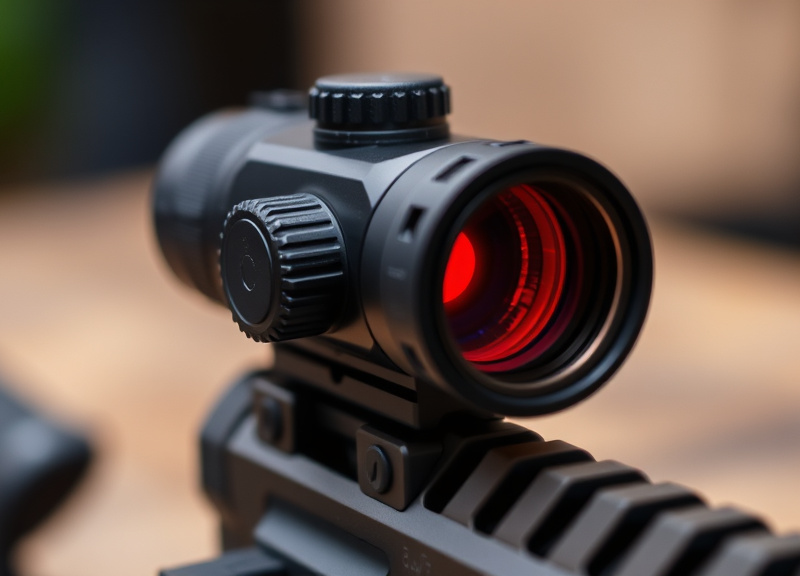
Red dot sights use a lens and an LED emitter to project a single dot image onto the aiming window. The dot is reflected toward your eye by a specially coated lens, while remaining invisible from the front of the sight. This eliminates parallax at reasonable distances, making the aiming process highly intuitive.
The brightness of the dot can be adjusted to suit lighting conditions. Premium models often provide clear, crisp dots with minimal glare or distortion, ensuring reliable performance in diverse environments.
- Single illuminated red dot
- Non-magnifying optic
- Broad, clear field of view
Electrical Components and Durability
Inside a red dot sight, a compact battery powers the LED. High-quality models feature circuitry that maximizes battery life—sometimes enabling thousands of hours of use before replacement. Robust casings protect electronics from recoil, shock, and adverse weather conditions.
Weatherproofing, impact resistance, and battery efficiency are essential features to evaluate, especially if your red dot sight will endure heavy or outdoor use.
Types of Red Dot Sights
Tube-Style vs. Open Reflex Models
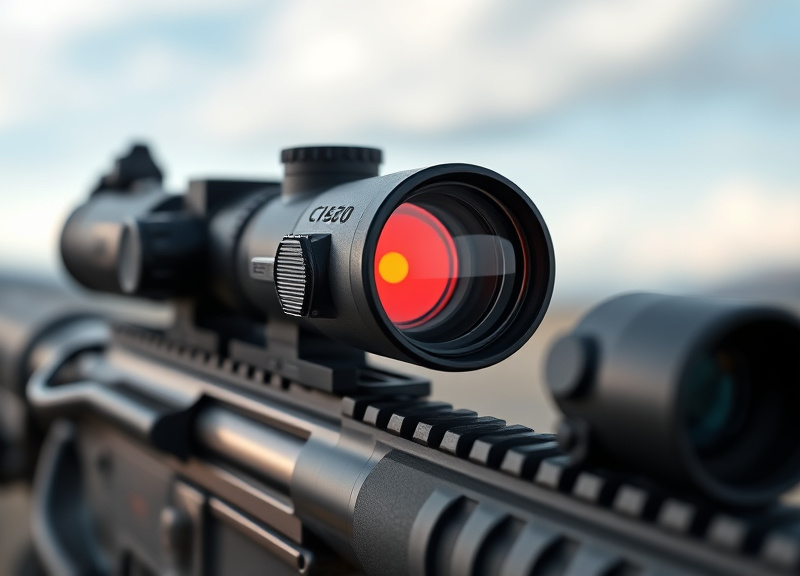
Tube-style red dot sights resemble small telescopic scopes, offering adjustable brightness and compatibility with filters or magnifiers. Reflex (open) sights have a minimalist profile, featuring an exposed lens and compact body for lightweight use.
Each style offers unique advantages: tube sights excel in harsher environments, while open reflex models are ideal for pistol or shotgun use where minimal bulk is preferred.
- Tube-style: better weather resistance
- Open reflex: lighter & faster target acquisition
Mini and Micro Red Dots
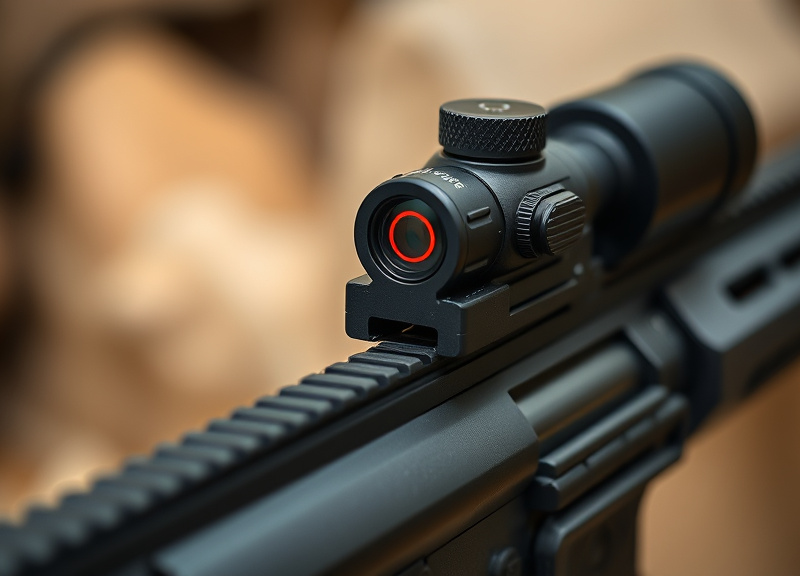
The rise of micro red dot sights has made them popular for handguns and compact carbines. These tiny optics fit almost flush to the firearm, preserving balance and concealability. Despite their size, many deliver impressive durability.
Mini and micro sights often use mounting plates or adapter systems. Check compatibility with your firearm before purchasing for seamless installation.
Benefits of Using a Red Dot Sight
Speed and Accuracy
Red dot sights dramatically reduce the time it takes to aim accurately. By merging the reticle and target into a single focal plane, shooters stay focused on what matters most—hitting their target. This capability shines in close to mid-range scenarios.
Unlike iron sights, which require careful front and rear alignment, the red dot offers immediate, instinctive indexing. This makes them popular for action shooting sports and home defense.
- Rapid target engagement
- Intuitive aiming with both eyes open
For more on this, see our related guide: What Is MOA on a Red Dot Sight? A Practical Guide for Shooters.
Improved Performance in Low Light
Most red dot sights feature adjustable brightness to compensate for dawn, dusk, or heavily shadowed environments. The illuminated dot remains visible when iron sights can fade into darkness.
Some models even offer night-vision compatible settings, making them suitable for law enforcement or tactical users operating in challenging lighting conditions.
Popular Red Dot Sight Uses
Handgun and Pistol Shooting
Mounting a red dot optic on a handgun is now common in competition and self-defense circles. The clear aiming reference helps shooters maintain situational awareness while engaging multiple targets or moving rapidly.
Red dot sights cut the learning curve for new shooters and can compensate for fading eyesight, making them accessible to a wide range of users.
- Faster on-target shots
- Easier for shooters with vision challenges
Hunting and Tactical Applications
Hunters value red dot sights for tracking fast-moving game at close to moderate distances. The secondary_keyword comes into play here, as targets rarely hold still within woods or brush, and the instant aiming point facilitates ethical shots.
Tactical users enjoy the ability to transition between targets smoothly, especially in dynamic situations where decisive action is crucial.
Choosing the Right Red Dot Sight
Dot Size and Reticle Options
Dot size, measured in MOA (minutes of angle), affects how much of the target the dot covers at distance. 2 MOA dots are preferred for precision, while 4 MOA or larger suit fast, close engagements. Some sights include reticle patterns (circles, crosshairs) for extra versatility.
Consider your typical shooting distances and how much of the target you want the dot to obscure. Precision users should opt for smaller dots; shotgun or home defense users can benefit from larger dots.
- 2 MOA: best for rifles, longer range
- 4 MOA+: ideal for pistols, close quarters
For more on this, see our related guide: How to Zero in Red Dot Sight for Accurate Shooting Every Time.
Mounting and Compatibility
Red dot sights require secure mounting solutions. Popular systems include Picatinny rails, dovetail mounts, and pistol-specific adapter plates. Always check that your chosen sight is compatible with your firearm’s make and model before purchase.
Simpler installation increases reliability. Some brands offer co-witness capabilities, aligning the red dot sight with existing iron sights as a backup.
Red Dot Sight Maintenance and Troubleshooting
Cleaning and Care
Keeping your red dot sight clean extends its functional life. Use a microfiber lens cloth to regularly wipe the lens, avoiding harsh solvents or excessive moisture. Inspect housing and battery compartments for debris that could affect performance.
Gently tighten all mounting screws periodically to guard against vibration loosening. Replace worn batteries before field use and tighten battery caps securely.
- Regular lens cleaning
- Tighten screws
- Pre-use battery checks
For further exploration of how reflector and red dot sights function technically, you can dive deeper into the principles and history of red dot sight technology. red dot sight technology.
Common Issues and Quick Fixes
If your red dot does not power on or the dot appears dim, replace the battery and clean contacts as a first troubleshooting step. Should you encounter parallax error or dot distortion, inspect the lens for dirt and check mounting alignment.
Persistent issues may require manufacturer support. Superior brands provide comprehensive troubleshooting guides and warranty service for peace of mind.
Red Dot Sight Category Comparison
Here’s a quick comparison of common red dot sight categories, highlighting intended use, mount type, and typical price ranges to inform your decision.
| Category | Best For | Mounting Style | Dot Size Options | Typical Price Range |
|---|---|---|---|---|
| Tube-Style | Rifles & Harsh Weather | Picatinny/Weaver | 2-4 MOA, patterns | $150-$500 |
| Open Reflex | Handgun/Shotgun/Quick Aim | Dovetail, Adapter Plate | 3-6 MOA | $100-$400 |
| Micro Red Dot | Compacts, Pistols | Slide Cut/Plate | 3-5 MOA | $140-$350 |
| Magnifier Combo | Mid-range Precision | Picatinny, Flip Mount | 2 MOA (with magnification) | $300-$800 |
| Budget Reflex | Entry-Level/Recreation | Universal Rail | 4-6 MOA | $40-$120 |
Frequently Asked Questions
What is the main advantage of using a red dot sight?
Red dot sights allow for faster, more intuitive target acquisition because the shooter can keep both eyes open, focusing on the target while using the projected dot as an aiming point.
Are red dot sights suitable for long-range shooting?
Red dot sights are best used for close to mid-range shooting. For precise long-range shooting, a magnified optic or scope is generally more appropriate, though some shooters pair red dots with magnifiers for added versatility.
How long do batteries typically last in a red dot sight?
Battery life depends on the sight and usage but can range from 1,000 to over 50,000 hours on lower settings for top models. Always carry a spare and check battery freshness before critical use.
Can I mount a red dot sight on any gun?
Red dot sights can be mounted on most modern firearms, but the appropriate mounting system or adapter is needed. Always verify compatibility with your firearm model and sight before buying.
Do red dot sights work at night?
Yes—most red dot sights have brightness adjustments for low light, and some even have night-vision compatible settings. Always make sure to use a brightness level that is visible but not overpowering in your environment.
Key Takeaways
- Red dot sights offer rapid, intuitive aiming for close to mid-range shooting.
- Choosing between tube, open reflex, or micro red dots depends on your firearm and use case.
- Key features include dot size, mounting compatibility, and battery life.
- Routine maintenance ensures reliability for all red dot sight uses.
Conclusion
Understanding what is red dot sight comes down to recognizing its primary function as a tool for faster and more accurate target acquisition. Whether you’re a seasoned marksman or new to shooting, red dot sights streamline aiming by providing a single focus point, eliminating the guesswork of aligning iron sights and enhancing confidence in high-stress situations. Across various platforms, their adaptability and ease of use have reshaped how shooters approach both practice and real-world scenarios.
For those on rifles or tactical carbines, tube-style or magnifier combo red dot sights are ideal choices, especially for adverse weather or longer distances. Handgun and shotgun users often prefer open reflex or micro red dots for their speed and minimal weight. Entry-level shooters should consider budget reflex sights to familiarize themselves with the advantages of an illuminated aiming point before investing in premium models. Remember to always double-check mounting compatibility with your specific firearm.
No matter your experience level or intended application, selecting the right red dot sight is a practical upgrade that can elevate your shooting ability. Evaluate your needs, experiment with different styles if possible, and prioritize reliable brands known for durable construction and solid warranties. A well-chosen red dot optic can become a trusted companion on the range, in competition, or in the field.




4 Comments