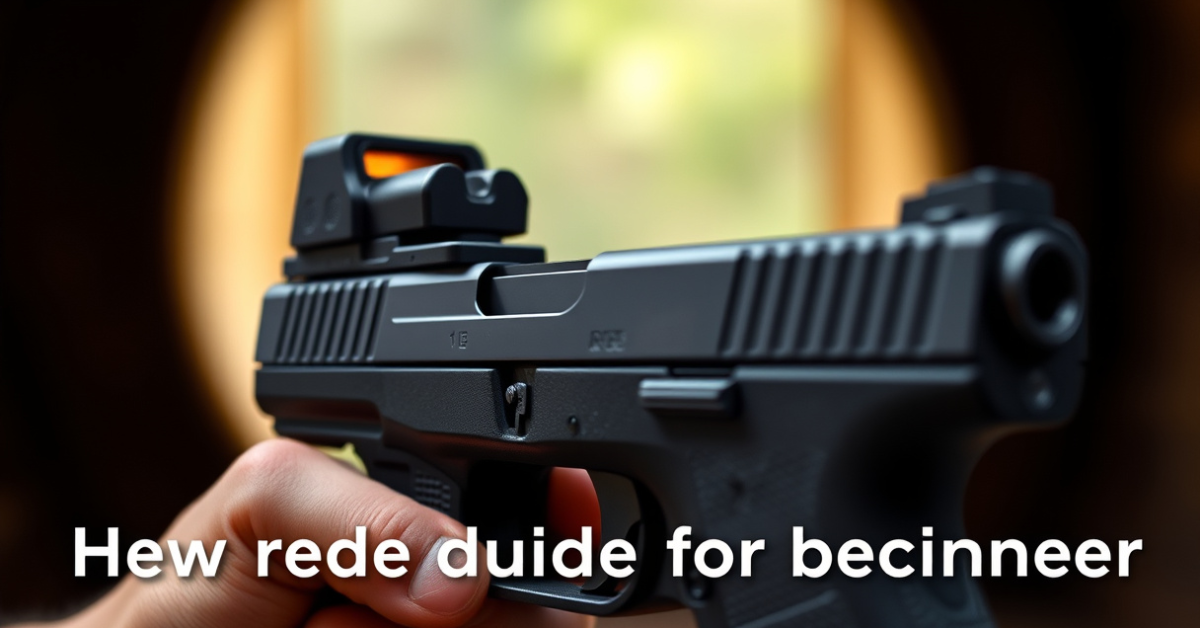
How to Use a Red Dot on a Pistol: A Practical Guide for Beginners
For those new to pistol optics, using a red dot on a pistol is about aligning the brightly illuminated dot, not the traditional iron sights, with your target for a faster, more intuitive shot. Unlike iron sights, you focus entirely on the target—just overlay the red dot and deliver your shot. This approach allows shooters to keep both eyes open, improving situational awareness and accelerating target acquisition without sacrificing precision.
Red dot sights are growing rapidly in popularity among both competitive shooters and everyday carriers, changing how we engage with our firearms. They enable greater accuracy, especially in dynamic or low-light scenarios, and reduce the guesswork under pressure. Adapting to a red dot takes practice but offers tangible improvements even for seasoned shooters transitioning from irons.
This comprehensive guide will cover every stage: choosing and mounting the right sight, zeroing for accuracy, refining your shooting technique, and troubleshooting common issues. Whether you’re choosing your first optic or seeking to boost your performance, you’ll find practical, actionable advice backed by real-world experience. Let’s dive in and demystify the world of pistol red dots.
Understanding Red Dot Sights for Pistols
What Makes Red Dots Different from Iron Sights?
Red dot sights project an illuminated dot onto a lens, allowing shooters to focus on the target instead of aligning front and rear sights. The single aiming point reduces visual clutter and speeds up sight acquisition. Instead of lining up three separate elements, you simply superimpose the dot on your intended point of impact.
This leads to improved speed and accuracy, particularly under stress or in unconventional shooting positions. With practice, users report tighter shot groups and faster follow-up shots, thanks to a less obstructed sight view. The learning curve is manageable but requires breaking old sight alignment habits.
Advantages for target acquisition
Improved focus on the threat/target
Reduced parallax in pistol shooting
Key Features of Red Dot Sights
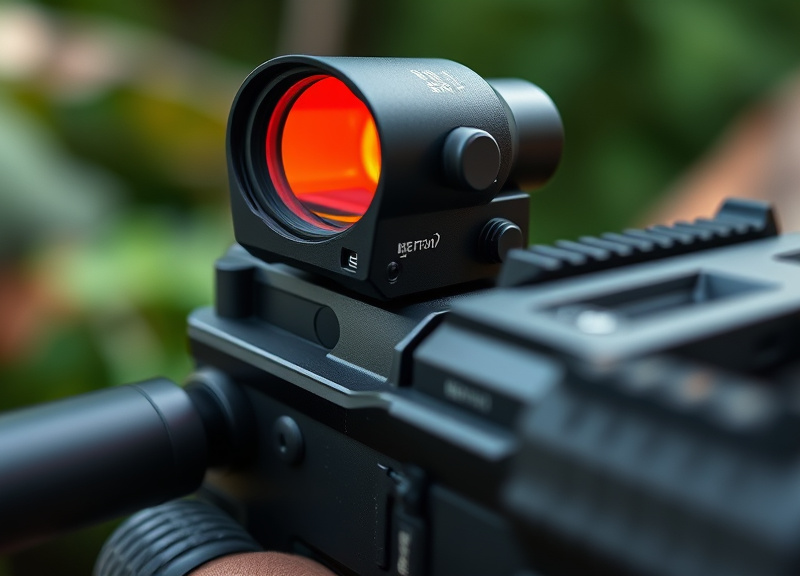
Most red dot sights offer adjustable brightness, multiple reticle patterns, and rugged construction to withstand recoil. Battery life is a critical spec—some run for thousands of hours on a single battery. Waterproof and shockproof ratings ensure the sight can endure everyday use or carry.
Popular brands like Trijicon RMR, Holosun, and Leupold DeltaPoint Pro have set benchmarks for reliability and clarity. Optic window size, dot size (MOA), and mounting footprint are essential considerations when choosing your sight.
- Brightness adjustment
- Battery runtime
- Reticle options
- Mounting compatibility
Choosing the Right Red Dot for Your Pistol
Factors to Consider
Before purchasing, evaluate your intended use—self-defense, competition, or range practice. The best red dot sights for pistols differ in window size, dot size, durability, and price point. Compact, rugged models suit concealed carry, while larger windows favor sport shooters who need a quick sight picture.
Compatibility with your pistol's mounting system or slide cut is crucial. Adapter plates, direct-mount options, or dovetail mounts may be necessary depending on your firearm and sight choices.
- Intended shooting application
- Window and dot size preference
- Compatibility with slide/mount
- Durability and water resistance
Recommended Red Dot Sights
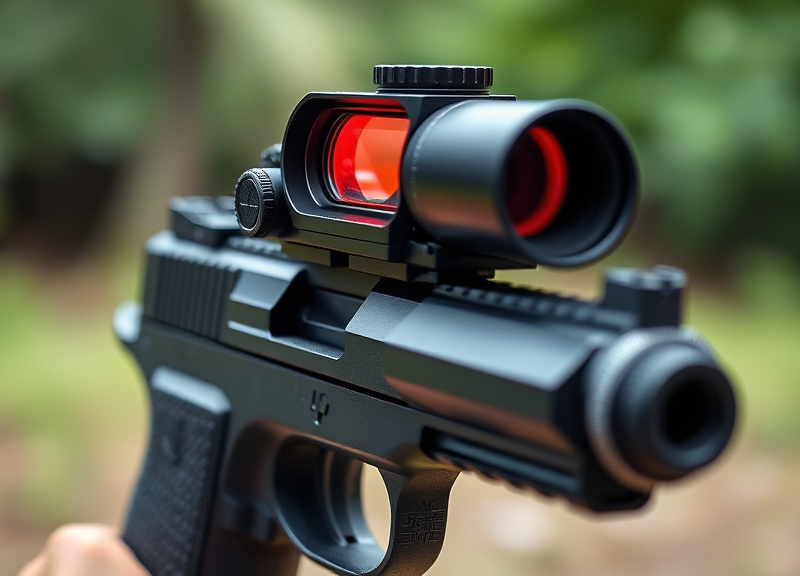
Several models stand out in the crowded market, including the Trijicon RMR for its rugged build, the Holosun 507C for advanced features at a moderate price, and the Leupold DeltaPoint Pro known for a crisp, large field of view. Each suits different budgets and use cases.
When narrowing down the best red dot sights for pistols, consider the manufacturer's support, available accessories, and your training needs.
- Trijicon RMR: Combat-proven durability
- Holosun 507C: Versatile reticle, solar backup
- Leupold DeltaPoint Pro: Wide FOV and easy battery access
How to Mount and Zero a Red Dot on a Pistol
Proper Mounting Techniques
Clean your slide and mounting plate thoroughly before installation. Using thread locker on mounting screws helps prevent loosening due to recoil. Torque the screws according to the optic manufacturer’s specifications to avoid overtightening or damaging the sight.
If your pistol isn’t optic-ready, seek a gunsmith to cut the slide or use dovetail adapters. A precise, secure fit is fundamental for sight reliability and maintaining zero.
- Clean mounting surfaces
- Apply blue thread locker
- Torque screws to spec
- Verify tightness after shooting
For more on this, see our related guide: How to Calibrate a Red Dot Sight for Maximum Accuracy.
Zeroing Your Optic for Accuracy
Zeroing sets your red dot to hit point-of-aim at a chosen distance—commonly 15 or 25 yards. Rest the pistol, fire careful groups, and adjust windage/elevation screws until shots impact where the dot is placed. Fine adjustments yield significant improvements.
Confirm zero with your preferred defensive or practice ammo, as bullet trajectories can shift between loads. Periodically check zero, especially after rough handling or battery changes.
- Start with mechanical center
- Fine-tune using live fire groups
- Check zero after maintenance
Fundamental Shooting Techniques with a Red Dot
Indexing and Dot Acquisition
Consistently presenting the pistol so the red dot appears quickly in the window is key. Practice dry firing, starting from low ready or holster, focusing on a repeatable grip and presentation angle. This muscle memory reduces downtime finding the dot during live fire.
Training yourself to keep both eyes open enhances peripheral awareness, crucial for defensive shooting. It may feel awkward initially, but rapid dot acquisition and reduced tunnel vision become noticeable with repetition.
- Dry fire dot acquisition drills
- Use visual landmarks on your slide
Trigger Control and Follow-Through
The red dot reveals even minor trigger errors, as the illuminated point will jump or arc off target with improper technique. Practice smooth, steady presses and observe the dot’s movement as instant feedback.
Proper follow-through—maintaining the sight picture after breaking the shot—helps diagnose issues and encourages consistent groups. Let the dot return naturally after recoil before firing again.
- Smooth trigger press
- Observe dot movement through recoil
Training and Practice Drills for Mastering the Red Dot
Dry Fire Drills for Dot Familiarity
Dry fire is invaluable for mastering red dot sight use. Practice drawing from the holster, presenting to target, and finding the dot. Incorporate transitions between multiple targets without firing live rounds.
Frequent, short dry fire sessions accelerate adaptation. Use a safe backstop and verify your pistol is unloaded before starting any dry work.
- Presentation-to-dot drills
- Multiple target index drills
- Trigger press without dot displacement
For more on this, see our related guide: What is Red Dot Sight? A Complete Guide to Red Dot Optics for Shooters.
Live Fire Routines for Real-World Readiness
On the range, combine timed drills—such as Bill Drills or Failure Drills—with variable target placements. Start slow, prioritizing dot acquisition and perfect shots before introducing speed. Track split times and group patterns for measurable progress.
Vary dot brightness settings to adapt to lighting conditions, ensuring the dot is always visible but not starbursting.
- Dot tracking during recoil
- Transition drills
- Timed accuracy exercises
Troubleshooting Common Problems with Pistol Red Dots
Losing the Dot During Shooting
If you consistently lose the dot, revisit your grip, wrist alignment, and presentation. Adjustments in hand position or cant often solve the issue. Sometimes, the dot is high or low in the window due to inconsistent index or tension.
Practice slow, deliberate draw strokes and consider marking the slide’s rear or front for additional visual reference until muscle memory develops.
- Check grip and presentation angle
- Use slide reference marks
For more technical background and optical principles, you can learn more about red dot sights for handguns on Wikipedia. learn more about red dot sights for handguns.
Dealing with Glare, Brightness, and Battery Issues
Poor dot visibility in bright light or starbursting at dusk are classic red dot sight complaints. Adjust brightness as needed: too dim, and the dot washes out; too bright, and the reticle blooms. Keep spare batteries in your range bag.
Routine maintenance, such as cleaning the lens and checking contacts, prevents most dot failure incidents. Replace batteries per schedule rather than waiting for failure.
- Adjust dot brightness
- Clean the sight window
- Replace batteries proactively
Red Dot Sight Types and Mounting Methods Compared
There are several red dot sight styles and mounting platforms for pistols. The table below highlights major categories, their strengths, and typical use cases.
| Category | Window Size | Mounting Style | Durability | Best For |
|---|---|---|---|---|
| Mini Reflex | Small | Slide cut, adapter | Medium-High | Concealed carry |
| Full-size Reflex | Wide | Slide cut, plate, dovetail | High | Competition, open carry |
| Tube Style | Medium-Large | Adapter plate only | Very High | Target/range shooting |
| Closed Emitter | Medium | Slide cut, adapter | Extreme | Adverse weather/tactical |
| Budget Reflex | Small | Dovetail/adapter | Moderate | Range practice/beginners |
Frequently Asked Questions
Do you need to co-witness iron sights with a red dot?
Co-witnessing isn’t strictly necessary, but it provides redundancy if your optic fails. Many shooters prefer suppressor-height irons as backups, especially on defensive pistols.
How often should you replace the battery in a pistol red dot sight?
Most quality red dot sights last 1–3 years on a single battery with moderate use. It’s wise to replace the battery annually or at the manufacturer’s recommended interval to ensure reliability.
What’s the best zero distance for a pistol-mounted red dot?
A 15- or 25-yard zero is most common, as it strikes a balance for defensive and range use. Your zero should match your primary shooting distances for optimal results.
Do red dot optics work in low light?
Absolutely. In low light, the illuminated dot is much easier to pick up than iron sights. Adjust dot brightness to prevent excessive glare, which can obscure your target at night.
Can a red dot sight improve pistol accuracy?
Yes, a red dot can substantially improve accuracy by eliminating the need to align multiple sights. It also helps new shooters focus on trigger control and consistent shot placement.
Key Takeaways
- Red dot sights enable faster target acquisition and more precise shooting.
- Proper mounting and zeroing are essential for reliable performance.
- Consistent practice, both dry and live fire, is crucial for mastery.
- Choosing the right optic depends on your pistol, needs, and intended use.
Conclusion
Mastering how to use a red dot on a pistol requires a blend of sound fundamentals, careful equipment selection, and consistent practice. The transition from iron sights to optics is simpler than many anticipate and unlocks significant benefits for speed, accuracy, and confidence—whether in competition or daily carry. With the right techniques, even a novice can quickly begin to see measurable improvements.
If you are looking for rugged dependability, the Trijicon RMR or a closed-emitter design is ideal for defensive or all-weather use. Shooters focused on competitive performance might gravitate toward full-size windows like the Leupold DeltaPoint Pro, while those on a budget can explore entry-level options when starting out. Remember, the best red dot sights for pistols are the ones that fit your platform and training goals.
Integrate dry fire presentations into your routine, schedule regular zero checks, and prioritize grip and trigger discipline with your red dot-equipped handgun. The payoff is a faster, more accurate, and adaptable shooter—well prepared for any scenario on the range or in real-world defense.



8 Comments