How to Sight in a Pistol Red Dot: Precision Shooting Made Simple
To sight in a pistol red dot, first securely mount your optic, then adjust windage and elevation so the dot aligns with your point of impact at your chosen distance—typically 10 or 25 yards. Use a stable shooting platform and make adjustments in small increments, firing groups and fine-tuning until the point of aim matches the bullet’s actual trajectory.
Getting your red dot properly sighted is crucial for accuracy and consistency, whether you’re using your handgun for self-defense, competition, or recreational target shooting. A misaligned sight can result in missed shots, frustration, and wasted ammunition, making the process of dialing it in both practical and essential for every red dot user.
This guide will break down each stage of how to sight in a pistol red dot, from mounting to zeroing at typical distances. We’ll discuss specific tools and techniques, offer troubleshooting advice, and compare popular red dot sight models to help ensure your shots hit exactly where you expect.
Mounting and Securing Your Pistol Red Dot
Choosing Compatible Mounts and Plates
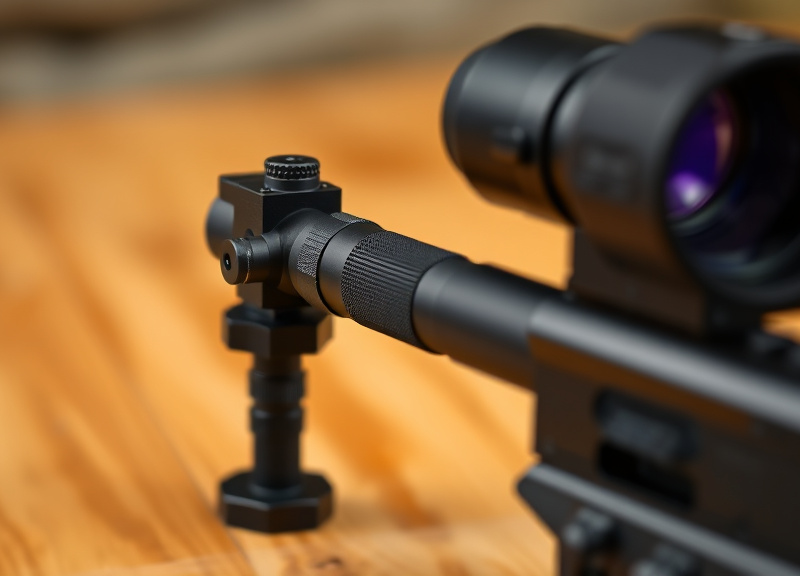
Before attaching your red dot, confirm your pistol is 'optics ready' or acquire an adapter plate that matches the footprint of your sight (e.g., RMR, Docter/Noblex, etc). Secure the plate using torque specs recommended by both the firearm and optic manufacturer to prevent shifting under recoil.
Using thread locker on mounting screws can help prevent loosening, but be careful not to over-tighten, as this might damage the sight or slide. Double-check for any play after mounting.
- Verify red dot and plate compatibility
- Consult torque specifications
- Use blue (non-permanent) thread locker
- Inspect for secure fit
Ensuring Sight Alignment Before Zeroing
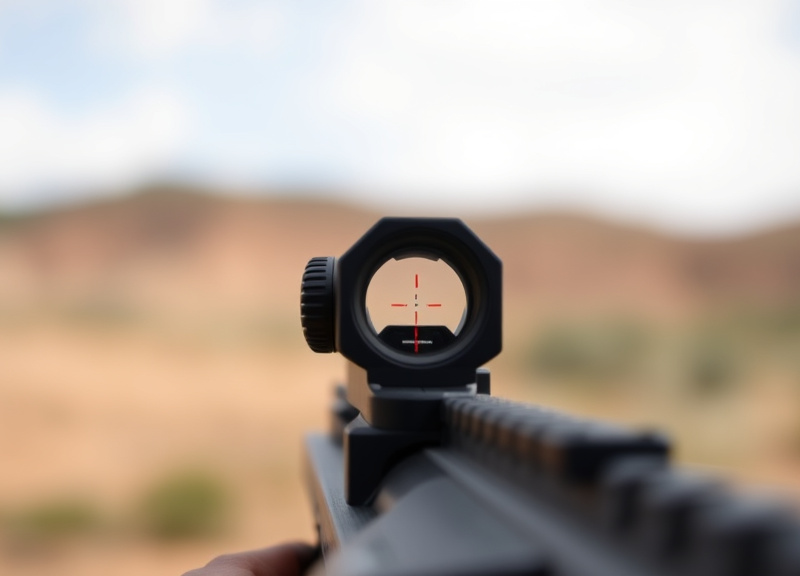
Once the optic is mounted, perform a rough co-witness by aligning the red dot with your iron sights (if equipped). This preliminary check helps ensure the dot is within an adjustable range before fine-tuning on the range.
Proper initial alignment can minimize the amount of adjustment needed later, streamlining the sight-in process and preserving windage and elevation travel within the optic.
How to Sight in a Pistol Red Dot for Precise Accuracy
Establishing a Stable Shooting Position
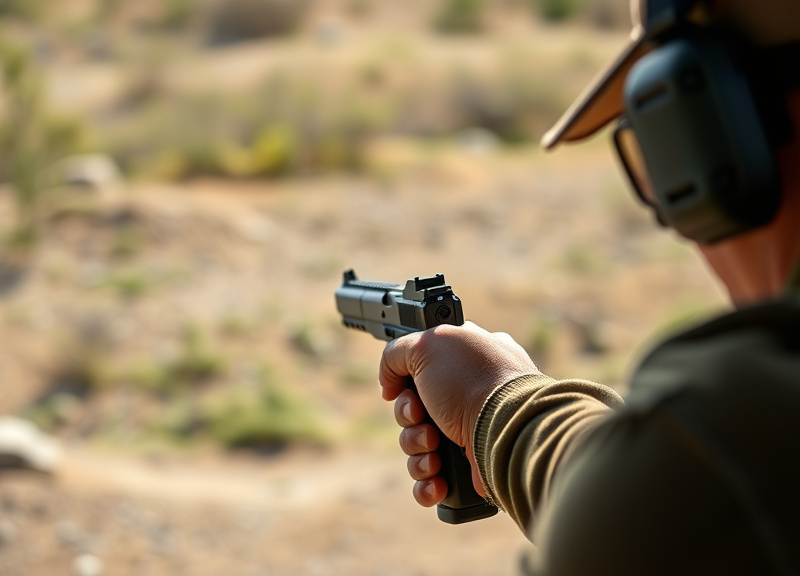
Use a rest or sandbag position on a stable bench to minimize human error during sighting. Consistency in your grip, posture, and trigger press is critical during the process.
For handgun red dots, most shooters find 10 or 25 yards to be ideal sight-in distances—choose the one that best matches your primary application.
- Benchrest or sandbag setup
- Consistent grip and trigger control
- Pick 10 or 25 yards for zero distance
Adjusting Windage and Elevation
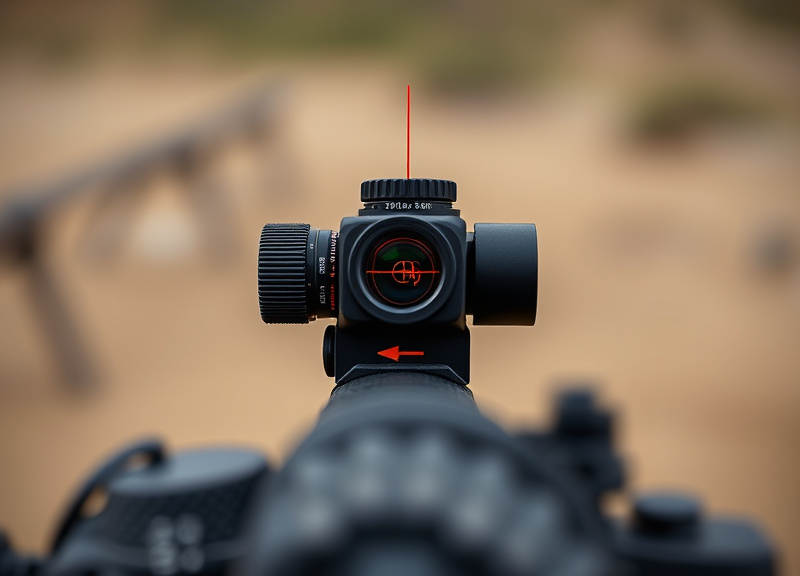
Fire a slow, controlled group of three to five shots. Use the average point of impact to determine initial adjustments rather than single shots. Most red dots use click adjustments (e.g., 1 MOA per click); refer to your manual for specifics.
Make small changes: if your shots land low, raise elevation; shots left, move windage to the right. Mark changes and reshoot as necessary—patience leads to better precision.
Verifying and Confirming Your Zero
Firing Confirmation Groups
After adjustments, fire at least two more groups to confirm your zero. This accounts for shooter variance and ammunition inconsistencies. Only consider your zero reliable if groups consistently center on your point of aim.
If groups begin to spread or drift, recheck your optic's mounting screws for tightness and ensure your shooting fundamentals remain consistent.
For more on this, see our related guide: How to Use a Red Dot on a Pistol: A Practical Guide for Beginners.
Environmental and Ammo Considerations
Different lighting, temperature, and even various ammunition brands can affect where your rounds impact. Perform your initial sight-in with the ammunition you plan to use most frequently.
Periodically revisit the range to check your zero—especially after cleaning, rough handling, or any unplanned impact to the pistol.
- Use preferred or carry ammo for primary zero
- Re-check zero after equipment changes
Troubleshooting Common Red Dot Sighting Issues
Addressing Sighting Shift or Canted Dot
If your point of impact inexplicably shifts, reexamine your mounting screws and adapter plates for looseness or warping. Canted red dots or plates can result in windage/elevation being maxed out with poor results.
Sometimes, replacing a cheap mounting plate or upgrading to a higher quality red dot is necessary for reliable retention of zero.
- Tighten loose screws
- Inspect mounting plates for damage
- Consider replacement parts if issues persist
Dealing with Parallax and Dot Distortion
While most red dot sights advertise ‘parallax free’ performance, minor misalignments can still occur at pistol distances. Keep your eye generally centered behind the optic for best results.
Dirty or damaged lenses can distort the dot, so clean your glass with a microfiber cloth before sighting in.
- Stay centered behind the optic
- Clean lenses regularly
Selecting the Best Red Dot Sight for Pistols
Evaluating Size, Durability, and Battery Life
Compact sights like the Trijicon RMR or Holosun 507C balance durability and low profile, fitting comfortably on most modern handguns. Consider waterproofing, shock resistance, and how easy it is to access the battery compartment.
Battery life is crucial if you carry daily—look for models offering 20,000+ hour runtime and auto-on/auto-off features for best results.
- Size and weight
- Battery access
- Rugged construction
For more on this, see our related guide: How to Calibrate a Red Dot Sight for Maximum Accuracy.
Comparing Price and Features
Top-tier options like the Aimpoint ACRO or Leupold Deltapoint Pro provide excellent glass clarity and adjustment precision but come at a higher price. Budget-friendly models such as Swampfox or Vortex Venom may offer good performance for new users.
Weigh the tradeoffs between price, performance, and warranty support to determine what best fits your specific needs.
- Premium vs. budget models
- Warranty and customer support
Maintaining Your Pistol Red Dot After Sighting In
Routine Maintenance Best Practices
Clean the optic’s glass after each session with a soft lens pen or cloth—avoid abrasive materials that could scratch coatings. Inspect for any battery leakage or dirt around elevation and windage dials regularly.
Check torque on mounting screws as part of your regular handgun cleaning routine; loose optics can lose zero unexpectedly.
- Clean glass after use
- Inspect battery and dials
- Re-check screw tightness
For more technical details and the history behind these optics, see this comprehensive Red dot sight overview. Red dot sight overview.
When to Re-Zero Your Red Dot
Plan to confirm your zero after any major impacts, switching to new ammunition, or if you notice shots drifting off center. Many shooters pencil the zeroed ammo and distance on their optic for quick future reference.
A disciplined maintenance schedule ensures ongoing confidence in your pistol’s point of aim, especially if used for defense or competition.
Popular Pistol Red Dot Sights Comparison
This table summarizes key differences among popular red dot sights for pistols, aiding in the selection of the best red dot sight for your needs.
| Model | Footprint | Battery Life | Price Range | Notable Feature |
|---|---|---|---|---|
| Trijicon RMR Type 2 | RMR | 4 years | $450-$550 | Extremely rugged, proven track record |
| Holosun 507C X2 | RMR | 50,000 hrs | $300-$350 | Shake-awake, solar backup |
| Leupold Deltapoint Pro | Deltapoint | 1,000 hrs | $400-$500 | Large window, user-friendly controls |
| Vortex Venom | Docter/Noblex | 150 hrs | $200-$250 | Affordable, compact |
| Aimpoint ACRO P-2 | ACRO | 50,000 hrs | $600-$700 | Sealed design, law enforcement favorite |
Frequently Asked Questions
What distance should I zero my pistol red dot?
Most shooters zero their pistol red dot at 10 or 25 yards. Choose the distance that best matches your typical shooting scenario and practice, as this influences holdover and precision.
Can I co-witness iron sights with a red dot on my pistol?
Yes, with appropriately tall iron sights (often called suppressor-height sights), you can co-witness through the red dot window, providing a backup aiming option if the optic fails.
Do I need special tools to adjust my red dot sight?
Many red dots allow adjustment with a small screwdriver or provided tool. Always check your model's manual for the correct adjustment method and recommended torque for mounting screws.
How often should I check my zero after sighting in?
It’s recommended to verify your zero every few months, after significant handling, or any time you switch your typical ammunition. Regular checks ensure reliable performance in critical uses.
Why does my pistol red dot lose zero?
Loss of zero can result from loose mounting screws, a low-quality mounting plate, or impact damage. Regularly check screw tightness and inspect for wear to maintain consistent accuracy.
Key Takeaways
- Mount and securely fasten the red dot sight using proper tools.
- Zero your optic at 10 or 25 yards with consistent shooting technique.
- Choose the best red dot sight for pistols based on needs and budget.
- Maintain and routinely check your zero for reliable handgun accuracy.
Conclusion
Mastering how to sight in a pistol red dot starts with careful mounting, moves through a methodical zeroing process, and includes ongoing maintenance and verification. Take deliberate steps at each stage: ensure tight mounting, use a stable shooting rest, adjust windage and elevation gradually, and frequently confirm that the point of aim matches the point of impact with your chosen ammunition. Being systematic not only leads to sharper groups, but also instills confidence in your tool—an essential component for both competitive shooters and armed professionals.
For new users seeking reliability and easy adjustment, the Holosun 507C X2 delivers impressive battery life, clear optics, and broad compatibility, making it a fantastic all-around option. Shooters requiring top-tier ruggedness should consider the Trijicon RMR or Aimpoint ACRO for their proven durability. Those on a budget may find the Vortex Venom provides all the essential features for learning with minimal investment. No matter which you choose, always use the best red dot sight for pistols that matches your intended application—be it concealed carry, duty use, or range practice.
Ultimately, proper red dot sighting transforms your pistol shooting experience, delivering speed and confidence on every shot—so allocate time on the range to get it right. After following these steps, continue practicing, maintain your equipment, and periodically verify your zero. Precision and consistency become second nature when building good habits, ensuring your pistol red dot remains a trustworthy aiming solution for years to come.