Who Should Be Part of a Worksite Incident Investigation Team: Essential Roles Explained
A well-rounded worksite incident investigation team should include representatives from management, frontline supervisors, health and safety officers, and relevant technical experts. This mix ensures that investigations are thorough, unbiased, and effective in identifying the root causes of workplace incidents. Every perspective is necessary — from those who oversee operations to those who interact with hazards daily — so that corrective actions are practical and comprehensive.
The stakes are high when workplace incidents occur. A poorly scoped investigation team may miss critical evidence or overlook systematic issues, leading to repeated hazards and increased risk. Organizations committed to workplace safety know that building a team with the right expertise and authority directly impacts their ability to learn from incidents and proactively prevent future harm.
In this article, we’ll detail exactly who should be included on a worksite incident investigation team, explain the roles each member plays, discuss factors influencing team composition, and provide a comparison of typical team configurations. We’ll also address common questions to help you optimize your organization’s investigation process.
Key Roles on a Worksite Incident Investigation Team
Management Representatives

Involving someone from management, ideally with decision-making authority, is essential for ensuring investigations are taken seriously and findings lead to actual change. Management’s involvement communicates organizational buy-in and provides the team with the power to authorize corrective actions or access necessary resources.
Managers offer a high-level perspective, helping to align investigation outcomes with company policies and regulatory requirements. They can bridge the gap between investigation findings and operational changes, ensuring follow-through on recommended safety improvements.
- Provides authority for access and resources
- Ensures corrective actions are implemented
Frontline Supervisors and Workers
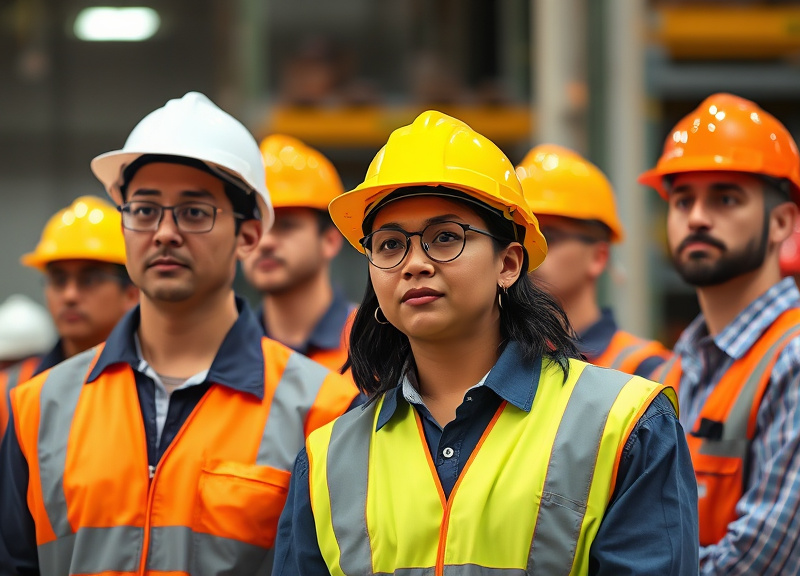
Frontline supervisors intimately know daily operations, procedures, and specific equipment. Their practical insight is invaluable for reconstructing events accurately and understanding how and why standard procedures might have failed.
Inclusion of workers, especially those with similar roles to those involved in the incident, is equally important. They can point out real-world challenges or near-misses that management may overlook and help identify practical improvements.
- Provides firsthand knowledge of tasks
- Highlights real operational barriers
Why Diverse Perspectives Matter in Team Composition
Technical and Safety Experts

Technical experts, such as engineers or maintenance professionals, contribute in-depth knowledge about machinery, processes, or work environments. Their expertise helps the team identify technical failures and propose solutions rooted in engineering best practices.
Health and safety officers bring knowledge of regulatory standards and accident investigation methodology. Their familiarity with risk assessment ensures thorough documentation and proper causal analysis, keeping the investigation on track.
- Uncover technical system flaws
- Ensure regulatory compliance
Union or Employee Representatives
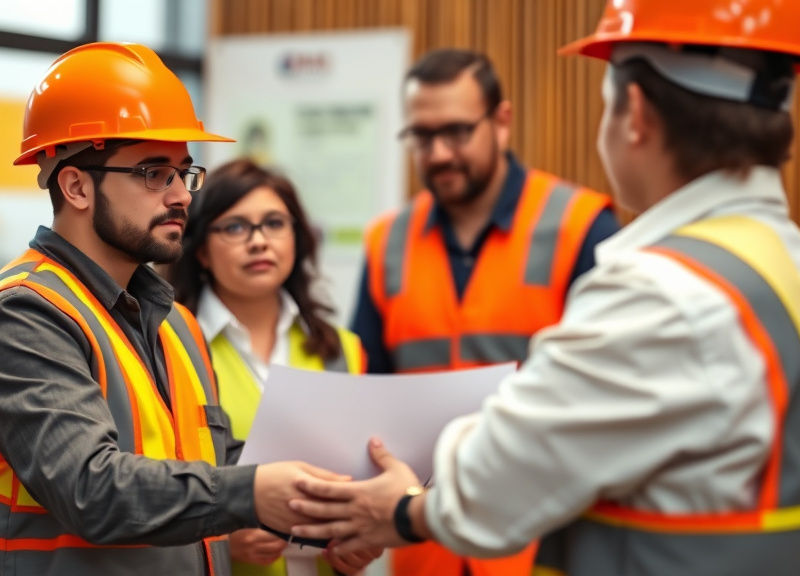
Including union or employee representatives on the team promotes trust and transparency throughout the investigation process. Workers are more likely to contribute honestly when they know their perspectives are represented.
These members protect worker rights and ensure the team considers the implications of findings for the workforce, helping drive solutions that are both fair and effective in practice.
- Encourages cooperation from all staff
- Balances management and worker interests
When to Involve External Parties in a Worksite Incident Investigation Team
External Investigators and Consultants

For complex or high-impact incidents, bringing in third-party experts or consultants can provide an unbiased viewpoint. External investigators often have specialized training or experience with similar cases in other workplaces, which enriches the investigation.
They may offer objective assessments, identify overlooked risks, or validate findings. Their recommendations, free from internal politics, can add credibility to the final report.
- Provides an impartial perspective
- Offers specialized technical expertise
Regulatory and Legal Advisors

Major incidents, especially those involving legal liability, may require the input of legal counsel or regulatory officials. Having legal advisors accessible ensures the investigation process and documentation meet legal standards and protect organizational interests.
This is particularly crucial if regulatory bodies require formal incident reporting or auditing, ensuring compliance and reducing legal risk.
- Advises on compliance and legal implications
- Assists with mandatory reporting
Tailoring Your Team: Factors Affecting Investigation Team Structure
Incident Severity and Complexity

The severity and complexity of an incident dictate the needed expertise and scale of the investigation team. Minor injuries or property damage might only require a small internal team, while fatalities or major environmental incidents necessitate broader involvement.
Larger, more diverse teams can uncover systemic failures but might slow decision-making. Striking the right balance is key to both effective root cause analysis and actionable results.
- Size team to incident impact
- Include needed expertise proportionally
Company Size and Resources

Organizations with larger safety departments or multiple work locations can draw from a wider pool of specialists for their investigation teams. Small companies may need flexible teams, with members wearing multiple hats or accessing outside assistance as needed.
External support — such as consultants or industry groups — is especially valuable for smaller operations lacking in-house expertise for complex investigations.
- Leverage available internal resources
- Consider external help for gaps
Worksite Incident Investigation Team: Best Practices for Effective Collaboration
Clear Roles and Responsibilities

Each team member should have a well-defined role, whether it’s evidence gathering, interviewing witnesses, or drafting the final report. Clarity prevents miscommunication and duplication of effort, allowing investigations to progress smoothly.
Assigning a lead investigator keeps the process organized and ensures accountability for timelines, follow-ups, and proper documentation throughout the investigation.
- Define each member's responsibility
- Appoint a clear team leader
Training and Preparation

Team members should be trained in investigation protocols (such as root cause analysis and evidence collection) before an incident occurs. Preparation ensures that everyone knows what’s expected and can respond quickly and competently under stress.
Regular drills and mock investigations reinforce skills and help teams operate efficiently, even when unplanned incidents disrupt normal operations.
- Provide investigation training
- Conduct periodic simulation exercises
Communication and Confidentiality within the Investigation Team
Internal Communication Best Practices

Regular updates and documented discussion within the team foster accuracy and transparency. Using secure channels and setting clear expectations for timely information sharing ensure critical details are not missed or misunderstood.
Effective communication also establishes trust among team members, encouraging open sharing of observations, which strengthens root cause analysis outcomes.
For additional guidance on structuring an investigation team and conducting thorough incident analyses, consult the Occupational Safety and Health Administration incident investigation resources. Occupational Safety and Health Administration incident investigation resources.
Maintaining Confidentiality

Confidentiality is vital in protecting sensitive information, witnesses, and organizational reputation. The team should follow protocols about who can access what information, how findings are shared, and how personal data is handled.
Violations of confidentiality can undermine the entire investigation and expose the organization to reputational or legal risks.
- Set strict access rights for investigation files
- Train team in confidentiality protocols
Worksite Incident Investigation Team Composition Comparison
Understanding different team compositions helps you select the most efficient and effective structure for your organization’s needs and resources.
| Team Type | Typical Size | Key Members | Best For |
|---|---|---|---|
| Basic Internal Team | 3-4 | Supervisor, Safety Officer, Worker Rep | Small incidents, straightforward cases |
| Expanded Internal Team | 5-7 | Management, Supervisors, Safety, Tech Expert, Worker Rep | Moderate incidents, process failures |
| Multidisciplinary Team | 7-10 | Management, Multiple Technical/Safety/HR, Worker/Union Rep | Severe incidents or systemic reviews |
| Internal + External Advisor | 5-8 | Internal Team plus Consultant | Novel/complex hazards, unbiased review |
| Regulatory-Led Investigation | Varies | Company Reps, Regulators, Legal | Major injury, legal or compliance cases |
Frequently Asked Questions
Why is it important to have a diverse worksite incident investigation team?
A diverse team brings together multiple perspectives, ensuring that technical, operational, and human factors are all considered. This leads to a more accurate analysis of the incident and more practical, sustainable corrective actions.
Can worksite incident investigations be conducted by a single person?
While simple incidents in small businesses might be handled by one person, this approach risks oversight and bias. Even for minor events, consulting other employees usually improves the objectivity and thoroughness of findings.
Is it necessary to include external investigators for every incident?
External investigators are typically reserved for serious or complex cases, or when internal teams lack needed expertise or independence. For routine incidents, an internal multidisciplinary team is usually sufficient.
What training should members of an investigation team receive?
Team members should be trained in investigation techniques like root cause analysis, evidence preservation, interviewing, and report writing. Familiarity with relevant safety standards and legal requirements is also important.
How can you maintain confidentiality during a worksite incident investigation?
Assign access rights carefully, use secure methods for data handling, and train committee members in confidentiality protocols. Clear policies should be communicated to everyone involved in the investigation.
Key Takeaways
- Effective investigation teams combine management, supervisors, experts, and worker representatives.
- Team composition should reflect the complexity of the incident and organization’s resources.
- Training and clear roles are essential for successful investigations.
- Confidentiality and communication protocols must be established from the start.
Conclusion
Building the right worksite incident investigation team begins with understanding the complexity and scope of workplace hazards. By intentionally incorporating members with complementary skills and perspectives — including frontline workers, management, safety experts, and when necessary, external advisors — organizations can lay the groundwork for incident investigations that drive real safety improvements. The key is to be proactive in training and clearly defining roles before an incident occurs, enabling teams to act confidently and efficiently under pressure. Adapting your team’s size and makeup as risks evolve ensures your organizational learning process remains robust.
For high-volume worksites such as construction or heavy manufacturing, we recommend a layered approach: assemble a core internal team of management, technical, and worker representatives for most cases, while maintaining pre-vetted relationships with third-party consultants for complex or novel events. In contrast, smaller companies may need to partner with industry groups or bring in external safety professionals on a case-by-case basis. Always adjust your investigation team composition to the severity and uniqueness of each incident, ensuring that the right level of expertise and authority is present to make meaningful changes.
No single template fits all organizations — thoughtful, flexible preparation is the hallmark of an effective worksite incident investigation approach. Review your current team structure against your organization’s risks and resources. If needed, establish partnerships with external experts now, before a critical event occurs. By planning ahead and prioritizing diverse, well-trained teams, your organization will be better equipped to prevent future incidents and keep every worker safe.