How Much Is a Thermal Scope? Price Guide and Buying Tips
The cost of a thermal scope varies widely depending on brand, features, and performance. On average, thermal scopes range from $500 for basic models to over $5,000 for advanced units designed for professional or military use. Mid-range options typically fall between $1,200 and $2,500.
Thermal scopes detect heat signatures rather than relying on visible light, making them valuable for hunting, security, and surveillance, especially in low-visibility conditions. Understanding price differences helps buyers select a scope that balances affordability with functionality.
This article breaks down the key factors influencing thermal scope pricing, compares categories based on features and cost, and offers practical advice to help you determine which thermal scope fits your budget and needs.
Understanding Thermal Scope Pricing Factors
Sensor Resolution and Image Quality
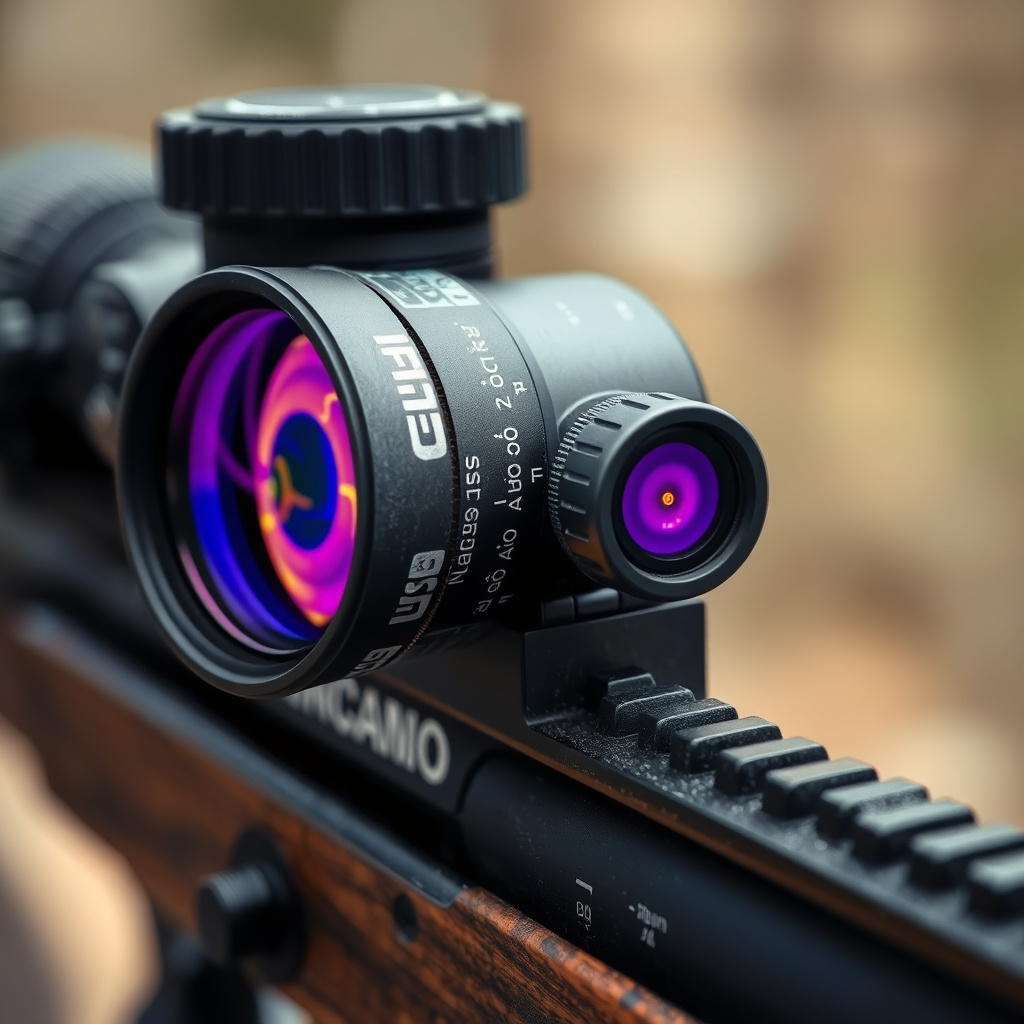
Thermal scopes use different sensor resolutions measured in pixels, such as 160×120 or 640×480. Higher resolution sensors provide sharper images, making it easier to identify targets at longer distances but usually increase the price significantly.
For example, a scope with a 320×240 sensor offers clear imagery suitable for most outdoor enthusiasts, while advanced professional units with 640×480 sensors can cost several thousands due to their superior clarity.
- Higher sensor resolution increases cost
- Better image quality enhances detection range
Refresh Rate and Display Type
The refresh rate affects how smooth the thermal images appear, with common rates ranging from 30 Hz to 60 Hz. Faster refresh rates reduce lag, which is essential for tracking moving targets but may increase the price.
Display technology also plays a role; OLED screens provide higher contrast and detail than LCDs and are typically found in higher-end thermal scopes driving the price upward.
- Higher refresh rates improve tracking
- Advanced display types cost more
Types of Thermal Scopes and Their Price Ranges
Entry-Level Thermal Scopes
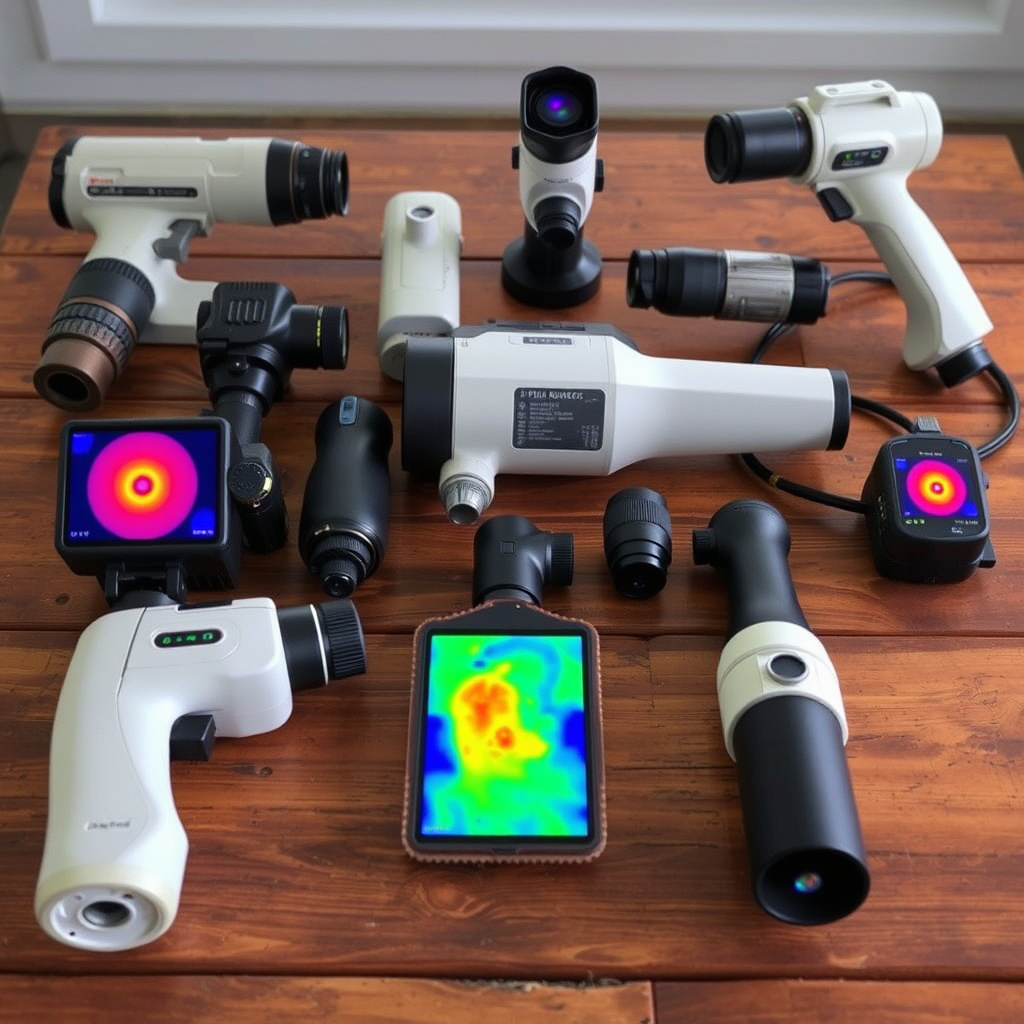
Entry-level thermal scopes usually cost between $500 and $1,200. These models offer basic thermal sensor resolution and moderate refresh rates, adequate for casual hunting or occasional use.
They often have simpler controls and fewer advanced features, making them a solid starting point for beginners looking to experiment with thermal imaging without a huge upfront investment.
- Lower resolution sensors (160×120 to 320×240)
- Simpler display and controls
- Basic detection ranges (up to 300 yards)
Mid-Range Thermal Scopes
Prices for mid-range thermal scopes fall between $1,200 and $2,500. These scopes provide improved resolution, better refresh rates, and often include features like video recording, wireless connectivity, and customizable reticles.
They suit serious hunters or security personnel who need reliable performance in diverse environments without the high cost of professional-grade scopes.
- Moderate to high sensor resolution (320×240 to 384×288)
- Enhanced features and durability
- Detection ranges up to 800 yards
High-End and Professional Thermal Scopes
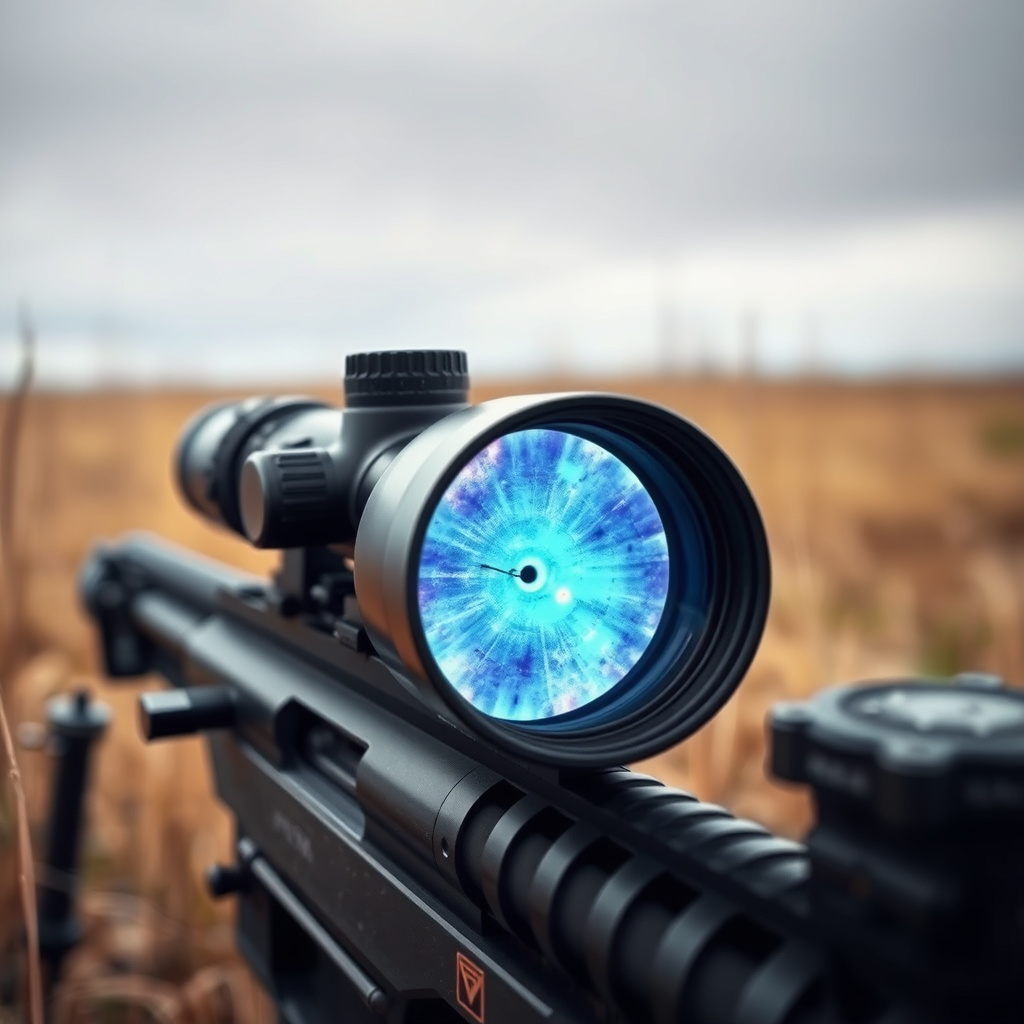
Advanced Features Driving Costs
Professional thermal scopes priced over $3,000 offer exceptional sensor resolutions, wide fields of view, extended detection ranges, and comprehensive environmental sealing.
Additional technological enhancements include ballistic calculators, GPS integration, image enhancement algorithms, and extended battery life, justifying their steep price tags for tactical and military users.
- High sensor resolution (up to 640×480)
- Advanced ballistic and GPS features
- Ruggedized for harsh environments
For more on this, see our related guide: How Do Night Vision Devices Work: A Complete Guide to Seeing in the Dark.
Use Cases for High-End Scopes
These scopes are ideal for military operations, law enforcement, and professional hunters who require top-tier reliability and precision under extreme conditions.
Their durability, feature set, and image quality support long-range target acquisition and tracking in low-visibility environments that are beyond the capabilities of lower-priced scopes.
- Long-range scouting and surveillance
- Tactical and law enforcement operations
- Expensive but high-performance
Additional Costs to Consider Beyond the Thermal Scope
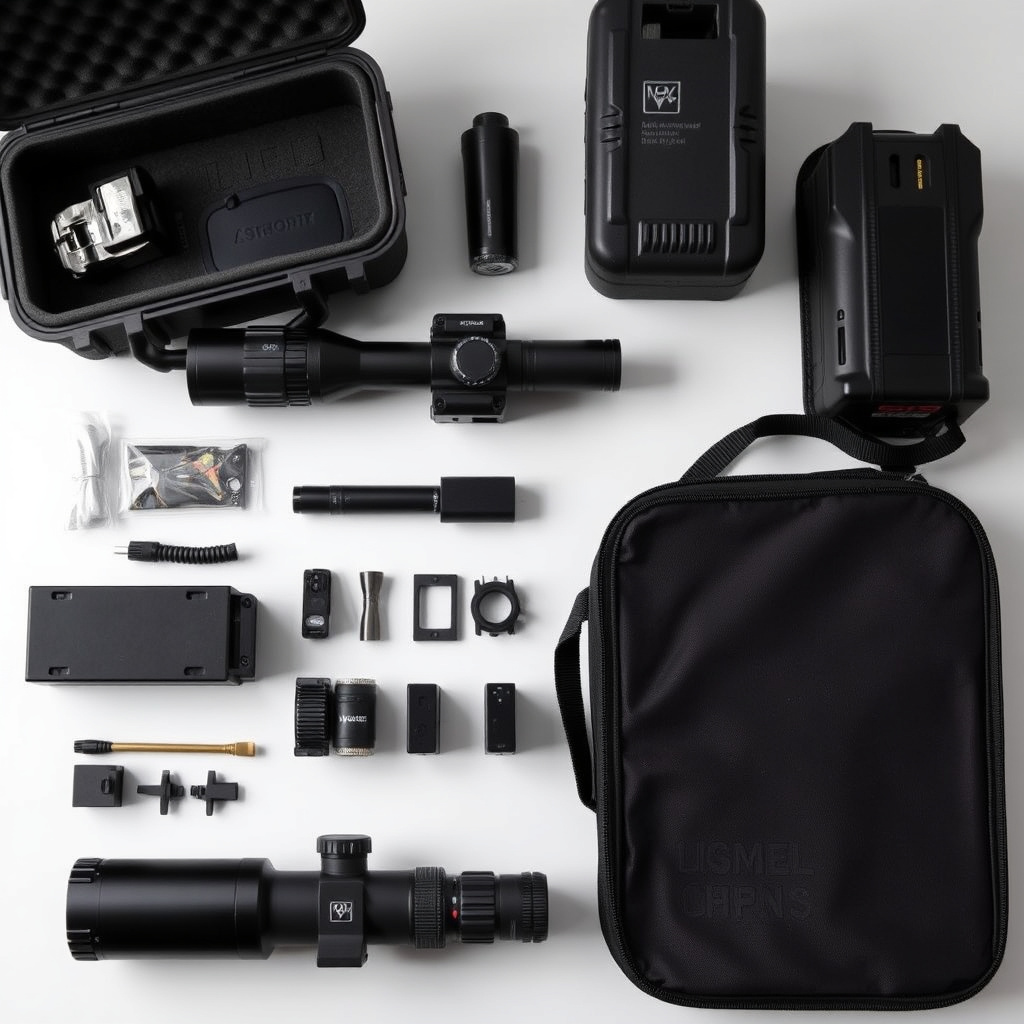
Mounting Systems and Batteries
Thermal scopes require compatible mounting systems to fit various firearms, which may cost an additional $50 to $200. Proper mounts ensure stability and accuracy during use.
Battery life varies by model, and replacement or rechargeable batteries can add to the total investment, especially for high-end scopes with longer runtime.
- Mounts vary by firearm type
- Extra batteries increase ongoing costs
Carrying Cases and Maintenance
Protective carrying cases safeguard thermal scopes during travel and storage. Cases range from basic soft pouches to rugged hard-shell designs priced between $30 and $150.
Regular maintenance and professional servicing may be necessary to keep high-end scopes functioning optimally, adding to lifetime expenses.
- Cases enhance longevity
- Professional servicing for calibration
Where to Buy Thermal Scopes and Price Variability
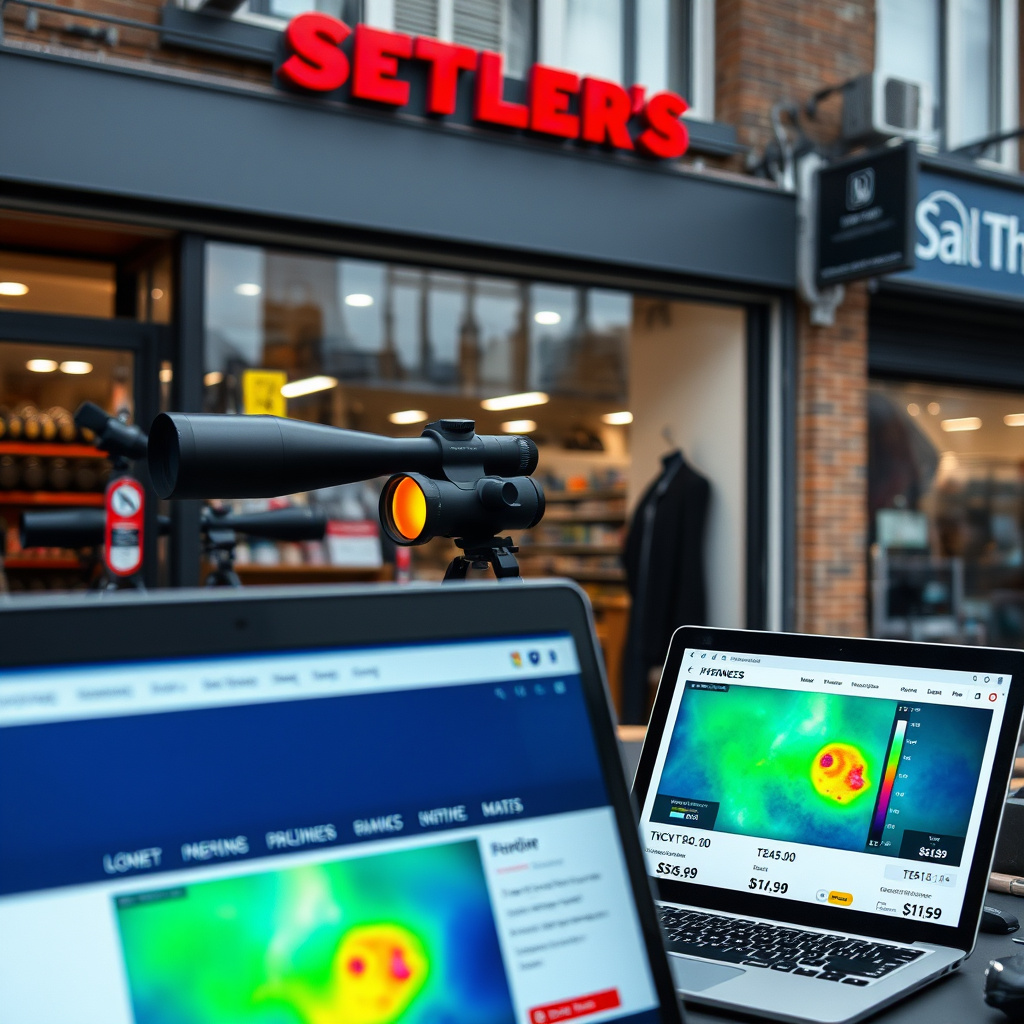
Retailers and Online Marketplaces
Thermal scopes can be purchased from specialty hunting stores, authorized firearm dealers, and popular online platforms like Amazon, OpticsPlanet, or manufacturer websites.
Prices may vary due to promotions, bundled accessories, and shipping costs. Authorized dealers often provide warranties and customer support, which can justify slightly higher prices.
- Specialty stores vs. online platforms
- Check for warranty and return policies
For more on this, see our related guide: Why Is Night Vision Green? Understanding the Science Behind Night Vision Technology.
Used vs. New Thermal Scopes
Buying used thermal scopes offers potential savings but carries risks regarding condition and remaining lifespan of internal components.
Inspecting or purchasing from reputable sources can mitigate these risks. Some used scopes maintain high performance, but warranties usually do not transfer, which is a key consideration.
- Used scopes can be significantly cheaper
- Caution needed without warranty
Balancing Features and Budget for Thermal Scopes
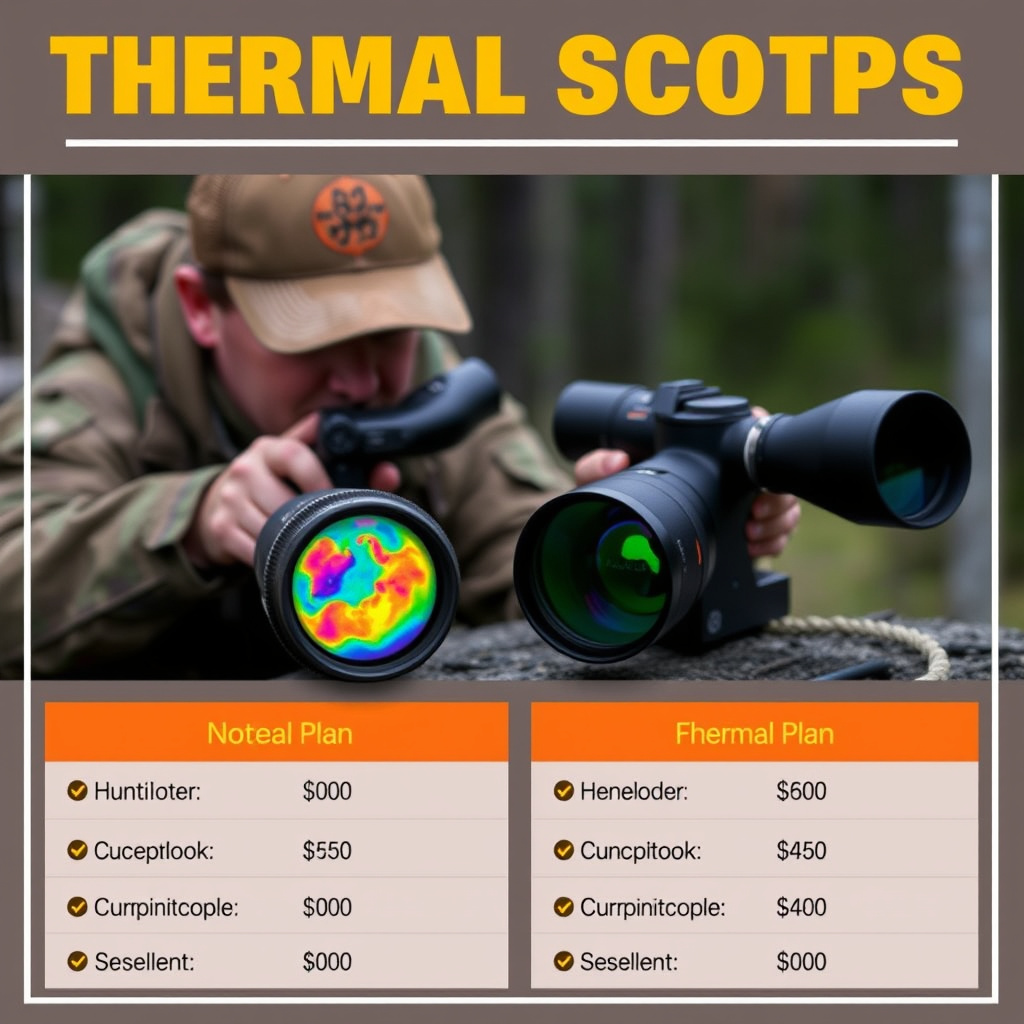
Prioritizing Must-Have Features
Focus on essential features such as sensor resolution, detection range, and durability before considering extras like wireless capabilities or video recording if budget is limited.
Matching your intended use—hunting, security, or professional work—with appropriate specs ensures you don't overspend on unnecessary features or compromise on performance.
- Clearly define use case
- Avoid features that don’t add value for you
For more detailed technical background, see the thorough overview of thermal imaging technology on Thermal imaging on Wikipedia. Thermal imaging on Wikipedia.
Making Trade-Offs to Fit Your Price Point
Compromises might include selecting a lower sensor resolution or simpler display technology to stay within budget while maintaining decent performance.
Evaluating the cost-benefit of each feature helps in choosing a thermal scope that balances capability and affordability realistically.
- Lower resolution for savings
- Choose basic display if image clarity is acceptable
Thermal Scope Price and Feature Comparison
Here’s a quick overview comparing thermal scope categories by price, sensor resolution, and typical detection range to guide your decision-making.
| Category | Typical Price Range | Sensor Resolution | Detection Range | Notable Features |
|---|---|---|---|---|
| Entry-Level | $500 – $1,200 | 160×120 to 320×240 | Up to 300 yards | Basic controls, simple display |
| Mid-Range | $1,200 – $2,500 | 320×240 to 384×288 | Up to 800 yards | Video recording, customizable reticles |
| High-End | $3,000+ | 640×480 | 1,200+ yards | Ballistic calculators, GPS, rugged design |
| Used Thermal Scopes | Varies (often 30-60% off) | Varies | Varies | Risk of limited warranty |
| Professional Military Grade | $5,000+ | 640×480+ | Over 1,500 yards | Highly durable, advanced tech integration |
Frequently Asked Questions
What affects the price of a thermal scope the most?
The sensor resolution and image quality have the biggest impact on the price. Higher resolution sensors and advanced display technologies like OLED significantly increase the cost.
Can I use a thermal scope for daytime hunting?
Yes, thermal scopes work in all light conditions by detecting heat signatures rather than relying on visible light, making them effective for daytime and nighttime use.
Are there ongoing costs after buying a thermal scope?
Yes, you might need to buy extra batteries, mounting accessories, or servicing for maintenance, which can contribute to the overall cost over time.
Is it safe to buy a used thermal scope?
Buying used scopes can save money but comes with risks such as unknown wear and lack of warranty. Purchasing from reputable sources and inspecting equipment carefully is advisable.
Do thermal scopes come with warranties?
Most new thermal scopes come with manufacturer warranties covering defects and malfunctions, usually ranging from one to several years depending on the brand.
Key Takeaways
- Thermal scopes range from $500 to over $5,000 depending on features and sensor quality.
- Higher sensor resolution and refresh rates substantially increase the price and performance.
- Additional expenses include mounts, batteries, and maintenance beyond the initial scope cost.
- Choosing a thermal scope depends on balancing budget with intended use and must-have features.
Conclusion
Determining how much is a thermal scope comes down to understanding the technical specs that influence the price and matching those to your needs. Sensor resolution, refresh rate, and display type are critical factors that push costs up or down, while built-in features and ruggedness further impact pricing. A clear grasp of what you require from a thermal scope and your budget will streamline the decision process and avoid overspending.
For casual users or beginners, entry-level thermal scopes within the $500 to $1,200 price range often provide sufficient capabilities. Serious hunters or security professionals may find mid-range scopes offering better detection ranges and useful extras worth the $1,200 to $2,500 investment. High-end scopes, typically exceeding $3,000, target tactical, military, or professional users with the most advanced sensor resolutions and features. Consider also used thermal scopes if your budget is tight but be mindful of warranty and condition.
When choosing the right thermal scope, start by listing your essential features such as resolution, range, and durability and then compare models within your budget that meet those needs. Factor in extra costs for batteries and mounts, and purchase from reputable dealers. Checking product reviews and testing scopes in person when possible will help you find a balance that fits both your price point and performance expectations.