How to Get Night Vision: Practical Methods and Devices Explained
To get night vision, you can use technologies like infrared goggles, thermal imaging cameras, or low-light enhancement devices, which amplify available light or detect heat signatures. These tools enable you to see clearly in near-total darkness by either amplifying faint light or sensing temperature differences.
Night vision is valuable in many fields including security, wildlife observation, and outdoor adventures. Since the human eye cannot adjust well to darkness on its own beyond a certain point, external devices provide a practical way to achieve clear vision at night or in dark environments.
This article outlines the main methods for getting night vision, covering natural adaptations, different types of night vision devices, design features to look for, practical use cases, and a comparison of common night vision options to help you pick the right solution for your needs.
Understanding How Night Vision Works
Human Eye Adaptation at Night
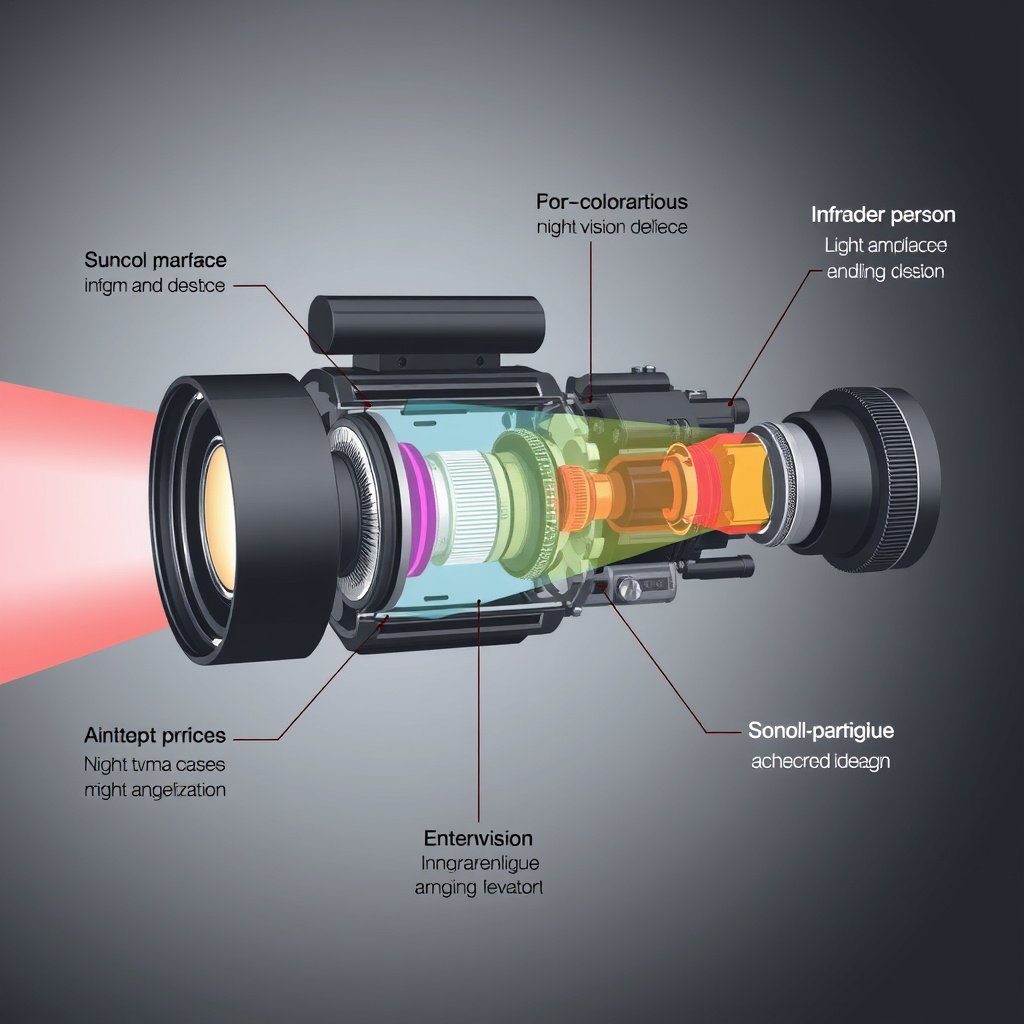
The human eye adapts to low light by expanding the pupil and using rod cells sensitive to dim conditions. However, this adaptation is limited and does not allow clear vision in complete darkness.
Dark adaptation can take up to 30 minutes depending on previous light exposure, but even then, fine details and color perception are very limited, making devices necessary for true night vision.
Technology Behind Night Vision Devices
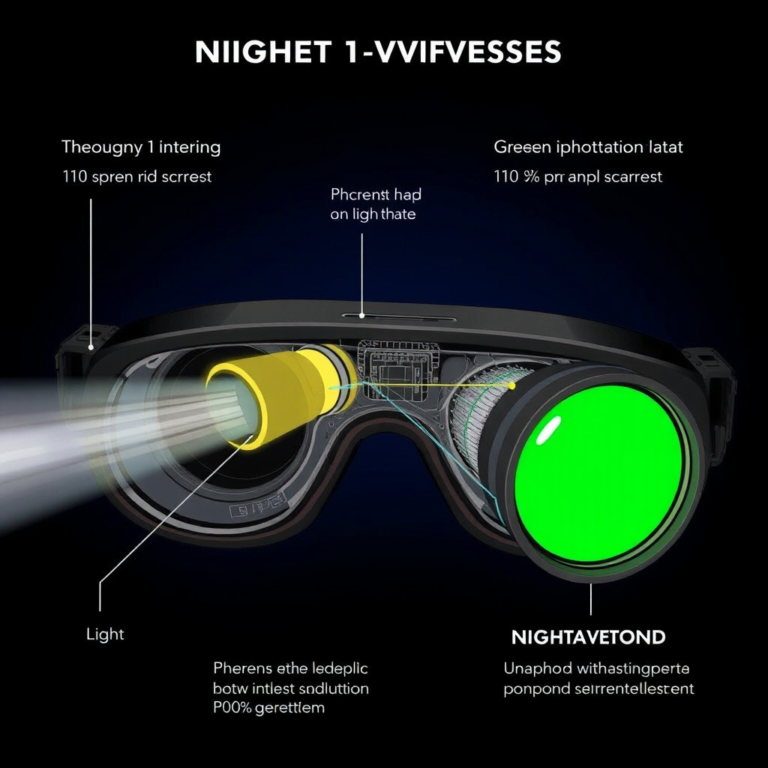
Night vision devices use two main technologies: image intensification, which amplifies available light such as moonlight or starlight, and thermal imaging, which detects heat emitted by objects.
Image intensifiers usually employ an electron tube to transform light photons into electrons, increase their number, then convert them back into visible light on a phosphor screen to create a bright green image.
Types of Night Vision Devices
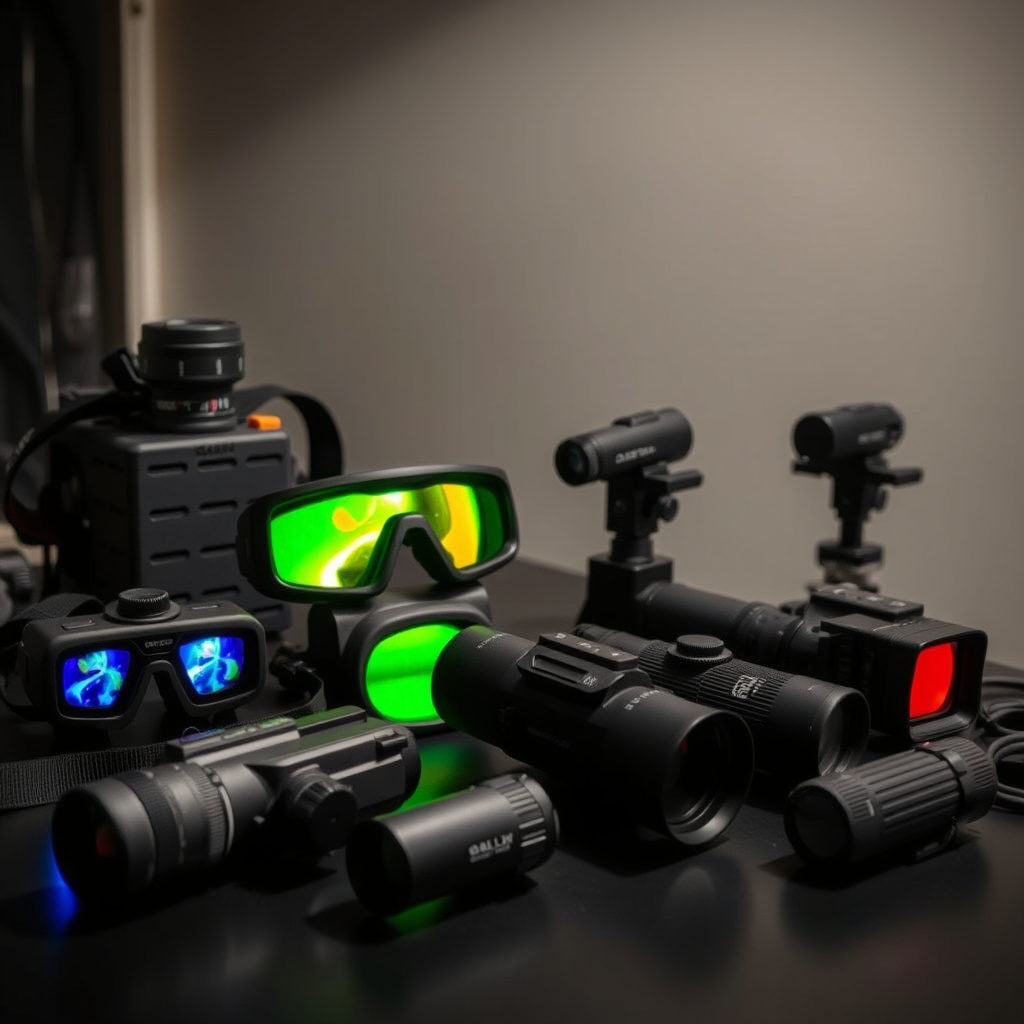
Image Intensifier Night Vision Devices
Image intensifiers boost dim ambient light to provide a viewable image at night. These are common in night vision goggles and scopes used by military and civilians alike.
Typically available in different generations (Gen 1, 2, 3), the higher generations offer better clarity, range, and light amplification but come at a higher price.
- Gen 1: Entry-level, good for close-range use
- Gen 2: Improved clarity and sensitivity
- Gen 3: High performance and low light capability
Thermal Imaging Night Vision Devices
Thermal imagers detect infrared radiation emitted by heat sources. This technology allows detection of warm objects even in complete darkness or through smoke and fog.
These devices display images in various color palettes highlighting temperature differences, which can help in search and rescue, security, and hunting applications.
- Works without any visible light
- Effective in adverse weather conditions
Natural Methods to Enhance Night Vision
Dark Adaptation Techniques
Allowing your eyes to adjust by staying in darkness for 20-30 minutes can significantly improve natural night vision. Avoiding bright lights during this period preserves rod sensitivity.
Using red light instead of white light during outdoor nighttime activities helps maintain dark adaptation since red light has minimal impact on night vision.
- Delay exposure to bright light for at least 20 minutes
- Use red LED flashlights for navigation
For more on this, see our related guide: How to Get Night Vision in Minecraft: Guide to Crafting and Using Night Vision Potions.
Diet and Eye Health
Consuming foods rich in vitamin A and antioxidants supports retinal health and may improve low-light vision over time.
Carrots, leafy greens, and fish oils are known to contribute nutrients important for maintaining the function of the rod cells responsible for night vision.
- Vitamin A-rich foods: carrots, sweet potatoes
- Omega-3 fatty acids: fish oils
Choosing the Best Night Vision Devices
Factors to Consider When Buying
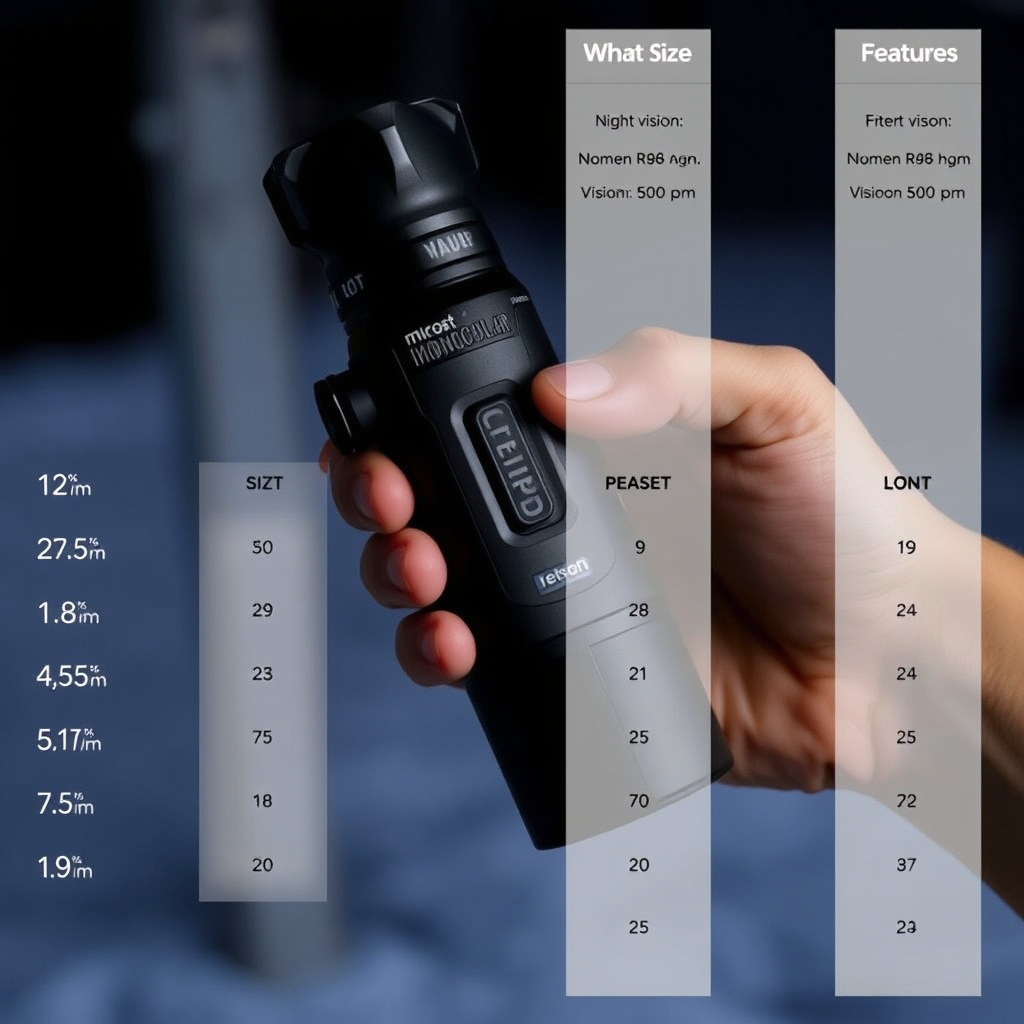
When selecting a night vision device, consider the intended use, image quality, range, battery life, and device weight. For example, thermal imagers are excellent for detecting heat signatures but are generally more expensive.
You should also pay attention to generation type, as higher generations typically offer sharper images and better sensitivity, especially in very dark conditions.
- Use case: hunting, security, wildlife observation
- Performance: image clarity, range
- Portability and power requirements
Popular Night Vision Device Brands
Some well-known manufacturers include ATN, Pulsar, and FLIR, which offer devices with advanced features like digital zoom, video recording, and smartphone connectivity.
Reading user reviews and professional ratings can help gauge real-world performance and reliability to pick the best night vision devices for your needs.
- ATN: known for digital night vision
- FLIR: leader in thermal imaging
- Pulsar: offers affordable scopes and goggles
Practical Applications of Night Vision
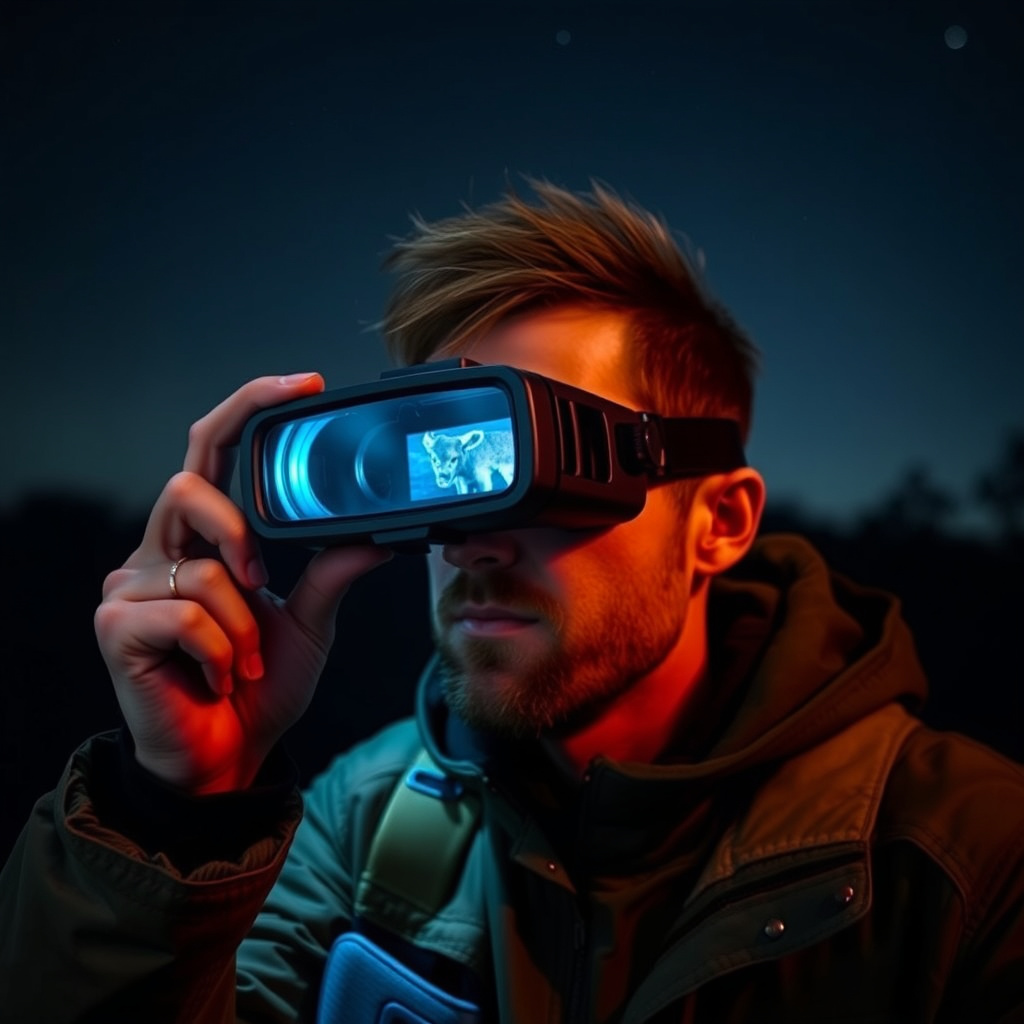
Outdoor Activities and Security
Night vision devices enhance safety during nighttime outdoor activities like hiking, hunting, or boating by improving visibility and awareness of surroundings.
Security forces and law enforcement use night vision for surveillance and monitoring in low-light conditions where conventional cameras or the naked eye fail.
For more on this, see our related guide: How to Get Night Vision in Minecraft: Every Method Explained.
Wildlife Observation and Research
Researchers and conservationists use night vision to study nocturnal animals without disturbing them. This method provides clearer insights into animal behavior during dark hours.
Devices with image intensifiers or thermal imaging help spot animals hidden in dense foliage or far distances.
Maintenance and Safety When Using Night Vision
Device Care and Handling
Proper maintenance includes keeping lenses clean, storing devices in protective cases, and avoiding exposure to bright lights which can damage sensitive imaging tubes.
Regular battery checks and following manufacturer instructions extend the lifespan of night vision equipment.
- Use lens cleaning cloths and solutions
- Store devices in padded cases
For a detailed technical background, see this night vision technology overview. Night vision technology overview.
Safety Precautions
Night vision goggles can have limited depth perception, so users should move carefully to avoid accidents. Avoid direct exposure to bright lights while using to prevent damage.
Be aware of device limitations like detection range and environmental factors that can affect image clarity.
- Avoid shining bright lights directly into devices
- Practice cautious movement when wearing night vision
Night Vision Device Category Comparison
Here is a comparison of common night vision device categories highlighting key features and suitability for different uses.
| Category | Technology | Typical Range | Cost Range | Best For |
|---|---|---|---|---|
| Gen 1 Image Intensifiers | Light amplification | 100-200 meters | $200-$500 | Entry-level use, casual observation |
| Gen 2 Image Intensifiers | Light amplification | 200-300 meters | $1000-$2500 | Professional use, hunting |
| Gen 3 Image Intensifiers | Light amplification | 300-400 meters | $3000+ | Military, high-end security |
| Thermal Imagers | Infrared heat detection | up to 1000 meters | $1500-$7000 | Search and rescue, surveillance |
| Digital Night Vision | Electronic image processing | 50-150 meters | $300-$1500 | Versatile, budget-conscious users |
Frequently Asked Questions
Can I get night vision naturally without devices?
Human eyes can adapt to low light over time, but true night vision requires devices since our eyes cannot see in complete darkness or detect infrared light.
What is the difference between thermal imaging and image intensifiers?
Image intensifiers amplify ambient light to create a visible image, while thermal imagers detect heat signatures, enabling vision without any light at all.
Are night vision devices expensive?
Prices vary widely: entry-level devices start around $200, while advanced military-grade thermal imagers can cost several thousand dollars.
Is it safe to use night vision goggles for extended periods?
Using night vision goggles is generally safe, but limited depth perception means users should move cautiously. Avoid exposing the devices to bright light to prevent damage.
How do I maintain my night vision equipment?
Keep lenses clean with proper cloths, store devices in padded cases, avoid bright light exposure, and regularly check batteries following manufacturer guidelines.
Key Takeaways
- Night vision requires specialized devices that amplify light or detect heat.
- Image intensifiers and thermal imagers serve different purposes and environments.
- Natural eye adaptation helps but cannot replace night vision technology.
- Choosing the right device depends on your specific use and budget.
Conclusion
Deciding how to get night vision hinges on understanding your needs and the environment where you’ll use it. Whether you require short-range clarity for wildlife watching or long-range detection for security, knowing the differences in technology allows you to select a device that meets your goals effectively. Incorporating natural techniques like dark adaptation can complement equipment use but won’t substitute for the clarity gained from night vision devices.
For outdoor enthusiasts or hunters, Gen 2 image intensifiers offer a good balance of performance and affordability, while professionals in security or search and rescue often rely on high-end Gen 3 or thermal imaging devices for superior detection capabilities. Digital night vision devices provide versatility for beginners and casual users. Matching your budget with the best night vision devices ensures you get functional equipment without paying for features you won’t use.
To begin your journey toward effective night vision, start by identifying your primary use cases and exploring or renting different device types for hands-on experience. Complement device use with practices that enhance your natural eye adaptation to darkness, such as using red lights at night. With informed choices and proper care, night vision technology can unlock clear vision even in the darkest conditions.