Do Humans Have Night Vision? Understanding Our Low-Light Sight
Humans do not have night vision in the way that many animals do, but our eyes possess a remarkable ability to adapt to low-light conditions using specialized cells called rods. This adaptation, called dark adaptation, lets us see better in dim light than we might expect—though we never achieve true ‘night-vision goggles’ levels of clarity. Most people can navigate in a moonlit environment, but reading a book or seeing color vividly is far beyond our nocturnal abilities.
Understanding the limits and capabilities of natural human night vision matters for outdoor activities, nighttime driving, and safety. While some animals see proficiently in near-total darkness, humans rely on subtle light and physiological adjustments to make sense of our surroundings in the dark.
This article delves into how the human eye manages in darkness, what affects our nighttime visibility, how humans compare to animals known for excellent night vision, and what practical steps can boost night viewing ability. We’ll also answer common questions and bust myths about human night vision.
How Do Human Eyes Adapt to Darkness?
Rod and Cone Function in Low Light
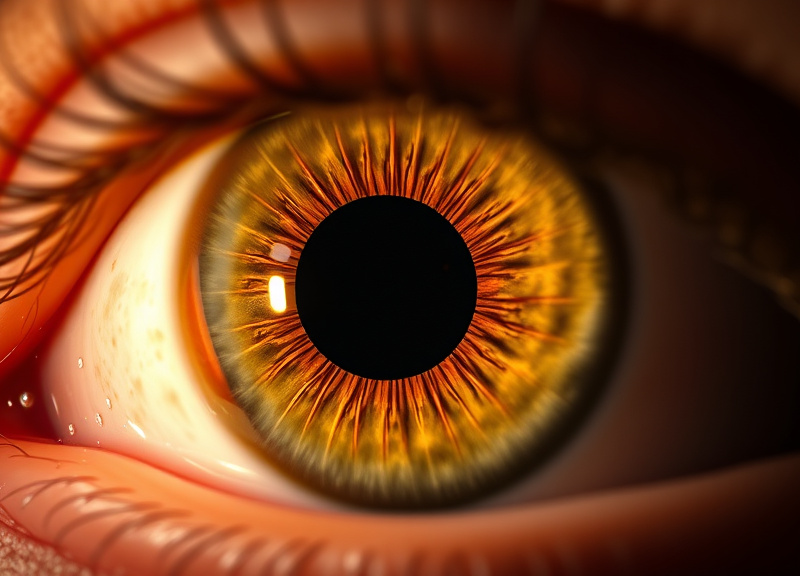
The human retina contains two main types of photoreceptor cells: rods and cones. Rods are highly sensitive to light and vastly outnumber cones, especially in the peripheral retina. They’re responsible for most of our vision in dim environments, providing black-and-white images rather than color.
Cones, by contrast, work best in bright light. At night, rods dominate, but they can’t provide the clarity or color vision that cones offer. This trade-off explains why low-light scenes seem fuzzy or colorless to us.
Key differences between rods and cones include:
Rods detect low light and give peripheral, black-and-white vision.
Cones perceive fine detail and color in bright light.
- Rods detect low light and provide peripheral vision
- Cones perceive color and fine detail
- Night vision uses mostly rods
The Process of Dark Adaptation
When moving from a well-lit environment into darkness, your eyes gradually increase their sensitivity—a process known as dark adaptation. This process can take up to 30-45 minutes; initially, cones react rapidly but reach their maximum sensitivity quickly, while rods continue to adapt more slowly, eventually taking over.
During this period, the retina undergoes chemical changes: Rhodopsin, the pigment in rods, regenerates, making the cells more responsive to any available light. Complete dark adaptation maximizes your low-light vision for the environment.
Limits of Human Night Vision
What Humans Can and Cannot See at Night
Human night vision is limited by the number and sensitivity of rods, the absence of a tapetum lucidum (a reflective eye layer found in many nocturnal animals), and the low concentration of rods in the very center of the retina. We can navigate simple environments and detect movement but struggle to read, recognize faces, or perceive color.
Even after full dark adaptation, humans require about one-tenth of a lux (roughly a clear, moonlit night) to move safely. Without any light, we are nearly blind.
Factors That Reduce Night Vision Quality
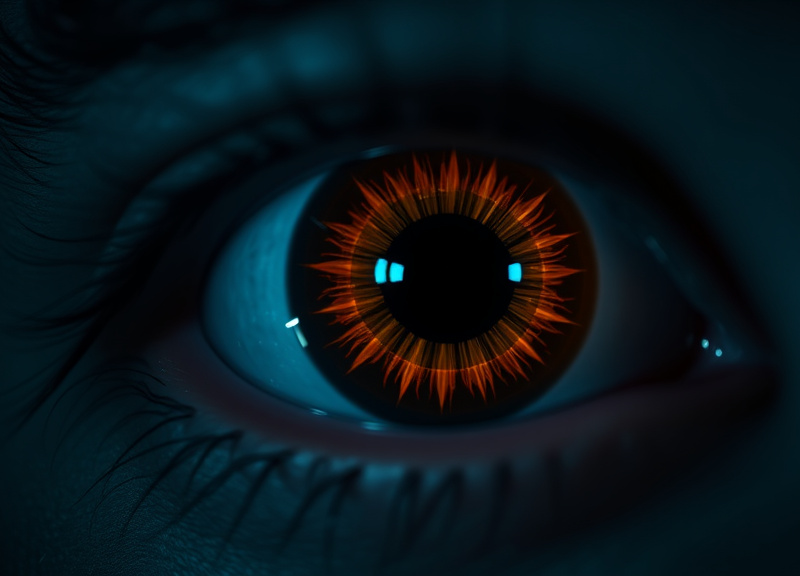
Aging, vitamin A deficiency, and ocular conditions like cataracts or retinitis pigmentosa can impair night vision further. Temporary problems—such as exposure to bright lights before entering darkness—also hinder quick adaptation. Certain medications and alcohol consumption can make it harder for your eyes to function in the dark.
Maintaining eye health and reducing light exposure right before entering dark environments can help preserve whatever low-light adaptation you naturally possess.
- Bright light exposure before darkness
- Vitamin A deficiency
- Certain medications
- Aging or eye disease
Do Humans Have Night Vision Compared to Animals?
Animals With Superior Night Vision
Nocturnal animals—like owls, cats, and some reptiles—have adaptations far beyond humans'. Many possess more rods, a wider pupil, slit-shaped pupils for light control, or a tapetum lucidum that reflects light back through the retina, enhancing any light that enters the eye.
These biological upgrades allow animals to spot movement and detail at light levels completely unusable by the human eye, giving them a distinct survival advantage at night.
- Greater rod concentration in eyes
- Tapetum lucidum reflective layer
- Efficient eye shapes and sizes
For more on this, see our related guide: What Is the Best Security Camera System for Home and Business Use?.
Human Adaptations and Shortcomings
Humans have some evolutionary night vision capability, mainly through color-sensing cones switching to rod-dominant use at night. However, the absence of additional optical adaptations means we lag behind even some domesticated animals.
When compared to creatures with evolved night vision, human eyesight is better suited to daytime activity. This is why “night vision” for humans is a relative term rather than an absolute one.
How to Maximize Your Night Vision
Best Practices for Preserving Dark Adaptation
To maximize your natural night vision, avoid looking directly at bright lights— including phone screens—when entering a dark environment. Use red or dim lighting, as it is less disruptive to rods. Allow at least 20-30 minutes for your eyes to fully adapt after entering darkness.
When operating in dim environments, such as stargazing or night hiking, these steps can help maintain your eye’s peak adjustment.
- Use red or very dim lights at night
- Avoid bright light for 20-30 minutes
- Don’t look directly at headlights or screens
Diet and Eye Health for Better Night Vision
Vitamin A plays a critical role in rhodopsin production, essential for night vision. A diet rich in carrots, sweet potatoes, and leafy greens helps maintain optimal dark adaptation. Regular eye checkups can identify early signs of deficiency or ocular disease.
Healthy lifestyle habits—avoiding tobacco, managing blood sugar, and wearing UV-protective sunglasses—can also contribute to long-term vision, including in low light.
- Eat foods rich in vitamin A
- Get regular eye exams
- Manage health conditions that affect vision
Artificial Night Vision: How Technology Bridges the Gap
Night Vision Devices for Humans
Night vision goggles amplify existing light—such as starlight or infrared—using intensifier tubes, allowing humans to see clearly where natural ability fails. These devices turn faint light into visible images, often in green monochrome for greater clarity.
Thermal imagers detect heat emitted by objects, providing a different way to ‘see’ in total darkness. Both technologies compensate for limitations in our natural night vision.
- Light amplification (goggles, scopes)
- Thermal imaging
Safety and Practical Uses
Artificial night vision is crucial for military operations, search and rescue, wildlife observation, and nighttime navigation. It lets humans operate effectively in pitch-dark environments—something well beyond our innate capacity.
For most people, these devices are specialized tools, but understanding their purpose reveals the clear boundary between human and animal night vision.
How Do Human Eyes Adjust to Darkness? A Closer Look
Pupil Dilation and Light Sensitivity
In dim settings, your pupils dilate to let in more light. This reflex happens quickly—seconds to minutes—and is the first, but not the only, way your eyes handle the dark. Larger pupils gather more light, improving the chance to see faint objects.
However, dilation alone doesn’t provide true night vision—the deeper process of chemical photoreceptor adaptation is necessary for significant low-light sight improvement.
To explore the science of night vision more deeply, read about night vision in human and animal eyes for fascinating detail. night vision in human and animal eyes.
Chemical Changes in the Retina
Dark adaptation involves more than just pupil dilation. It relies heavily on the regeneration of rhodopsin in rods, which lets these cells detect faint light signals. This chemical process is gradual and easily disrupted by bright lights.
Understanding how human eyes adjust to darkness helps explain why we require patience—and sometimes tech aids—to see clearly in low-light scenarios.
Human Night Vision Versus Animal Night Vision: A Comparison
This table compares key features of night vision among humans and several animals to highlight both our limitations and unique adaptations.
| Species | Rod Density | Tapetum Lucidum | Lowest Usable Light | Color Vision at Night | Special Adaptations |
|---|---|---|---|---|---|
| Human | Moderate (120M) | Absent | 0.1 lux (moonlight) | None | Dark adaptation, rod use |
| Cat | High (200M+) | Present | 0.002 lux | Very limited | Slit pupils, tapetum lucidum |
| Owl | Ultra-high | Present | 0.0001 lux | None | Large eyes, tubular retina |
| Dog | High | Present | 0.005 lux | None | Tapetum lucidum |
| Horse | Moderate-high | Present | 0.02 lux | Limited | Large eyes, wide pupils |
Frequently Asked Questions
Can humans ever see in total darkness?
No, humans cannot see in absolute darkness. Our eyes need at least a small amount of ambient light to form images. In total absence of light, human vision ceases to function, and all orientation relies on other senses.
Why do stars look brighter after a few minutes in the dark?
After a few minutes, your eyes' rods become more sensitive, allowing you to detect fainter light sources like stars. This adjustment—dark adaptation—continues to improve your low-light sight for up to 30 minutes in darkness.
Is it possible to improve natural night vision?
Healthy habits—like maintaining a diet rich in vitamin A, getting regular eye exams, and avoiding bright light before entering darkness—can help preserve your existing night vision. However, humans cannot develop animal-level low-light abilities.
Do sunglasses help with night vision?
Wearing sunglasses during the day can protect your eyes from UV damage and prevent fatigue, indirectly benefiting your night vision. However, sunglasses should not be worn in darkness or low-light, as they further decrease light available to the eyes.
Why do some people struggle more with night vision than others?
Individual night vision varies due to age, genetics, eye health, and medical conditions. Older adults or those with certain eye diseases may notice more difficulty seeing in low light compared to healthy young adults.
Key Takeaways
- Humans possess limited night vision, relying mainly on rod cells.
- Night vision quality can be affected by age, health, and light exposure.
- Human night vision is far less advanced than many animal species.
- Best night vision is achieved through dark adaptation and eye health.
Conclusion
The question of whether humans have night vision reveals the nuanced reality of our biology: while we can adapt our eyes to darker settings, our capabilities are ultimately modest and dependent on physiological limits. Understanding the factors involved—such as rod and cone function, the process of dark adaptation, and the comparison to specialized animal adaptations—helps clarify what to expect from your own eyes in low-light settings. Caring for your eye health and using practical strategies to preserve dark adaptation can make a tangible difference when you find yourself in the dark.
Practically speaking, if you plan activities requiring vision at night—such as hiking, astronomy, or nighttime safety tasks—give your eyes time to adjust, use red or dim lights to avoid constant resetting of adaptation, and ensure your diet supports ocular health. For environments beyond the reach of natural night vision, consider artificial aids like night vision goggles, especially if safety or performance is essential. Comparing options like natural adaptation versus technological enhancement shows there’s no substitute for planning and preparation.
As our understanding of human night vision grows, so does our ability to optimize and supplement it in daily life. Whether your goal is better navigation outdoors at night or simply appreciating the limits and wonders of human vision, staying informed and proactive ensures you get the most from your sight after sunset. Keep learning, consult your eye care provider if you experience changes, and remember—realistic expectations are the key to staying safe and enjoying low-light environments.


3 Comments