Do Humans Have Night Vision? Understanding Our Low-Light Sight Capabilities
Humans do not possess true night vision like some animals, but our eyes can adapt to see in very low light through a process called dark adaptation. This allows us to detect shapes and movement in darkness, although our color perception and sharpness drop significantly compared to daylight.
Our eyes rely on two types of photoreceptor cells: rods and cones. Rod cells become highly sensitive after being in the dark for 20-30 minutes, enabling us to better detect dim light. However, rod cells do not detect color, which explains why nighttime environments often appear in shades of gray to our vision.
This article will explore how human night vision works, including the biological limitations and adaptations of our eyes. Additionally, we'll compare human low-light vision to that of animals with specialized night vision, review conditions affecting our dark vision, and guide you on how to improve your own ability to see in the dark.
How Human Eyes Adapt to Darkness
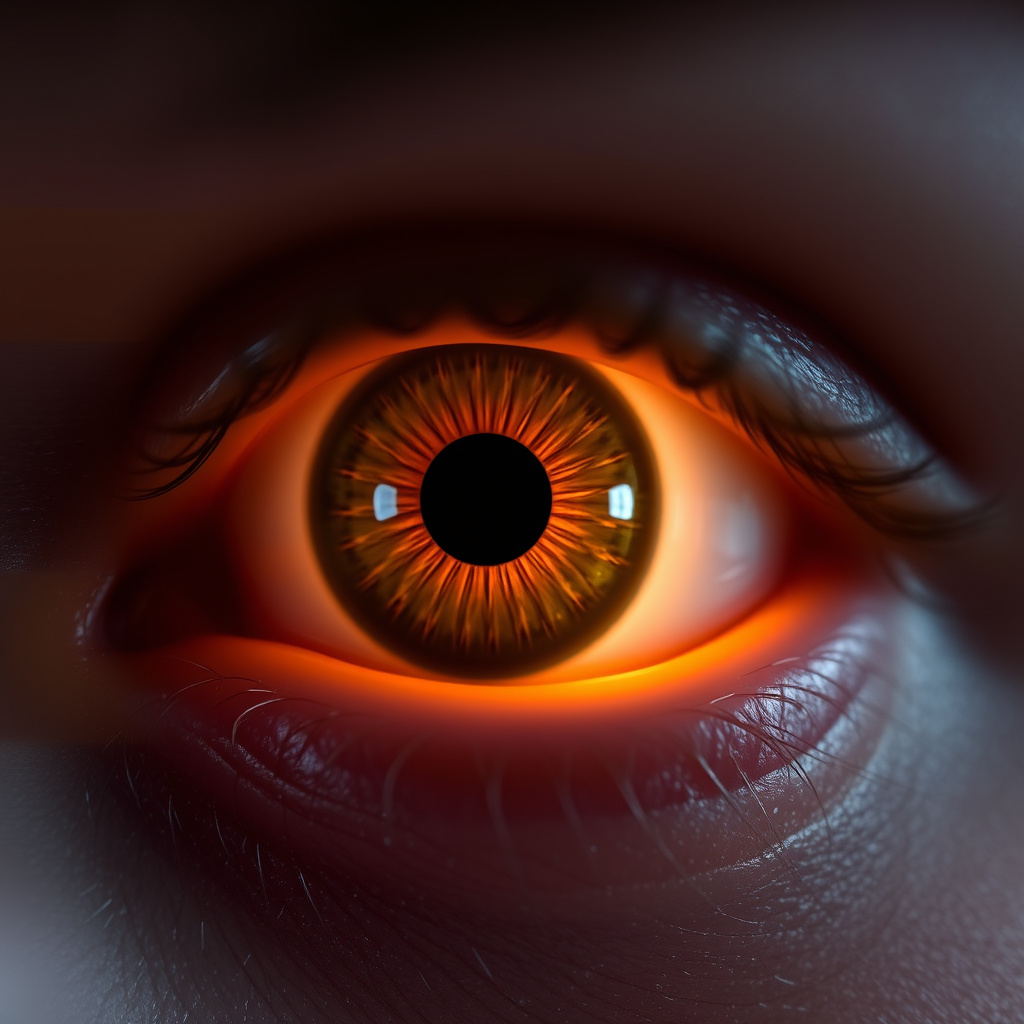
The Role of Rods and Cones in Low-Light Vision
Human eyes contain rods and cones, which serve different functions. Rods are highly sensitive to light but do not detect color, while cones work best in bright light and perceive colors. In dark environments, rods take precedence, allowing us to perceive outlines and motion despite the lack of color.
During dark adaptation, rods increase their sensitivity to light, which enhances night vision over time. This process can take up to 30 minutes, after which rod cells operate at peak sensitivity, enabling humans to see in dim conditions but with reduced detail.
- Rods detect light intensity, not color
- Cones handle color vision in daylight
- Dark adaptation can take up to 30 minutes
Pupil Dilation and Its Impact on Night Vision
The pupil expands in low light to allow more photons to reach the retina. This dilation maximizes available light but is limited by the eye's physical structure. Unlike cameras, human eyes cannot infinitely enlarge the pupil, setting a natural limit on night vision.
Even with maximum dilation, the amount of light entering the eye remains far less than in daylight, which is why vision becomes grainy and less detailed. Objects often appear blurred or silhouetted due to these optical constraints.
- Pupil can expand up to 7 mm in darkness
- More light enters, improving sensitivity
- Physical limits restrict maximum dilation
Comparing Human Night Vision to Animals
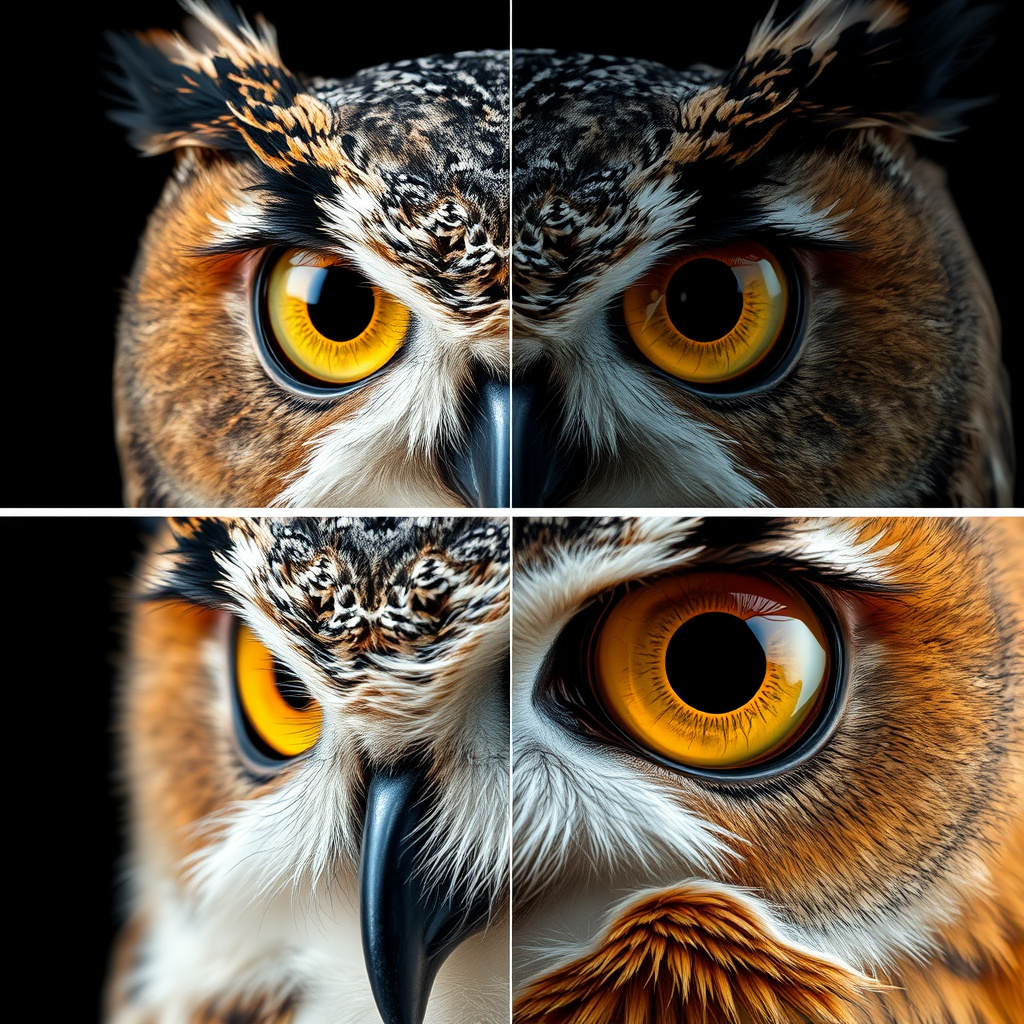
Animals with Superior Night Vision
Many nocturnal animals possess eyes with features specialized for extreme low-light conditions. For example, owls have a high concentration of rod cells and a reflective layer behind the retina called the tapetum lucidum, which enhances light sensitivity by reflecting light back through the retina.
Cats also exhibit a tapetum lucidum and large pupils, enabling them to see much better in the dark. These adaptations give animals vastly superior night vision compared to humans, allowing them to hunt and navigate in almost complete darkness.
- Tapetum lucidum reflects light to improve sensitivity
- Dense rod cell populations enhance dim light detection
- Larger pupils allow increased light entry
For more on this, see our related guide: Do Humans Have Night Vision? Understanding Our Low-Light Sight.
Why Humans Lack True Night Vision
Humans lack a tapetum lucidum and have fewer rod cells compared to many nocturnal animals. Our eyes are designed primarily for daytime vision, optimal for color discrimination and detail rather than low-light performance.
Additionally, our reliance on cone cells for color and detail diminishes in darkness, which makes our night vision less effective. Evolution prioritized other senses over night vision since humans are primarily diurnal creatures.
Factors Affecting Human Low-Light Vision
Age and Eye Health Influence Night Vision
As people age, changes in the eye such as yellowing of the lens and reduced pupil size decrease the ability to adapt to darkness. Conditions like cataracts and macular degeneration further impair night vision by scattering and reducing light reaching the retina.
Maintaining eye health through regular check-ups can help detect early problems affecting night vision. Using proper vision correction and lighting can mitigate some low-light vision challenges.
- Aging reduces pupil dilation and lens clarity
- Eye diseases can impair low-light sensitivity
- Regular eye exams are important for monitoring
Environmental and Lifestyle Factors
Exposure to bright lights before entering darkness slows dark adaptation by affecting retinal chemistry. Similarly, vitamin deficiencies, fatigue, and alcohol consumption reduce low-light vision performance.
Wearing sunglasses outdoors and allowing time for eyes to adjust in dark conditions can boost low-light vision temporarily. Avoiding harsh light exposure helps rods regenerate essential pigments quicker for better night vision.
- Bright light exposure delays dark adaptation
- Fatigue and alcohol impair night vision
- Vitamin A deficiency can reduce rod function
Enhancing Your Night Vision
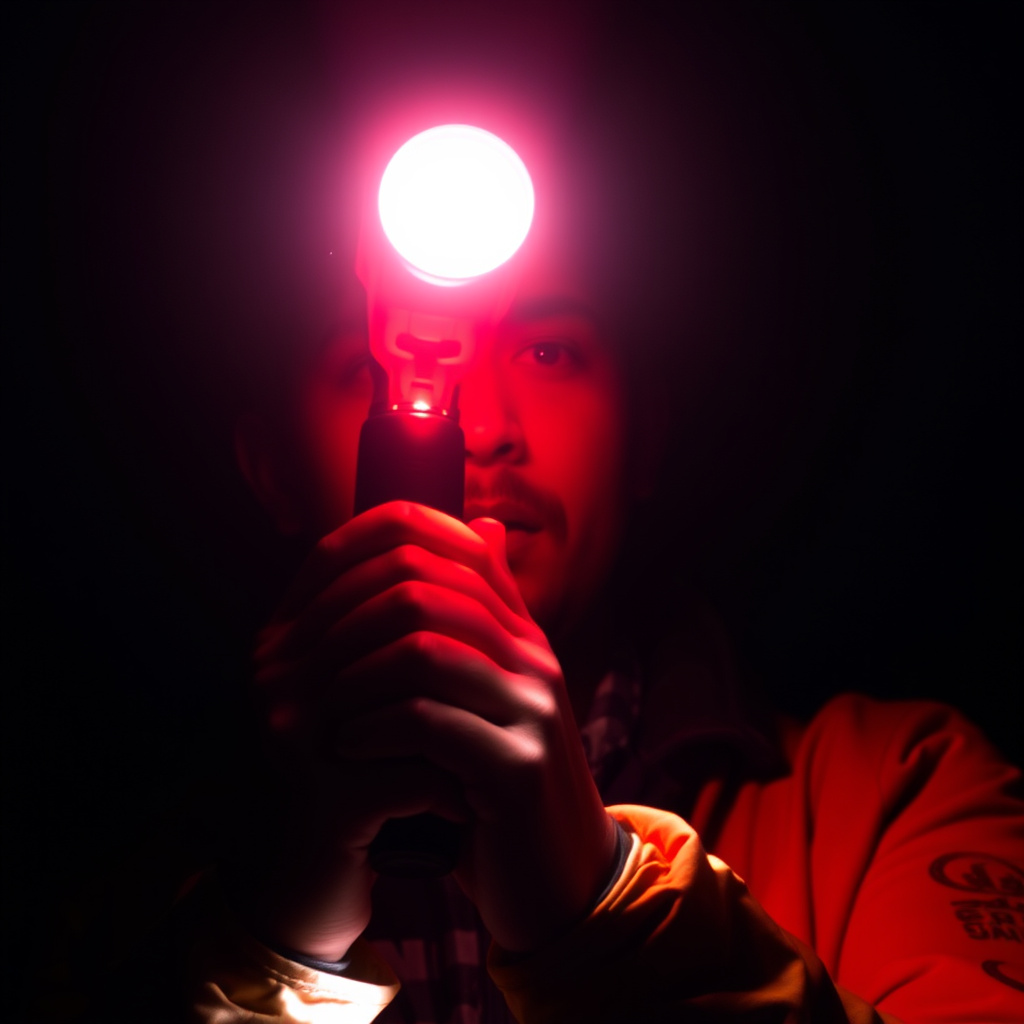
Techniques to Improve Natural Night Vision
Allowing 20-30 minutes for eyes to adjust in the dark is key to maximizing night vision. Using low-intensity red light avoids interfering with rod function because rods are less sensitive to red wavelengths.
Avoiding bright screens or lights before going outdoors at night helps rods recover from bleaching. Regular eye exercises focusing on dim objects may also sharpen low-light vision over time.
- Wait at least 20 minutes in the dark for adjustment
- Use red light to preserve rod sensitivity
- Minimize exposure to bright white or blue lights
For more on this, see our related guide: Why Is Night Vision Green? Understanding the Science Behind Night Vision Technology.
Assistive Devices for Night Vision
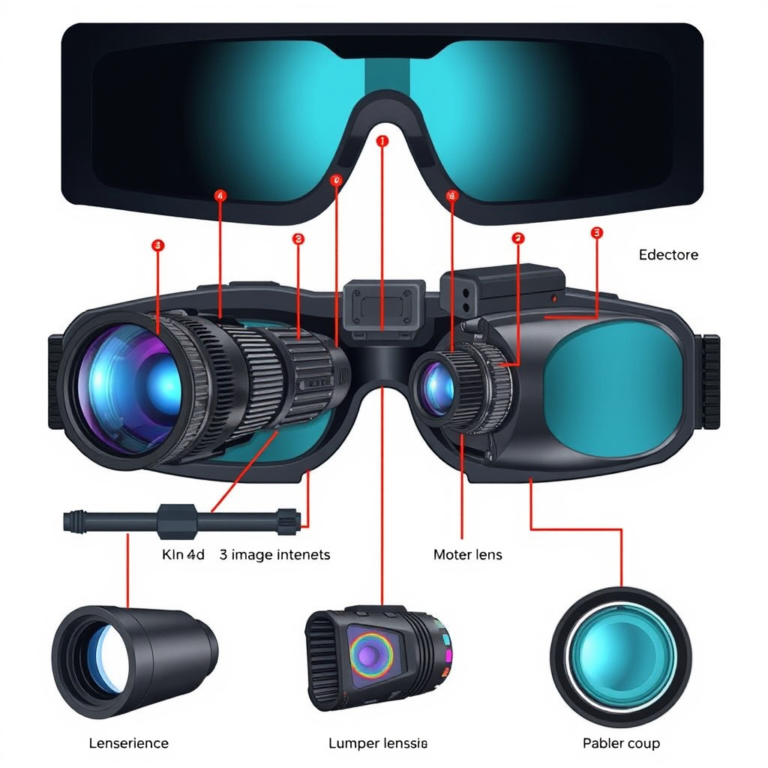
Night vision goggles and thermal imaging devices amplify available light or radiation to allow vision in near-total darkness. These devices use infrared technology to detect heat signatures or intensify ambient light beyond natural human capability.
While not widely accessible for casual use, consumer-grade night vision tools are becoming more affordable and practical for activities such as camping, hiking, or surveillance.
- Infrared goggles detect heat, not light
- Light intensifiers amplify existing photons
- Devices require batteries and can be bulky
Common Misconceptions About Night Vision
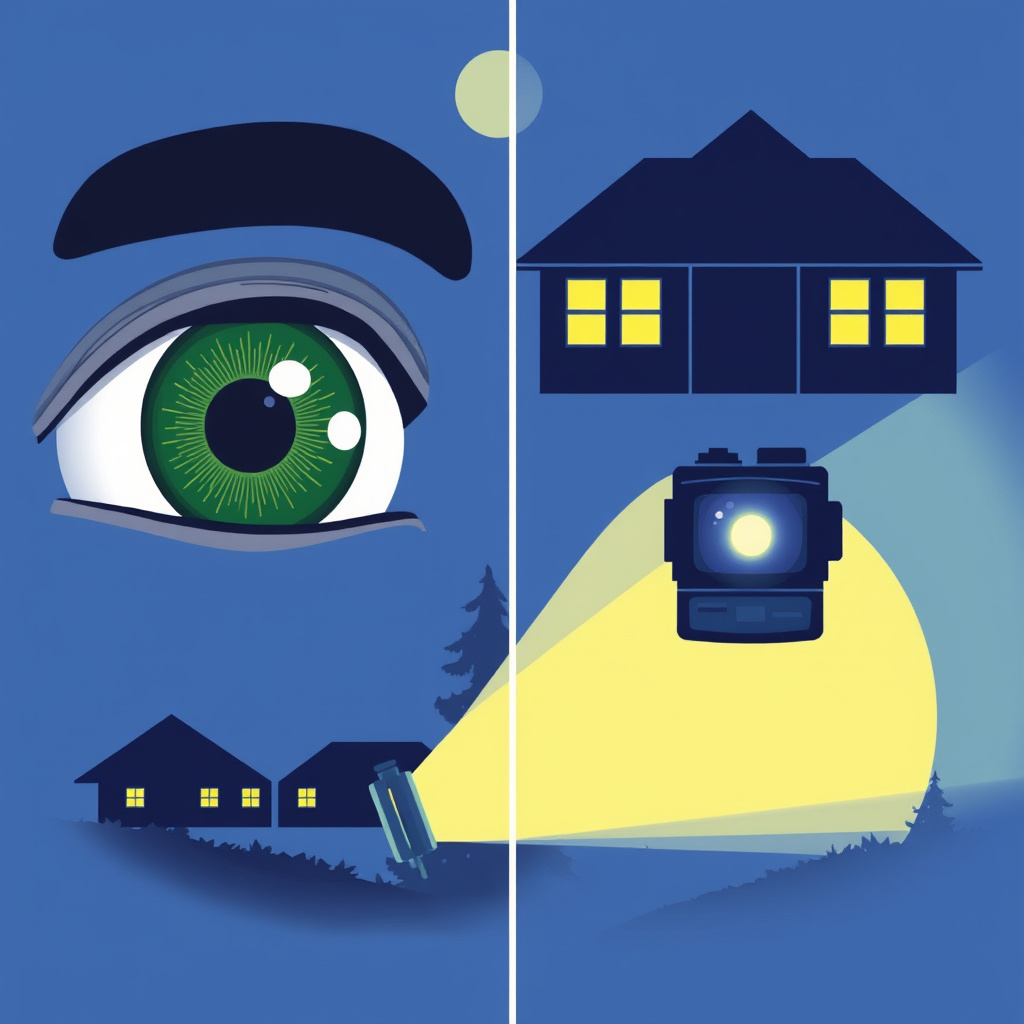
Humans Don’t See in Complete Darkness
Some believe humans can see well in total darkness, but our night vision depends on minimal ambient light. Without any light source, cones and rods cannot function, making vision impossible.
Even the best dark adaptation only enables vision in environments with some light, such as moonlight or starlight. This limitation prevents true night vision in absolute darkness.
For more extensive scientific details about human vision, the human eye Wikipedia page offers a comprehensive overview. human vision on Wikipedia.
Night Vision Is Not Enhanced by Training Alone
While some claims suggest night vision can be improved dramatically through training, biological limits restrict this. Techniques can speed adaptation and improve observation skills but cannot create the kind of night vision animals have inherently.
Understanding these limits helps set realistic expectations for human night vision and encourages reliance on assistive technology where appropriate.
Night Vision Capabilities: Humans vs Nocturnal Animals
Here’s a comparison of key features influencing night vision in humans and select nocturnal animals.
| Species | Rod Cell Density (per mm²) | Pupil Diameter (mm) | Tapetum Lucidum Present | Color Vision Capability |
|---|---|---|---|---|
| Human | 120,000 | 7 | No | Yes, cones active in daylight |
| Owl | 250,000 | 8 | Yes | Limited |
| Cat | 180,000 | 9 | Yes | Limited |
| Moth | 300,000 | Varies | Yes | No |
| Rat | 210,000 | 6 | Yes | Limited |
Frequently Asked Questions
Why do humans see in black and white at night?
At night, rod cells dominate vision and rods don’t detect color, so we perceive shades of gray instead of full color in low light conditions.
Can humans improve their night vision naturally?
Dark adaptation and avoiding bright lights before exposure can help improve natural night vision temporarily, but biological limits mean it cannot be significantly enhanced.
Do dim red lights affect night vision less than white lights?
Yes, because rods are less sensitive to red wavelengths, red light preserves dark adaptation better and allows easier night vision maintenance.
Do eye diseases affect night vision?
Conditions like cataracts and macular degeneration reduce night vision by scattering or blocking light from reaching the retina effectively.
What is the tapetum lucidum and why don’t humans have it?
The tapetum lucidum is a reflective layer behind the retina that enhances light sensitivity. Humans lack this structure due to evolutionary adaptations favoring daytime vision.
Key Takeaways
- Human eyes adapt to darkness through increased rod sensitivity but lack true night vision.
- Compared to nocturnal animals, human night vision is limited by eye structure and physiology.
- Factors like age, health, and environment significantly affect low-light vision quality.
- Simple practices like dark adaptation and using red light can improve human night vision temporarily.
Conclusion
Understanding human night vision requires appreciating the balance between our biological design and the environment around us. Our eyes evolved primarily for daytime activities, with rods providing limited sensitivity at night but no color perception. Dark adaptation enables us to see modestly in low light, but structural and physiological constraints mean humans cannot achieve the specialized night vision seen in animals like owls or cats. Our capability to perceive in darkness involves complex retinal processes that take time and favorable conditions to optimize, yet remain bounded by nature’s limits.
For different scenarios, people seeking better low-light visibility can rely on natural adaptation techniques or employ assistive devices. For instance, campers and hikers benefit from red LED flashlights that preserve night vision, while professionals such as hunters or wildlife observers might use night vision goggles for enhanced detail recognition. Health plays a critical role too; maintaining eye health through proper nutrition, avoiding harmful exposures, and treating eye conditions early supports better overall vision, including under low-light conditions. Whether for safety or leisure, selecting the right method depends on one’s activities and visual demands.
Taking practical steps like allowing the eyes time to adjust before entering dark areas, protecting eyes from excessive bright light, and incorporating regular eye examinations provides a strong foundation for maximizing low-light vision. While complete night vision remains beyond our natural capability, combining these habits with modern technology offers meaningful improvement. For those curious to explore more technical aspects of human vision, consulting resources such as the National Eye Institute can provide trustworthy and detailed information about vision science and eye health.

One Comment