When Was Night Vision Invented? A Complete Historical Overview
Night vision technology was first invented in the 1930s, with early developments focused on allowing soldiers to see in low-light or no-light conditions during warfare. The initial devices amplified ambient light and were later enhanced using infrared technology.
This invention was driven largely by military needs in World War II, where being able to detect enemies under darkness offered a tactical advantage. Technology has since evolved, improving sensitivity, clarity, and overall usability for both military and civilian applications.
This article will cover the timeline of night vision invention, the major milestones in its technological evolution, and how it transformed from bulky military gear into the compact devices available today.
Early Inventions and Developments in Night Vision
First Generation Night Vision Devices
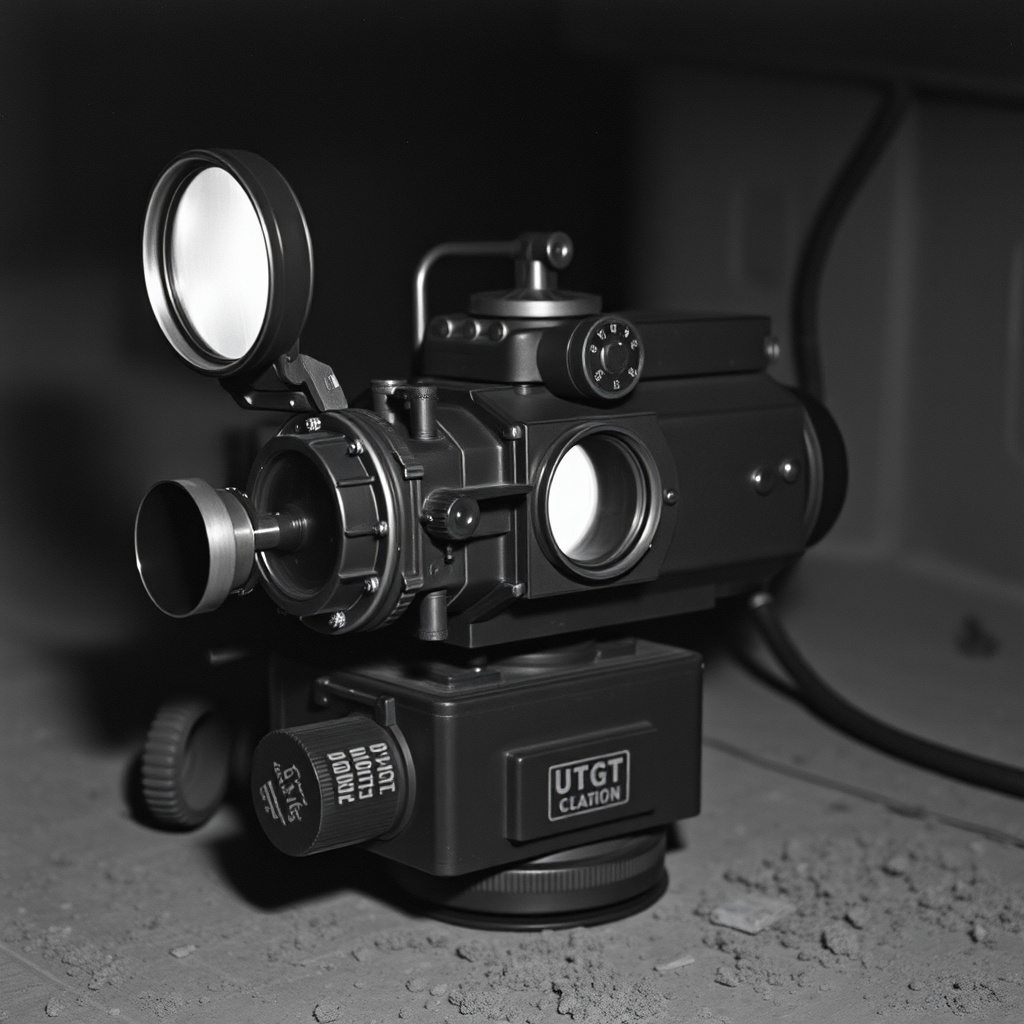
The first generation of night vision devices appeared in the late 1930s and early 1940s, primarily developed in the United States and Germany. They used an active infrared system that required an infrared spotlight to illuminate objects invisible to the unaided eye.
These early devices were large, cumbersome, and had limited range, but they provided a foundation for night vision technology. Their use was mainly restricted to military reconnaissance and targeting.
- Active infrared technology
- Limited to military use
- Bulky equipment with short range
World War II Impact and Innovations
World War II accelerated night vision advancements. The German army's development of the 'Vampir' system allowed infantry to use infrared illumination for night operations, while American forces worked on similar active infrared scopes.
This period marked a shift towards using night vision for direct combat applications rather than merely reconnaissance, though the technology still faced challenges like weight and power requirements.
Transition to Passive Night Vision Technology

Development of Image Intensifiers
The breakthrough of passive night vision occurred with the invention of the image intensifier tube in the 1950s. Unlike earlier active systems, this tech amplified available ambient light, such as moonlight or starlight, eliminating the need for an infrared spotlight.
This greatly improved stealth and usability, leading to widespread adoption in the military. Image intensifiers formed the basis of many subsequent generations of night vision devices.
- Amplifies ambient light
- No infrared illumination required
- Enhanced stealth capability
Rise of Second and Third Generation Devices
Second generation night vision introduced improvements like a gallium arsenide photocathode for better image clarity and performance in extreme darkness, while third generation devices incorporated more robust microchannel plates.
These enhancements allowed for clearer imagery, longer device lifespans, and broader operational capabilities, extending the use of night vision beyond military to law enforcement and civilian fields.
Modern Night Vision Technology

Digital Night Vision Cameras
Recent advancements have shifted towards digital night vision, which uses a digital sensor and screen to provide enhanced image quality, color options, and video recording capabilities.
Digital systems overcome many limitations of traditional optical night vision, such as blooming from bright lights, and often come in more compact and user-friendly designs.
- Digital sensors replace image intensifiers
- Capability to record and stream video
- Improved durability and ease of use
For more on this, see our related guide: When Was Night Vision Invented? Unveiling the History of Night Vision Technology.
Thermal Imaging as a Complementary Technology
Thermal imaging detects heat signatures rather than visible or infrared light, offering an alternative mode of night vision effective even in total darkness or through smoke and fog.
While not technically night vision in the strictest sense, thermal imaging has become vital in surveillance, search and rescue, and wildlife monitoring.
Applications and Impact of Night Vision Technology
Military and Law Enforcement Uses
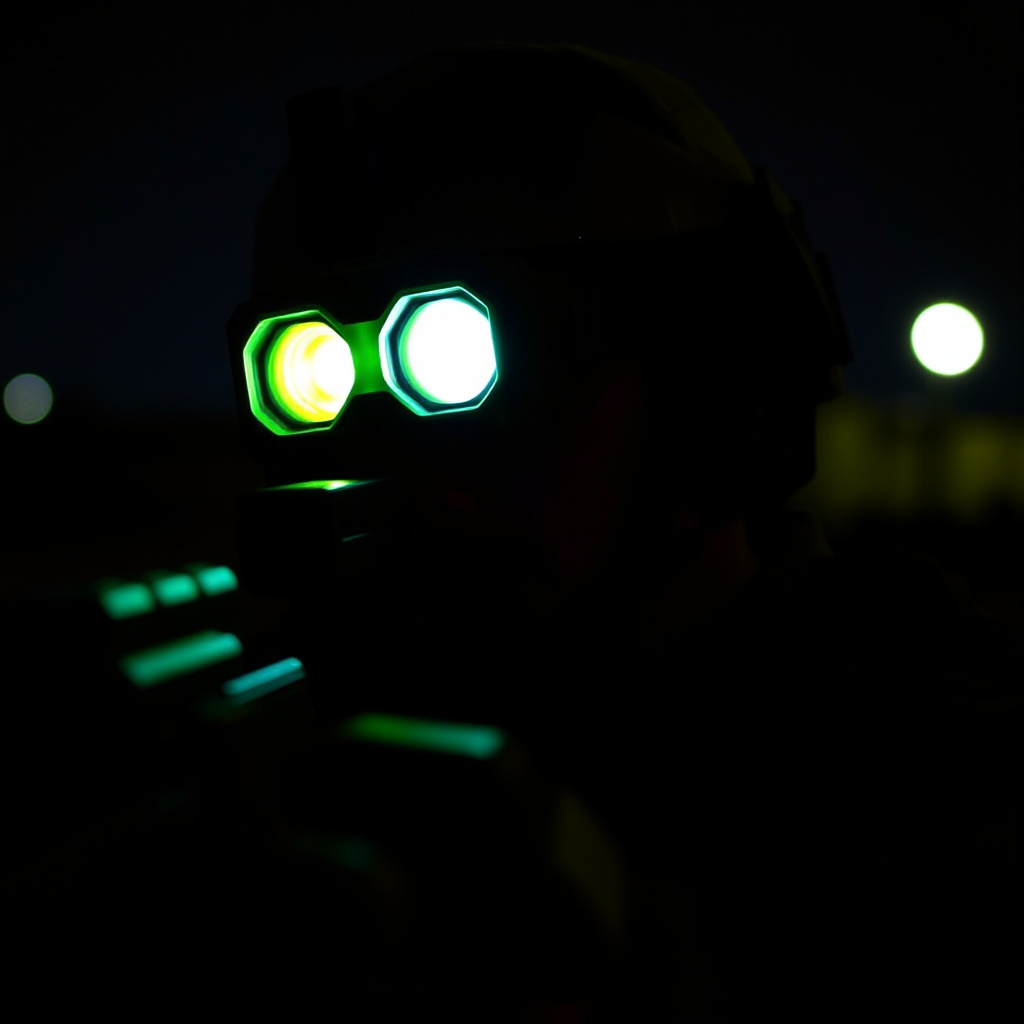
Night vision technology profoundly changed battlefield tactics by enabling night operations, surveillance, and reconnaissance. Law enforcement adopted it for surveillance, crowd control, and search missions after dark.
The technology’s evolution from cumbersome devices to lightweight goggles enhanced tactical flexibility and personnel safety.
Civilian and Commercial Uses
Today, night vision is available for civilians in uses such as wildlife observation, security, and outdoor nighttime navigation. Hunters and hikers benefit from compact and affordable night vision units.
Commercial security systems also integrate night vision, improving 24/7 monitoring capabilities in various environments.
Challenges and Limitations of Night Vision
Technical Limitations
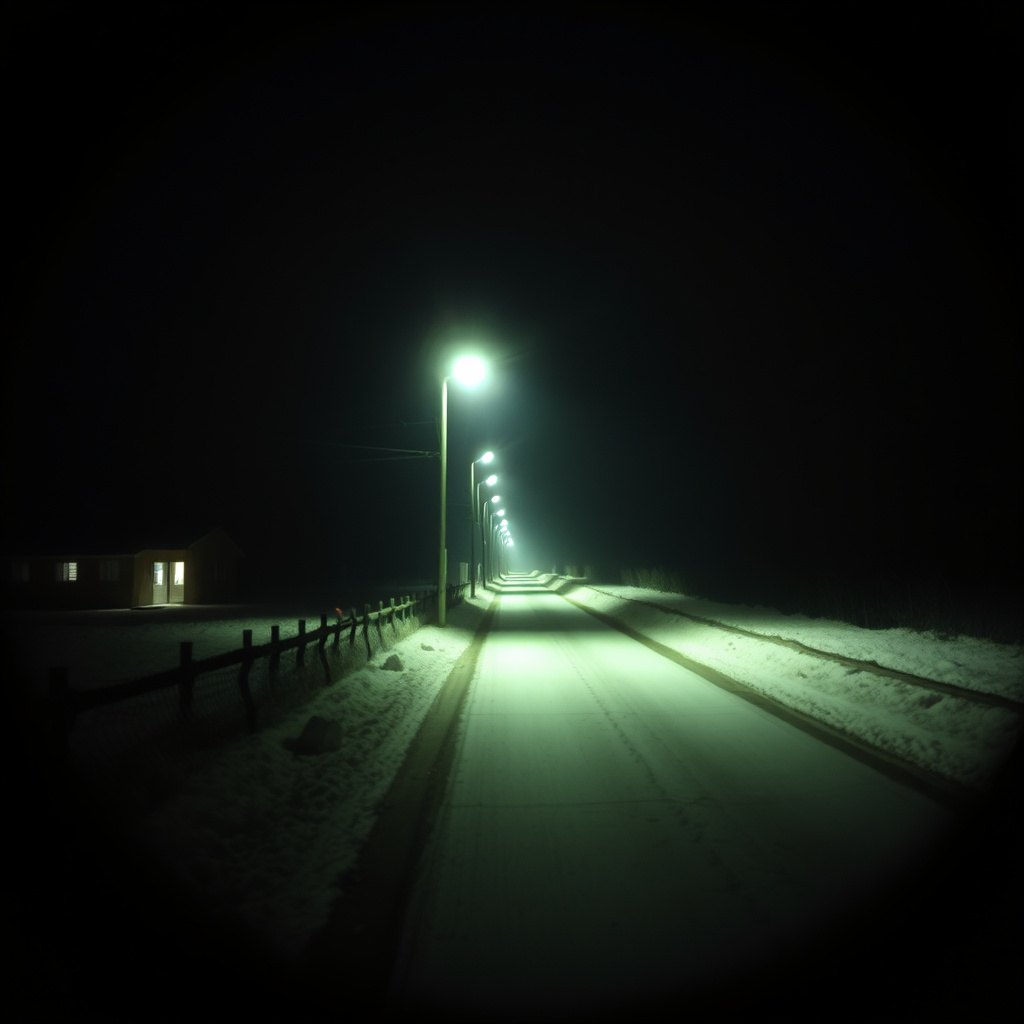
Despite progress, night vision devices can suffer from limited range, image noise, and sensitivity to bright light which can temporarily blind the sensor.
Battery life and weight remain considerations, especially for prolonged use in field operations.
- Limited effective range
- Susceptible to light blooming
- Power consumption concerns
For more on this, see our related guide: When Were Night Vision Goggles Invented? A Deep Dive Into Their Origin and Evolution.
Cost and Accessibility Issues
High-end night vision technology can be prohibitively expensive, restricting access mostly to military or specialized users. Though prices have fallen, digital night vision devices still command premium pricing.
Availability varies by region and regulations, with some technologies restricted due to export controls.
Future Trends in Night Vision Technology
Integration with Augmented Reality
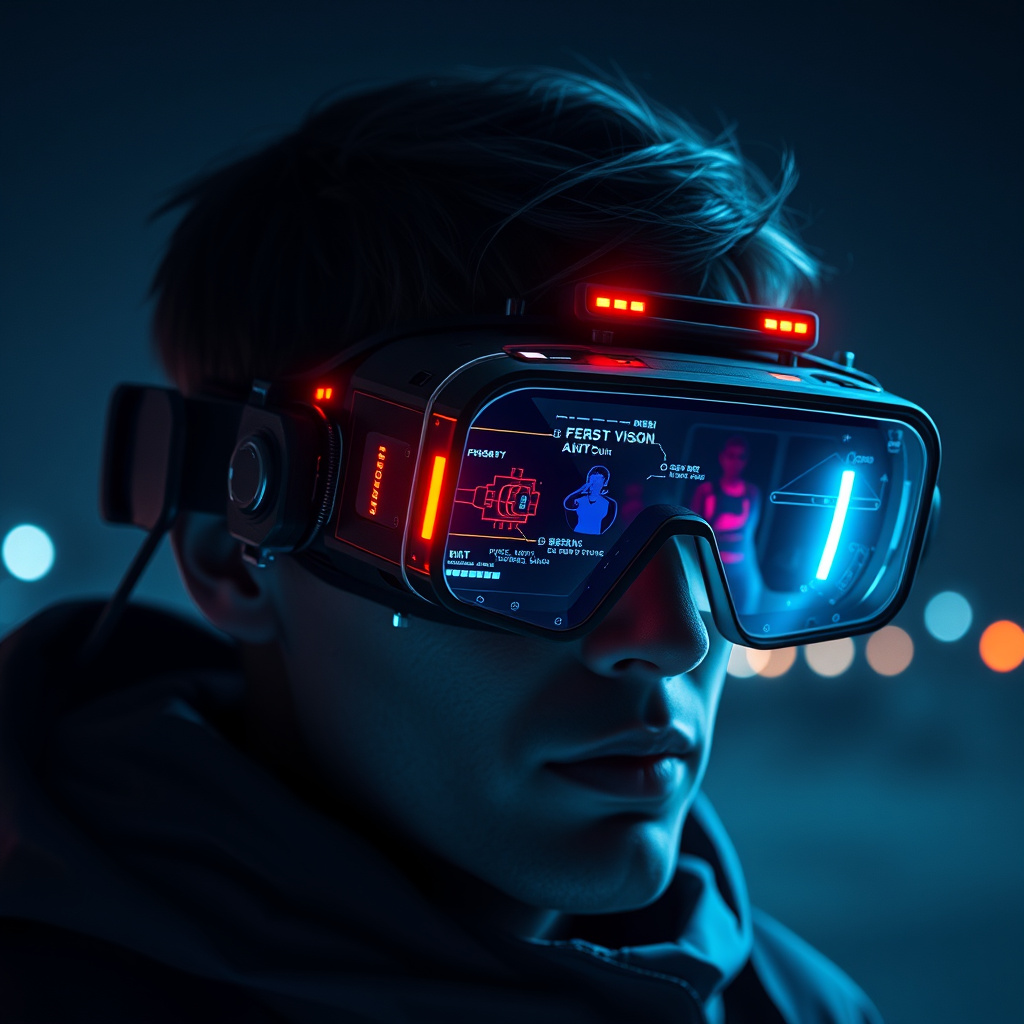
Next-generation night vision devices aim to incorporate augmented reality interfaces, overlaying tactical data, maps, and identification markers directly onto the user’s field of view.
This could revolutionize usage scenarios by providing enhanced situational awareness and real-time analytics.
For a detailed history and technical background, the Wikipedia page on the history of night vision is an excellent resource. history of night vision.
Advancements in Sensor Technology
Emerging sensor materials and technologies are expected to improve resolution, reduce power consumption, and extend functionality to combine night vision and thermal imaging in a single compact unit.
Ongoing research also focuses on lowering costs and improving robustness for wider civilian adoption.
Night Vision Device Types Comparison
This table compares key night vision device categories based on technology, effective range, pros, and typical applications.
| Device Type | Technology | Effective Range | Advantages | Typical Users |
|---|---|---|---|---|
| First Generation | Active Infrared | 50-100 meters | Simple, early tech; low cost | WWII military forces |
| Second Generation | Image Intensifier Tube | 150-200 meters | Better sensitivity and clarity | Military, law enforcement |
| Third Generation | Advanced Image Intensifier | 300-400 meters | High resolution, longer lifespan | Special forces, professional security |
| Digital Night Vision | CMOS Sensor | 150-300 meters | Video capture, color options | Civilians, hunters, security |
| Thermal Imaging | Infrared Heat Detection | Variable (up to 1000 meters+) | Works in total darkness, through obstructions | Search & rescue, surveillance |
Frequently Asked Questions
Who invented night vision technology?
Night vision technology was developed by multiple inventors and military researchers in the 1930s and 1940s, with significant contributions from German and American engineers focusing on active infrared systems.
How does night vision work?
Night vision amplifies available light using image intensifiers or captures infrared light reflected from objects, enabling visibility in low-light or dark environments.
What is the difference between night vision and thermal imaging?
Night vision relies on amplifying visible or infrared light, while thermal imaging detects heat signatures emitted by objects, allowing it to see in complete darkness or obscured conditions.
Are night vision devices legal for civilian use?
Legality varies by country and local laws; civilians can often own digital night vision devices, but some military-grade units may be restricted or require permits.
What are common uses of night vision today?
Night vision is used in military operations, law enforcement, wildlife observation, security surveillance, navigation, and recreational activities like hunting and hiking.
Key Takeaways
- Night vision was first invented in the 1930s with active infrared technology.
- Passive night vision based on image intensifiers revolutionized usability after the 1950s.
- Modern night vision includes digital sensors and thermal imaging for diverse applications.
- Technological advances continue to improve resolution, reduce weight, and expand AR integration.
Conclusion
Determining when night vision was invented requires understanding that it evolved across several decades starting in the 1930s. Initial active infrared devices laid the groundwork, but the real transformation happened with the introduction of passive night vision using image intensifiers in the 1950s. Each generation brought improvements in range, clarity, and usability, reflecting shifting demands from military to civilian applications.
Today, the history of night vision technology provides valuable insight into how scientific breakthroughs meet practical needs. For military use, third generation and thermal devices offer superior performance, while digital night vision is more accessible for hunters and outdoor enthusiasts. Recognizing this evolution can guide buyers depending on their requirements, whether it’s stealth, range, or cost-effectiveness.
For anyone interested in exploring night vision technology further, starting with digital devices offers flexibility and modern features. Considering your specific environment and intended use is essential before investing, especially as the market includes diverse products with varying capabilities and prices.


2 Comments