Why Are Night Vision Goggles Green? Exploring the Science Behind the Green Hue
Night vision goggles appear green because the phosphor screens inside them emit a green glow. This specific shade enhances the contrast and detail that users can see in the dark, making it easier to distinguish objects and movement at night. The green color is not arbitrary; it's selected to maximize human visual sensitivity in low-light situations.
Using a green phosphor display leverages the human eye's ability to perceive more shades of green than any other color, providing a clearer and more detailed image. Also, green light produces less eye fatigue during prolonged use, which is important for military personnel, hunters, or anyone relying on night vision for extended periods.
This article will explore the technical reasons behind the green color of night vision goggles, the way the technology works, the role of the phosphor screen, and how this choice improves user experience. We will also cover different types of night vision devices and compare their image displays.
How Night Vision Goggles Work
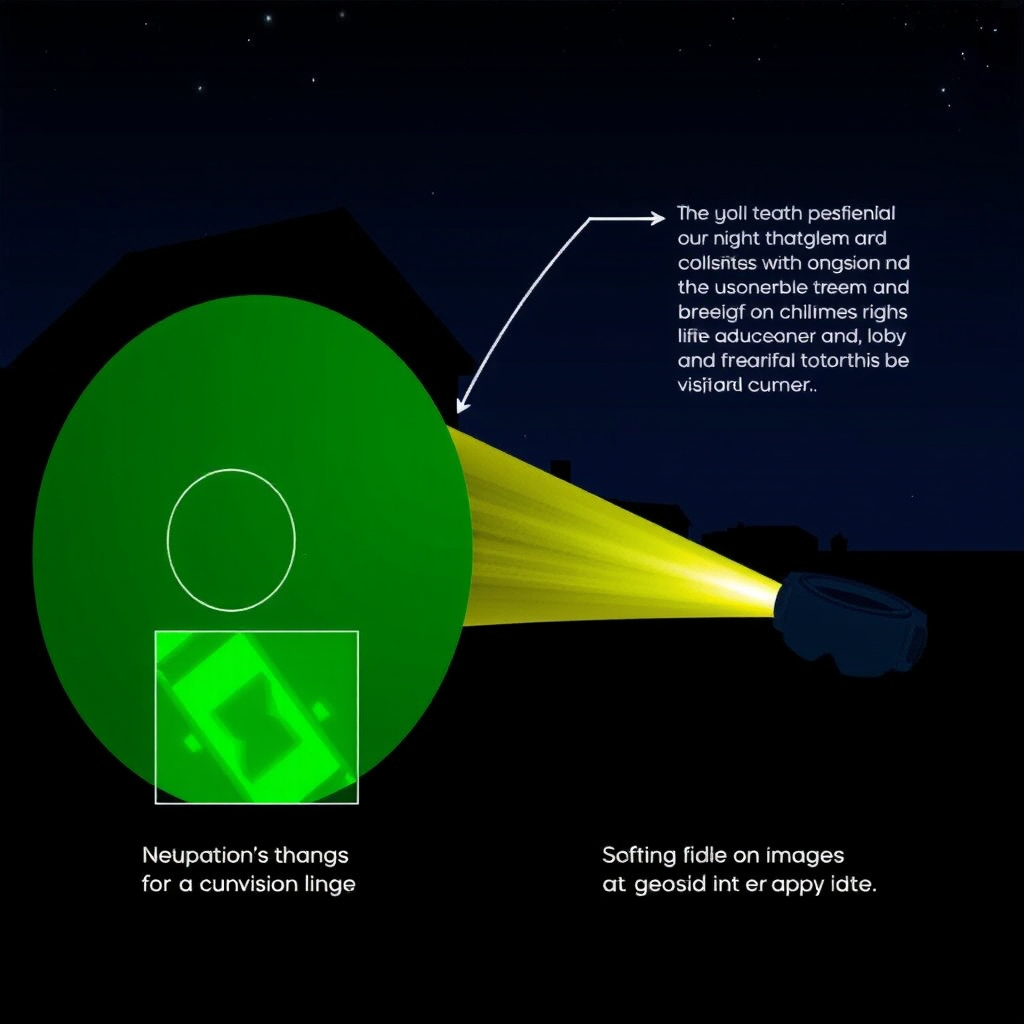
Image Intensification Process
Night vision goggles collect faint light, including near-infrared light, and amplify it using an image intensifier tube. Photons hit a photocathode that converts them into electrons, which are then multiplied through a microchannel plate before striking a phosphor screen to create a visible image.
This amplification allows users to see in near-total darkness by enhancing whatever minimal light is present. The image intensifier is the core component that makes night vision technology effective for various uses.
Why the Image Appears Green
The amplified electrons hit a phosphor screen that emits green light. The choice of green is because the human eye can distinguish more shades within the green spectrum than red, blue, or other colors, making images clearer and more detailed.
Green phosphor screens also produce less eye strain, helping users maintain focus during prolonged usage. This is a deliberate design choice supporting better visibility and user comfort in night vision technology.
Advantages of Green Displays in Night Vision Goggles
Enhanced Visual Acuity and Contrast
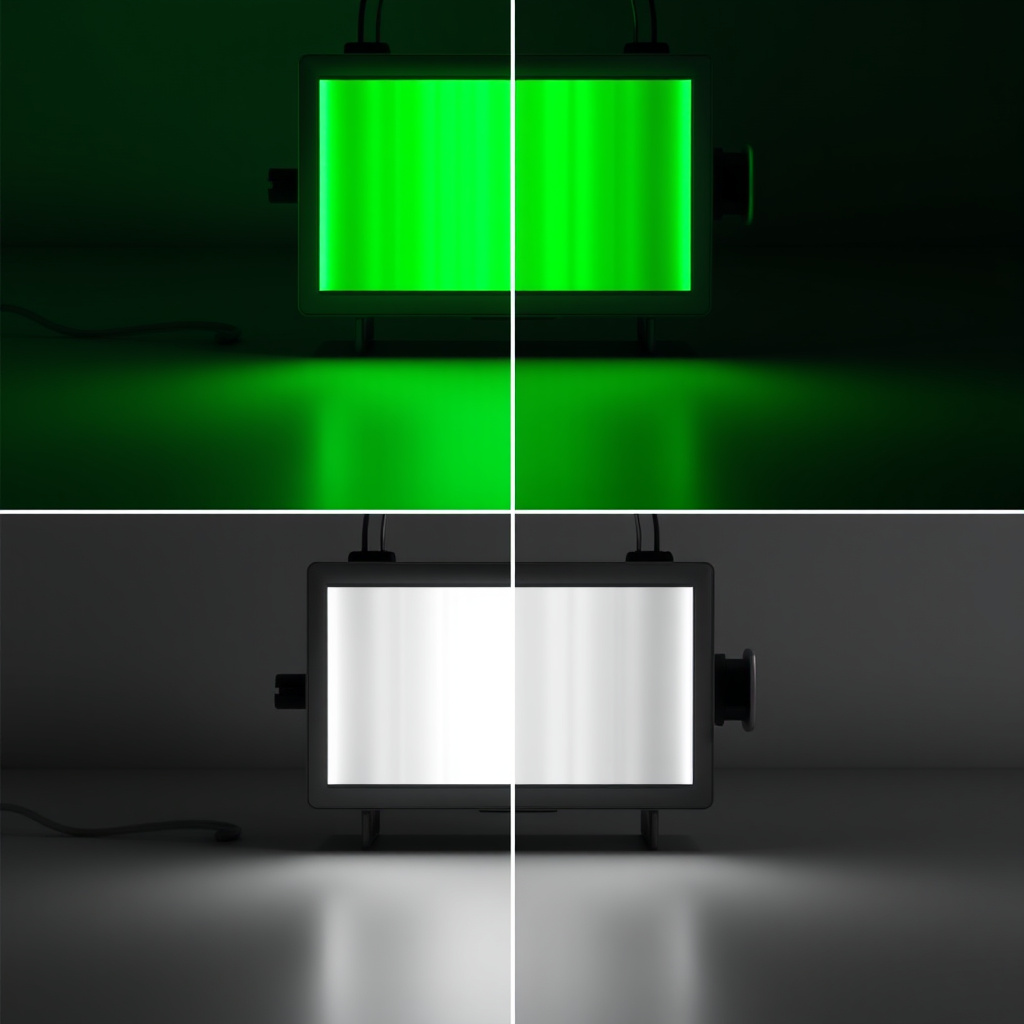
Green displays allow users to perceive subtle details and gradations in darkness that other colors or monochrome screens might not convey as effectively. This improved contrast helps with identifying targets and navigating complex environments.
This advantage directly impacts the effectiveness of night vision technology in fields requiring precision, such as military operations or wildlife observation.
Reduced Eye Fatigue During Long Use
Staring at green light is less tiring on the human eye compared to other colors, which reduces fatigue for users operating night vision equipment for extended periods.
This benefit supports safer and more efficient operations when users work in low-light conditions for hours.
Types of Night Vision Devices and Their Displays
Generation 1 and 2 Devices
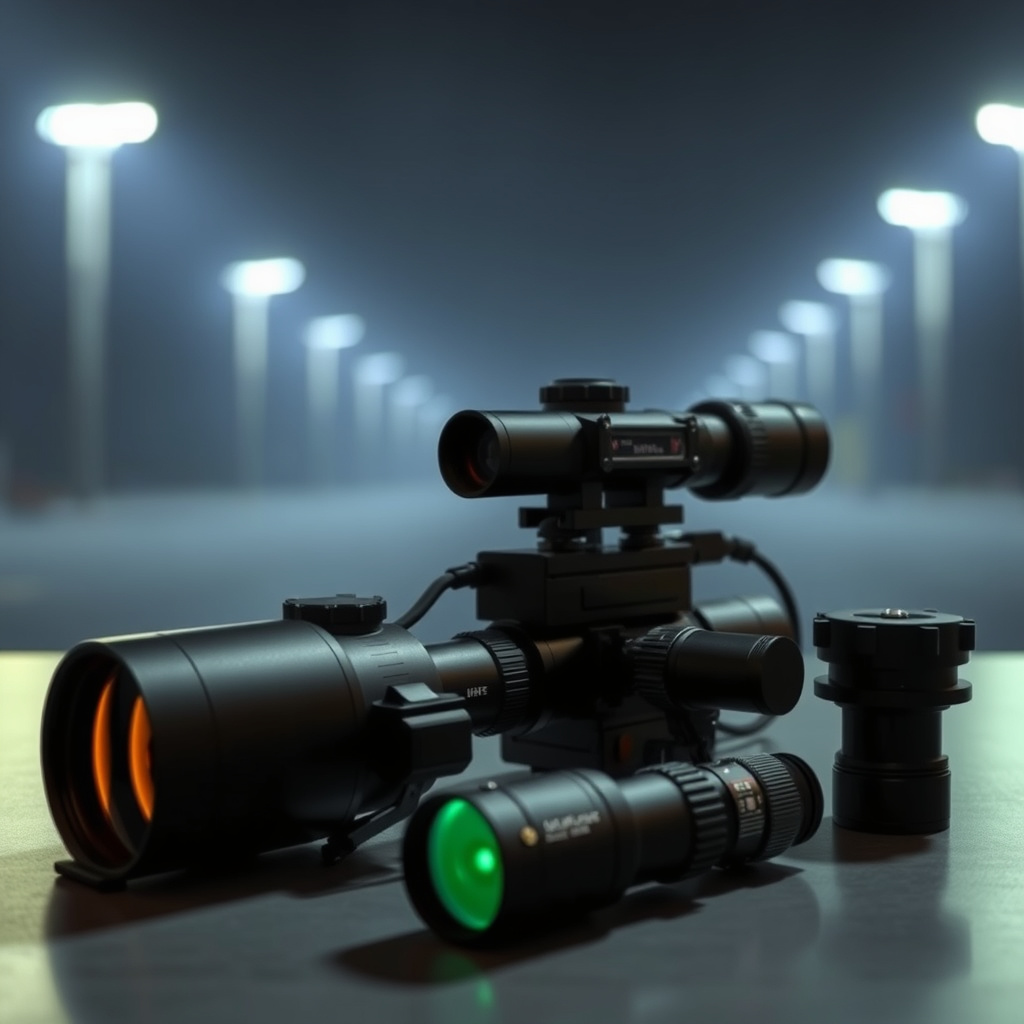
Early generation night vision devices typically use green phosphor screens due to cost efficiency and proven visual benefits. They rely on basic image intensification technology providing adequate image clarity for many practical uses.
These devices are widely used by civilians and some military users where high-resolution imagery is less critical.
For more on this, see our related guide: Do Humans Have Night Vision? Understanding Our Low-Light Sight Capabilities.
Generation 3 and Beyond
Advanced generation night vision devices may use different phosphor screens or digital imaging technologies, including color displays, but many still favor green due to its established advantages.
Higher-end devices often add infrared illumination or digital enhancements but maintain green phosphor for traditional optical systems.
Alternative Display Colors and Technologies
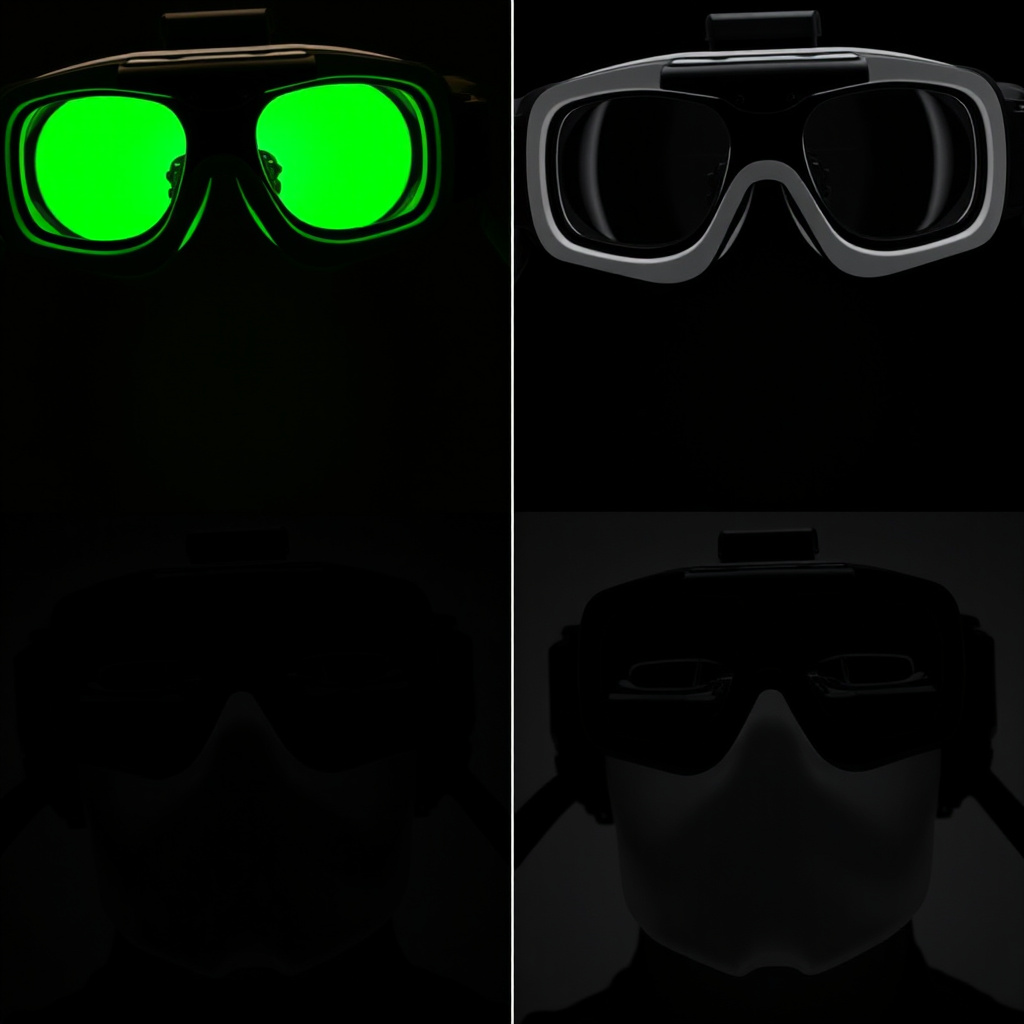
White Phosphor Displays
Some modern night vision goggles utilize white phosphor screens instead of green. These provide a more natural grayscale image that some users prefer for greater detail and edge definition.
Despite these benefits, white phosphor technology is newer and less common, with green remaining the more traditional and widespread choice.
Digital Night Vision and Color Displays
Digital night vision devices convert infrared light into a digital video feed that can display in color or monochrome. These technologies provide versatility but often sacrifice some of the clarity and low-light sensitivity of analog green phosphor systems.
Digital displays enable video recording and integration with other electronics but currently have limited use in tactical night vision goggles.
Ergonomics and Human Factors Influencing Green Color Choice
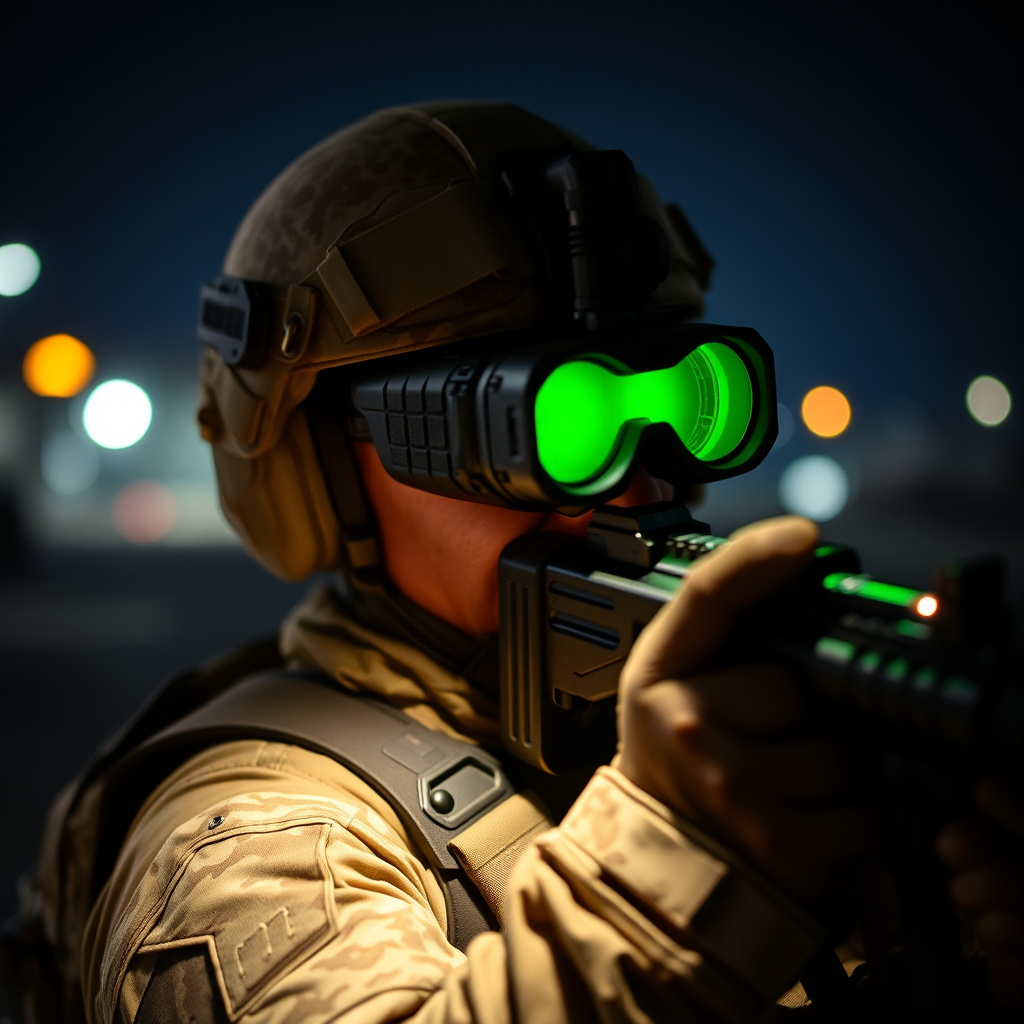
Human Eye Sensitivity to Green Light
The retina contains cone cells most sensitive to green wavelengths, which means green images appear brighter and clearer under low light. This sensitivity enhances the user's perception and reduces eye strain.
This biological factor drives the preference for green in analog night vision technologies, optimizing visual performance.
For more on this, see our related guide: Do Humans Have Night Vision? Understanding Our Low-Light Sight.
Impact on Operational Performance
Using green displays helps users maintain alertness and visual accuracy during night missions or outdoor activities. Reduced fatigue and enhanced detail recognition translate into better decision-making and safer outcomes.
Such ergonomic benefits are a major reason why green phosphor screens remain standard in night vision goggles despite emerging alternatives.
Maintaining and Caring for Night Vision Goggles

Proper Cleaning Techniques
Night vision goggles should be cleaned with a soft, lint-free cloth and appropriate lens cleaner to avoid damaging the delicate phosphor screen and optics. Avoid wiping with abrasive materials.
Regular cleaning maintains image clarity and prolongs the life of the green phosphor display critical to effective night vision technology.
- Use microfiber cloths
- Avoid harsh chemicals
- Store in protective cases
For more detailed historical and technical information, you can consult the Night Vision Device Wikipedia article. Night Vision Device Wikipedia article.
Storage and Handling Tips
Night vision devices are sensitive to bright light exposure, which can damage the phosphor screens. Store them in a dark, dry place and use lens caps when not in use to protect the green display technology.
Proper handling prevents moisture buildup and physical impact, ensuring consistent performance in the field.
- Keep away from direct sunlight
- Use silica packs to avoid moisture
- Handle with care to prevent shocks
Night Vision Goggles Display Type Comparison
This table compares common night vision display types, highlighting differences in color, user experience, and application.
| Display Type | Image Color | Visual Detail | Eye Fatigue | Typical Use |
|---|---|---|---|---|
| Green Phosphor | Green | High | Low | Military, Hunting |
| White Phosphor | White/Grayscale | Very High | Moderate | Surveillance, Tactical |
| Digital Color | Color | Variable | Moderate | Recording, Research |
| Black and White | Monochrome | Moderate | Higher | Basic Surveillance |
Frequently Asked Questions
Why do night vision goggles use green phosphor screens instead of red or blue?
Green phosphor screens are used because the human eye is most sensitive to green wavelengths, allowing users to see more detail and experience less eye fatigue than with red or blue displays.
Can night vision goggles with white phosphor displays replace green ones?
White phosphor displays offer higher contrast and a more natural image but are less common. They may complement green displays but have not completely replaced them due to differing user preferences.
Do all night vision devices produce green images?
Most analog night vision goggles use green phosphor screens, but some newer models use white phosphor or digital color displays depending on the technology and intended application.
Does the green image affect the accuracy of night vision devices?
The green image enhances clarity and contrast, improving the accuracy of identification and navigation in low light. It helps users distinguish shapes and movement more effectively.
How can I protect the green phosphor screen in my night vision goggles?
Avoid exposing the goggles to bright light, clean lenses gently with suitable cloths, and store them in protective cases to prevent damage to the delicate green phosphor screens.
Key Takeaways
- Green phosphor screens optimize contrast and detail in night vision goggles.
- Human eye sensitivity to green light reduces eye fatigue during prolonged use.
- Advanced devices may use alternative displays, but green remains standard.
- Proper care preserves phosphor screen performance and device longevity.
Conclusion
Selecting night vision goggles often involves understanding the role of their green displays. The green phosphor screen is not just tradition but a carefully chosen component that matches the human eye’s strengths. Its ability to deliver clear, detailed images while minimizing eye strain is central to effective night vision technology, making it a lynchpin in both military and civilian applications.
For users prioritizing clarity and comfort in darkness, goggles with green phosphor displays, typically found in generation 1 and 2 night vision technology, remain a solid choice. Those who want more natural imagery might consider newer white phosphor or digital options, but many still prefer the familiar advantages of the green screen. Knowing your specific needs—whether for extended missions, casual observation, or recording—guides the best selection among these categories.
If you are exploring night vision goggles, start by assessing your intended use and comfort needs. Testing devices with green phosphor displays alongside newer alternatives can give firsthand insight into their advantages. Regardless of choice, ensuring proper maintenance and handling will protect the green screen that so effectively transforms darkness into clear vision.