Why Do We Need Two Eyes? Exploring the Benefits of Binocular Vision
Humans need two eyes primarily to gain depth perception and a wider field of view. Having two eyes positioned side by side allows our brains to merge slightly different images from each eye into one, providing the ability to perceive distance and three-dimensional shapes accurately. This capability is essential for daily tasks such as walking, driving, and hand-eye coordination.
The presence of two eyes also enhances our visual reliability, as each eye covers slightly different angles and can compensate if the other is momentarily obstructed or impaired. This redundancy improves safety and enables us to detect motion more effectively. Beyond simple sight, binocular vision plays a critical role in how we interact with our surroundings, from judging spatial relationships to enhancing balance.
This article will cover the physiological reasons behind having two eyes, the advantages offered by binocular vision, and how this influences human activities and evolutionary development. We'll also explore comparisons with animals possessing different numbers of eyes and address common questions about vision.
The Anatomy Behind Two Eyes

Eye Placement and How It Affects Vision
The outward placement of our two eyes on the front of the face creates a binocular overlap zone where the visual fields intersect. This overlap is crucial for depth perception because each eye views objects from slightly different angles. The brain processes these disparities to calculate distance and spatial layout.
In humans, the frontal placement prioritizes binocular vision at the expense of side vision compared to animals with eyes on the sides of their heads. This arrangement suits tasks that require precise depth judgment, such as catching or manipulating objects.
Visual Processing and Integration
Each eye sends visual information through the optic nerves to the visual cortex in the brain. Here, the brain integrates images received from both eyes into a single coherent picture, allowing for depth cues such as stereopsis, which is the perception of three-dimensionality.
This integration also helps in filtering out noise and enhancing contrast, refining visual details that aid in recognizing shapes and movements.
Binocular Vision Benefits: Why Two Eyes Matter
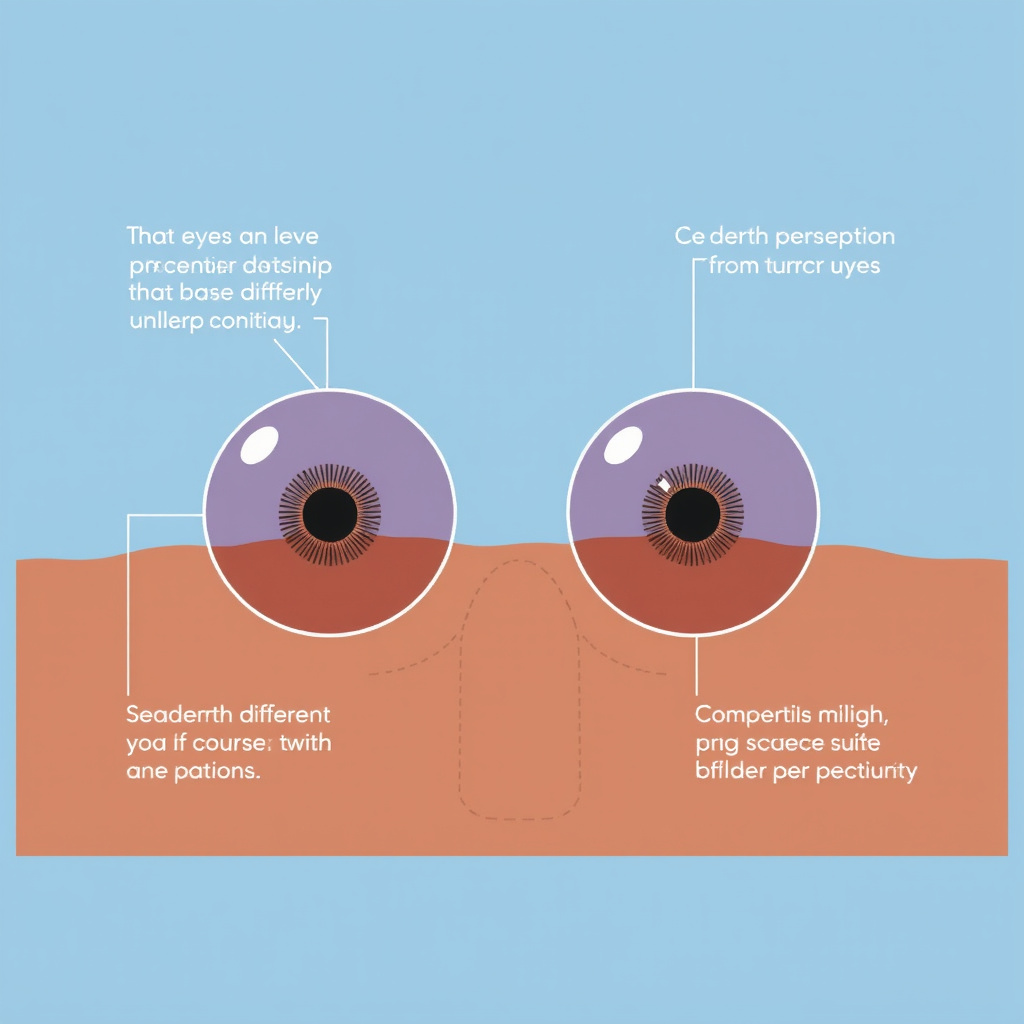
Enhanced Depth Perception
Binocular vision allows humans to judge distances accurately, which is vital for spatial navigation and interacting with objects in three-dimensional space. Tasks like driving, sports, or even pouring a drink depend on subtle depth cues created by the brain comparing images from both eyes.
Without two eyes, depth perception relies more on monocular cues, which are less precise. The combined visual data from two eyes provides a richer and more reliable understanding of the environment.
- Judging distances and spatial relationships
- Improved hand-eye coordination
- Safer navigation of complex environments
Wider Field of View and Redundancy
Having two eyes expands our total field of vision compared to just one. Each eye captures slightly different angles, which overlap to cover more area and detect movement in peripheral zones.
Additionally, if one eye is obscured or injured, the other eye can maintain vision, offering redundancy that increases survival chances.
- Increased peripheral awareness
- Better motion detection
- Backup visual input in case of injury
Comparing Monocular and Binocular Vision
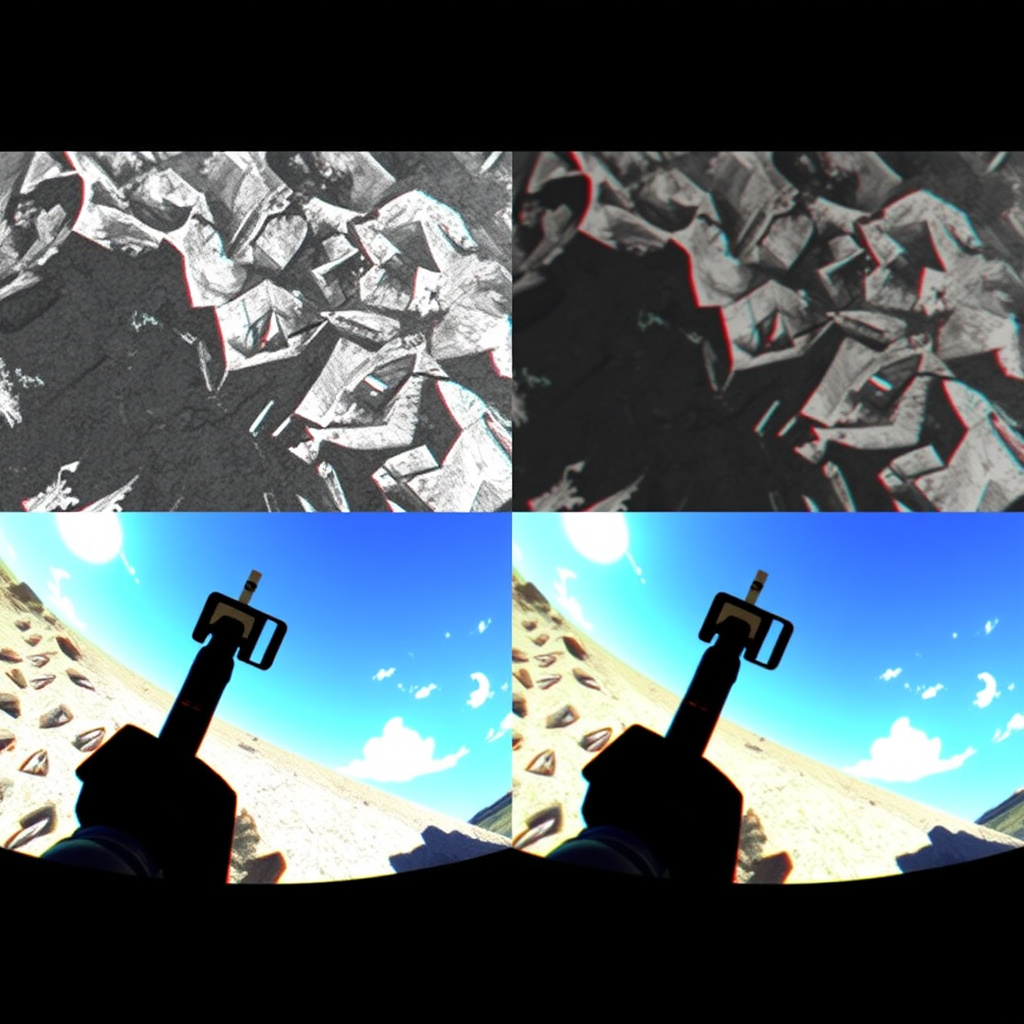
Limitations of Monocular Vision
Monocular vision, used when only one eye is functional or in animals with lateral eye placement, provides a narrower depth perception capability. Distance judgment relies primarily on perspective, object size, and motion parallax, which are less accurate than stereopsis.
This causes difficulties with tasks dependent on precise depth cues and can reduce the ability to detect subtle spatial details.
- Less precise depth estimation
- Reduced accuracy in hand-eye coordination
- Limited three-dimensional perception
For more on this, see our related guide: Why Do We Have Two Eyes? Exploring the Purpose of Human Binocular Vision.
Advantages of Binocular Vision Over Monocular
Binocular vision not only improves depth perception but also enriches the visual content by combining slight differences between each eye's input. This leads to better texture recognition and enhances contrast, allowing for more detailed scene interpretation.
The added field of view and redundancy contribute to safety, especially in dynamic environments.
- Improved three-dimensional understanding
- Greater detail and contrast sensitivity
- Enhanced environmental awareness
Evolutionary Perspective on Two Eyes
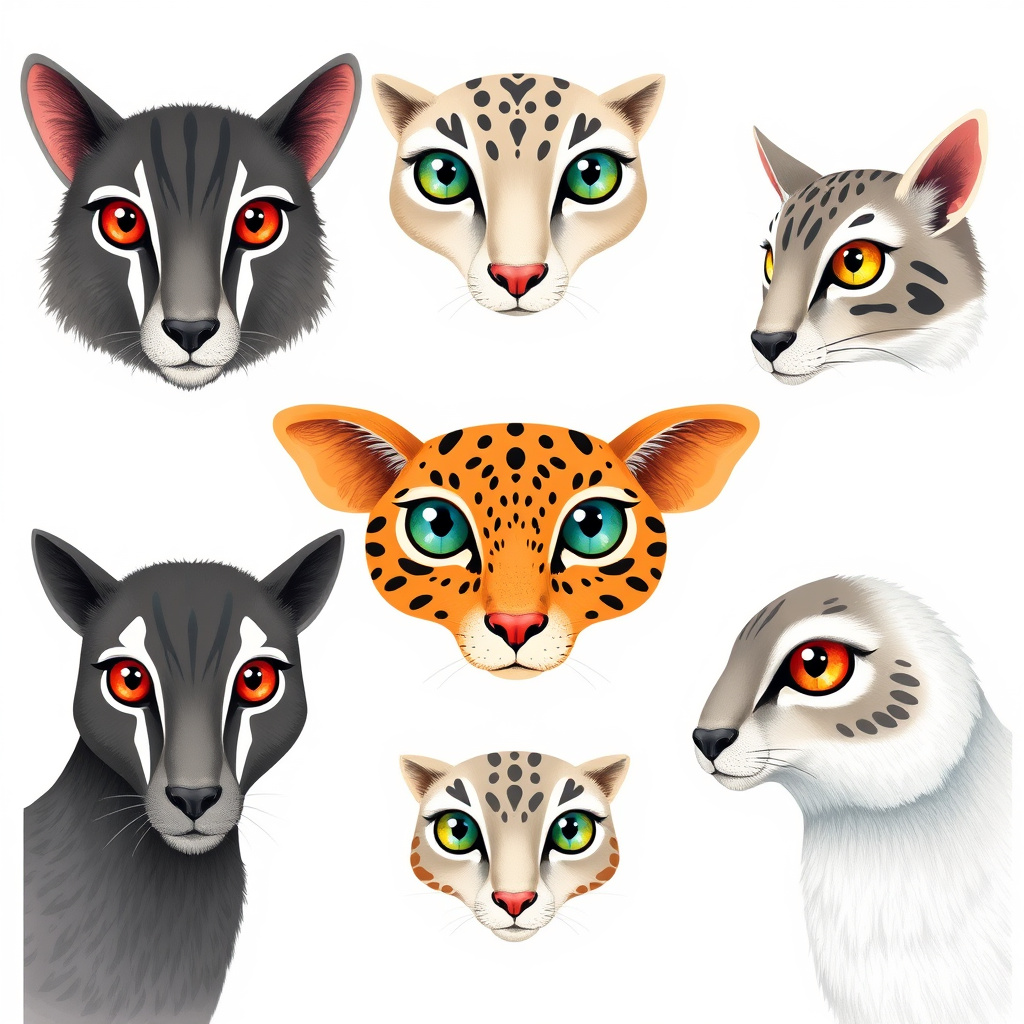
How Binocular Vision Evolved
Binocular vision evolved in many predators and primates to support hunting and precise manipulation. Frontally positioned eyes help estimate distance accurately, increasing success during stalking or grabbing prey.
This evolutionary trait highlights the survival advantage gained from two eyes providing stereoscopic depth cues.
Eye Numbers and Placement in Other Species
Animals exhibit a wide range in eye number and positions: prey species often have eyes on the sides of their heads for a broad field of view to watch for predators, while some insects have compound eyes with multiple lenses offering different visual benefits.
The positioning adapts to the ecological needs of the species, balancing between comprehensive field coverage and depth perception.
Vision Challenges Related to Two Eyes
Common Binocular Vision Disorders
Conditions like strabismus (eye misalignment) and amblyopia (lazy eye) disrupt the normal coordination between two eyes, impairing depth perception and causing visual discomfort or double vision.
Early diagnosis and therapies such as vision training or corrective lenses can often improve binocular function.
- Strabismus causes misaligned vision
- Amblyopia reduces visual acuity in one eye
- Diplopia leads to double vision
For more on this, see our related guide: Do Humans Have Binocular Vision? Understanding How Our Eyes Work Together.
Adapting to Vision Loss in One Eye
Loss of vision in one eye affects depth perception and peripheral field but people can adapt by relying on monocular cues and head movement to compensate.
Rehabilitation focuses on enhancing other visual and sensory inputs to maintain spatial awareness and safety.
Practical Implications of Having Two Eyes

Everyday Activities Enhanced by Two-Eye Vision
Simple tasks like pouring liquids, threading a needle, or parking a vehicle depend heavily on binocular vision for accurate distance and spatial judgment.
Sports and hobbies involving catching, throwing, or aiming require precise hand-eye coordination made possible by input from both eyes.
- Driving safely and judging distances
- Playing ball games effectively
- Performing detailed manual tasks
For a more detailed explanation of how two eyes work together, see binocular vision on Wikipedia. binocular vision on Wikipedia.
Technologies Inspired by Binocular Vision
Virtual reality (VR) and 3D imaging technologies replicate binocular vision by delivering slightly different images to each eye to create realistic depth effects, enhancing immersion and spatial understanding.
Robotics and autonomous vehicles also use stereo cameras mimicking two-eye vision to judge distances and navigate environments.
Comparison of Vision Types and Their Characteristics
Here’s a comparison of monocular vision and binocular vision across key features affecting daily life and biological function.
| Vision Type | Depth Perception Accuracy | Field of View | Typical Species | Common Limitations |
|---|---|---|---|---|
| Monocular Vision | Low | Wide per eye but limited overlap | Some birds, mammals with side eyes | Poor depth cues, limited 3D perception |
| Binocular Vision | High | Overlap provides focused field | Humans, primates, predators | Reduced peripheral coverage compared to side-eyed animals |
| Compound Eyes (Multiple Lenses) | Varies | Very wide field | Insects, crustaceans | Lower resolution, no stereopsis |
| Single Eye Systems | N/A | Very limited | Some simple organisms | No depth perception, very narrow vision |
Frequently Asked Questions
Can we see depth with only one eye?
Yes, but depth perception is less precise with one eye. Monocular cues like size, shading, and motion help estimate depth, but stereoscopic depth from two eyes is more accurate.
Why are our eyes positioned on the front of our face?
Front-facing eyes create overlapping visual fields essential for binocular vision and better depth perception, which is useful for tasks requiring precise spatial judgment.
What happens if one eye is injured or lost?
Vision adjusts to monocular cues, but depth perception and peripheral vision are reduced. Most people adapt over time to maintain spatial awareness safely.
Do all animals have two eyes?
No, animals vary widely: some have multiple eyes like spiders, some have side-placed eyes for wider views, and some have a single eye or none depending on their ecological roles.
How does binocular vision improve safety?
It enhances depth perception, wider field of view, and redundancy, helping detect hazards earlier and judge distances accurately to avoid accidents.
Key Takeaways
- Two eyes allow accurate depth perception through stereoscopic vision.
- Binocular vision expands field of view and improves motion detection.
- Front-facing eyes provide advantages for tasks needing precise spatial judgments.
- Vision disorders affecting eye coordination can impair depth perception but often can be managed.
Conclusion
Deciding the value of having two eyes involves understanding how binocular vision supports human interaction with the world. Two eyes positioned frontally provide overlapping visual fields, enabling precise depth perception that underpins most daily tasks requiring spatial judgment. This setup also enhances peripheral awareness and acts as a backup if one eye is impaired, strengthening visual reliability.
People involved in activities such as driving, sports, and intricate manual work benefit the most from binocular vision. Comparisons with monocular vision highlight how these tasks become more challenging without stereoscopic depth. Evolution clearly favored two forward-facing eyes in many predators and primates because it optimizes key survival functions. Meanwhile, any disruption in coordinating the two eyes can reduce visual clarity, though various treatments exist to address such challenges.
For readers curious about how their eyes collaborate to create a vivid view of the world, recognizing the importance of two eyes encourages protective habits, like using safety eyewear and attending to early signs of eye issues. Understanding binocular vision also enriches appreciation of technologies mimicking this natural system, such as VR and robotics. Ultimately, embracing the science behind two eyes informs smarter care and usage of our remarkable visual system.



One Comment