Do Humans Have Binocular Vision? Understanding How Our Eyes Work Together
Yes, humans do have binocular vision. This means that both eyes work together to create a single, three-dimensional view of the world. Binocular vision allows humans to judge distances and perceive depth accurately, which is essential for everyday tasks such as walking, driving, and catching objects.
Having binocular vision enables humans to combine the slightly different images seen by each eye into one cohesive image. This combination is processed by the brain to give us an enhanced field of view and a better understanding of spatial relationships between objects around us.
This article will explore how human binocular vision works, the advantages it provides, how it differs from other types of vision, and factors that can affect it. We'll also cover practical implications for health and activities that rely on this type of vision.
How Human Binocular Vision Works
The Role of Eye Alignment and Convergence
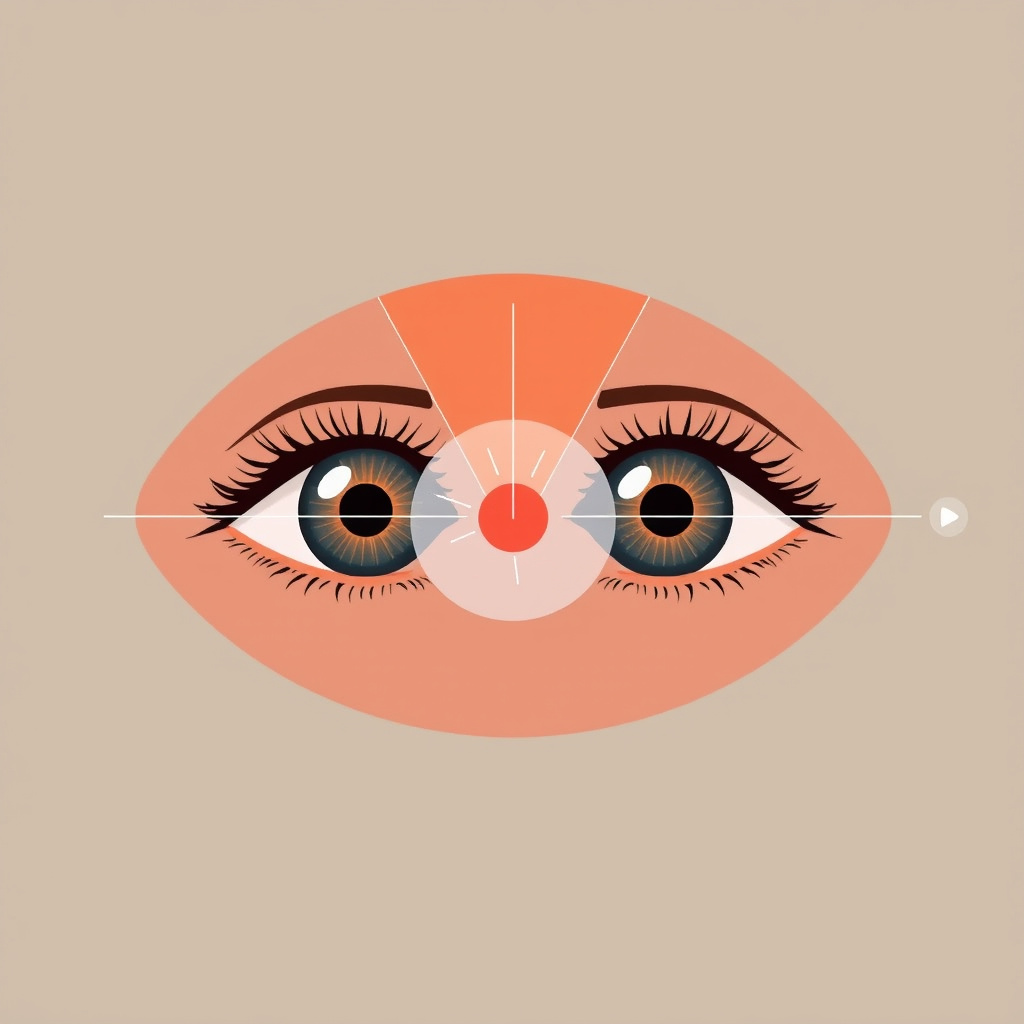
The human eyes are positioned on the front of the face, facing forward, providing overlapping visual fields. This frontal placement is key to binocular vision because it allows both eyes to focus on the same object while slightly differing in perspective.
Convergence occurs when the eyes rotate inward to bring a close object into focus. This coordinated movement ensures the image from each eye aligns properly in the brain, supporting depth perception and single vision instead of seeing double.
Fusion of Images in the Brain
After the eyes capture two slightly different images, the brain processes and fuses them into one perception. This fusion creates a sense of depth because the brain uses the disparity between the two images to calculate distances, known as stereopsis.
This binocular fusion not only assists with depth but also enhances visual acuity and helps to detect subtle features in the environment, sharpening our ability to navigate and interact with space.
Benefits of Binocular Vision for Humans
Enhanced Depth Perception and Spatial Awareness
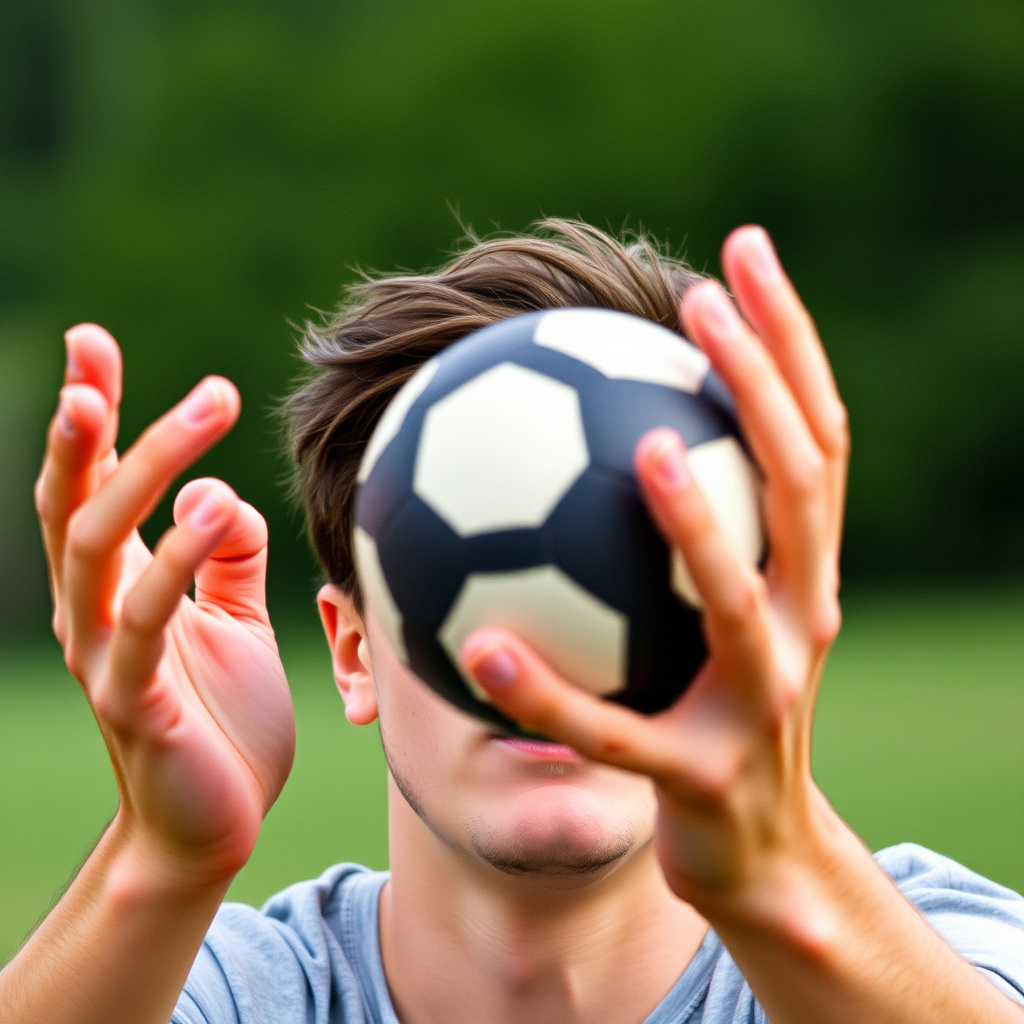
Binocular vision provides humans with superior depth perception compared to many animals with lateral eye placement. This ability enables precise judgement of distances, improving tasks such as driving, sports, and safely moving through one’s environment.
Spatial awareness gained from binocular vision helps humans estimate how objects relate in three-dimensional space, making movements more coordinated and accurate.
- Better hand-eye coordination
- Accurate distance estimation
- Improved navigation in complex environments
Broader Field of View and Visual Acuity
Though binocular vision slightly narrows the total field of view compared to animals with side-facing eyes, it enhances central vision quality. This increase in visual acuity is vital for identifying details and faces, reading, and performing tasks needing precise focus.
It also allows for depth detection in central vision while peripheral vision supports awareness of surroundings, combining both into a functional system for daily life.
Common Problems Affecting Binocular Vision
Strabismus and Its Impact on Vision
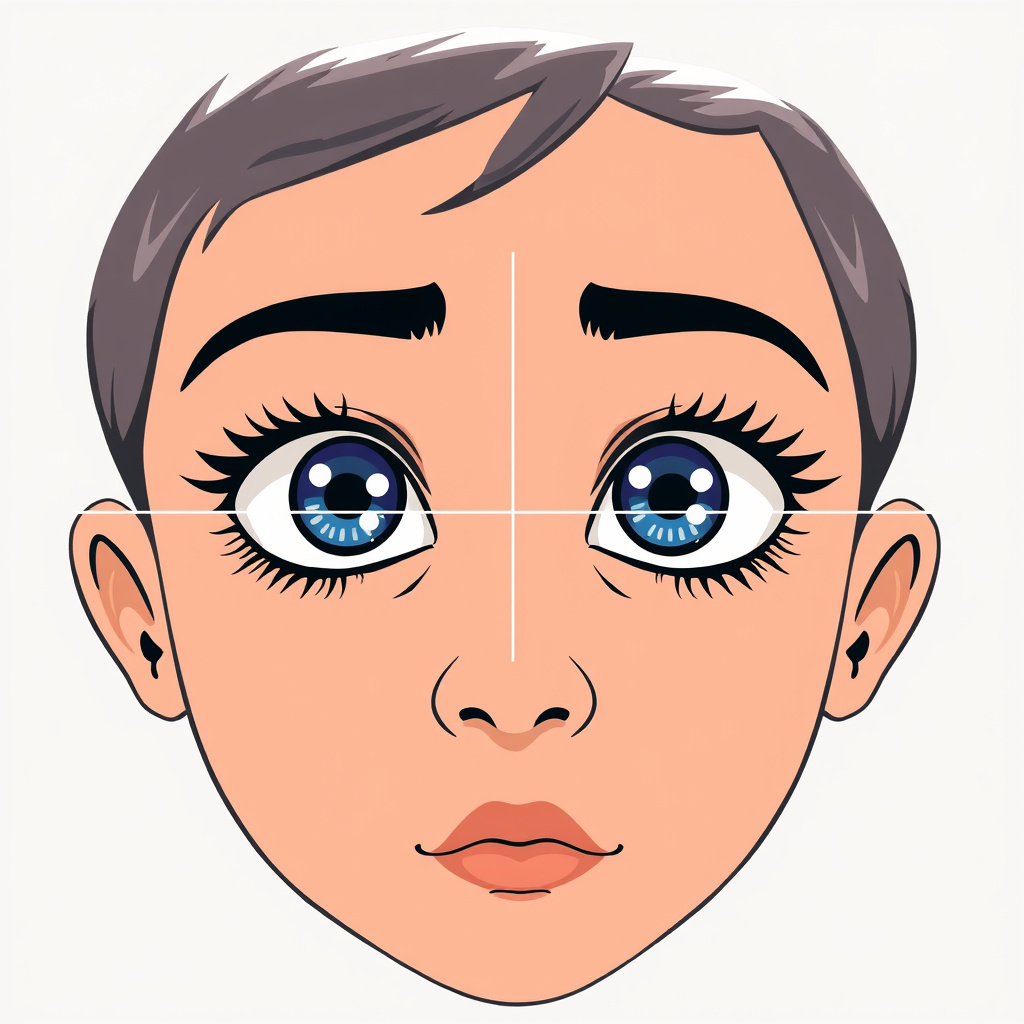
Strabismus, or misalignment of the eyes, disrupts binocular vision by preventing the eyes from focusing on the same point. This can cause double vision or lead the brain to ignore the input from one eye, reducing depth perception.
Early diagnosis and treatment, such as patching or surgery, can often restore more balanced eye coordination and improve binocular vision.
For more on this, see our related guide: Do Dogs Have Depth Perception? Understanding Canine Vision.
Amblyopia and Visual Suppression
Amblyopia, sometimes called lazy eye, occurs when one eye does not develop proper vision during childhood, frequently due to binocular vision issues. The brain favors one eye, suppressing the other, which affects stereo vision and depth perception.
Therapies focus on stimulating the weaker eye to promote binocular function and improve overall visual balance.
Comparing Binocular Vision with Other Visual Systems
Monocular Vision in Humans and Animals
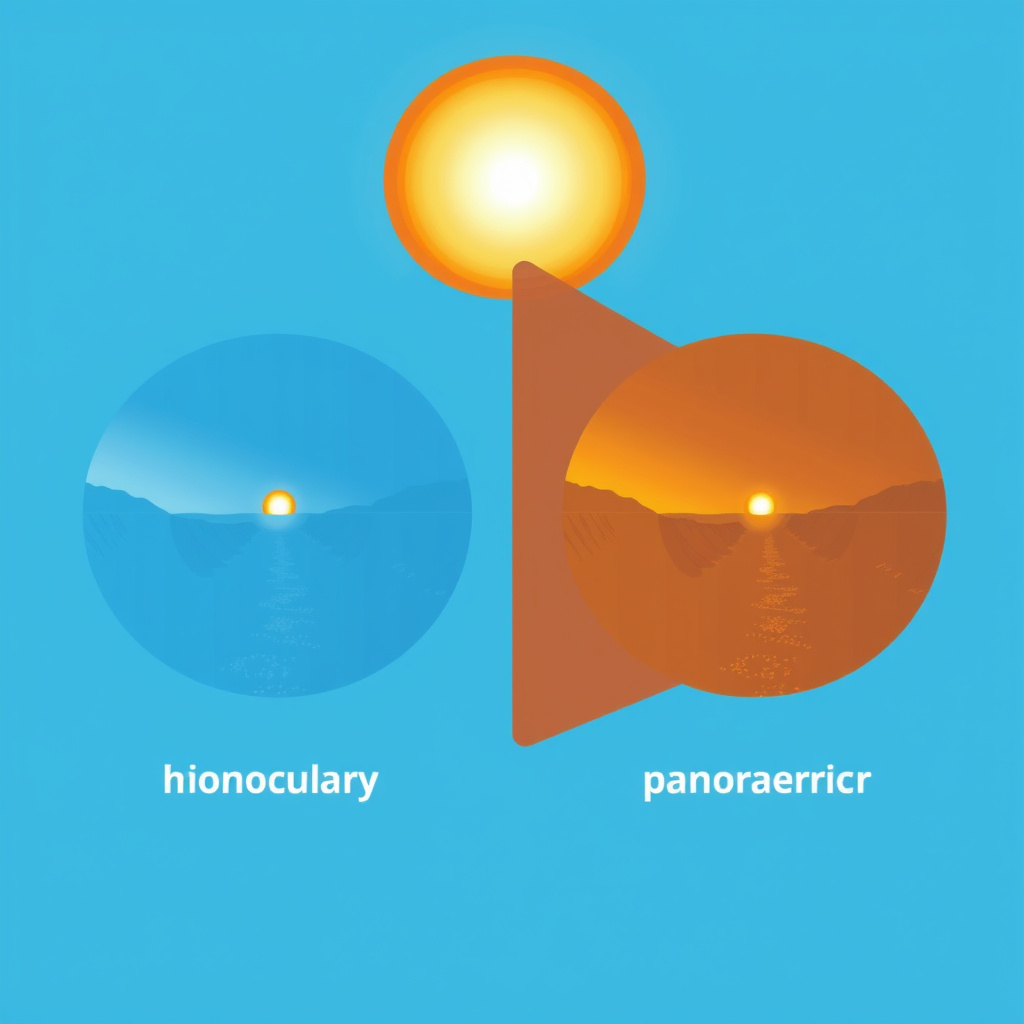
Monocular vision entails using one eye independently, often seen in animals with eyes on the sides of their heads. Humans occasionally use monocular cues for depth perception but rely chiefly on binocular vision.
Monocular vision provides a wider field of view but lacks the precise depth cues binocular vision offers, which is critical for activities requiring distance estimation.
Panoramic and Stereoscopic Vision Differences
Panoramic vision, such as in prey animals, allows broad environmental awareness at the expense of depth perception. Stereoscopic or binocular vision focuses on overlapping fields of view to detect depth more accurately.
Humans benefit from stereoscopic vision for detailed tasks but sacrifice some peripheral vision, highlighting an evolutionary trade-off between awareness and depth accuracy.
The Role of Binocular Vision in Activities

Sports and Physical Coordination
Many sports rely heavily on binocular vision for tracking moving objects and spatial positioning. Depth perception helps athletes make split-second decisions and coordinate complex movements efficiently.
Without strong binocular vision, performance in activities such as ball games, swimming, and driving can be significantly impaired.
- Catching and throwing accuracy
- Judging distances and speeds
- Balance and spatial coordination
For more on this, see our related guide: What Is Night Vision? Understanding How Night Vision Works.
Technological Applications and Visual Training
Technologies like virtual reality depend on simulating binocular vision by presenting separate images to each eye to create immersive depth effects. Visual training programs often aim to enhance binocular vision for improved focus and reduced eye strain.
Understanding how binocular vision functions helps optimize these applications and supports rehabilitative therapies.
Improving and Testing Binocular Vision
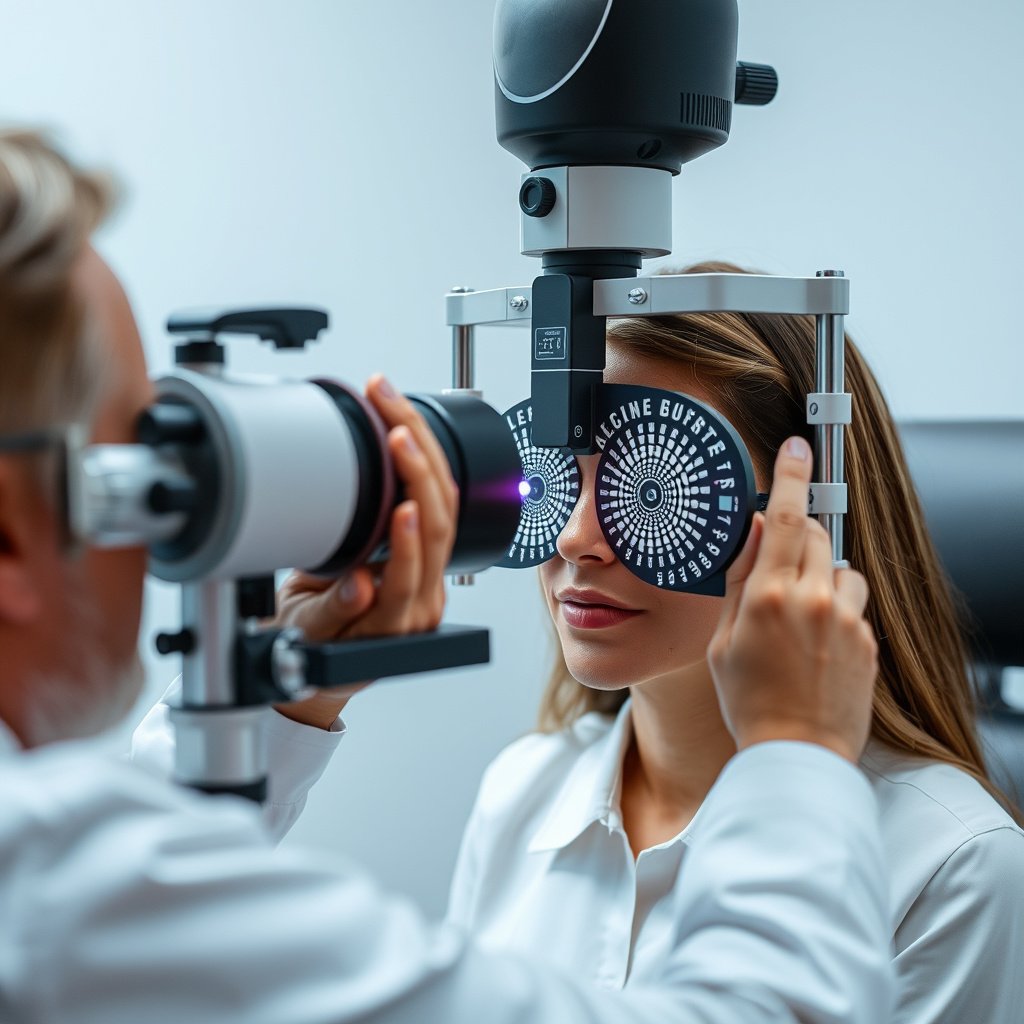
Common Tests for Assessing Binocular Vision
Oakley and Maddox tests evaluate eye alignment and coordinated focusing. Stereopsis tests measure the ability to perceive depth through binocular cues, often using specialized charts or devices.
Regular eye exams can detect issues early to preserve or restore binocular function and prevent problems like amblyopia.
- Cover test for alignment
- Randot stereotest for depth perception
For further details on the biological and neurological aspects of binocular vision, you can visit the dedicated article on Binocular vision on Wikipedia. Binocular vision on Wikipedia.
Exercises and Treatments to Enhance Vision
Eye exercises such as pencil push-ups or computer-based training encourage eye coordination and strengthen convergence. Treatments for binocular vision disorders vary depending on cause but may include glasses, prism lenses, or surgery.
Consistent practice and professional guidance help maximize binocular vision's benefits and maintain comfortable, clear sight.
Types of Human Vision Compared
This table compares key characteristics of binocular vision versus monocular and panoramic vision to highlight their strengths and limitations.
| Vision Type | Field of View | Depth Perception | Visual Acuity | Typical Use Case |
|---|---|---|---|---|
| Binocular Vision | Narrower (~120° overlap) | High due to image fusion | High in central vision | Humans, predators needing depth |
| Monocular Vision | Wider (~180°+ per eye) | Lower reliance on stereopsis | Lower central acuity | Prey animals, some birds |
| Panoramic Vision | Very wide (~270°+) | Minimal depth cues | Variable | Certain fish, prey species |
| Partial Binocular (e.g., some mammals) | Moderate overlap | Moderate depth perception | Moderate | Animals with side-placed eyes tuning forward |
Frequently Asked Questions
Why do humans have binocular vision instead of panoramic vision?
Humans prioritize depth perception due to frontal eye placement, which supports activities needing precise distance judgement over a broader field of view.
How does binocular vision help with depth perception?
Binocular vision allows the brain to combine two slightly different images from the eyes to compute the relative distance of objects through stereopsis.
Can binocular vision improve with eye exercises?
Yes, certain eye exercises can enhance eye coordination and convergence, potentially improving binocular function, especially in cases of mild imbalance.
What happens if one eye is weaker than the other?
If one eye is weaker, the brain may suppress that eye’s image, leading to reduced binocular vision and depth perception, but treatments exist to improve balance.
Is binocular vision unique to humans?
No, binocular vision is common in many predators and animals that need accurate depth perception, but the degree and use vary across species.
Key Takeaways
- Humans have binocular vision enabling depth perception and three-dimensional sight.
- Our eyes’ frontal placement creates overlapping fields vital for stereoscopic vision.
- Binocular vision improves tasks requiring precise distance judgement and coordination.
- Common vision issues like strabismus can interfere with binocular function but can be treated.
Conclusion
When deciding how humans perceive the world visually, understanding binocular vision is essential. This type of vision is built on the cooperation of both eyes to create depth and spatial awareness that are central to daily living. Its distinct advantage over monocular or panoramic systems is the ability to integrate slightly different images from each eye into a single three-dimensional experience.
For those interested in supporting or enhancing their binocular vision, specific activities and professional vision therapy can be considered. Physical activities such as sports naturally strengthen binocular coordination by challenging depth perception, while optometrists offer tests and treatments for vision disorders affecting binocular function, including amblyopia and strabismus. Technologies like virtual reality also capitalize on binocular cues to provide immersive experiences that mimic natural vision closely.
If you suspect issues with eye alignment, depth perception, or coordination, it is wise to consult an eye care professional for a comprehensive assessment. Diagnosing and managing binocular vision problems early can preserve quality of life and ensure clearer, more comfortable vision. Exploring how your eyes work together can also deepen your appreciation of the complex yet fascinating system that supports human sight.

2 Comments