What Is Night Vision? Understanding How Night Vision Works
Night vision is a technology that allows people to see in low-light or dark conditions by amplifying available light or using infrared illumination. It enhances visibility where the naked eye cannot function well, making it essential for activities conducted at night or in darkness.
Night vision works by either intensifying ambient light like moonlight and stars or detecting infrared light that is invisible to humans. This technology plays a vital role in military operations, wildlife monitoring, security surveillance, and search and rescue efforts by providing a clear image despite the lack of natural light.
This article will explore what night vision is, the different types of night vision technologies, how they work, practical applications, advantages, and limitations. You will also find comparisons of various night vision devices and answers to common questions.
How Night Vision Technology Works
Image Intensification
Image intensification amplifies low levels of ambient light such as moonlight or starlight. It collects photons through a lens and converts them into electrons which are then multiplied to generate a visible image on a phosphor screen.
This process enables the user to see in near-darkness with green-hued images, which the human eye finds easier to distinguish. These devices are usually compact and consume less power compared to other types.
- Uses ambient light only
- Produces green monochrome images
- Common in night vision goggles and scopes
Infrared Night Vision
Infrared night vision uses light from the infrared spectrum, which is invisible to the human eye but can be detected by specialized sensors or cameras. This method can display images even in complete darkness due to its use of active infrared illumination.
Infrared night vision technology is common in security cameras and some military equipment. It requires an infrared light source to illuminate the area, allowing the device's sensor to capture images beyond visible light.
- Works with invisible IR light
- Allows vision in total darkness
- Requires IR illumination
Types of Night Vision Devices
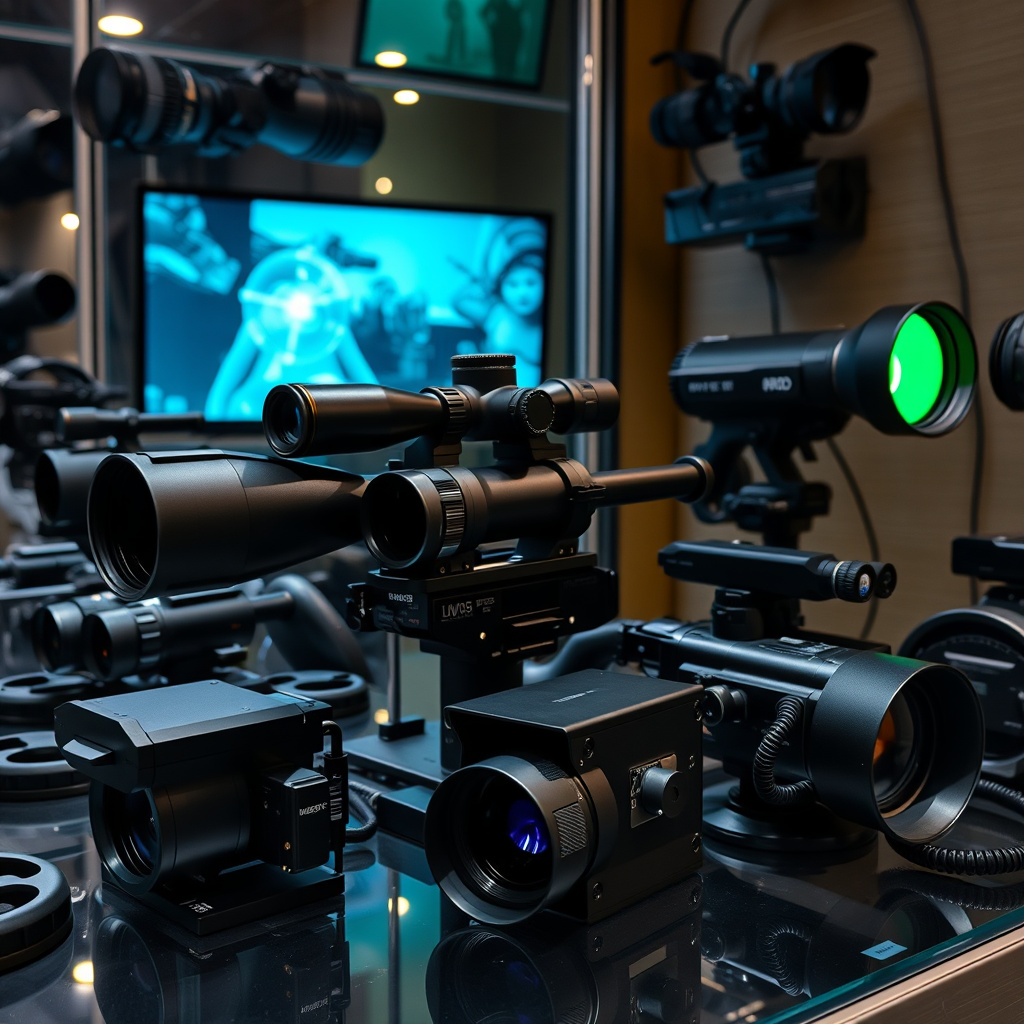
Night Vision Goggles and Devices
Night vision goggles are commonly used by military and law enforcement personnel for hands-free vision in low light. They are typically based on image intensification technology and can be mounted on helmets or worn as binoculars.
These devices amplify existing light to provide a real-time green image, enabling quick identification and navigation at night without additional illumination that might reveal the user's position.
- Portable and wearable
- Ideal for navigation and observation
- Image intensification based
For more on this, see our related guide: What Does Night Vision Look Like? Exploring the Visual Experience of Night Vision Technology.
Night Vision Cameras and Scopes
Night vision cameras and rifle scopes often combine image intensification and infrared night vision technology depending on their purpose. Cameras focus on recording images or video in low light, while scopes assist precise target identification.
Some advanced models incorporate both passive and active night vision systems, switching between modes automatically based on lighting conditions for improved versatility.
- Used for surveillance and hunting
- Can record or display images
- May integrate infrared illumination
Applications of Night Vision
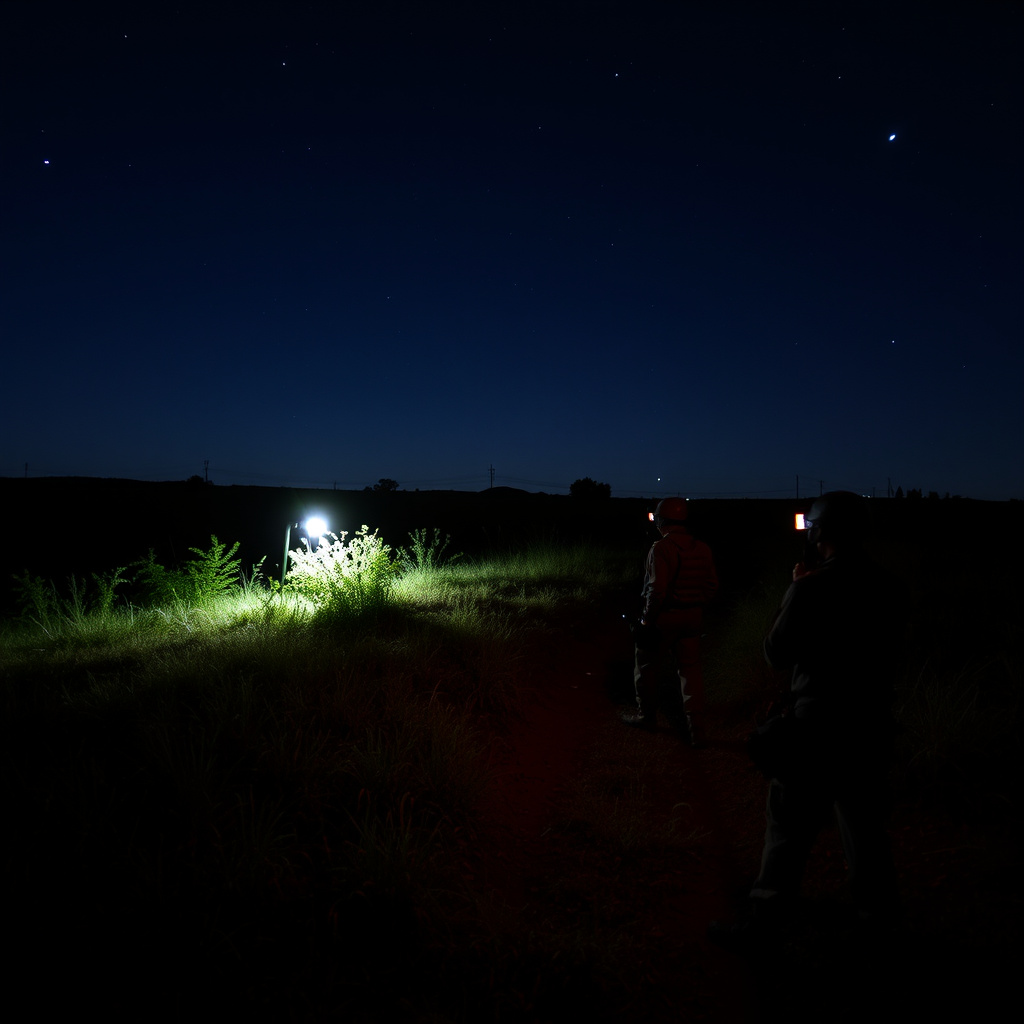
Military and Law Enforcement
Military forces use night vision devices to maintain tactical advantage when operating during nighttime. It allows soldiers to detect threats, navigate terrain, and coordinate activities without exposing their location with visible light.
Law enforcement agencies employ night vision for surveillance, suspect pursuit, and search and rescue operations in low-light environments, improving both officer safety and mission success.
- Enhanced situational awareness
- Reduced risk during night operations
- Supports covert missions
Wildlife Observation and Hunting
Nature enthusiasts and hunters use night vision devices to observe nocturnal animals without disturbance. It helps in studying animal behavior or navigating in dark forests.
These technologies make it easier to spot game that is active after sunset, offering a non-intrusive way to monitor wildlife or track animals during the night.
- Non-invasive wildlife monitoring
- Increased safety during nighttime activities
- Improved hunting accuracy
Advantages and Limitations of Night Vision
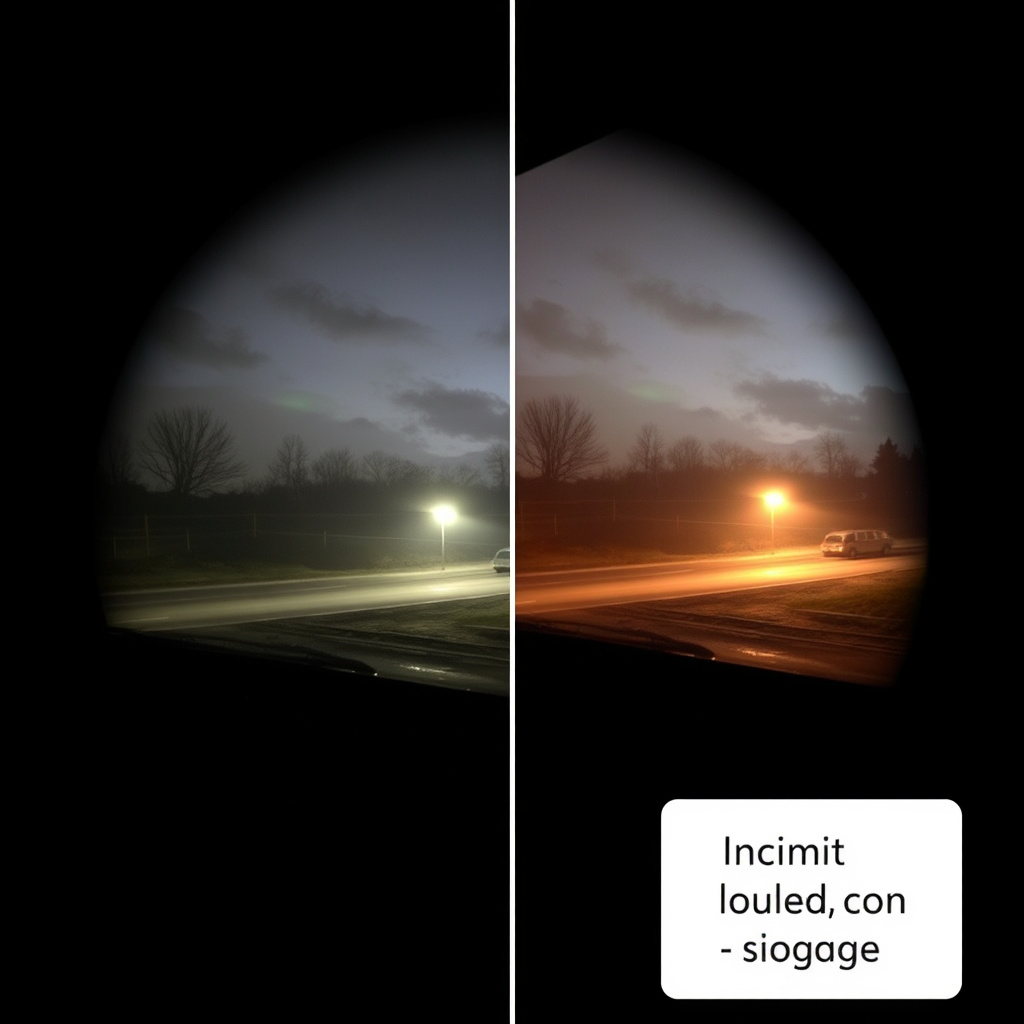
Advantages
Night vision devices provide users with the ability to see in darkness, significantly improving safety and operational efficiency. They are lightweight, can be portable, and some models offer real-time video recording.
Many devices require no visible light, so users can operate discreetly without giving away their position.
- Enhanced vision without visible light
- Supports nocturnal navigation
- Improves safety in dark environments
For more on this, see our related guide: Do NVGs Block Your Field of View? Understanding Night Vision Goggles Visibility.
Limitations
Night vision performance degrades in poor weather conditions such as heavy fog, rain, or snow. Image intensifiers generally deliver monochrome views that can lack depth perception compared to daylight vision.
Infrared systems require a power source and IR illuminators, which can be detected or drain batteries quickly, potentially limiting operational time.
- Reduced clarity in adverse weather
- Monochrome imagery limits color recognition
- Dependence on power and IR light
Choosing the Right Night Vision Device
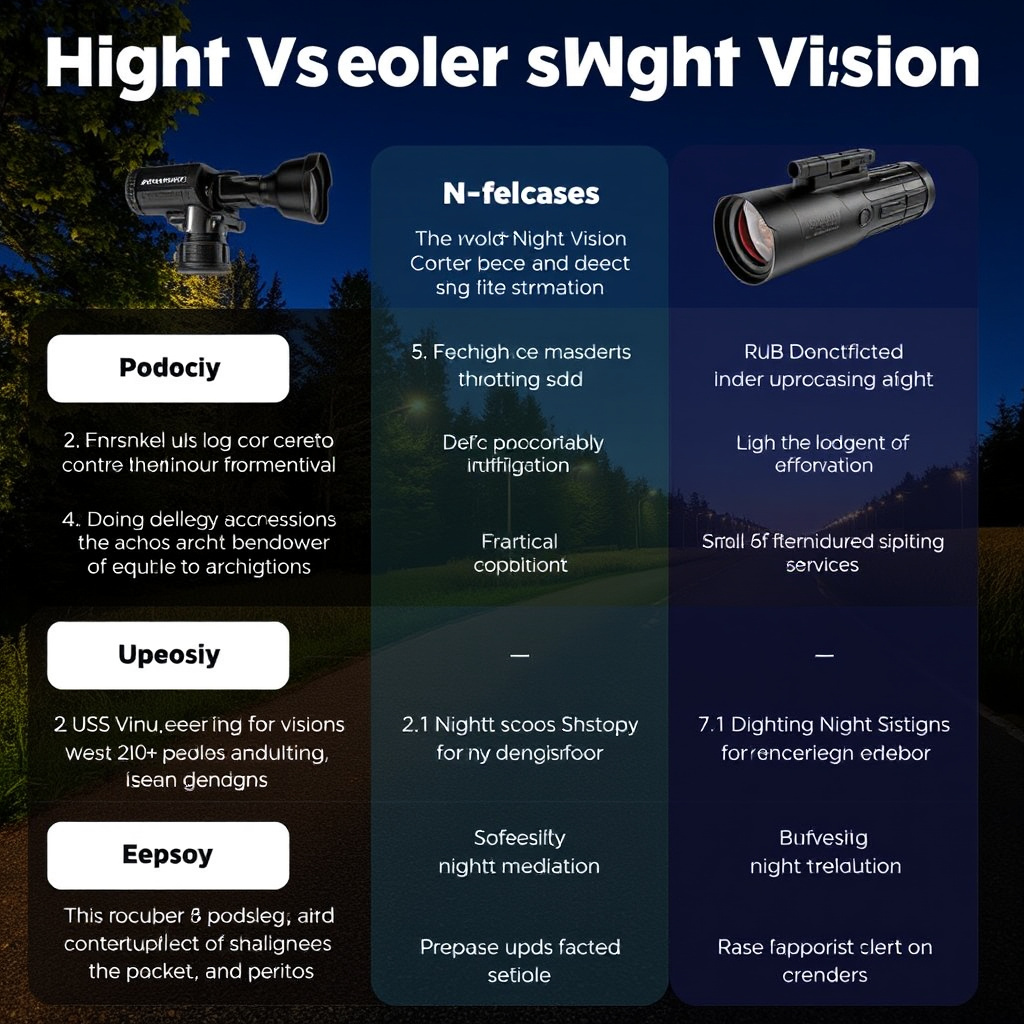
Assessing Your Needs
Your choice of night vision device depends on your intended use, budget, and required features. Consider factors like portability, image quality, operational range, and whether you need video recording or weapon mounting capability.
For casual use like wildlife observation, simpler image intensification goggles may suffice, whereas tactical operations demand more durable and advanced devices with infrared night vision technology.
- Determine primary application
- Consider device weight and size
- Evaluate required features
For a more detailed historical and technical background, you can read the Night Vision Wikipedia article. Night Vision Wikipedia article.
Budget and Technical Specifications
Prices vary widely based on technology generation, resolution, and build quality. Higher-generation devices offer better clarity and range but cost more. Pay attention to resolution, field of view, and battery life when making a purchase.
Infrared night vision technology often adds to device complexity and price but offers vision in deeper darkness. Balance your budget against desired performance to get the most value.
- Compare generation and resolution
- Check battery life and power needs
- Match features to budget
Night Vision Device Categories Comparison
Explore key differences in features and typical uses among popular night vision device categories to help guide your selection.
| Category | Technology Type | Typical Use | Image Type | Power Source | Price Range |
|---|---|---|---|---|---|
| Generation 1 Image Intensifiers | Image Intensification | Casual observation, basic navigation | Green monochrome | AA batteries | $200–$600 |
| Generation 2 Image Intensifiers | Image Intensification with microchannel plate | Law enforcement, hunting | Green monochrome | AA batteries | $900–$1,500 |
| Generation 3 Image Intensifiers | Advanced image intensification | Military, professional use | Green monochrome | Specialized batteries | $2,000–$8,000 |
| Infrared Night Vision Cameras | Infrared illumination | Surveillance, recording | Black and white | Rechargeable | $500–$3,000 |
| Digital Night Vision Devices | Digital sensors and IR illumination | Versatile use, easily record video | Color or monochrome | Rechargeable | $300–$1,200 |
Frequently Asked Questions
How does night vision differ from thermal imaging?
Night vision amplifies existing light or uses infrared illumination to create images, while thermal imaging detects heat emitted by objects, producing images based on temperature contrasts rather than light.
Can night vision devices work in complete darkness?
Image intensification devices need some ambient light to function, but infrared night vision technology uses infrared light, enabling vision even in total darkness with an IR illuminator.
Are night vision images always green?
Traditional image intensification night vision produces green monochrome images because green phosphor screens provide the best contrast for the human eye, though digital night vision devices can display color images.
What maintenance do night vision devices require?
Maintenance includes keeping lenses clean, storing devices in dry conditions, regularly checking batteries, and handling devices carefully to avoid damage to sensitive sensors and tubes.
Is night vision technology legal to own and use everywhere?
Night vision technology is generally legal for civilian use in many countries but may have restrictions or require permits in some areas, especially for hunting or military-grade devices.
Key Takeaways
- Night vision enhances visibility in low or no light by amplifying light or using infrared technology.
- Image intensification and infrared night vision are the two main underlying technologies.
- Choose devices based on intended use, balancing features, portability, and budget.
- Consider device generation, power requirements, and environmental conditions when purchasing.
Conclusion
Selecting the right night vision device involves understanding how night vision works and what technology suits your needs best. Image intensification provides excellent visibility in low-light, while infrared night vision technology excels in total darkness. Factoring your use case, such as wildlife observation, security, or professional applications, will help narrow your options.
For casual or recreational activities, Generation 1 or 2 image intensifiers offer affordability with decent performance. If you require enhanced clarity and durability, especially for tactical uses, investing in Generation 3 devices or infrared night vision systems makes sense. Digital night vision devices are a flexible option for those who also want easy video recording capability.
Once you identify your key requirements and budget, test or review devices focusing on image quality, battery life, and ease of use. This practical approach will guide you to a night vision device that improves your nighttime visibility safely and effectively.




One Comment