How Does a Night Vision Camera Work: Understanding Nighttime Surveillance Technology
A night vision camera works by capturing images in low-light or completely dark environments using infrared light or thermal radiation detection. These cameras enhance or convert available light, including infrared wavelengths invisible to the human eye, into a visible image. This capability allows for clear surveillance or observation in darkness where standard cameras would fail.
Night vision cameras are widely used in security systems, wildlife observation, and military operations. Their ability to produce clear, detailed visuals at night is crucial for continuous monitoring regardless of lighting conditions. This technology gives users the advantage of extended visibility beyond natural light sources.
This article explores the different principles behind night vision cameras, including infrared illumination and thermal imaging. It will explain how these systems function, their advantages and limitations, and what to look for when choosing one for personal or professional use.
How Infrared Night Vision Cameras Work
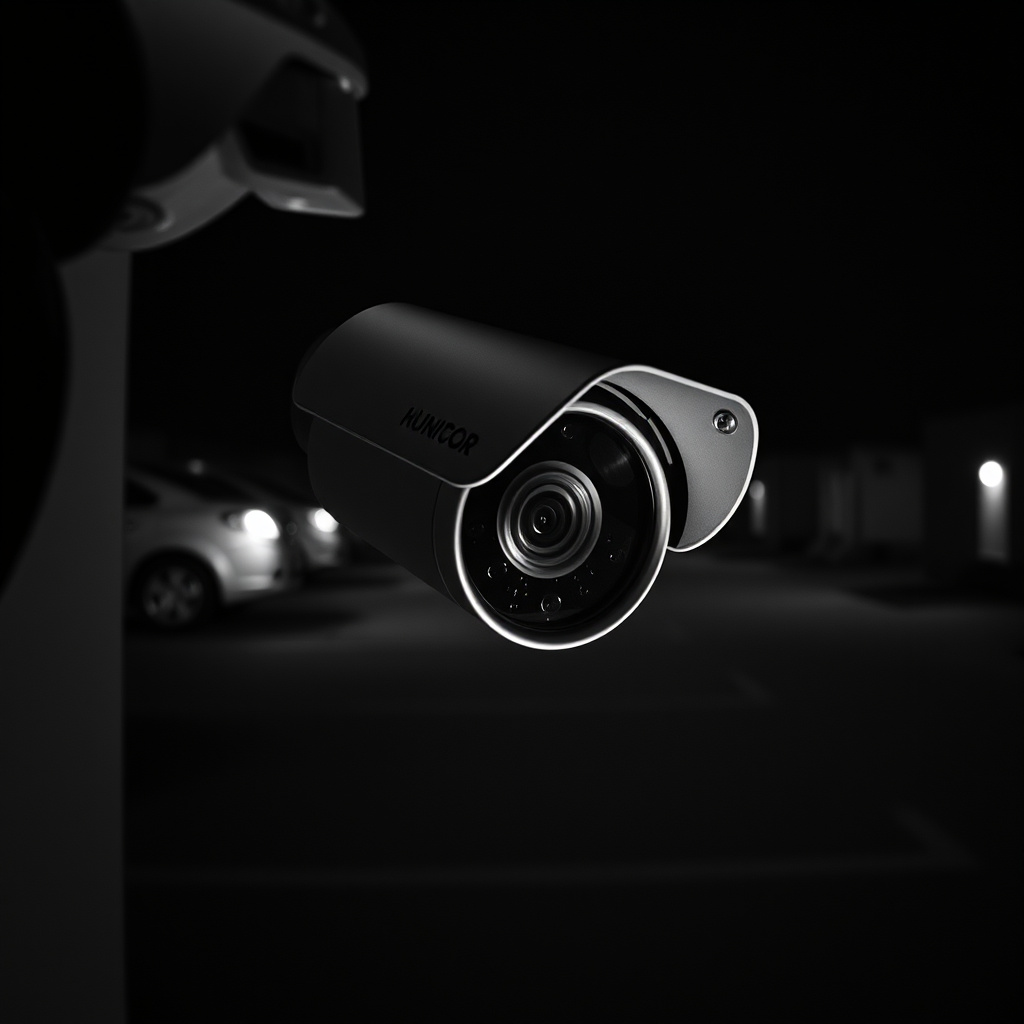
Active Infrared Illumination
Active infrared night vision cameras come equipped with infrared LEDs that emit light not visible to the naked eye but detectable by the camera's sensor. This near-infrared illumination reflects off objects in the environment and returns to the camera lens, allowing it to create a clear image even in total darkness.
These cameras typically produce monochrome images, often in shades of green or black and white, to enhance contrast and detail. The intensity and range of the infrared LEDs determine the camera's effective viewing distance in dark conditions.
- Infrared LED arrays produce invisible illumination
- Sensor converts reflected IR light into images
- Common in home security and wildlife cameras
Passive Infrared Imaging
Passive infrared night vision cameras do not emit their own light but detect infrared radiation naturally emitted by objects as heat. This technology focuses on sensing thermal differences to generate images called thermograms, which reveal shapes and movements based on temperature.
Because they rely solely on heat signatures, passive infrared cameras perform well in total darkness and variable weather. They are commonly used for perimeter security and search and rescue operations.
- Detects natural heat emissions from objects
- Works without additional lighting sources
- Ideal for detecting living beings and warm vehicles
The Role of Image Intensifiers and Sensors
Image Intensifier Tubes
Traditional night vision cameras use image intensifier tubes to amplify tiny amounts of visible and infrared light. Incoming photons strike a photocathode, releasing electrons that are accelerated and multiplied before hitting a phosphor screen to create a vector image.
This intensified image is then captured by a camera sensor or viewed directly through an eyepiece. Image intensifiers produce the iconic green-tinted images often associated with night vision.
- Amplifies low-level light to visible levels
- Creates green-hued images for clarity
- Widely used in military and surveillance gear
Complementary Metal-Oxide-Semiconductor (CMOS) Sensors
Modern night vision cameras increasingly rely on digital CMOS sensors designed to be highly sensitive to infrared light. These sensors convert light into electronic signals with efficiency, supporting color and higher resolution imaging compared to traditional intensifiers.
CMOS-based night vision cameras can combine visible light and IR capabilities, allowing for flexible performance in various conditions and improved image quality for professional and consumer applications.
- Highly sensitive to near-infrared spectrum
- Enables digital image processing and color
- Standard in newer night vision camera models
Differences Between Infrared and Thermal Night Vision Cameras

Infrared Night Vision Cameras
Infrared night vision cameras detect reflected IR light, relying on external or built-in IR sources for illumination. They show detailed shapes and textures but require some reflection from objects, which means totally black surfaces or glass can challenge visibility.
They are more affordable and popular for general use, especially where some lighting environment exists or can be supplemented artificially.
- Relies on IR illumination for visibility
- Best for close to medium range monitoring
- Produces high-resolution, monochrome images
For more on this, see our related guide: What Is Night Vision? Understanding How Night Vision Works.
Thermal Imaging Cameras
Thermal cameras detect the heat emitted from objects and create images based on temperature differences. Because they do not need any light source, they perform well in total darkness, fog, and smoke conditions where infrared illumination may be insufficient.
Thermal imaging is excellent for detecting living beings, mechanical equipment overheating, or concealed persons but usually offers less detail than infrared night vision.
- Detects heat signatures, no illumination needed
- Works in harsh weather and total darkness
- Commonly used in security and firefighting
Key Features to Evaluate in Night Vision Cameras
Resolution and Image Quality
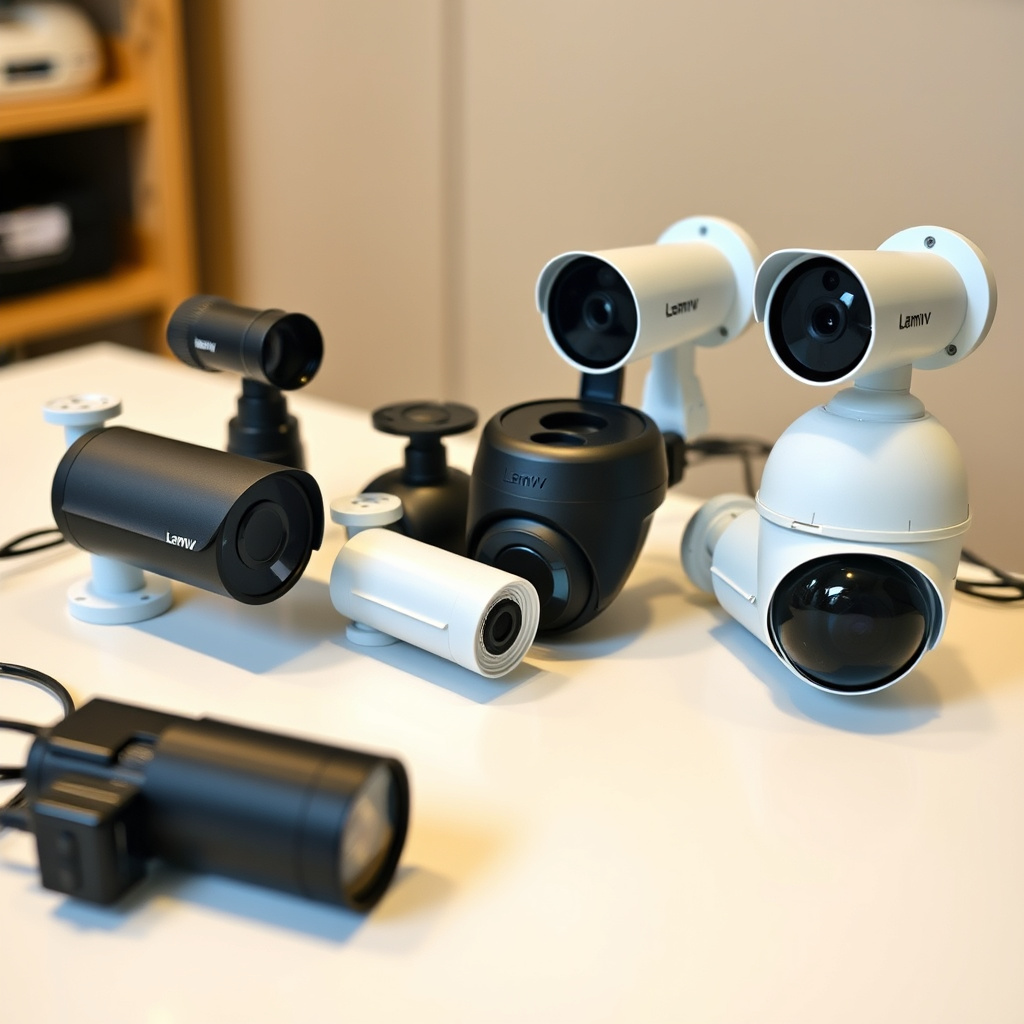
Higher resolution sensors provide clearer, sharper images which are critical for identifying details like faces or license plates at night. Look for cameras that specify their effective night resolution separately from daytime specs, as performance varies.
Some models offer digital zoom or image enhancement technologies to improve clarity in low light but at the risk of quality loss if overused.
- Check night vision resolution ratings
- Consider image enhancement and zoom features
Range and Field of View
The effective range depends on the strength of the infrared LEDs or thermal sensor sensitivity. Longer ranges are better for perimeter surveillance but often come with higher costs and power consumption.
Field of view angles vary; wide angles cover more area but may reduce detail, while narrow angles focus on distant specifics. Choose based on your surveillance needs.
- Assess IR illumination distance
- Balance field of view width with detail requirements
Applications and Limitations of Night Vision Cameras
Common Uses
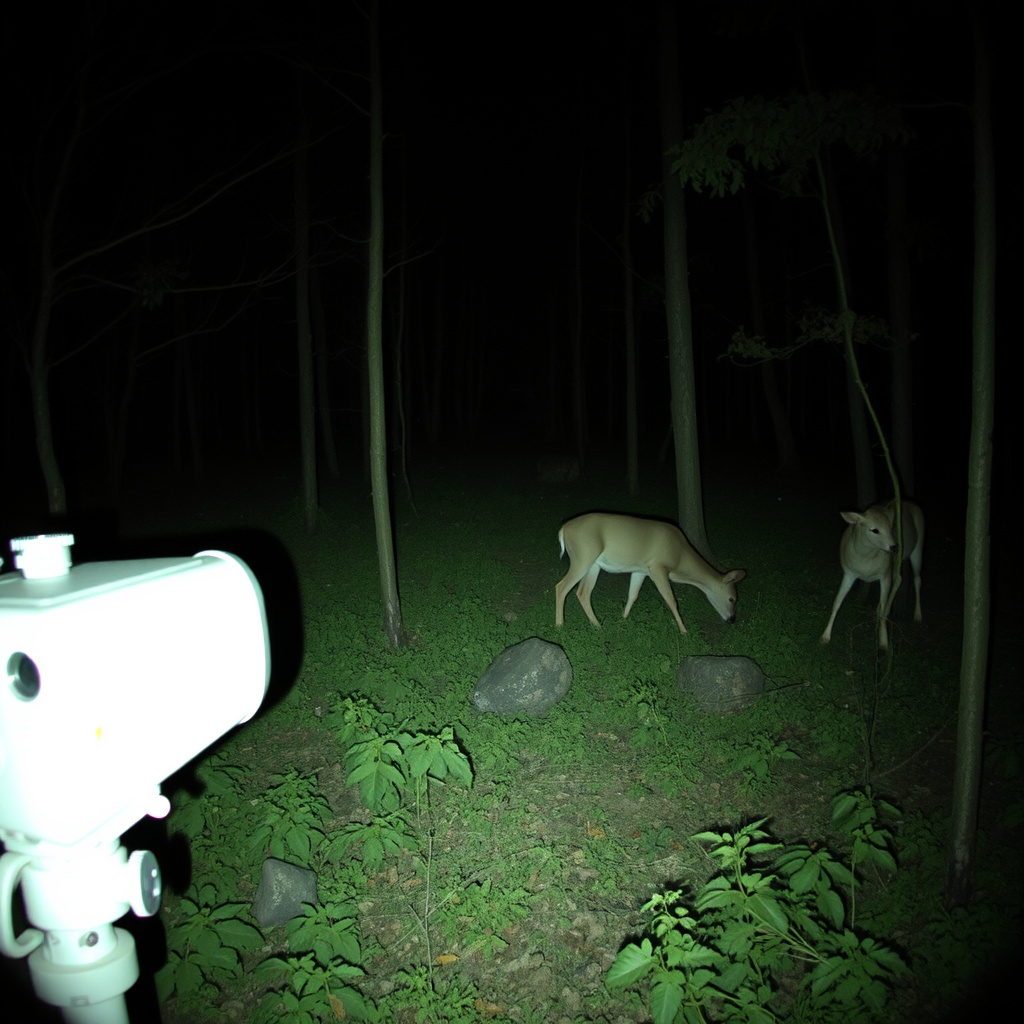
Night vision cameras are prevalent in home security, wildlife observation, law enforcement, and military contexts. They enable monitoring where lighting is scarce or non-existent, helping capture crucial visual information.
Outdoor enthusiasts use them for tracking nocturnal animals, while security professionals rely on them for early detection and evidence gathering.
- Home and commercial security
- Wildlife and nature monitoring
- Military and tactical operations
For more on this, see our related guide: What Does Night Vision Look Like? Exploring the Visual Experience of Night Vision Technology.
Limitations and Challenges
Performance can degrade in adverse weather conditions such as heavy rain or fog which scatter infrared light. Infrared reflection depends on surfaces, so shiny or transparent materials may cause poor image quality or glare.
Battery life and power consumption of active IR cameras must be managed carefully for continuous use, and thermal cameras generally come with higher price tags.
- Weather conditions impact infrared effectiveness
- Power requirements may limit deployment duration
Choosing the Right Night Vision Camera for Your Needs
Consider Environment and Purpose
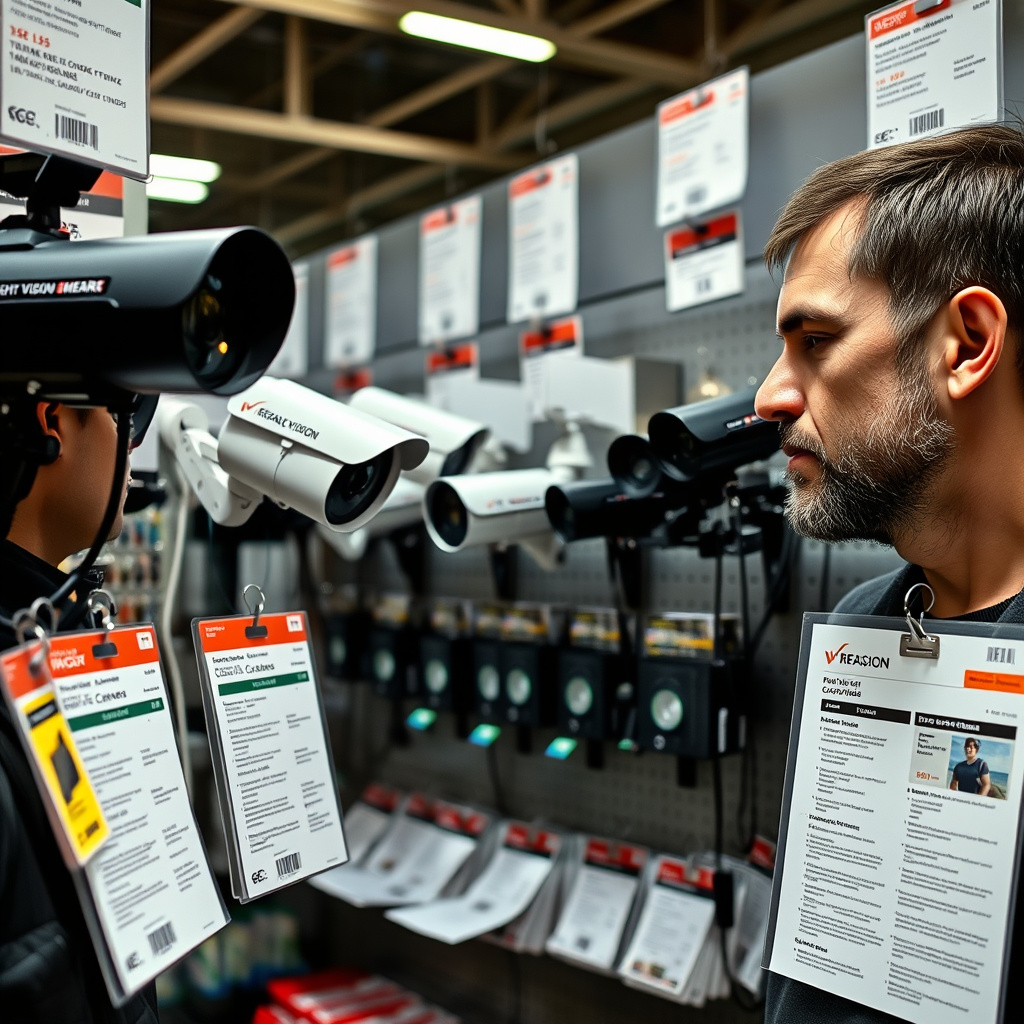
Evaluating whether you need infrared or thermal technology depends on where you intend to use the camera. For indoor or moderate-range outdoor surveillance, infrared might be sufficient, whereas harsh or smoky environments demand thermal imaging.
Consider the typical lighting and weather, the size of the area to cover, and whether you require color images or monochrome.
- Match camera type to the environment
- Decide on range and image color preferences
For further details on the science behind night vision technology, see Night Vision Technology on Wikipedia. Night Vision Technology on Wikipedia.
Budget and Additional Features
Night vision cameras vary widely in price depending on sensor type, resolution, range, and added features such as motion detection, remote access, or storage options.
Weigh the cost against your priority features—sometimes mid-range models strike the best balance of performance and affordability.
- Set budget limits
- Look for smart features enhancing usability
Night Vision Camera Technology Comparison
This table compares the main types of night vision cameras by technology, cost, range, and ideal applications to clarify which fits your needs best.
| Technology Type | Cost Range | Effective Range | Image Type | Best For |
|---|---|---|---|---|
| Active Infrared | Low to Mid | 50-150 feet | Monochrome (green/black & white) | Home Security, Wildlife Observation |
| Passive Infrared (Thermal) | High | Up to 1000 feet | Thermographic heat map | Military, Search and Rescue, Perimeter Security |
| Image Intensifier | Mid to High | 100-300 feet | Green-tinted monochrome | Military, Specialized Surveillance |
| CMOS Sensor-Based | Mid | Variable, often 100-200 feet | Color and Monochrome | Consumer and Professional Video Surveillance |
Frequently Asked Questions
Can a night vision camera see in total darkness?
Yes, infrared and thermal night vision cameras can capture images in complete darkness by detecting infrared light or heat, allowing them to visualize scenes without any visible illumination.
What is the difference between infrared and thermal night vision cameras?
Infrared cameras rely on reflected near-infrared light to form images, while thermal cameras detect emitted heat from objects, which enables thermal models to work in conditions where infrared light may be unavailable.
Are night vision cameras effective in bad weather?
Thermal cameras generally perform better than infrared models in adverse weather like fog, rain, or smoke because they detect heat rather than relying on IR light reflection, which can be scattered or absorbed.
Do night vision cameras produce color images?
Most traditional night vision cameras provide monochrome images, often green-tinted. However, some modern CMOS sensor-based models can produce color images in low light with a combination of visible and infrared capture.
How far can a night vision camera see?
Range depends on camera type and IR illumination strength. Active infrared cameras typically see up to 150 feet, while thermal cameras can detect heat signatures at much longer distances, up to 1000 feet or more.
Key Takeaways
- Night vision cameras use infrared or thermal technology to see in dark environments.
- Active infrared cameras emit invisible light; thermal cameras detect heat signatures.
- Image intensifiers and CMOS sensors affect image quality and color options.
- Choosing depends on environment, range needs, and budget.
Conclusion
Understanding how a night vision camera works is essential for selecting the right model for your specific needs. These devices either rely on capturing invisible infrared light reflected from objects or detecting heat energy naturally emitted by them. Each technology has different practical applications, benefits, and limitations. Making a well-informed choice involves weighing image quality, detection range, environment conditions, and intended use cases carefully.
For general home security or wildlife monitoring in relatively stable environments, active infrared cameras provide effective, affordable solutions that produce clear monochrome images at medium range. Thermal imaging cameras, while more costly, excel in challenging conditions such as fog, smoke, and complete darkness, making them ideal for law enforcement or military operations. Modern CMOS sensor-based night vision cameras introduce versatility with color capture and enhanced image processing, appealing to professional videographers and hobbyists alike.
If you’re considering a night vision camera, start by clarifying where and how you’ll use it. Match the technology to the environment and surveillance goals, then balance features and price according to your budget. Investing in a reputable model with proven sensor performance will provide reliable nighttime surveillance, ensuring clear visibility when you need it most.