What Does Night Vision Look Like? Exploring the Visual Experience of Night Vision Technology
Night vision typically appears as a green-hued image, offering enhanced visibility in near-total darkness. This green tint, common in most night vision devices, helps the human eye distinguish shapes and details more comfortably than black and white or other colors under low-light conditions.
Night vision technology plays a crucial role in fields such as security, wildlife observation, and military operations by converting infrared light and extremely low levels of visible light into a viewable image. The green color originates from phosphor screens used in the devices, chosen because the human eye can differentiate more shades of green than other colors, aiding clarity.
This article will explain how night vision devices produce their characteristic visuals, differentiate among different types of night vision technologies, and describe what users should expect to see when using night vision equipment.
Understanding How Night Vision Technology Works
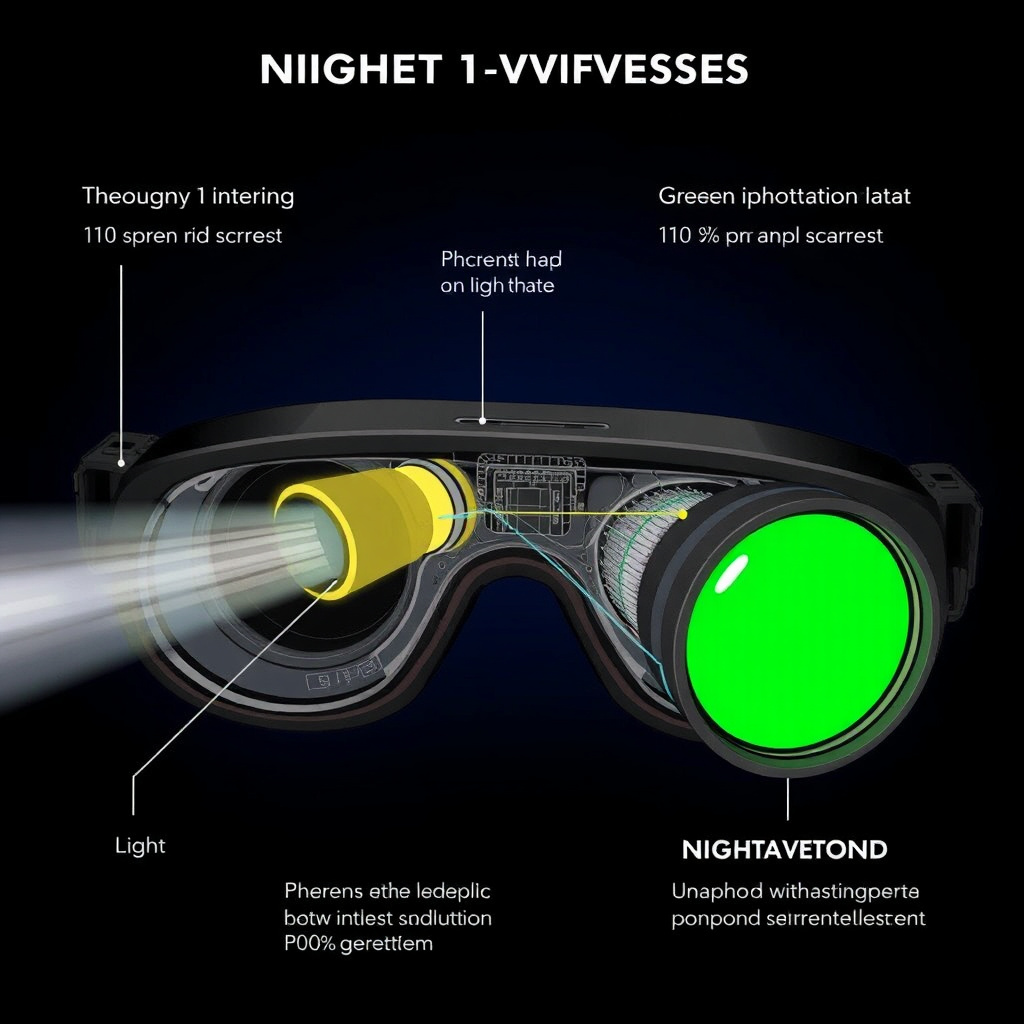
Principles Behind Night Vision Imagery
Night vision devices capture small amounts of ambient light, such as moonlight or starlight, and amplify it to produce a visible image. This process involves converting photons to electrons, then back to light on a green phosphor screen, creating the distinct green image users see.
This amplification allows objects to become visible even when the human eye would see total darkness, enabling navigation and observation during night hours.
Why Is Night Vision Green?
The green hue is intentional; phosphor screens emit green light because the human eye is more sensitive to green wavelengths and can perceive more shades within the green spectrum. This results in better contrast and detail discernment in low-light scenes.
Older technologies sometimes used black and white displays, but green remains the standard due to its effectiveness in night vision applications.
Types of Night Vision and Their Visual Characteristics
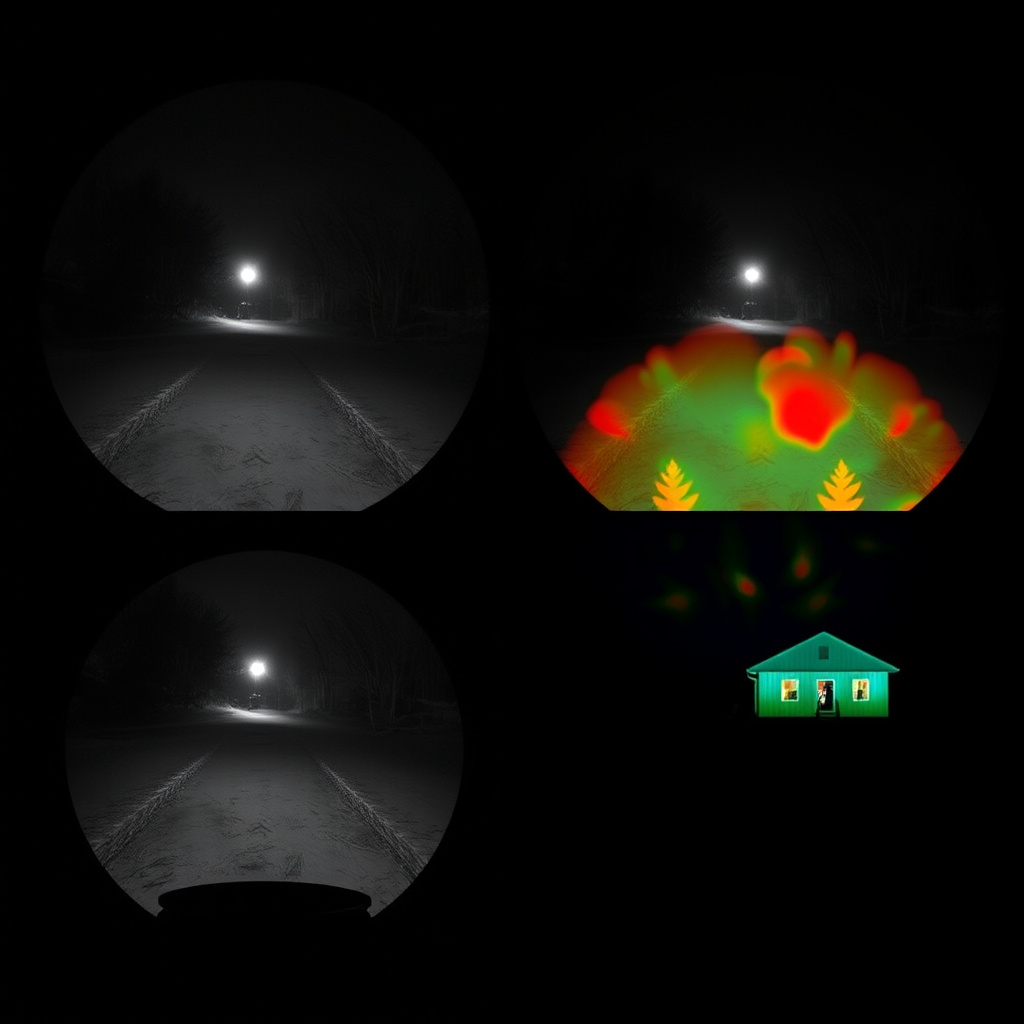
Image Intensifier Night Vision
Image intensifier devices are the traditional night vision tools that amplify available light to produce the signature green image. They work best in environments where some ambient light exists and are widely used in military and recreational fields.
Users see enhanced outlines and motion with decent depth perception but limited color recognition beyond the green spectrum.
Thermal Imaging Vision
Thermal imaging detects heat signatures rather than light and displays them in contrasting colors like black, white, or various false-color palettes to highlight temperature differences, rather than green.
This technology allows users to see warm-blooded animals or heat-emitting objects even in total darkness or obscured view conditions such as smoke or fog.
Visual Quality and Resolution in Night Vision Devices

Factors Affecting Image Clarity
Resolution depends on the quality of the image intensifier tube and optics. Higher generation tubes provide sharper and more detailed green images, improving user experience and identification capabilities.
Ambient light levels, device calibration, and magnification also influence overall image clarity and smoothness during night vision use.
For more on this, see our related guide: How to Make a Night Vision Potion in Minecraft: Step-by-Step Guide.
Common Visual Challenges
Users may notice graininess or noise in the image, especially in very low-light conditions. Bright light glare can wash out portions of the green image temporarily, impacting visibility.
Proper device maintenance and appropriate device selection for the use case can reduce these issues significantly.
Applications and User Experience of Night Vision
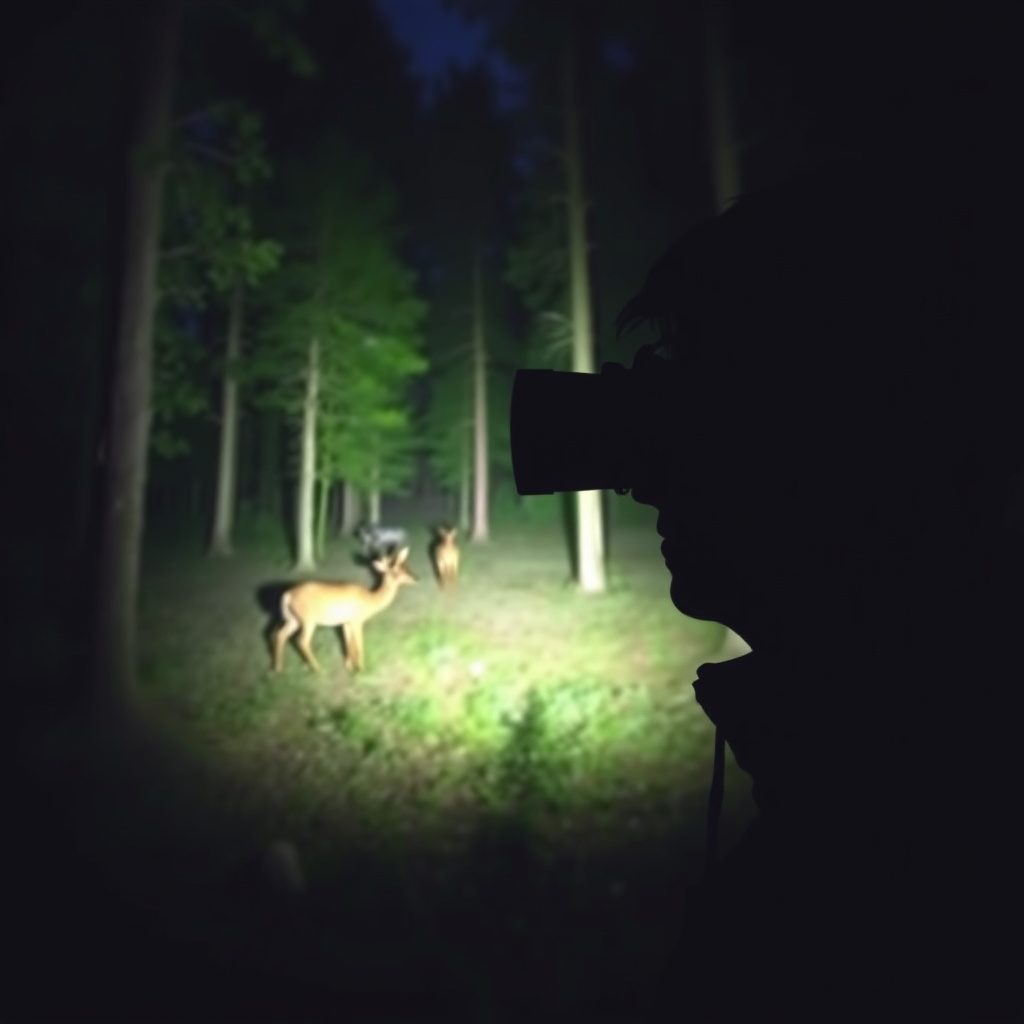
Military and Law Enforcement Use
Night vision allows personnel to conduct operations and surveillance covertly at night, identifying personnel and objects by their green-tinted outlines and shapes.
The green view provides enough detail for navigation and tactical decisions without exposing the user to detection by visible light.
Civilian and Recreational Use
Outdoor enthusiasts use night vision for camping, wildlife observation, and nighttime navigation, appreciating the enhanced visibility offered by image intensifier devices.
The characteristic green-hued visuals provide clear terrain details and animal silhouettes in darkness.
How Ambient Conditions Affect Night Vision Appearance

Impact of Ambient Light Levels
Night vision performs best with a moderate level of ambient light; too little light results in grainier images, while too much can cause blooming where bright sources wash out details.
Lunar phases, street lights, and moonlight intensity can all change the green image appearance, affecting user perception.
For more on this, see our related guide: How Much Does a Security Camera Cost? A Complete 2024 Pricing Guide.
Environmental Factors Influencing Visuals
Fog, smoke, rain, and dust can degrade night vision effectiveness by scattering or blocking light, dulling the green image and reducing contrast.
Choosing devices with good optics and appropriate protection against environmental conditions helps maintain clearer images.
Comparing Night Vision Devices and Technologies
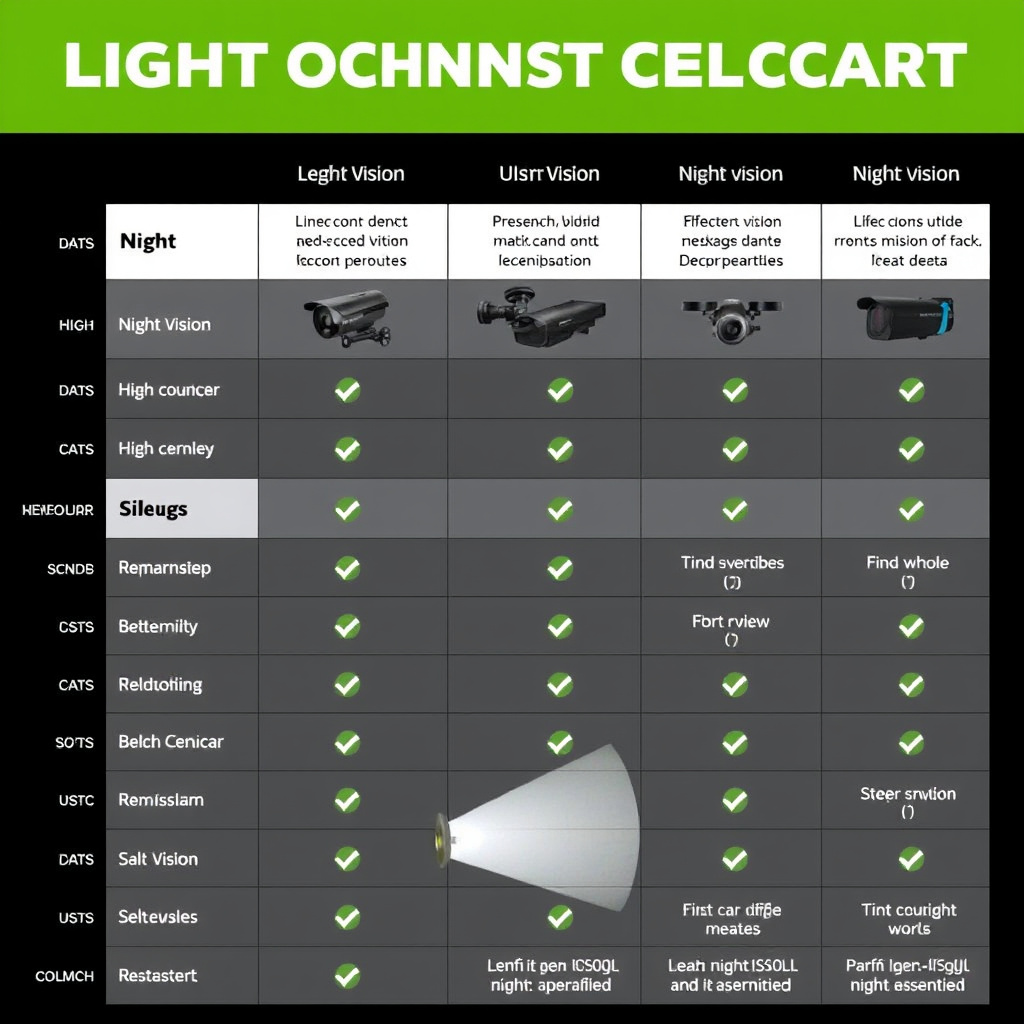
Generations of Night Vision Technology
Night vision devices are categorized by generation (Gen 1 to Gen 4), with higher generations offering improved image resolution, lower noise, and better low-light performance, affecting how the green image appears.
Gen 1 devices produce grainier, lower-resolution green images, while Gen 3 and 4 offer smooth, clear visuals with more detail.
To learn more about the mechanics and history of night vision technology, visit the Night Vision Device Wikipedia article. Night Vision Device Wikipedia article.
Choosing Based on Visual Quality Needs
Users requiring detailed identification and prolonged use should opt for higher generation image intensifiers for clearer green views, while casual users may find Gen 1 sufficient for basic night navigation.
Consideration of cost, weight, and durability also influences device selection alongside image quality.
Night Vision Device Category Comparison
This comparison highlights key differences among common night vision device categories to help identify the right choice for your needs.
| Category | Image Color | Typical Resolution | Best Use Case | Cost Range |
|---|---|---|---|---|
| Gen 1 Image Intensifier | Green | Low (30-45 lp/mm) | Basic night viewing, entry-level use | $100-$400 |
| Gen 2 Image Intensifier | Green | Medium (45-60 lp/mm) | Professional security, hunting | $400-$2000 |
| Gen 3 Image Intensifier | Green | High (60-72 lp/mm) | Military, advanced surveillance | $2000-$6000 |
| Gen 4 Image Intensifier | Green | Very High (70+ lp/mm) | Special operations, premium applications | $5000+ |
| Thermal Imaging | False Color (varies) | Medium | Search and rescue, total darkness | $1500-$8000 |
Frequently Asked Questions
Why do night vision images appear green?
Night vision images appear green because the image intensifier tube uses phosphor screens that emit green light, which the human eye can interpret more easily and distinguish more shades of, improving detail perception.
Can night vision devices see in total darkness?
Traditional image intensifier night vision requires some ambient light to amplify, so it struggles in total darkness. Thermal imaging devices, however, detect heat and can operate effectively without any visible light.
How does ambient light affect night vision visibility?
Ambient light impacts night vision by providing more photons to amplify, improving image clarity. Excessively bright light can cause glare or blooming, while too little light results in grainy, noisy images.
Is the green color in night vision harmful to eyes?
The green tint in night vision is not harmful; it is actually chosen because it is easy on the eyes, allowing prolonged viewing without causing eye strain or fatigue.
How do thermal imaging visuals differ from traditional night vision?
Thermal imaging shows heat differences with color palettes such as black, white, or rainbow tones, rather than green images, allowing detection of warm objects even in complete darkness or obscured conditions.
Key Takeaways
- Night vision images are typically green because of phosphor screen technology that amplifies ambient light.
- Image intensifier devices produce green visuals by enhancing dim light, while thermal imaging uses heat signatures with false color displays.
- The quality and clarity of night vision visuals depend on the device generation and ambient conditions.
- Different applications, from military to recreational, influence the choice of night vision technology and expected image appearance.
Conclusion
Understanding what night vision looks like helps set realistic expectations and guides choosing the right technology. The familiar green-hued imagery comes from image intensifier tubes that amplify low levels of light, presenting clearer scenes in darkness than natural eyesight. This distinct green tint is essential because it maximizes human eye sensitivity, providing better contrast and detail discernment compared to other colors. Evaluating how ambient light, device generation, and environment influence night vision visuals allows users to find a device that best matches their needs and conditions.
When deciding on night vision options, consider the differences among Gen 1 through Gen 4 image intensifiers and thermal imaging. Lower generation devices show grainier green images suitable for casual use, while higher generations provide sharp and detailed views for professional or military applications. Thermal imaging, with its false color presentation, excels in zero-light or obscured environments, complementing traditional night vision but offering a distinctly different visual experience. Selection depends on your specific use, whether that’s nighttime security, wildlife monitoring, or search and rescue operations.
To experience night vision firsthand, start with an accessible Gen 1 or Gen 2 device if your goal is basic observation or outdoor activities at night. For more demanding tasks requiring clarity and reliability, investing in higher generation image intensifiers will yield superior green-tinted visuals. If your need involves no visible light or challenging weather conditions, thermal imaging might be the better choice. With knowledge of what night vision looks like and how the technology works, you can confidently pick the device that most effectively reveals the nighttime world.




One Comment