Who Invented Night Vision: The History Behind Night Vision Technology
Night vision technology was first developed in the early 20th century, with key innovations credited to Hungarian physicist Kálmán Tihanyi. His designs for infrared-sensitive electronic imaging enabled the creation of early night vision devices, transforming military and later civilian applications. This invention marked a significant advancement in allowing humans to see in darkness.
Understanding who invented night vision is important because it reveals the technological breakthroughs that made these devices practical and affordable. Over decades, improvements in image intensification and infrared detection have built upon Tihanyi’s foundational work, leading to the sophisticated night vision equipment used today in areas ranging from defense to wildlife observation.
This article will cover the inventors behind night vision technology, the evolution of night vision devices, how the technology works, their main applications, and a comparison of different night vision device categories. By exploring these aspects, readers can gain a comprehensive understanding of night vision’s origins and ongoing development.
The Origins of Night Vision Technology

Kálmán Tihanyi and the First Innovations
Kálmán Tihanyi, a Hungarian physicist and electrical engineer, developed electronic devices in the late 1920s and early 1930s that could detect infrared light beyond the visible spectrum. His patents and early work are considered foundational to night vision technology as they introduced the idea of converting invisible infrared radiation into visible images.
Tihanyi’s contributions went largely unrecognized for some time, but they laid the groundwork for military adoption. His patents described techniques for image intensification, enabling the creation of devices that amplified weak light sources such as moonlight or starlight.
Military Advances During World War II
Night vision devices gained significant practical use during World War II. Various Allied and Axis powers developed infrared-based scopes and cameras to improve night operations. While Tihanyi's early patents influenced designs in several countries, the U.S. and Germany accelerated development to meet wartime needs.
German forces implemented active infrared systems requiring infrared illuminators, while U.S. developments focused on passive image intensification. These advances made night vision equipment more portable and effective under battlefield conditions.
How Night Vision Devices Work
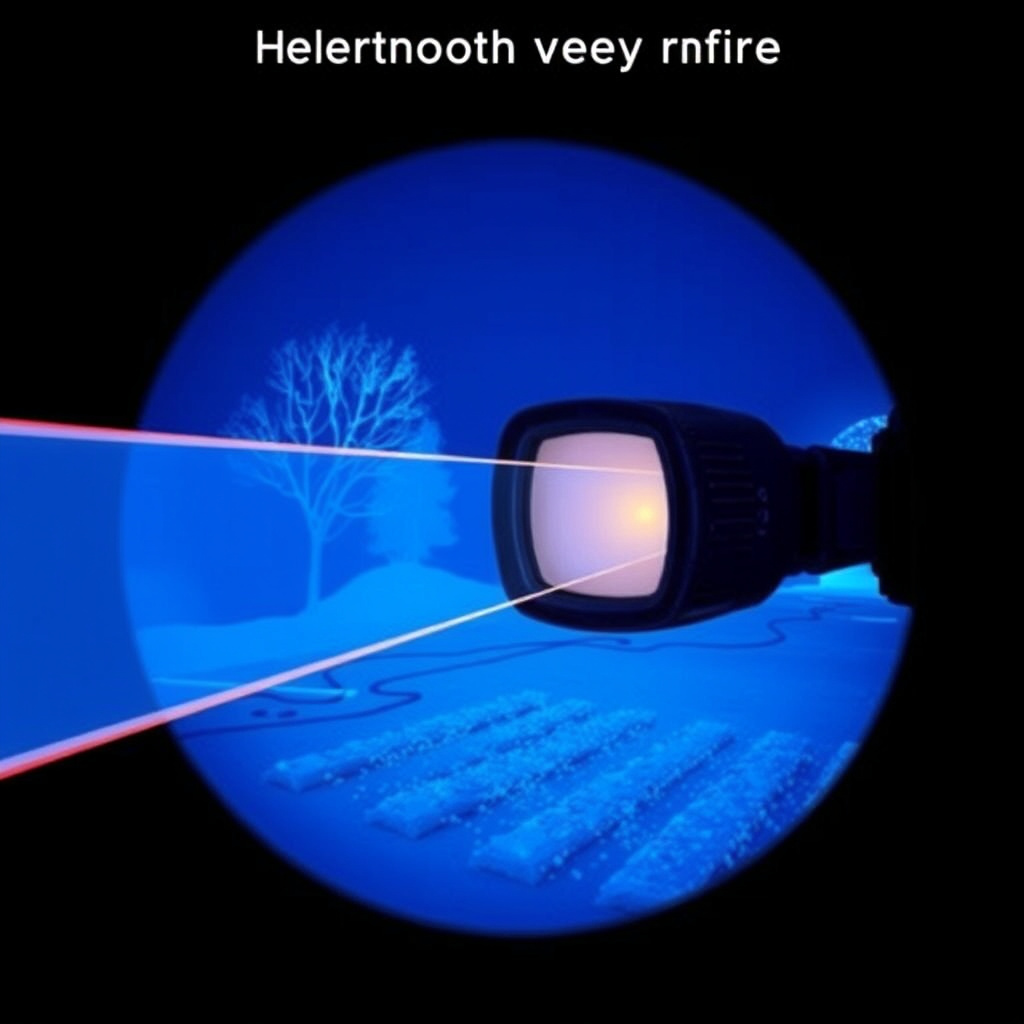
Image Intensifier Tubes
The core of traditional night vision devices is the image intensifier tube. This technology amplifies ambient light, including near-infrared wavelengths, to produce a visible image on a phosphor screen. Ambient light entering the device is converted into electrons which are then multiplied and reconverted into visible photons.
Image intensifier tubes allow for passive operation without the need for an external infrared light source, making devices lightweight and easy to use. Later generations improved resolution, brightness, and reduced noise, rendering clearer nighttime images.
- Amplifies weak ambient light
- Converts photons to electrons and back
- Produces green-hued images for visual clarity
Active Infrared Night Vision
Active infrared systems use an infrared light source to illuminate the environment. The night vision device captures reflected infrared light to generate an image. This approach works in total darkness but requires carrying infrared illuminators, which can reveal the user's position.
Such devices were common in early night vision technology, but today they are less popular due to advancements in passive systems. However, active infrared remains useful in certain applications, such as covert surveillance in controlled scenarios.
- Requires infrared illuminator
- Effective in absolute darkness
- Illuminator can expose user’s location
Evolution of Night Vision Technology
Generations of Night Vision Devices
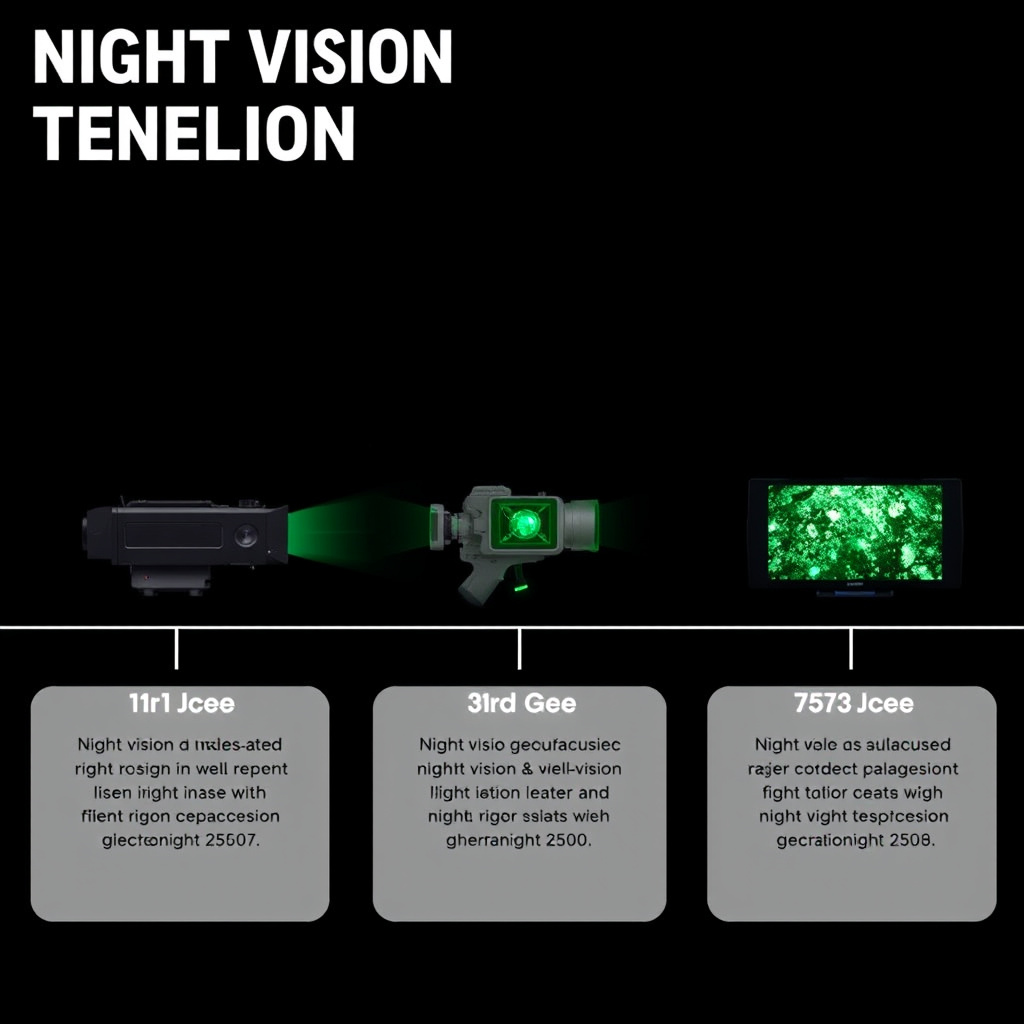
Night vision devices have evolved through multiple generations, each introducing technological improvements. First-generation devices used basic image intensifiers with lower resolution and limited sensitivity. Second-generation devices introduced microchannel plates to amplify electrons more effectively, resulting in clearer images.
Third-generation devices improved photocathode materials and tube design, offering the highest resolution and performance under low light. These advancements extended battery life and reduced image distortion, making devices highly reliable for military and professional use.
- Gen 1: Basic image intensification
- Gen 2: Introduction of microchannel plates
- Gen 3: Advanced photocathodes and resolution
For more on this, see our related guide: When Were Night Vision Goggles Invented? A Historical Overview.
Digital Night Vision and Modern Innovations
Digital night vision employs sensors similar to digital cameras using CMOS or CCD technology to capture low-light images. These devices offer advantages such as recording capability, adjustable settings, and integration with other digital systems.
Modern night vision tools often combine thermal imaging with traditional image intensification to provide better detection and identification. The integration of these technologies has broadened night vision applications beyond the military to wildlife monitoring, security, and search and rescue.
- Uses digital sensors for image capture
- Allows video recording and transmission
- Combines thermal and image intensification for enhanced vision
Applications of Night Vision Devices
Military and Law Enforcement Uses
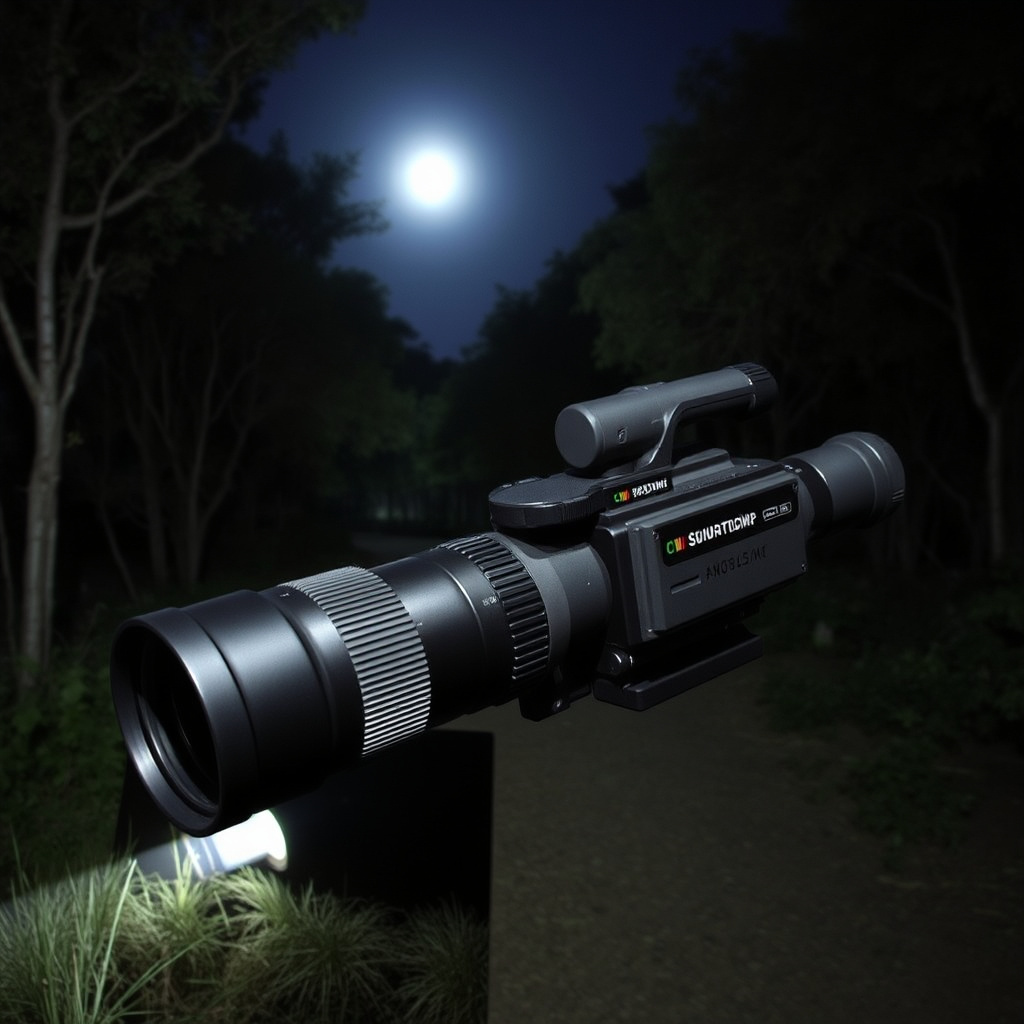
Night vision technology provides tactical advantages by enabling operations in low-light or no-light conditions. Militaries use night vision for surveillance, navigation, target acquisition, and combat, significantly increasing operational capabilities after dark.
Law enforcement agencies employ night vision for patrols, search and rescue, suspect tracking, and covert operations, making it a vital tool for enhancing safety and effectiveness during night tasks.
Civilian and Recreational Applications
Beyond defense, night vision is popular in wildlife observation, hunting, and outdoor exploration. It allows users to observe nocturnal animals without disturbing them and safely navigate terrain after sunset.
Security personnel and homeowners also use night vision cameras and goggles to enhance nighttime surveillance. The expanding availability of affordable devices has increased civilian access to this technology.
Choosing the Right Night Vision Device
Factors to Consider When Buying Night Vision
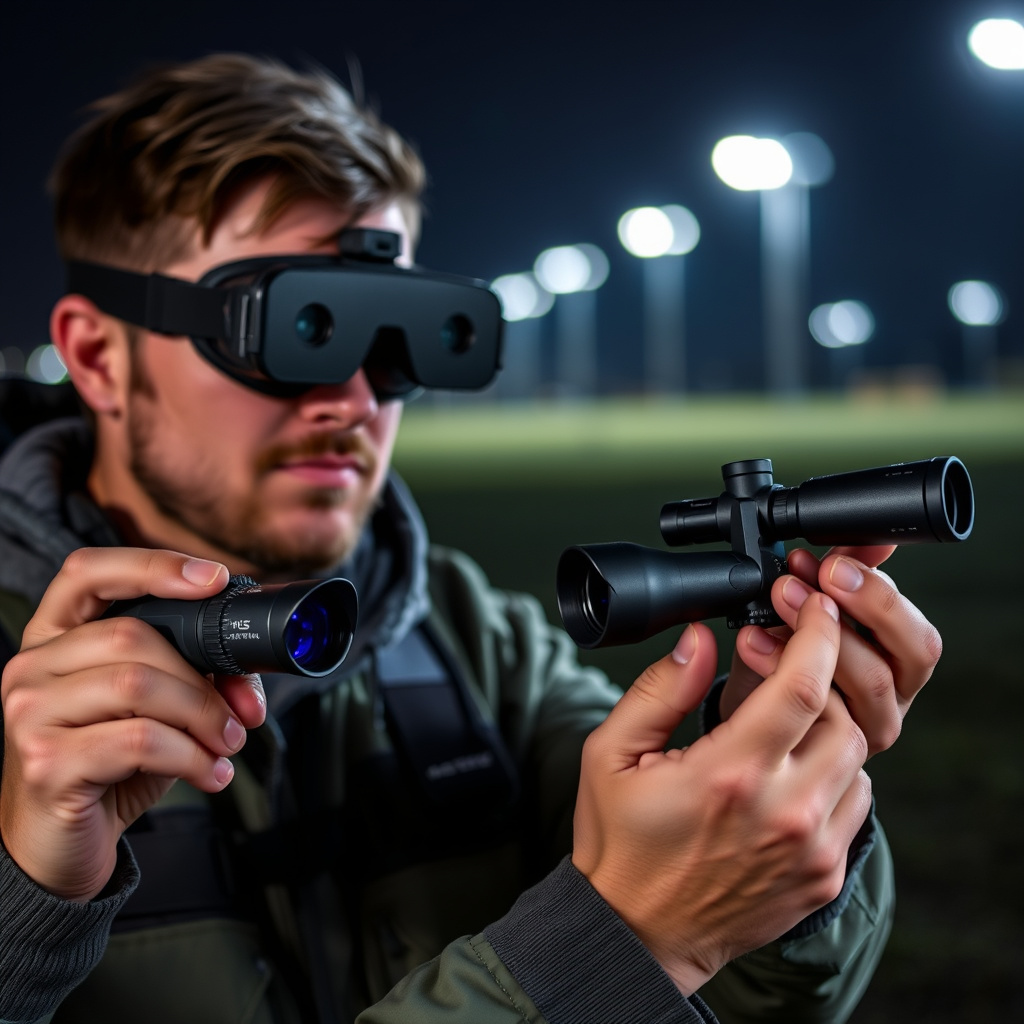
Selecting the appropriate night vision device involves considering image quality, device generation, weight, battery life, and intended use. Higher-generation devices offer better clarity but come at increased cost. Battery life is crucial for extended use in the field.
Form factor is another key decision; monoculars offer portability, goggles provide hands-free use, and scopes integrate with weapons for targeting. Understanding the environment and operational needs will guide the best choice.
- Image resolution and clarity
- Battery longevity
- Device weight and comfort
- Intended use case
For more on this, see our related guide: When Was Night Vision Invented? A Complete Historical Overview.
Comparing Night Vision Device Types
Monoculars are lightweight and ideal for quick observation but offer limited depth perception. Goggles provide binocular vision and hands-free operation but can be heavier and pricier. Weapon scopes combine night vision with aiming systems but usually lack versatility for other tasks.
Digital devices may include additional features like video recording, while analog image intensifiers provide superior image quality under most conditions. Balancing features and budget is key to finding the optimal night vision device.
- Monocular: compact and portable
- Goggles: hands-free and binocular
- Scopes: target-oriented but specific
- Digital vs. analog trade-offs
Maintenance and Legal Aspects of Night Vision
Caring for Your Night Vision Equipment
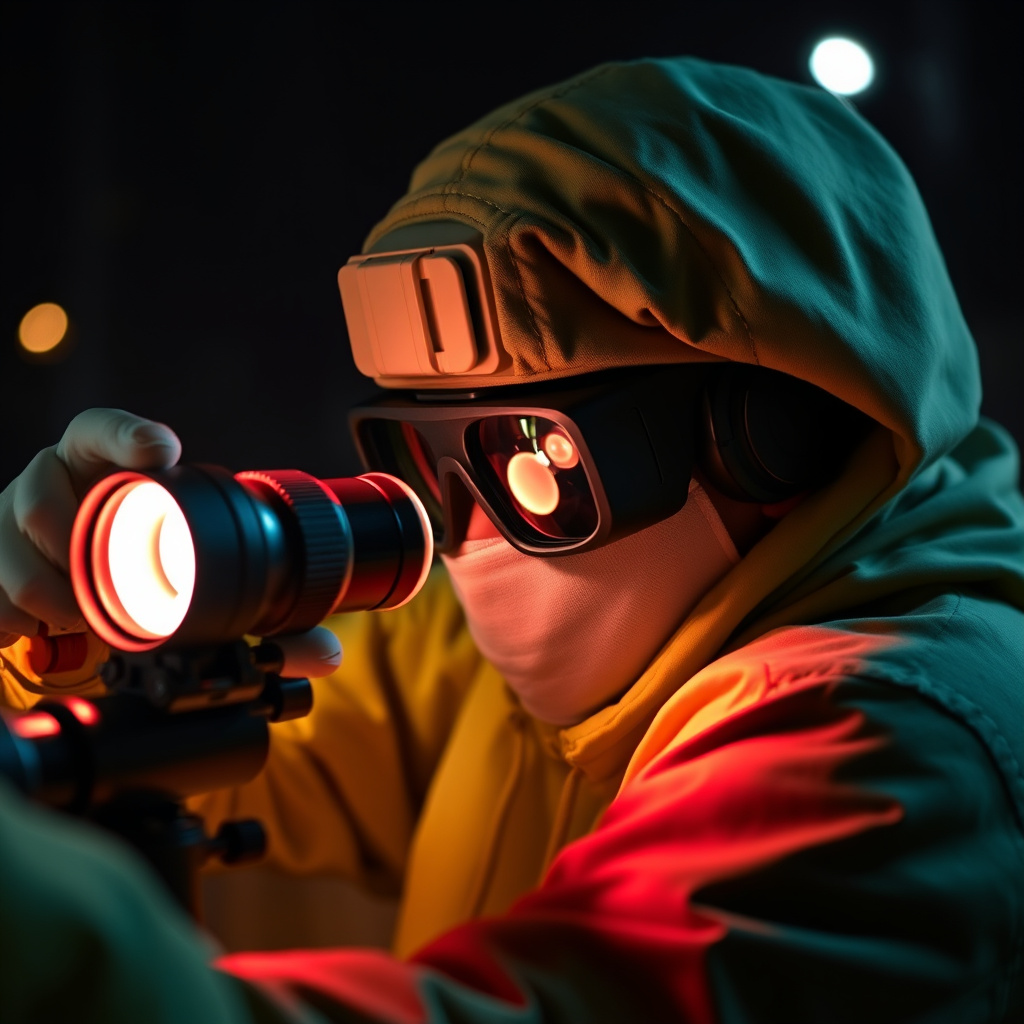
Proper maintenance extends the lifespan of night vision devices. Cleaning lenses with appropriate cloths, storing devices in dry environments, and protecting them from strong light exposure will prevent damage to the sensitive components.
Regularly checking battery condition and handling the tubes with care avoids costly repairs. Many devices also require periodic calibration to maintain image quality.
- Lens cleaning with microfiber cloth
- Avoid exposure to direct bright light
- Store in dry, padded containers
- Check and replace batteries regularly
To explore more about the origin and advancements in night vision technology, see the detailed overview provided by Wikipedia on night vision. night vision technology history.
Legal Regulations Surrounding Night Vision
Night vision devices are regulated in many countries due to their potential military or law enforcement applications. Some jurisdictions restrict civilian ownership or require permits, especially for higher-generation devices.
Purchasing, exporting, or using night vision may also be subject to international laws. Buyers should research local regulations to avoid legal complications.
Comparison of Night Vision Device Categories
The following table highlights key features of common night vision device types to help compare their strengths and weaknesses.
| Category | Image Quality | Portability | Battery Life | Typical Cost | Primary Use |
|---|---|---|---|---|---|
| Monocular | Medium | High | 6-8 hours | $500-$1,200 | Observation and casual use |
| Goggles | High | Medium | 4-6 hours | $1,500-$3,500 | Hands-free operations |
| Weapon Scopes | High | Low | 4-6 hours | $2,000-$4,000 | Target acquisition |
| Digital Devices | Variable | Medium | 8-10 hours | $1,000-$2,500 | Recording and surveillance |
| Thermal-Night Vision Hybrid | Very High | Low | 4-5 hours | $4,000-$10,000 | Specialized tactical use |
Frequently Asked Questions
Who is officially credited with inventing night vision technology?
Hungarian physicist Kálmán Tihanyi is widely credited as a pioneer who invented foundational concepts of night vision technology with his early 20th-century infrared-sensitive imaging patents.
How do modern night vision devices differ from the original designs?
Modern night vision combines image intensification, digital sensors, and thermal imaging, providing higher resolution, better sensitivity, and versatile applications compared to early analog infrared systems.
Are night vision devices legal for civilian use?
Legality varies by country and device generation; some regions require permits for ownership or restrict high-generation night vision for civilians to prevent misuse.
What are the main types of night vision devices available today?
The primary categories include monoculars, goggles, weapon scopes, digital night vision devices, and hybrid thermal-night vision systems, each optimized for specific tasks.
How long do night vision device batteries typically last?
Battery life depends on the device type and technology but generally ranges from four to ten hours, with digital devices often lasting longer due to efficient power management.
Key Takeaways
- Kálmán Tihanyi invented the foundational night vision technology in the early 1900s.
- Night vision devices use image intensification or active infrared to create visible images in darkness.
- Devices have evolved through multiple generations, improving clarity and usability.
- Applications range from military and law enforcement to recreational and civilian surveillance.
Conclusion
Understanding who invented night vision and how the technology developed offers valuable insight for anyone interested in the equipment and its uses. Kálmán Tihanyi’s early work spearheaded devices that convert invisible infrared light into usable images, paving the way for generations of advancements. Today’s night vision products derive from decades of improvements that balance image quality, portability, and power consumption to meet diverse operational environments.
When choosing night vision equipment, it is essential to assess the intended application to select suitable device types—monoculars for portability, goggles for hands-free operation, or scopes for weapon targeting. Users should also consider generation levels, with higher generations providing more refined images at a higher cost. Digital and hybrid devices offer features beyond traditional analog tubes, expanding capabilities for surveillance and recording. Legal and maintenance considerations must not be overlooked to ensure responsible ownership and prolonged device lifespan.
For individuals or organizations exploring night vision technology, starting with a clear understanding of device categories and historical context helps make informed decisions. By matching the device choice to specific needs and adhering to legal regulations, users can harness this remarkable technology safely and effectively. Further research into products and expert advice will facilitate choosing the right night vision equipment for successful nighttime visibility.