How Would the Police Begin a Criminal Investigation: Step-by-Step Process Explained
The police typically begin a criminal investigation by responding quickly to a reported incident, securing the scene, and gathering initial facts from witnesses or victims. Officers aim to preserve evidence, prevent further harm, and record their first observations to build a foundation for the case. Within the first minutes and hours, these actions determine the trajectory of the investigation and can be pivotal for solving the crime.
Understanding how the police begin a criminal investigation sheds light on law enforcement’s step-by-step approach. Proper police investigation procedures ensure that critical evidence is documented, the rights of both victims and suspects are respected, and the investigation can proceed efficiently with minimal errors.
This article will break down each stage, from the first moments an officer arrives to the systematic procedures that follow. We’ll discuss scene management, evidence collection, interviews, technology’s role, decision-making, and how different types of crimes may alter the investigative process so you can better understand what happens behind the scenes.
Initial Response: What Police Do First
Securing the Scene
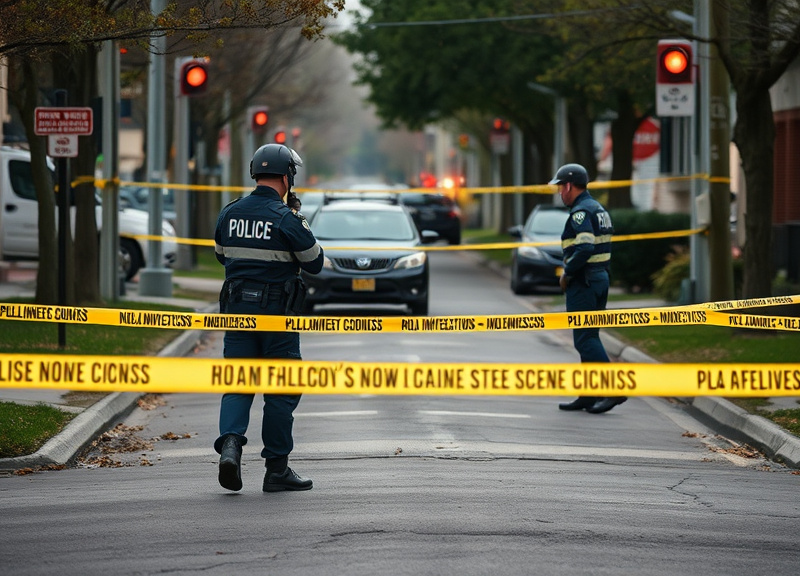
The very first priority for responding officers is to ensure the safety of everyone present and prevent further crimes. They will immediately secure the area by setting up barriers or police tape, checking whether suspects are still nearby, and making sure victims receive medical help if needed.
By controlling entry and exit points, police maintain the integrity of the scene, reducing the risk of evidence being disturbed. Officers carefully keep track of everyone who enters or leaves to preserve the potential chain of custody necessary for prosecution.
- Establish barriers or police tape
- Check for ongoing threats
- Document all arrivals and departures
Gathering Initial Information
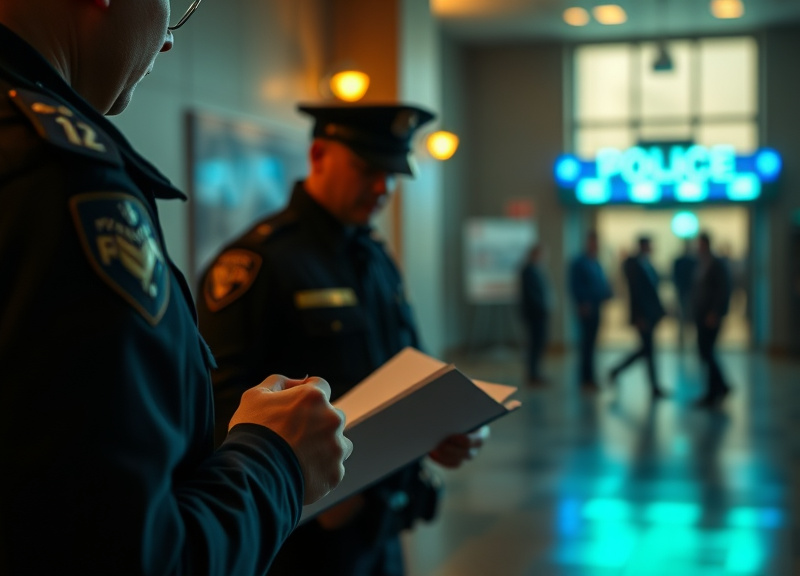
Officers quickly collect statements from eyewitnesses, victims, or first informants before memories fade. They log the time, precise location, and observable evidence, often using quick sketches, photographs, or audio recordings.
Accurate initial reports set the groundwork for successful police investigation procedures. Detailed firsthand accounts and early documentation are crucial for clarifying timelines and catching inconsistencies.
- Interview witnesses and victims
- Take photos or make sketches
- Record observations immediately
Evidence Collection and Preservation
Physical Evidence Handling
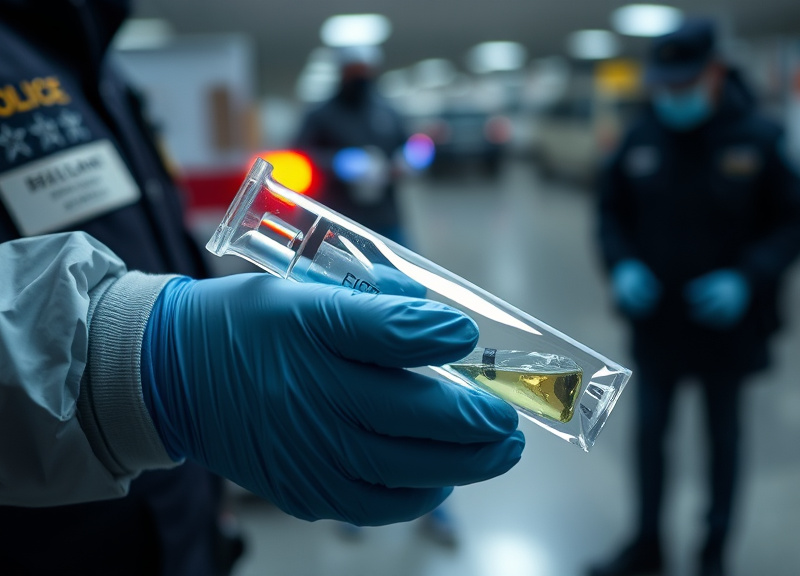
After the scene is secured, investigators collect physical evidence, such as fingerprints, blood samples, weapons, or personal belongings. Proper chain of custody is maintained to ensure that no evidence is contaminated or tampered with.
Each item is photographed in its original location, labeled with an evidence marker, and bagged using appropriate materials. These careful steps help ensure evidence remains admissible in court.
- Wear gloves and use clean tools
- Label and bag each piece separately
- Create an evidence log
Digital and Trace Evidence
Beyond physical objects, investigators look for digital evidence, like cell phones, computers, and surveillance footage. Tech teams might recover deleted messages or track online activity relevant to the case.
Trace evidence—fibers, hairs, or microscopic particles—may also provide leads. These materials require specialized collection and analysis, often in a forensic laboratory setting.
Witness Interviews and Suspect Identification
Interview Techniques
Detectives conduct structured interviews with witnesses, victims, and potential suspects, focusing on accuracy and objectivity. They use open-ended questions to encourage detailed answers and often revisit witnesses as new information surfaces.
Building rapport and taking careful notes during these interviews is essential. Audio or video recordings are sometimes made to preserve the integrity of statements and detect later discrepancies.
Identifying and Tracking Suspects
Early in the investigation, police develop a list of potential suspects using information gathered at the scene or from witnesses. They may use photo line-ups, sketches, or surveillance footage to confirm identifications.
Once a suspect is identified, further investigation includes checking criminal records or tracing their movements to connect them with the crime. Careful documentation builds the basis for probable cause.
- Review surveillance footage
- Conduct line-ups or show-ups
- Check known associates
Deploying Investigative Technology
Forensics and Laboratory Analysis
Collected evidence such as DNA, fibers, or drugs is sent to crime labs for analysis. Advanced forensic techniques can often pinpoint connections that aren’t visible to the naked eye, including matching genetics or chemical profiles.
Quick turnaround from forensic labs can be decisive, especially in major cases. The integration of police investigation procedures with sophisticated technology has transformed criminal investigation efficiency.
Digital Investigative Tools
Modern investigations heavily rely on digital tools, from software that maps crime patterns to cell phone forensics. Investigators might recover messages, GPS data, or call records using specialized legal protocols.
Digital evidence plays a role in nearly every major case today. Properly securing and analyzing these sources is critical for building solid cases and refuting potential alibis.
Case Building and Documentation
Organizing Evidence and Reports
All collected evidence, interview notes, and investigative steps must be organized into a coherent case file. This documentation supports future prosecution by creating a clear, chronological story that a jury can follow.
Frequent collaboration with prosecutors ensures that the case meets legal standards. The clarity and thoroughness of police documentation often dictate the strength of a case.
- Chronological timelines
- Photo and evidence logs
- Detailed narrative reports
Obtaining Warrants and Legal Authority
Investigators may need search or arrest warrants to legally obtain evidence or detain suspects. These require sworn affidavits outlining probable cause, reviewed by judges or magistrates.
Following police investigation procedures for warrants ensures that the investigation is both thorough and legally sound, preventing future challenges in court.
Following Up: Arrest, Charging, and Continuing Investigation
Making Arrests and Filing Charges
Once sufficient evidence is gathered, police may arrest suspects and file initial charges in consultation with the district attorney's office. The decision to arrest is based on probable cause, but not necessarily on having every detail resolved.
This is often the point where the public first becomes aware of the investigation, but key police work continues behind the scenes to tie up loose ends.
- Consult with prosecutors
- Document probable cause
- Announce charges if appropriate
For further in-depth reading on investigative steps, this overview of basic police investigative procedures provides additional context. Basic police investigative procedures.
Ongoing Investigation and Adjustments
Criminal investigations rarely end at the time of arrest. Police continue to gather evidence, interview witnesses, and build a stronger case as the legal process unfolds.
Ongoing investigative steps may reveal new suspects or exonerate the accused, requiring flexibility and persistence from investigators. The final steps reflect the thoroughness of initial police investigation procedures.
- New evidence follow-up
- Re-interview witnesses as needed
- Test evidence in court
Stages of a Criminal Investigation: Category Comparison
This table provides a side-by-side look at various stages in a police investigation, highlighting major tasks, primary personnel, and typical challenges faced in each.
| Stage | Main Objective | Key Personnel | Common Challenges |
|---|---|---|---|
| Initial Response | Secure scene & ensure safety | Patrol officers | Crowd control, volatile situations |
| Evidence Collection | Preserve physical/digital evidence | Forensic techs, investigators | Contamination, missing items |
| Witness Interviews | Gather detailed statements | Detectives | Inconsistent memories, uncooperative witnesses |
| Suspect Identification | Establish persons of interest | Detectives, analysts | Lack of leads, mistaken IDs |
| Case Building | Document and organize evidence | Investigators, prosecutors | Incomplete records, legal errors |
| Charging/Arrest | Formally accuse and detain suspects | Officers, legal counsel | Insufficient evidence, legal challenges |
Frequently Asked Questions
How long does a police criminal investigation typically take?
The duration depends on the complexity of the crime. Minor cases may resolve in days, while major or complex cases, such as homicide or fraud, can take weeks, months, or even years to thoroughly investigate.
What kind of evidence do police look for first at a crime scene?
Police prioritize physical trace evidence most likely to be lost or contaminated, such as footprints, fingerprints, fluids, or weapons, and quickly document the scene using photographs and notes to preserve the facts and environment.
Can a police investigation proceed without witness cooperation?
Yes, although witness statements are valuable, police can base investigations on physical, digital, or forensic evidence. They sometimes use other leads, security footage, or data when witnesses are unwilling or unavailable.
When do detectives become involved in a police investigation?
Detectives typically join the investigation after the initial response, once major crimes, suspicious circumstances, or the need for advanced police investigation procedures is established and more detailed, ongoing work is required.
Are all steps in a police investigation always followed?
While there is a standardized approach, the specifics may vary depending on the crime’s urgency, resources available, or evolving situations. Some cases may skip steps or circle back to ensure a thorough outcome.
Key Takeaways
- Police investigations begin by securing the scene and collecting immediate facts.
- Evidence collection and interview methods are methodical and follow strict procedures.
- Technology and forensic analysis play crucial roles throughout the investigation.
- Ongoing documentation and flexibility ensure investigations adapt to new developments.
Conclusion
The decision-making process in a criminal investigation is both methodical and dynamic. Law enforcement officers rely on proven, structured procedures combined with adaptive thinking. From the very first response at a crime scene, investigators take crucial steps to protect evidence, develop leads, and set legal foundations for the entire inquiry. The emphasis on procedure ensures that each stage can withstand scrutiny and ultimately supports the goal of achieving justice.
When considering how the police begin a criminal investigation, it's clear that no two cases unfold identically. In incidents involving violent crime, rapid scene security and witness interviews are prioritized, while complex financial investigations might rely heavily on digital evidence and expert analysis. For straightforward property crimes, efficient evidence collection and quick suspect identification lead to faster resolutions. Whatever the scenario, adherence to established police investigation procedures—like thorough documentation, organized case building, and appropriate use of forensic labs—is key to successful outcomes.
If you’re looking to understand or interact with a police investigation, knowing this step-by-step process provides valuable context. Whether you are a potential witness, legal professional, or a member of the public, being aware of the crucial early stages and the rationale behind each decision helps foster cooperation and trust in law enforcement. The process may seem complex, but its careful structure is designed to balance justice, fairness, and community safety.