Why Is Night Vision So Expensive? Understanding the Costs Behind Night Vision Technology
Night vision technology is expensive because it involves sophisticated optics, advanced sensors, and specialized manufacturing processes that require high precision. The complex electronics to amplify low light, specialized materials resistant to harsh environments, and limited production scale all add to the cost.
This technology is critical for military, security, and certain professional uses where clear visibility in near-total darkness ensures safety and mission success. The high demand from these sectors does not fully offset the expensive development and production costs, keeping prices elevated.
This article will explore the technical reasons behind the price of night vision devices, including the core components, manufacturing challenges, and market factors. We will also compare different night vision types and examine why some options cost more than others.
Technical Components Driving Night Vision Cost
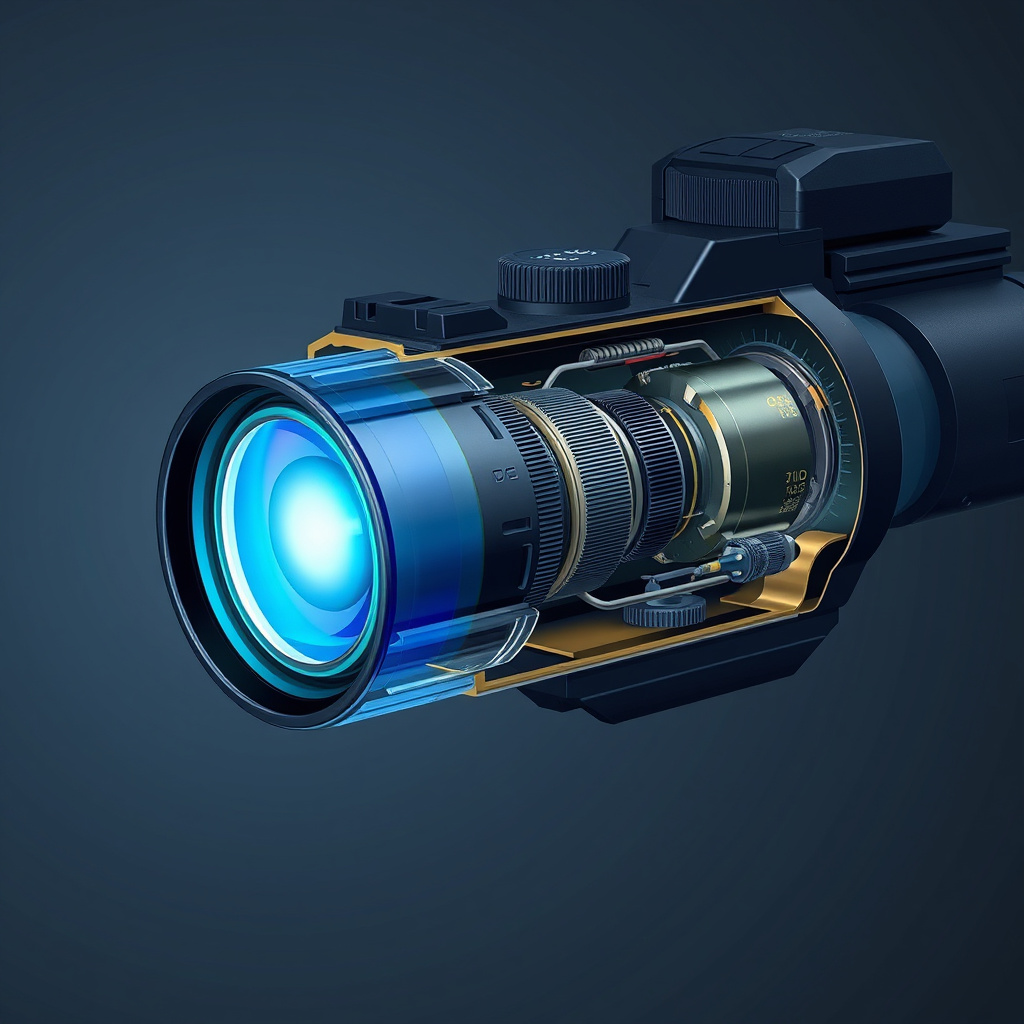
Image Intensifier Tubes
The image intensifier tube is the heart of many night vision devices. It boosts available light by converting photons to electrons, multiplying them, and converting them back to visible light, forming the night image. Producing these tubes requires specialized vacuum technology and rare materials that increase costs significantly.
Each tube undergoes careful calibration and quality control since its performance directly affects image clarity and sensitivity. Minor defects can render tubes unusable, reducing yields and raising prices for fully functional units.
Optical Lenses and Coatings
High-quality optics are essential to focus the intensified image clearly to the wearer’s eye. These lenses need multi-layer anti-reflective coatings and durable materials to resist impacts and environmental exposure, pushing prices higher.
The precision grinding and polishing during lens manufacturing affect the overall clarity and durability, adding extra steps that contribute to the final expense.
Manufacturing and Production Challenges
Low Production Volumes
Night vision devices are typically produced at smaller scales compared to mainstream consumer electronics. The limited market and specialized demand mean manufacturers cannot capitalize on economies of scale.
This scarcity in production keeps raw material purchasing costs relatively high and increases the cost per unit due to overheads and rigorous quality assurance.
Complex Assembly and Testing
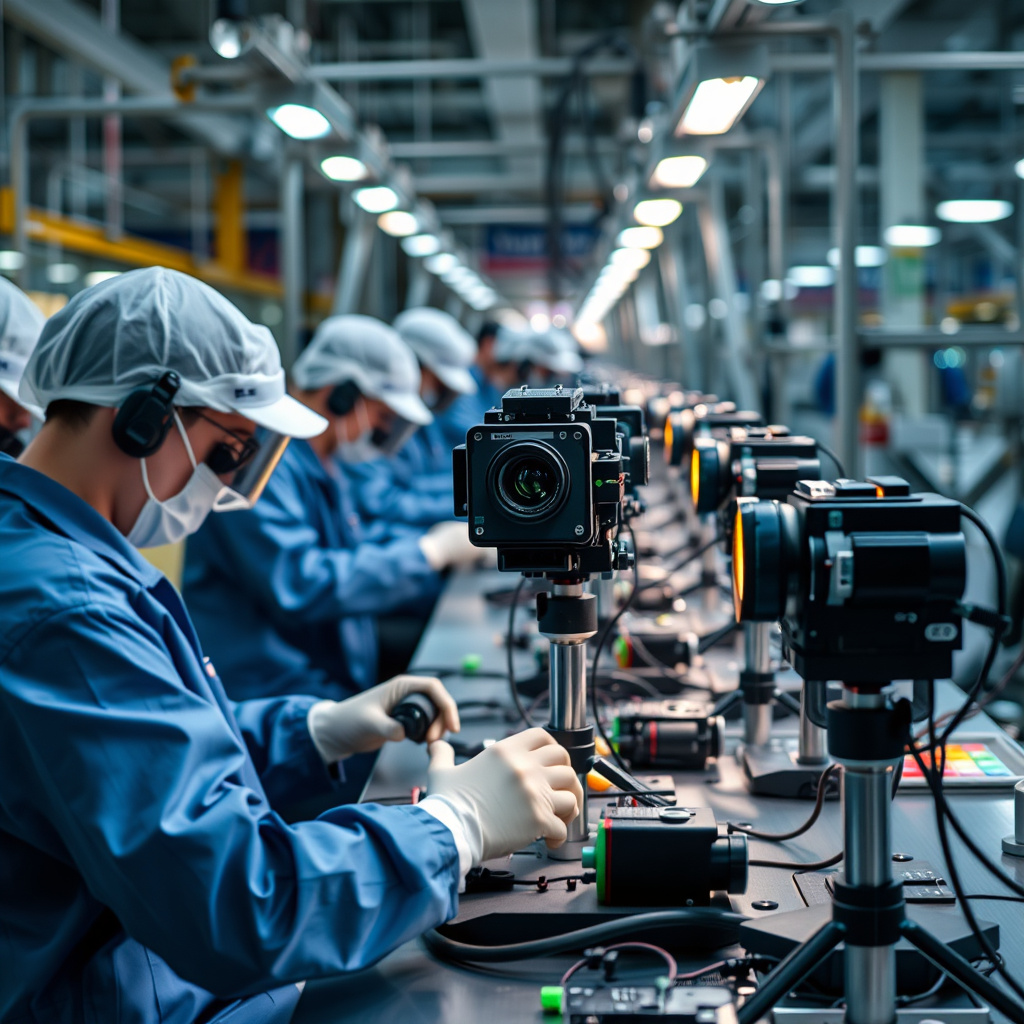
Assembling night vision devices involves precise alignment of optical and electronic parts, requiring expert technicians and specialized equipment. Each unit is individually tested to meet strict performance standards.
This hands-on process slows production speed and drives labor costs up, factors that are reflected in the retail price.
Technology Generations and Their Impact on Price
Generational Differences in Night Vision
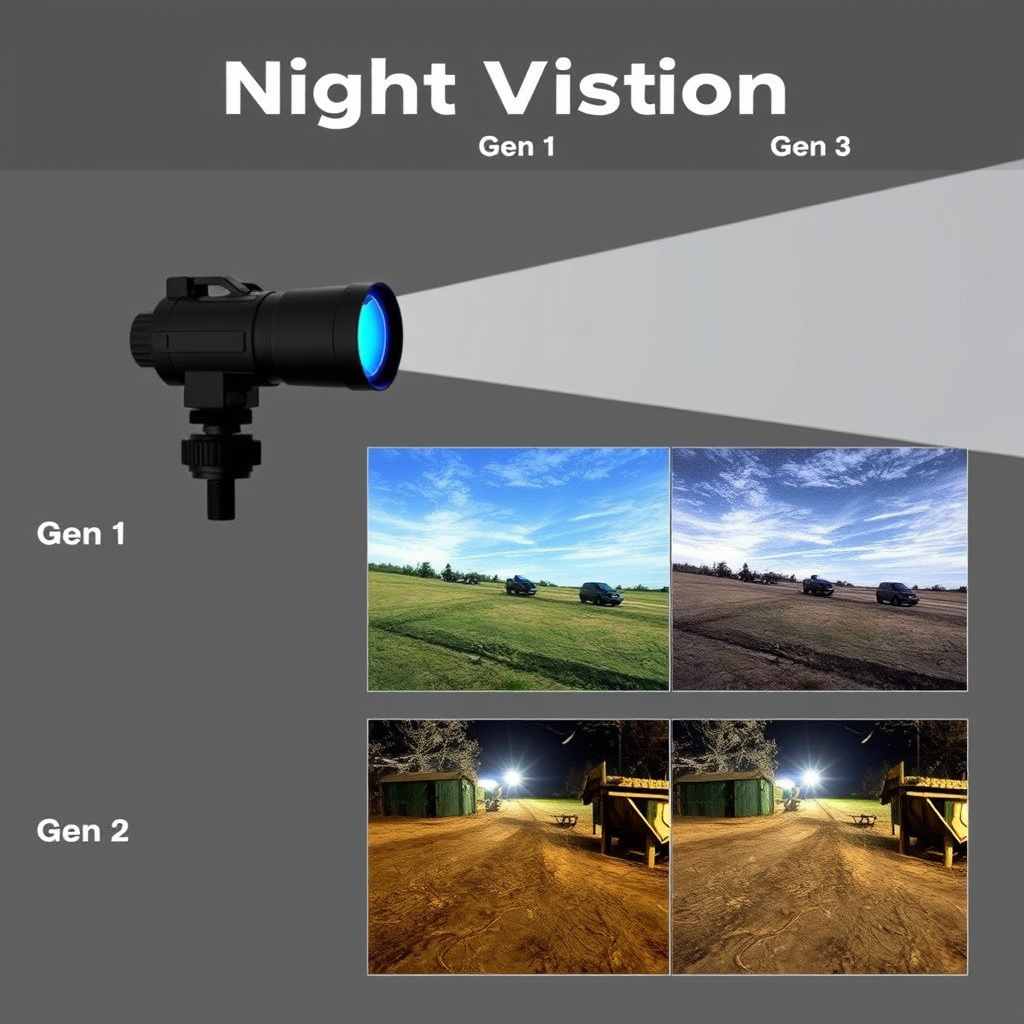
Night vision devices are categorized into generations that indicate their technological maturity and performance level. Gen 1 devices are less expensive but offer lower image quality and lifespan compared to Gen 3, which feature advanced photocathodes and more sensitive tubes.
Each jump in generation introduces cost increases due to more complex technology, specialized materials like gallium arsenide, and improved manufacturing methods.
For more on this, see our related guide: How Much Are Night Vision Goggles? A Complete Cost Guide.
Military and Government Standards
Higher generation devices often meet strict military standards for durability, reliability, and performance, which adds to their cost. Certification procedures and compliance tests can take months and add extra development expense.
This level of quality assurance and ruggedization justifies the price but is also why military-grade devices carry a premium beyond typical consumer night vision equipment.
Market Factors Affecting Night Vision Device Pricing
Limited Competition and Proprietary Technologies
A small number of companies produce the core technologies for night vision, holding many proprietary patents. This limits competition and allows manufacturers to keep prices steady.
New entrants face high barriers due to costly research and the strict regulations governing night vision technology use.
Regulatory and Export Controls
Night vision devices often fall under defense export controls, restricting sales to certain countries. These regulations complicate international distribution and increase logistical and legal expenses.
The administrative burden and required licensing fees are passed along to consumers, contributing to higher retail costs.
Why Night Vision Technology Is Worth the Investment
Life-Saving and Operational Advantages
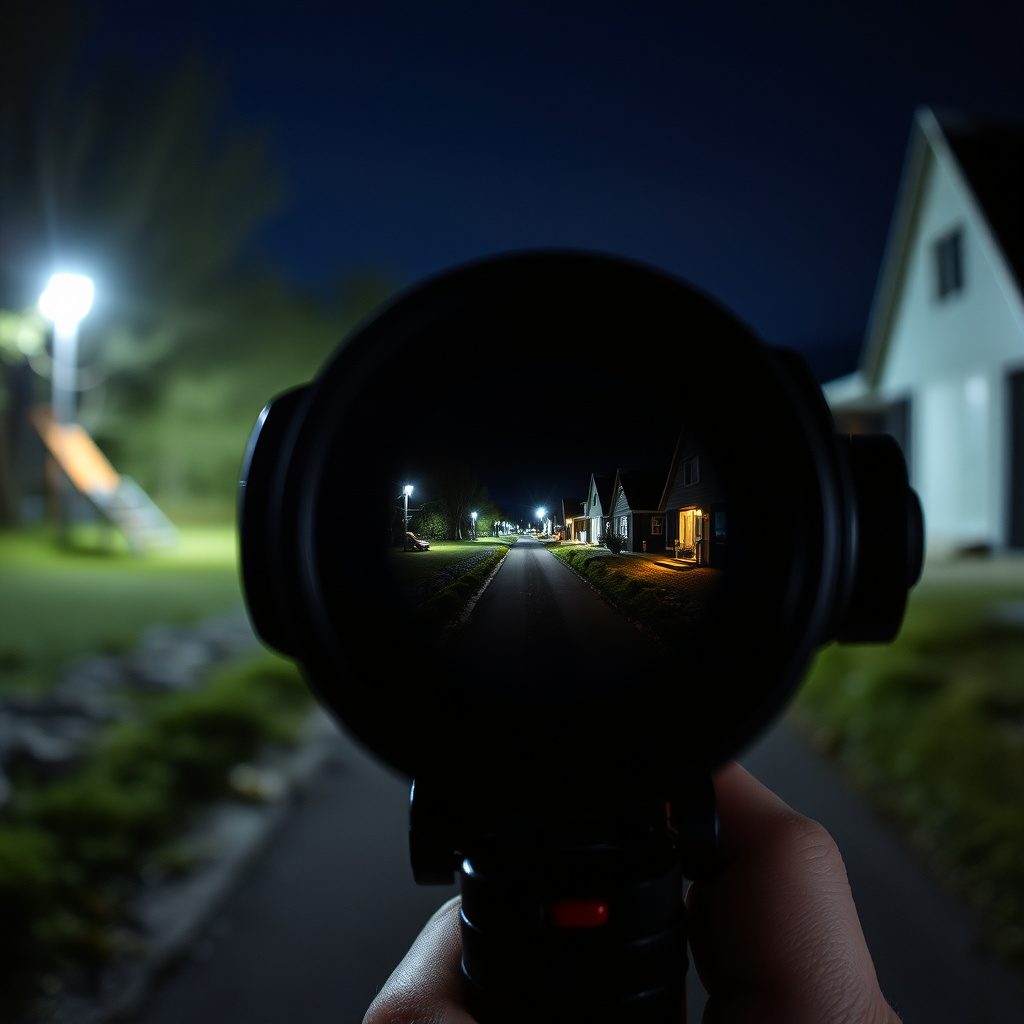
For military personnel, law enforcement, and security professionals, night vision devices provide critical visibility in total darkness, allowing safe navigation and threat identification in hostile environments.
The investment in such devices is justified by the protection and enhanced operational capabilities they provide when ordinary vision fails.
For more on this, see our related guide: Why Is Night Vision Green? Understanding the Science Behind Night Vision Technology.
Long-Term Durability and Reliability
Night vision equipment is designed for repeated use in tough conditions, making longevity an important factor. Quality devices often include warranties and rugged designs that endure harsh weather and rough handling.
This durability reduces the frequency of replacement purchases, justifying the higher upfront price through long-term value.
Understanding Options: Types of Night Vision Devices
Monoculars vs. Goggles vs. Binoculars
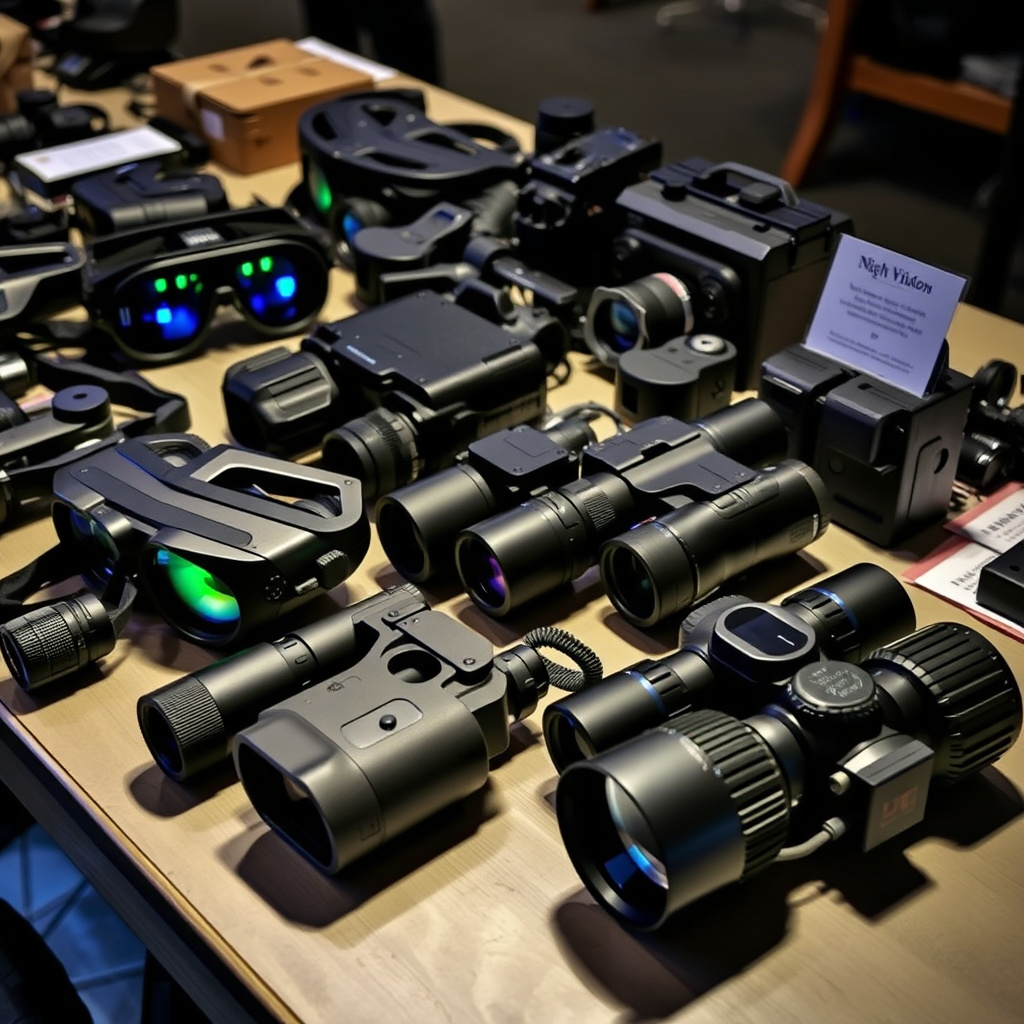
Monocular night vision devices offer a compact, lightweight option favored for short-term observation and scouting, usually costing less due to simpler optics.
Goggles provide hands-free viewing using both eyes with generally better depth perception but at a higher price point. Binoculars offer superior image quality and zoom but are heavier and most expensive.
- Monoculars: lightweight, lower cost
- Goggles: binocular vision, mid-range price
- Binoculars: enhanced quality, highest cost
For a detailed technical background and history, consult this night vision technology overview. night vision technology overview.
Digital Night Vision Alternatives
Digital night vision devices capture and amplify images electronically without traditional image intensifier tubes. They generally have lower costs and can record video, but often sacrifice resolution and low-light sensitivity.
These devices are growing in popularity due to affordability but remain less effective in extremely low light or varying conditions than classic night vision.
Night Vision Device Category Comparison
This table compares common night vision device categories to help you understand differences in cost, performance, and use cases.
| Category | Price Range | Weight | Typical Use | Image Quality |
|---|---|---|---|---|
| Gen 1 Monocular | $200–$600 | Light (5-7 oz) | Casual observation, entry-level | Basic |
| Gen 2 Goggles | $1,500–$3,000 | Medium (10-12 oz) | Security, tactical use | Good |
| Gen 3 Binoculars | $4,000–$8,000 | Heavy (20 oz+) | Military, professional operations | Excellent |
| Digital Night Vision | $100–$800 | Light to medium | General outdoor use, recording | Variable, often lower |
Frequently Asked Questions
Why are military-grade night vision devices more expensive?
Military-grade night vision devices have superior image intensifier tubes, ruggedized construction, and meet strict durability tests, which raises production costs and results in a higher price.
Can I buy night vision devices for personal use?
Yes, many night vision devices are available for civilian use. However, export and local laws may restrict some models, particularly higher generations meant for military applications.
How does digital night vision compare to traditional devices?
Digital night vision is usually less expensive and can record videos, but it offers lower image quality and performance in very low-light conditions compared to traditional image intensifier tube devices.
Does the price of night vision devices reflect their durability?
Generally, higher-priced night vision devices are built for rugged use and come with durable materials and warranties that justify the cost through longer life and reliability.
What maintenance does night vision equipment require?
Night vision devices need careful cleaning, protective storage, and sometimes professional servicing to maintain image clarity and mechanical integrity, consistent with their price and precision.
Key Takeaways
- Night vision's high cost results from complex optics, sensors, and specialized manufacturing.
- Generational technology levels and military standards significantly influence prices.
- Limited production scale and regulatory controls keep prices elevated.
- Choosing the right device depends on usage, budget, and desired image quality.
Conclusion
Determining why night vision is so expensive involves understanding several interconnected factors. The primary cost drivers are the sophisticated image intensifier tubes that amplify light, the precision optics required for sharp vision, and the labor-intensive manufacturing processes that ensure quality and durability. These elements all add complexity and expense beyond typical consumer electronics. Additionally, limited production volumes and strict regulatory controls constrict supply and distribution channels, keeping prices relatively high. A buyer considering night vision technology should weigh these components alongside their intended use case to appreciate how costs translate into performance and reliability.
For users needing night vision for occasional outdoor activities or casual surveillance, Gen 1 monoculars or digital night vision options are affordable entry points that deliver basic functionality. Security professionals and tactical operators often require Gen 2 goggles, which strike a balance between cost and enhanced image quality. Military personnel or serious enthusiasts who demand the best vision and durability tend to opt for Gen 3 binoculars or goggles, which carry significantly higher price tags due to advanced materials and stringent manufacturing standards. Understanding these categories helps buyers target a device that matches both their operational needs and budget constraints.
If you’re considering purchasing a night vision device, start by identifying your primary application and the level of image quality you require. Researching models from reputable manufacturers, paying attention to device generation, warranty coverage, and user reviews will aid in selecting a trustworthy product. Recognizing the reasons behind the price can help set realistic expectations and guide you toward a purchase that balances cost with performance, giving you reliable night vision without surprises.