How Much Are Night Vision Goggles? A Complete Cost Guide
Night vision goggles vary widely in price depending on their generation, features, and intended use, typically ranging from around $100 for entry-level units up to several thousand dollars for military-grade models. Understanding this price spectrum is key when deciding how much you should invest.
The cost differences often stem from the technology involved—Gen 1 devices are affordable but offer limited clarity and range, while Gen 2 and Gen 3 goggles deliver significantly better performance at a higher cost. Factors like image resolution, built-in infrared illuminators, and durability also influence pricing.
This article breaks down the main price categories of night vision goggles, discusses important features tied to cost, and compares options to help you find goggles that fit your budget and purpose, whether for casual use, hunting, or professional applications.
Night Vision Goggles Price Ranges by Generation

Gen 1 Night Vision Goggles
Gen 1 goggles generally cost between $100 and $500. They offer basic night vision capabilities sufficient for casual use and some entry-level hunting scenarios. These devices usually have a limited detection range of around 75 to 100 yards and lower image clarity.
While affordable, Gen 1 models often require ambient light to work effectively and may include built-in IR illuminators to compensate in total darkness. However, their shorter lifespan and susceptibility to image distortion under bright conditions are common drawbacks.
- Price range: $100-$500
- Range: ~75-100 yards
- Basic resolution and image quality
- Infrared illuminator often included
Gen 2 Night Vision Goggles
Priced typically between $1,000 and $3,000, Gen 2 night vision goggles offer a noticeable jump in image quality, sensitivity, and durability. Their detection range can extend up to 200 yards, making them popular among hobbyists and serious hunters.
These models use improved image intensifier tubes with microchannel plates, delivering clearer images and better performance in low-light settings without much dependence on infrared aids.
- Price range: $1,000-$3,000
- Range: up to 200 yards
- Higher resolution and sensitivity
- Longer lifespan tubes
High-End Night Vision Goggles and Specialty Models
Gen 3 and Gen 4 Goggles
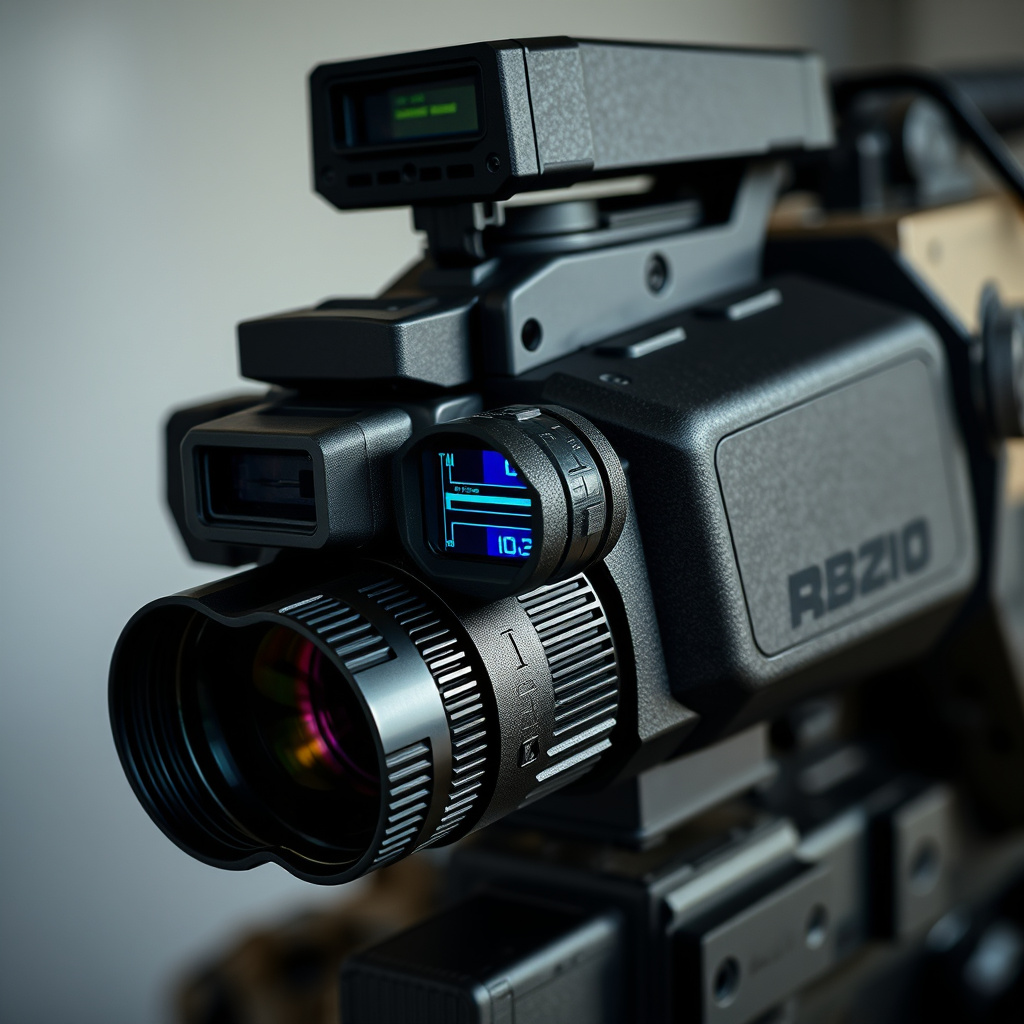
Gen 3 goggles, ranging from $3,000 up to $7,000 or more, are the choice for professionals requiring top-tier night vision performance. They feature extremely sensitive tubes with gallium arsenide in their photocathodes, providing excellent image detail and range exceeding 300 yards.
Though Gen 4 technology improves on Gen 3 by removing ion barriers and extending tube life, these models are rare, expensive, and primarily used by military or law enforcement.
- Price range: $3,000-$7,000+
- Range: 300+ yards
- Superior image quality and clarity
- Enhanced tube life and low halo effect
Digital Night Vision Goggles
Digital night vision goggles use sensors instead of image intensifier tubes and typically cost between $300 and $1,500. They function well in various lighting conditions, offer features like video recording, and are less sensitive to bright light than analog models.
While generally providing lower image quality compared to Gen 2 or 3 analog devices, digital goggles are popular for recreational users and those wanting budget-friendly night vision with modern conveniences.
- Price range: $300-$1,500
- Uses digital sensors
- Includes features like recording
- Better in mixed lighting but lower resolution
Factors Affecting Night Vision Goggles Price
Image Clarity and Range
The resolution of the intensifier tube and maximum detection range strongly impact the cost. Models with higher clarity allow identification of smaller details at greater distances, appealing to hunters and security professionals.
Cheaper goggles often compromise on these aspects, providing grainier images suitable only for general navigation or observation rather than detailed recognition.
For more on this, see our related guide: How Much Are Night Vision Goggles? Real-World Costs Explained for Every Budget.
Build Quality and Additional Features
Durable housing that resists water, fog, and shock raises the price, benefiting users who operate in tough environments. Other enhancements like adjustable lenses, integrated infrared illuminators, and adjustable brightness controls also add to cost.
Some night vision goggles include digital overlays, heads-up displays, or connectivity options to smartphones, attracting buyers who seek more than basic night vision capabilities.
Buying Night Vision Goggles for Hunting

Why Night Vision Matters for Hunting
Night vision goggles enable hunters to track animals and navigate terrain in low-light or nighttime situations where standard optics fail. Choosing goggles with enough range and clarity is critical for ethical and successful hunting.
Models in the Gen 2 category or higher tend to suit hunting needs better because they balance affordable pricing with sufficient performance to spot game at a distance.
Top Picks for Best Night Vision Goggles for Hunting
Popular choices often include mid-range Gen 2 devices offering reliable image quality and enough durability for rugged use. Some digital models may appeal to hunters seeking features like video recording.
Brands specializing in hunting optics frequently provide night vision goggles with ergonomic designs and accessory options tailored to hunters’ preferences.
Where to Buy Night Vision Goggles and Warranty Considerations
Retail and Online Shopping Options
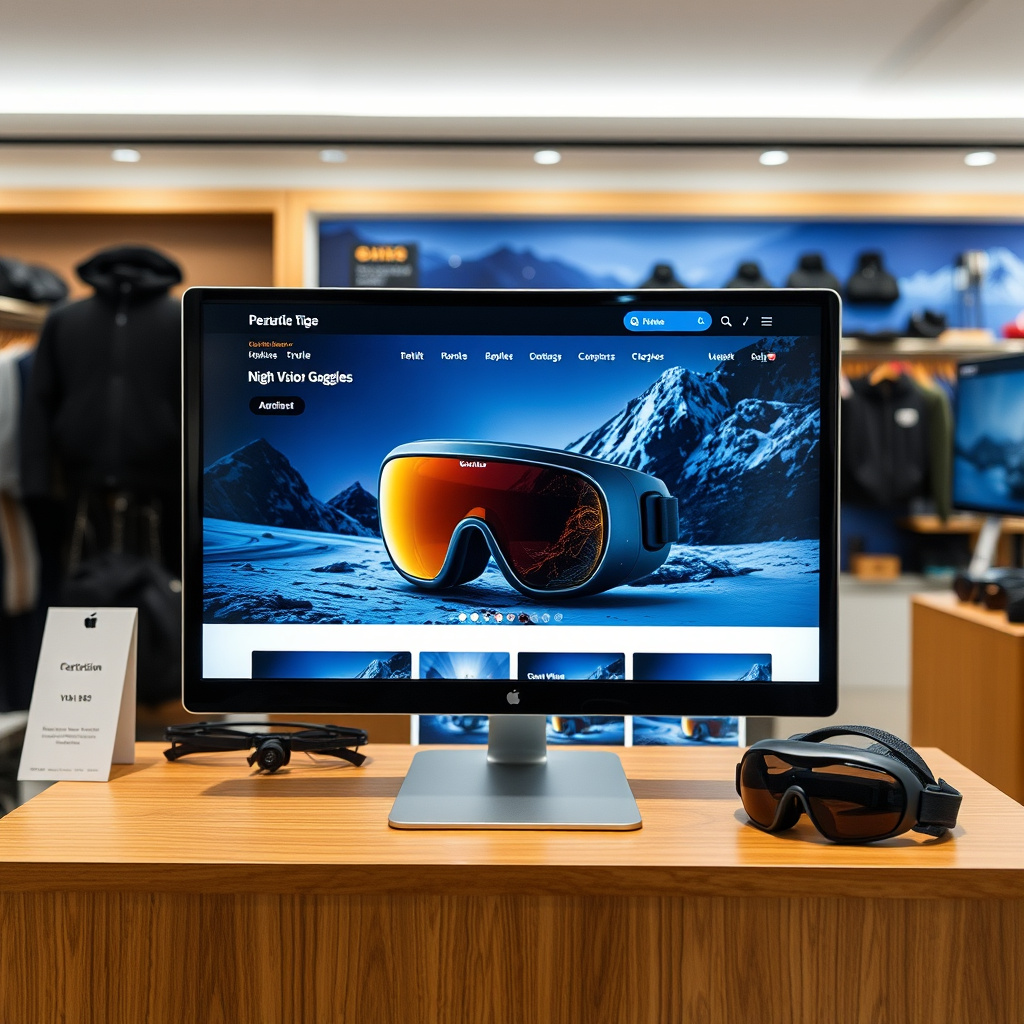
Night vision goggles are available through specialty outdoor retailers, directly from manufacturers, and on major e-commerce platforms. Buying from reputable sellers ensures warranty support and product authenticity.
Prices can vary between channels, and seasonal sales or promotions may offer opportunities for savings.
For more on this, see our related guide: When Were Night Vision Goggles Invented? A Deep Dive Into Their Origin and Evolution.
Understanding Warranty and Support
Extended warranties and service plans add upfront cost but can protect against tube failures and other malfunctions, which are expensive to fix. Evaluate warranty terms carefully before purchase.
Some manufacturers offer tube replacement guarantees or product registration benefits, which add long-term value even at higher purchase price points.
Maintaining Night Vision Goggles to Maximize Value
Proper Handling and Storage
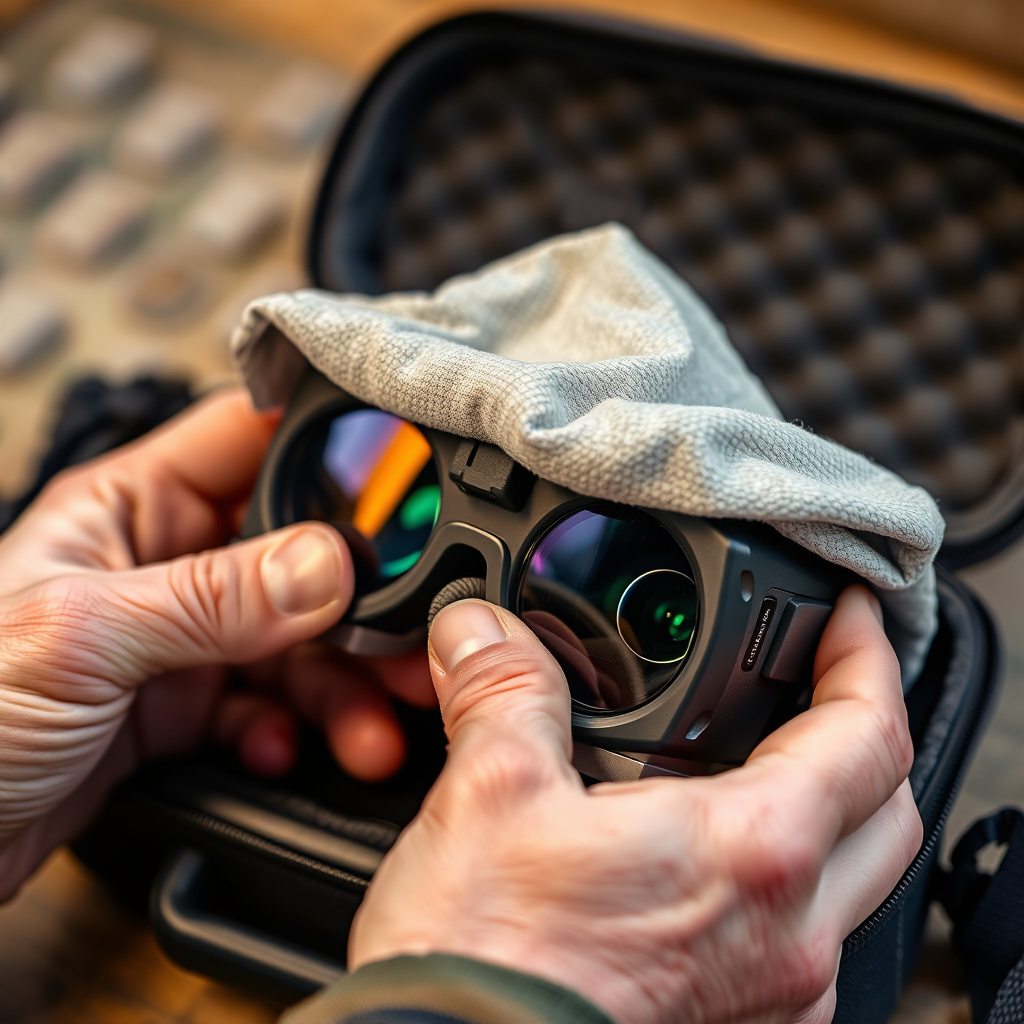
Protecting night vision goggles from moisture, direct sunlight, and shocks preserves their function and reduces repair costs. Store devices in padded cases and avoid exposure to harsh environments.
Routine checks for lens cleanliness and alignment help maintain optimal image quality and extend device lifespan.
For a detailed background on how night vision technology works, refer to this night vision technology overview. night vision technology overview.
Routine Maintenance Tips
Cleaning lenses with appropriate cloths and avoiding harsh chemicals prevents damage. Replace batteries promptly to avoid leaks that can harm internal components.
When not in use, powering the device off and covering lenses minimizes wear and accidental damage.
- Use lens cleaning cloths
- Avoid chemical cleaners
- Replace batteries regularly
- Store in protective case
Night Vision Goggles Category Comparison
Here is a quick overview comparing key night vision goggle categories by price, performance, and typical applications.
| Category | Price Range | Typical Range | Image Quality | Best Use Case |
|---|---|---|---|---|
| Gen 1 | $100-$500 | Up to 100 yards | Basic clarity; sensitive to light | Casual observation, entry hunting |
| Gen 2 | $1,000-$3,000 | Up to 200 yards | Good clarity; better low light | Hunting, wildlife observation |
| Gen 3 | $3,000-$7,000+ | 300+ yards | Excellent clarity; professional grade | Military, law enforcement, advanced hunting |
| Digital | $300-$1,500 | Variable, up to 150 yards | Good in mixed light; lower resolution | Recreational use, budget hunting |
Frequently Asked Questions
Are night vision goggles legal to buy and use?
Yes, in most countries night vision goggles can be legally purchased and used for recreational or professional purposes, but some places restrict their use in certain activities like hunting. Always check local laws before buying.
What is the difference between Gen 1, Gen 2, and Gen 3 goggles?
Gen 1 goggles are basic and affordable with limited range and clarity. Gen 2 improves image quality and range through better tubes, while Gen 3 offers top-tier performance with advanced tube technology ideal for professional use.
Do digital night vision goggles work better than traditional ones?
Digital goggles function well across varied lighting, often include extra features, and tolerate bright lights better. However, analog Gen 2 and 3 devices generally provide sharper, more natural images.
How do infrared illuminators affect night vision goggles?
Infrared illuminators emit invisible light that enhances viewing in total darkness when ambient light is absent. They increase visibility range but may reveal the user’s presence in tactical situations.
What maintenance do night vision goggles require?
Regular cleaning of lenses, safe storage, timely battery replacement, and avoiding exposure to moisture or sunlight are key steps to keep night vision goggles functioning well over time.
Key Takeaways
- Night vision goggles prices range widely from $100 to over $7,000 based on generation and features.
- Gen 2 goggles offer a balance of price and quality, making them popular for hunting and serious hobby use.
- Digital night vision is a budget-friendly alternative with distinct advantages but typically lower resolution.
- Maintenance and warranty coverage can protect your investment and extend your device’s life.
Conclusion
Determining how much to spend on night vision goggles requires balancing your budget against desired performance and durability. The generation of the device remains the main cost driver, with Gen 1 suitable for casual use and Gen 3 offering professional-grade performance at a higher price. Evaluating your primary application—be it hunting, security, or recreation—helps narrow down which features and price range make the most sense.
For hunters and wildlife observers, mid-range Gen 2 goggles offer enough range and clarity without the steep costs of Gen 3. Conversely, digital night vision models afford added features and enhanced usability for less money, making them appropriate for users less focused on maximum image resolution. High-end Gen 3 or Gen 4 devices cater to specialized professions requiring dependable performance in challenging environments and extended range.
Before purchasing night vision goggles, consider additional factors like warranty quality, vendor reliability, and post-purchase maintenance practices. Starting with a clear understanding of your needs and available options allows you to select a product that delivers the best value. Trying out different models or consulting with experienced users can also guide your choice toward the right night vision goggles.





One Comment