Why Is Night Vision Green? The Science Behind Green Night Vision Technology
Night vision appears green because the phosphor screens inside night vision devices emit green light, which the human eye can perceive in more detail than other colors. This makes images not only clearer but also causes less eye strain during prolonged use. The underlying technology amplifies available light, converts it into electrons, and then creates a visible image that glows in a green shade.
Color choice truly matters in night vision—green isn’t picked just by chance. The human eye is extremely sensitive to green wavelengths, allowing for sharper contrast and longer observation times without rapid fatigue. In low-light conditions, every advantage counts, and this color maximizes performance for soldiers, police, and wildlife watchers alike.
In this article, we’ll unravel the optics and biology that explain why night vision is green, compare it with alternative color technologies, explain how night vision goggles work, and break down the practical implications of different systems. You’ll also see comparisons of night vision generations, get answers to common questions, and key takeaways to inform your understanding or next purchase.
The Science of Why Night Vision Is Green
Phosphor Screens and Their Color Output
Night vision devices use a phosphor screen coated inside their tubes, which is responsible for the final color of the image. When light is amplified and converted into electrons, these strike the phosphor, causing it to emit photons. Manufacturers select a specific phosphor material that glows in the green part of the spectrum because it produces high contrast and clarity.
Green phosphors also last longer, providing a consistently bright image even with prolonged exposure. This ensures that users can spend hours observing the dark environment with minimal loss of display quality. Ultimately, the decision to use green is both technical and biological.
- Phosphors emit photons when struck by electrons.
- Green phosphor (P22 or P43) is most commonly used.
- High durability and brightness for repeated use.
How the Human Eye Perceives Green
Our eyes contain more green-sensitive cones than other colors, which makes us uniquely adept at distinguishing green details even in low light. The retina’s cells are distributed to optimize sensitivity to wavelengths around 555 nm, which falls squarely in the green part of the spectrum.
This natural advantage is why green displays allow for finer detail perception and reduced eye fatigue. For military, medical, and surveillance applications, sharper contrast and less strain are critical for mission success or safety.
How Do Night Vision Goggles Work? An Inside Look
Light Amplification Process
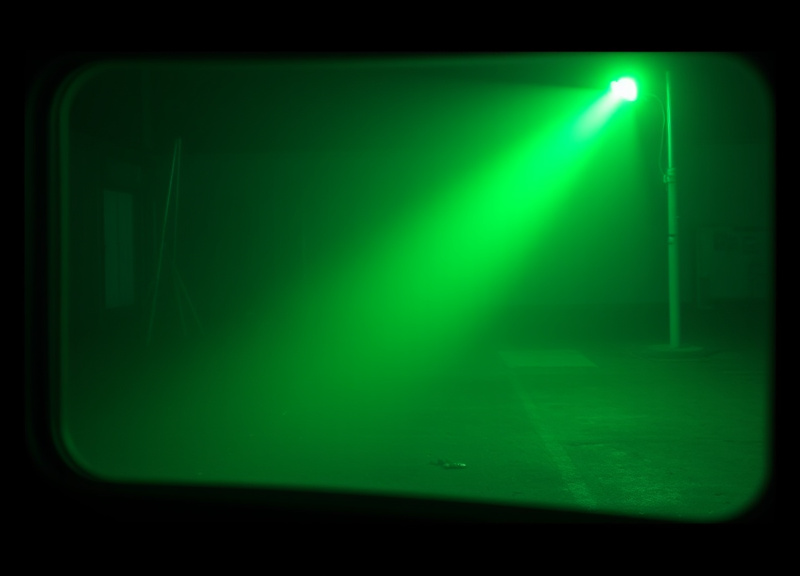
Night vision goggles operate through a clever process that begins by collecting ambient light, even from starlight or distant streetlamps. This light enters the objective lens and strikes a photocathode, which converts photons to electrons.
These electrons are then multiplied using a microchannel plate, greatly amplifying the original signal. The amplified electrons hit the phosphor screen, generating the familiar green image that the user sees through the eyepiece.
- Ambient light capture
- Photon-to-electron conversion
- Electron multiplication
- Image display on green phosphor screen
Advancements in Night Vision Generations

Night vision devices are classified by generations, each bringing technological improvements. Gen 1 relies on simple amplification, Gen 2 introduces a microchannel plate for brighter and clearer images, while Gen 3 enhances signal-to-noise ratio and operates better in near-total darkness.
Gen 4 systems loop in further refinements, reducing halo effects and boosting resolution. The core principle remains green phosphor imaging, but clarity and sensitivity increase with each step up.
Green vs. White Phosphor Night Vision: What’s the Difference?
Pros and Cons of Green Phosphor Systems
Green phosphor technology remains the standard because it maximizes visual sharpness and extends comfortable viewing time in the dark. Users can discern detailed contrasts and maintain focus for long stretches, which is invaluable in tactical or observational roles.
That said, prolonged green viewing can feel unnatural to some, especially during extended operations. The strong color signature is unmistakable, for better and worse.
- Clear, sharp images
- Reduced eye fatigue compared to other colors
- Long history of proven performance
Rise of White Phosphor Night Vision
Recent years have seen a surge in white phosphor night vision devices. These present a grayscale image, offering a more natural feel and improved target detection for some users. White phosphor may make shadows and textures more readily apparent to certain eyes.
While white phosphor comes at a higher price, it’s increasingly popular among special forces and civilian users who prioritize comfort and natural contrast.
- Natural-looking grayscale image
- Increased comfort for some users
- Typically higher cost
Color Night Vision: Is Green Still Reigning Supreme?
Emergence of Digital and Color Night Vision
Digital night vision is breaking new ground by adding color back into low-light imaging. Modern CMOS sensors and image processing allow these systems to produce full-color nighttime images, although performance at truly low light levels still trails analog.
In many scenarios, digital color night vision gives valuable context, helping users distinguish terrain features or read colored signs—a benefit not found in traditional green or white phosphor systems.
- Full-color capabilities at moderate light
- Ideal for wildlife observation
- Lower performance in pitch darkness
Where Green Still Shines
Despite advances, traditional green night vision maintains a clear edge where light is truly limited. Analog amplification and phosphor screens can create a visible image from mere pinpricks of light, where digital sensors fail.
For law enforcement, military missions, and nocturnal navigation in the wild, the time-proven green display delivers reliability at the limits of human perception.
Biological Impacts: Color, Eye Fatigue, and Perception
Why Green Causes Less Eye Fatigue
Long sessions behind night vision can strain the eyes, but green displays minimize that strain. Because the retina is most receptive to green, less effort is required to assemble a detailed picture, preserving both comfort and visual acuity over time.
This advantage translates directly into better focus and situational awareness during prolonged night tasks, contributing to green's ongoing popularity in night vision goggles.
Contrast and Target Identification
Contrast matters crucially in low-light work. Green’s central spot in the visible spectrum ensures that even faint variations in brightness or texture are easily detected. This type of contrast makes it much easier to pick out people, animals, or hazards in shadowy environments.
White phosphor enhances this for some people, but green remains the industry standard for balance between visibility and endurance.
Applications: How the Green Image Serves Different Users
Military and Law Enforcement Operations
Most night vision goggles in military and police applications use green phosphor technology due to its proven visibility and durability. These users depend on rapid, accurate scanning for movement and threats in challenging light conditions.
The ability to maintain focus under pressure is why green remains the overwhelming favorite for nighttime operations where lives are on the line.
- Enhanced threat detection
- Extended use in hostile environments
For further reading on the technology and history of night vision systems, see the comprehensive Wikipedia overview on the subject here: Night vision device. Night vision device.
Wildlife Observation and Outdoor Recreation
Wildlife biologists, hunters, and outdoor adventurers often use devices based on the same green screen principle. Here, the priority is non-disruptive observation and comfort over hours.
Green night vision also enables clear recording of animal behaviors at night, ensuring research continues long after sunset.
- Long, comfortable viewing time
- Ideal for research and observation
Night Vision Technology Comparison
Here’s a quick comparison of the main types of night vision technology, covering their color output, best uses, and relative advantages.
| Type | Color Output | Ambient Light Needed | Best Use Case | Typical Price Range |
|---|---|---|---|---|
| Green Phosphor (Gen 2/3) | Green | Very Low | Military, Law Enforcement | $2,000–$8,000 |
| White Phosphor (Gen 3+) | Grayscale | Very Low | Special Forces, Enthusiasts | $3,500–$10,000 |
| Digital Night Vision | Full Color | Low to Moderate | Wildlife, Recreation | $300–$1300 |
| Thermal Imaging | False Color/Gray | None (senses heat) | Search/Rescue, Detection | $2,500–$12,000 |
| Consumer IR Monocular | Green/Gray | Low to Moderate | Recreation, Security | $150–$600 |
Frequently Asked Questions
Why doesn’t night vision use red or blue colors?
Red and blue phosphors are less efficient for human eyes, offering lower detail and contrast. Green falls at the center of our visual spectrum, ensuring better image clarity and reducing the risk of eye strain over long viewing periods.
Can night vision goggles damage your eyes?
No, standard night vision goggles do not damage your eyes. In fact, green phosphor was selected partly because it causes minimal eye fatigue, allowing users to look through the display longer without discomfort or harm.
What is the difference between green and white phosphor night vision?
Green phosphor night vision provides the classic green display with high contrast, while white phosphor units produce a grayscale image. Many users find white phosphor more natural, but both technologies are highly effective in darkness.
Are digital night vision goggles as good as traditional ones?
Digital night vision goggles offer color images and recording, but require more ambient light and typically have poorer performance in total darkness compared to traditional green phosphor devices, which excel in truly low-light situations.
Why is green considered more comfortable for long-term viewing?
The human eye’s highest sensitivity is in the green spectrum, reducing strain and allowing for sharper imaging without fatigue. This makes green displays ideal for users who must observe their environment for long periods at night.
Key Takeaways
- Night vision is green due to phosphor screens optimized for human eyesight.
- Green displays offer maximum clarity and minimal fatigue in darkness.
- White phosphor and digital options are growing in popularity, but green remains the standard.
- Device type and intended use should guide your night vision technology choice.
Conclusion
Understanding why night vision is green goes beyond a simple palette choice—it's rooted in the science of human vision, phosphor chemistry, and the demands of nighttime applications. The decision optimizes the match between technology and our biology, making low-light images not just visible but clear and easy on the eyes. This synthesis of optic engineering and visual comfort is foundational to every night vision device in civilian, law enforcement, and military hands.
If you're considering a purchase, assess how you'll use the technology. Green phosphor night vision goggles remain exceptionally suited for military, police, and extended observation due to clarity and eye comfort. White phosphor may appeal if you prioritize a natural-looking image, and digital night vision is rapidly improving for recreational or color-focused uses like wildlife viewing. Analyze your needs, environment, and desired level of performance before making a choice.
No matter which system you select, factoring in why night vision is green helps ensure you’ll choose a device that delivers sharp, reliable performance for your chosen purpose. Start by deciding if traditional green or competing technologies align best with your usage scenarios, test before buying if possible, and always prioritize comfort and clarity for your own eyes.





3 Comments