What Is NVG? A Clear Explanation of Night Vision Goggles
NVG stands for Night Vision Goggles, devices that amplify available light to allow humans to see clearly in darkness or low-light environments. These goggles use special sensors to convert faint light into visible images, enabling tasks at night that would otherwise be extremely difficult or impossible.
Night vision goggles are extensively used in military operations, law enforcement, wildlife observation, and nighttime navigation. Understanding NVGs is vital because they provide enhanced situational awareness and safety when natural visibility is limited.
This article covers the technology behind NVGs, their different types, practical applications, key features to look for, and comparisons among models. It will help clarify what goes into making effective night vision goggles and how to choose the right pair depending on specific needs.
How Night Vision Goggles Work
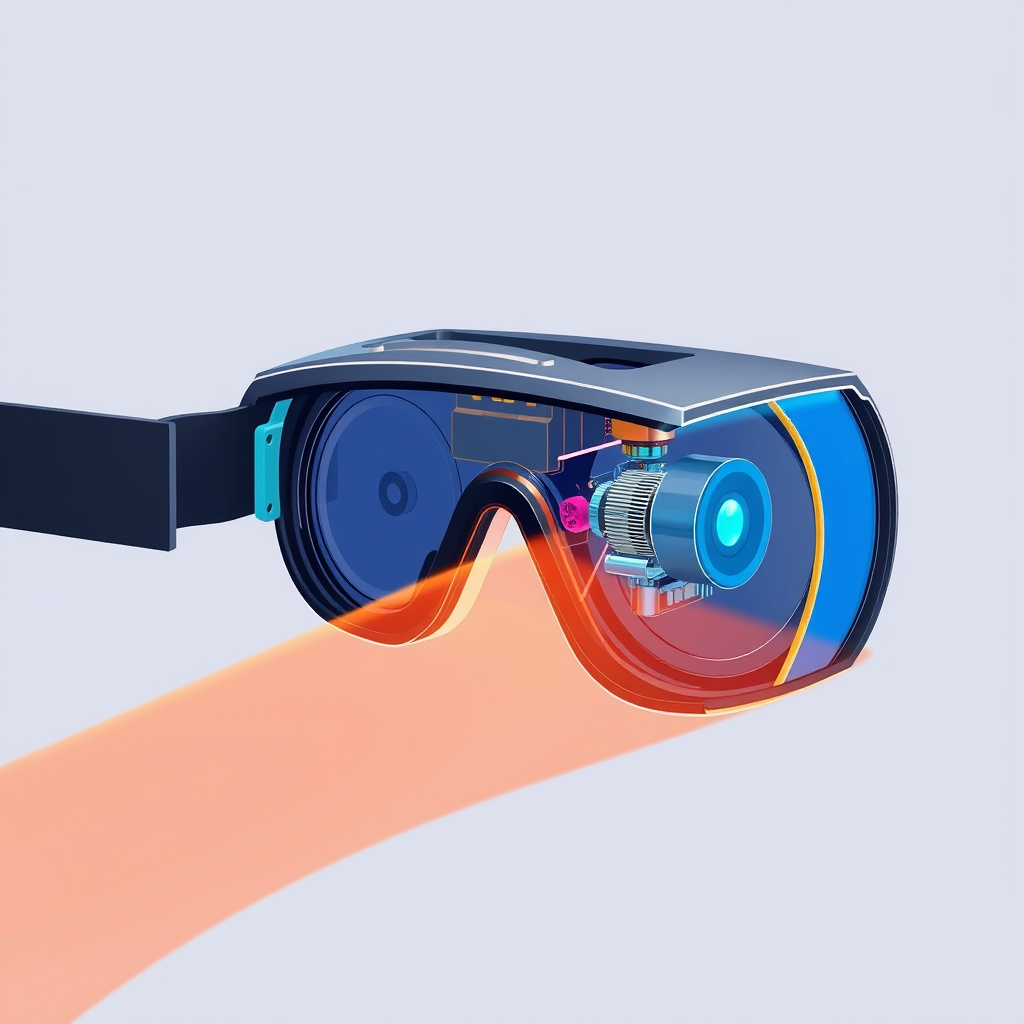
Image Intensification Technology
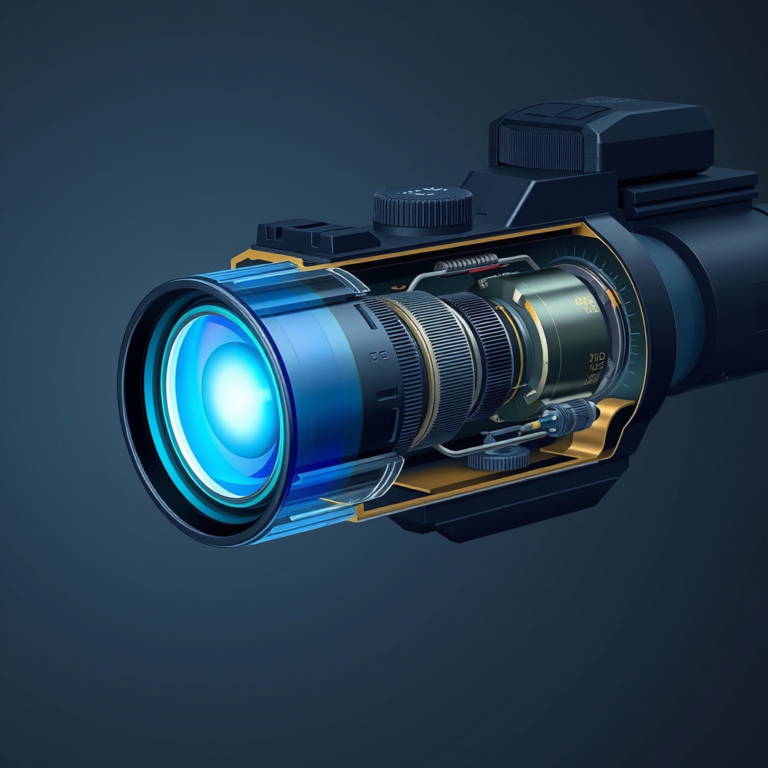
The core technology behind NVGs is image intensification. It collects tiny amounts of ambient light, including near-infrared light, and amplifies it using an image intensifier tube to produce a visible image on a phosphor screen.
This amplification often magnifies light by thousands of times, allowing the user to see in dark conditions with green-hued images typical of many NVGs.
Infrared Illumination
Some NVGs include infrared (IR) illuminators, which emit invisible IR light to illuminate scenes without alerting others. This is particularly useful in completely dark environments where ambient light is insufficient.
The IR illumination is detected by the goggles' sensor, enabling vision without any visible light source.
Types of Night Vision Goggles
Monocular NVGs
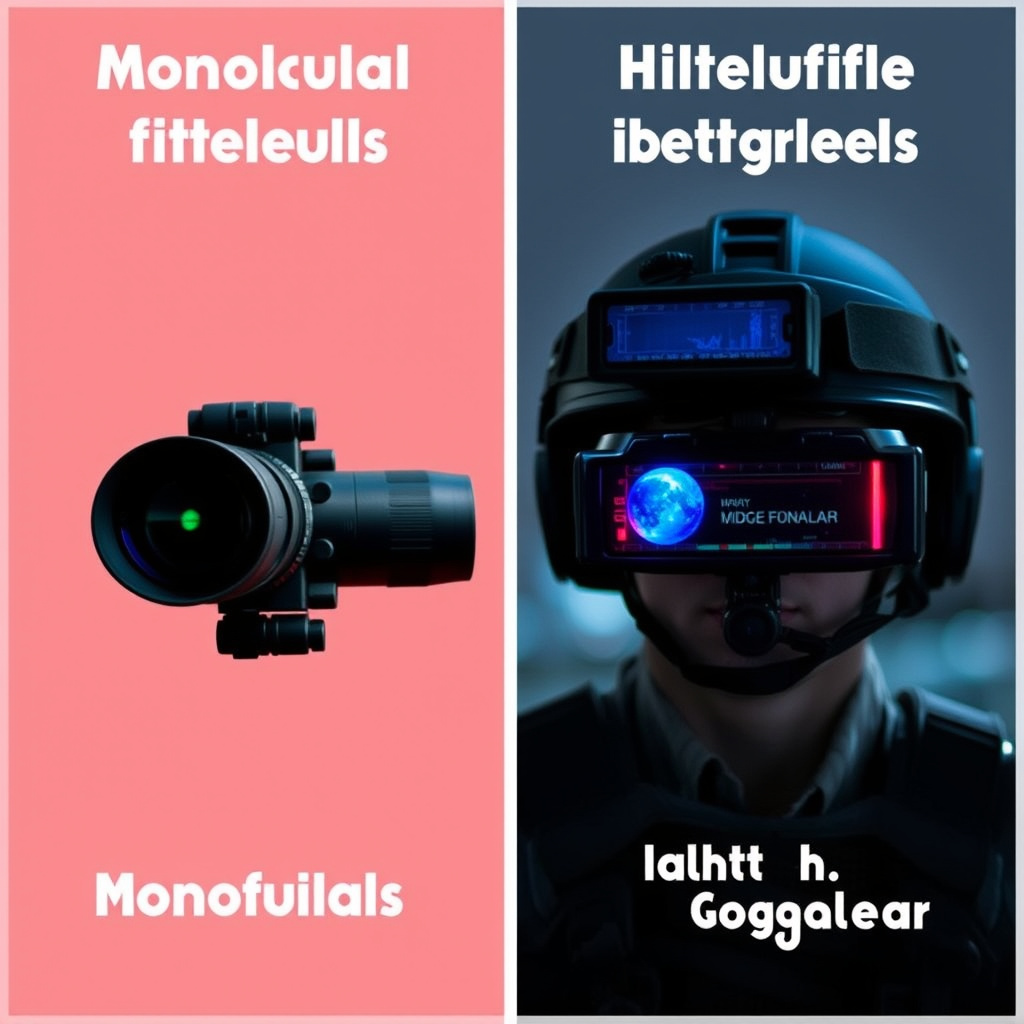
Monocular night vision devices use one eyepiece and are generally lighter and less expensive. They provide a decent field of view and can be handheld or mounted on a helmet.
These devices are ideal for users who need occasional night vision capability without the bulk of binocular models.
Binocular NVGs
Binocular night vision goggles provide stereoscopic vision by using two eyepieces, offering better depth perception and comfort during prolonged use.
They are preferred in military and tactical operations where situational awareness and visual accuracy are critical.
Common NVG Applications
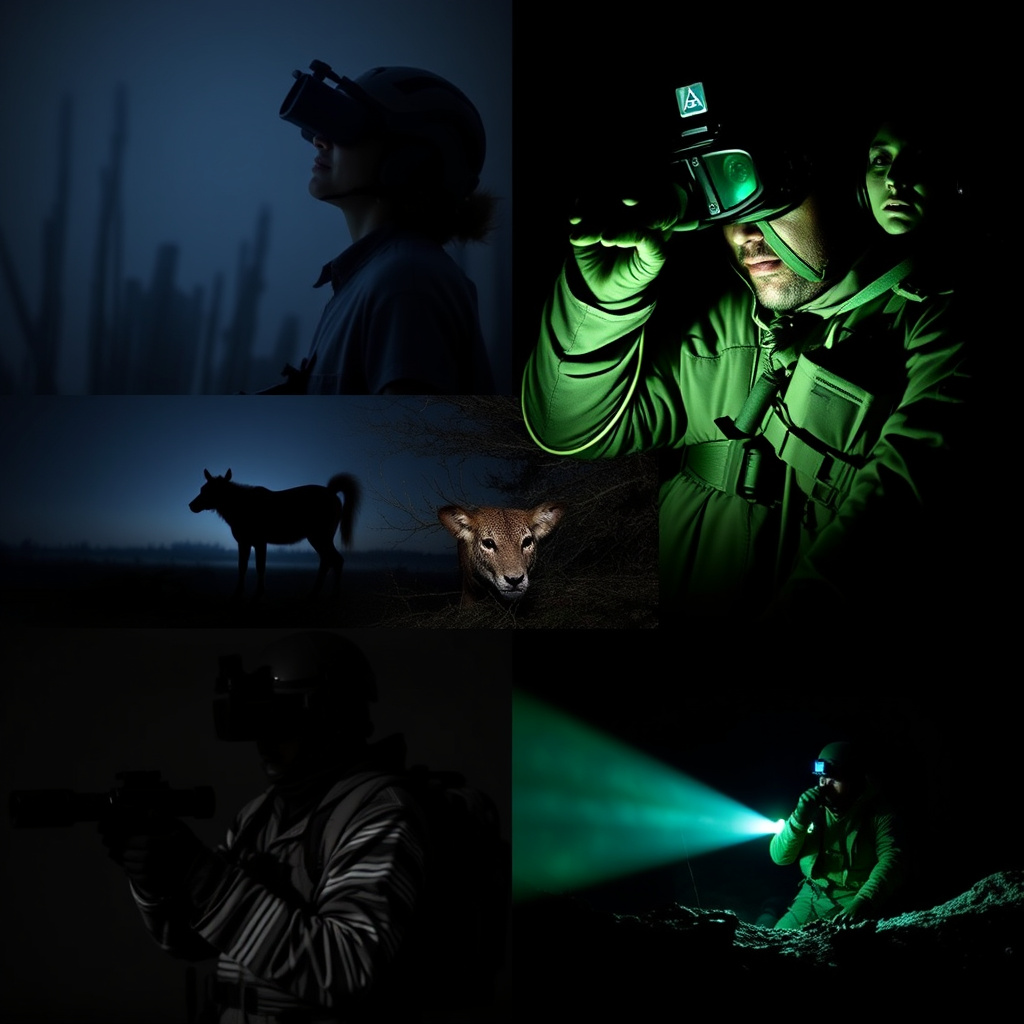
Military and Law Enforcement Use
NVGs are essential for night patrols, surveillance, and combat situations to improve safety and effectiveness by giving users the ability to see threats concealed by darkness.
Their rugged design and reliability under diverse conditions make them indispensable in tactical environments.
For more on this, see our related guide: Do NVGs Block Your Field of View? Understanding Night Vision Goggles Visibility.
Civilian Use Cases
Outside military contexts, NVGs aid hunters, campers, search and rescue teams, and wildlife researchers, providing enhanced vision without artificial lighting.
They help navigate difficult terrain safely or study nocturnal animals without disturbing them.
Choosing NVGs: Features and Specifications
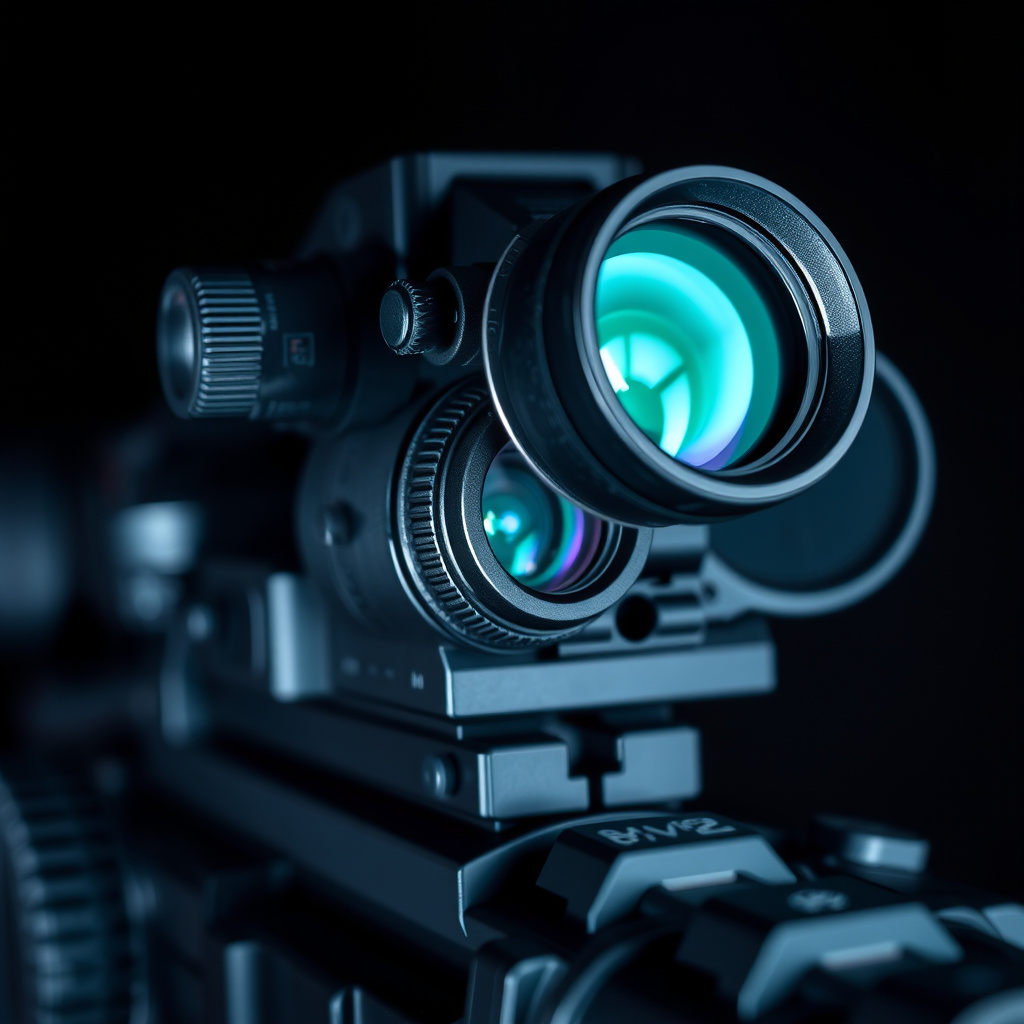
Resolution and Generation Rating
NVGs are classified by generation, from Gen 1 to Gen 3 and beyond, indicating the quality and resolution of the image intensifier.
Higher generation goggles offer clearer images, less distortion, and longer operational life but come at increased cost.
- Gen 1: basic, budget-friendly
- Gen 2: improved clarity
- Gen 3: top performance and durability
Field of View and Magnification
A wider field of view provides better peripheral awareness but may reduce image detail.
Magnification levels vary but usually stay low to balance visibility and navigation ease in nighttime scenarios.
Maintenance and Care of Night Vision Goggles
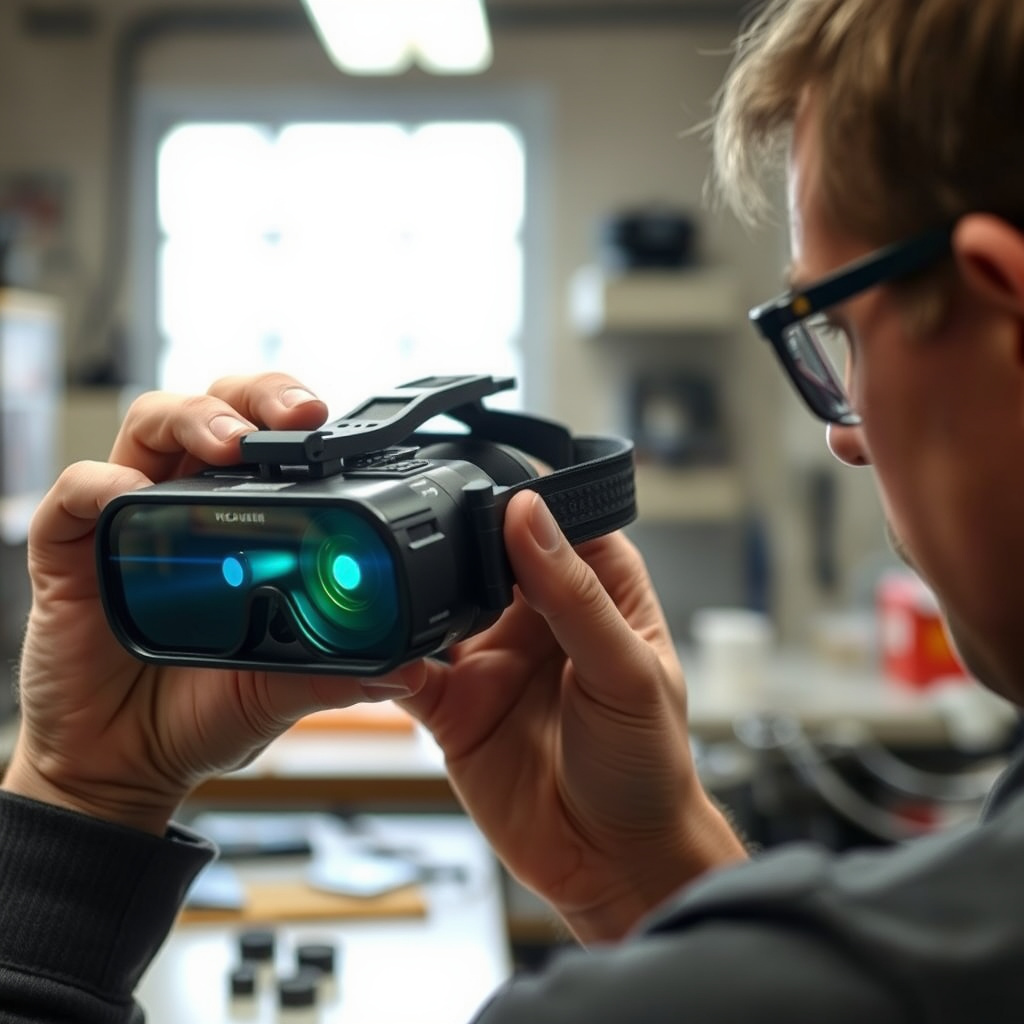
Proper Cleaning Techniques
Cleaning NVGs requires using special lens wipes or fluids to avoid scratching the delicate optics and image intensifier surfaces.
Avoid touching the lenses with bare fingers and store the goggles in protective cases when not in use.
For more on this, see our related guide: What Is Night Vision? Understanding How Night Vision Works.
Battery and Storage Tips
Keeping NVGs powered depends on using the right batteries and turning the device off to preserve battery life when unused.
Store the goggles in dry, cool conditions to prevent moisture damage and use silica gel packs to manage humidity.
Modern Advances in Night Vision Technology
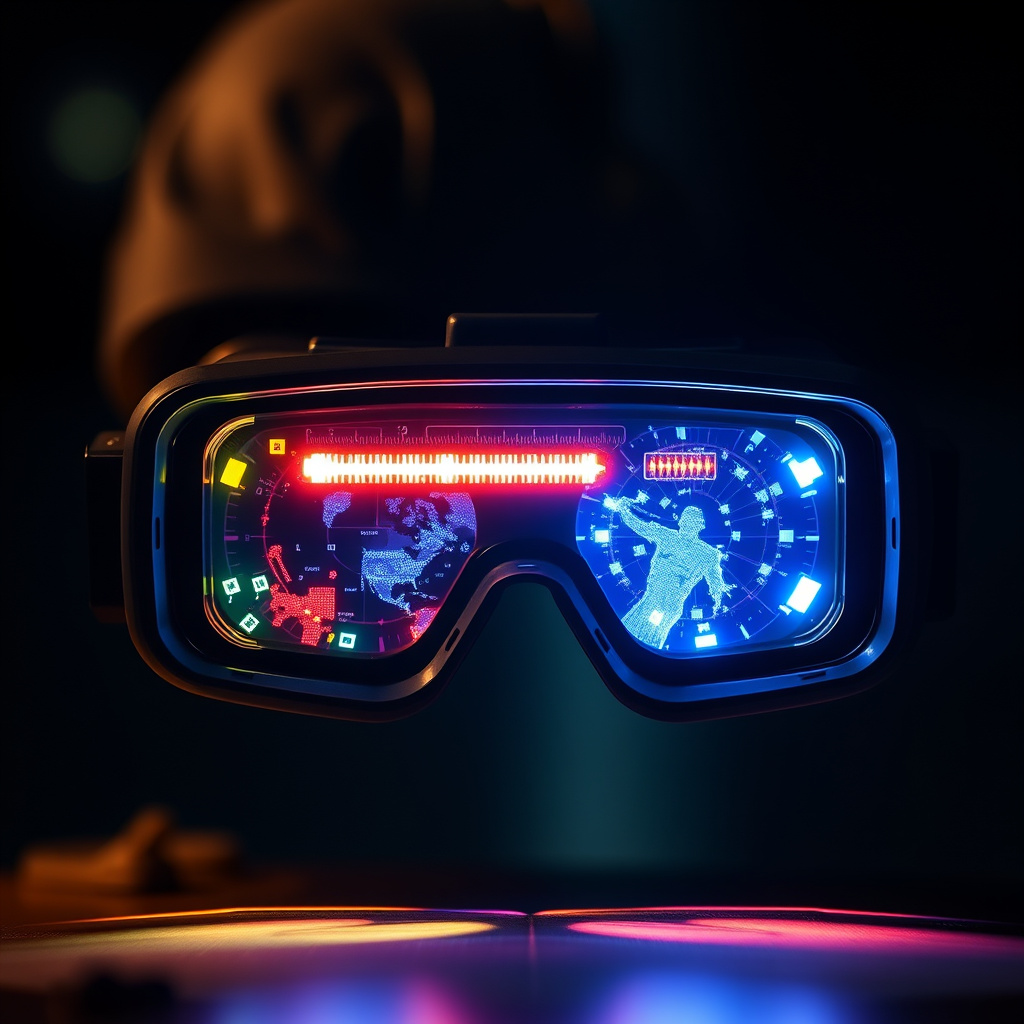
Digital Night Vision
Digital NVGs convert light into electronic signals, processing the image on LCD screens, offering advantages like recording and sharing footage.
They often have better resistance to bright light and can function day and night.
For technical details and historical background, see the comprehensive overview of night vision goggles on Wikipedia. Night vision goggles on Wikipedia.
Integration with Other Technologies
Modern night vision devices can integrate with GPS, thermal imaging, and heads-up displays, enhancing usability in complex environments.
These hybrid systems improve target detection and provide layered situational information.
Night Vision Goggles Category Comparison
Below is a comparison highlighting key features, typical users, and costs across common NVG categories.
| Category | Image Quality | Typical Use | Price Range |
|---|---|---|---|
| Gen 1 Monocular | Basic, green-hued | Beginner outdoorsmen, casual use | $200 – $500 |
| Gen 2 Binocular | Clearer, improved resolution | Tactical operations, serious hunters | $1,000 – $3,000 |
| Gen 3 Binocular | High-resolution, crisp imagery | Military, law enforcement | $3,500 – $8,000 |
| Digital NVGs | Full-color or black-and-white LCD | Recording and mixed-use | $500 – $2,000 |
Frequently Asked Questions
Can NVGs be used during the day?
Standard NVGs are designed for low light and can be damaged by bright daylight. Digital NVGs often work day and night without harm.
What is the difference between monocular and binocular NVGs?
Monocular devices use one eyepiece, are lighter, and cheaper, while binoculars offer better depth perception and are suited for extended use.
How long do NVG batteries typically last?
Battery life varies by model and usage but generally ranges from 20 to 40 hours depending on battery type and device generation.
Are NVGs waterproof?
Many NVGs have water-resistant coatings, but full waterproofing varies by model; check specifications if use in wet conditions is expected.
Do NVGs require special training to use?
Basic NVG operation is intuitive, but proficiency benefits from practice and training, especially for tactical or professional applications.
Key Takeaways
- NVG means night vision goggles which amplify low light for visibility at night.
- Different types include monocular and binocular, suited for varying needs.
- Generation rating affects image clarity and price of NVGs.
- Digital night vision is a newer technology offering versatile benefits.
Conclusion
Choosing the right NVG depends primarily on understanding how night vision goggles function: by intensifying available light and sometimes using infrared illumination. Prioritizing features like image quality, field of view, and device type—monocular versus binocular—helps tailor the choice to specific tasks. Balancing cost against performance and considering durability also influences the decision.
For users needing basic nighttime vision on a budget, Gen 1 monocular devices are adequate, especially for casual outdoor use. Tactical professionals or serious enthusiasts benefit from Gen 2 or Gen 3 binoculars for superior resolution and depth perception. Digital NVGs offer additional versatility with recording features but might trade some image clarity for multi-functionality.
Prospective buyers should test devices when possible and account for maintenance needs like proper cleaning and battery care. Starting with a reliable, moderately priced model aligned with user demands allows gradual upgrades as familiarity with night vision technology grows.