How Night Vision Works: The Science Behind Seeing in the Dark
Night vision works by amplifying low levels of available light, including infrared, to make dark environments visible to the human eye. Night vision devices (NVDs) use advanced optics and sensor technologies to gather ambient light—from the moon, stars, or infrared sources—and convert it into a visible image, making it possible for users to see in near-total darkness.
Understanding how night vision works matters for outdoor enthusiasts, security professionals, and anyone interested in cutting-edge imaging technology. The ability to see in darkness is crucial in fields like wildlife observation, military operations, and nighttime navigation, where visibility can mean the difference between success and danger.
In this comprehensive guide, we'll break down the science behind night vision, explore its different types, examine the roles of infrared technology, and offer practical advice on how these devices are used. We'll also compare night vision categories, answer common questions, and provide key takeaways to help you understand and select the right night vision equipment for your needs.
The Fundamentals: How Night Vision Works
Image Intensification: Amplifying Available Light
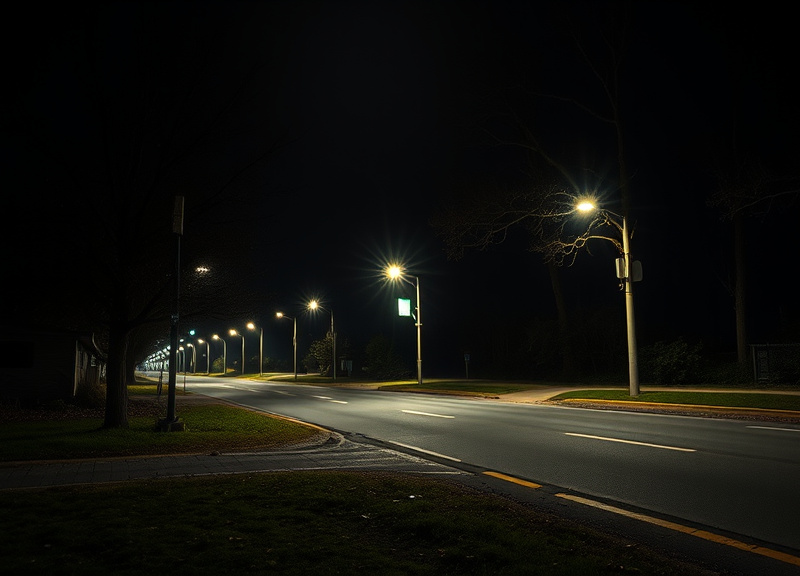
Night vision devices relying on image intensification gather even faint ambient light—like starlight or moonlight—using an objective lens. The photons entering the lens strike a photocathode, which transforms the light into electrons. These electrons are accelerated and multiplied, often up to tens of thousands of times, within a microchannel plate.
The intensified electrons hit a phosphor screen, converting them back into visible light to create a brightened image for the viewer. The process is nearly instantaneous, enabling real-time night vision. This mechanism is at the heart of generation 1, 2, and 3 night vision goggles and scopes.
• Converts minimal light enough to see clearly • Essential for Gen 1-3 night vision devices • Creates classic green-hued images
• Supports both military and civilian applications
Infrared Night Vision Technology: Beyond Visible Light
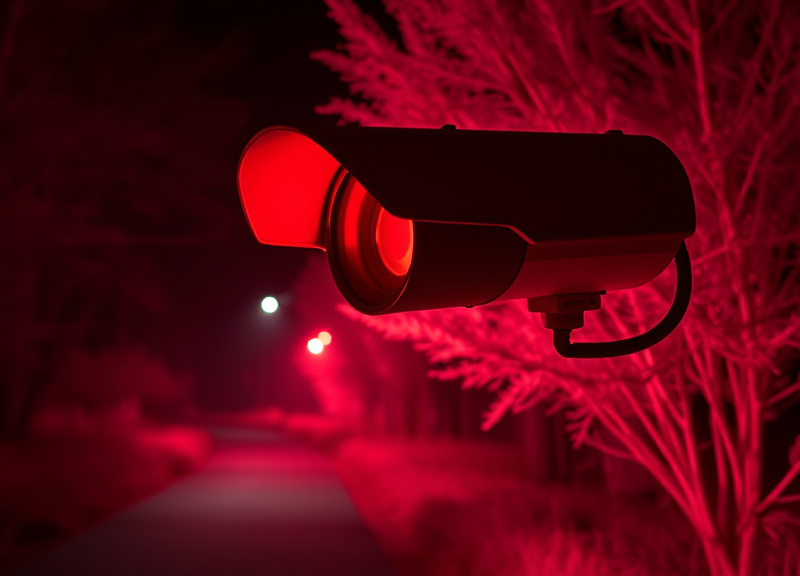
Some night vision systems use infrared (IR) illumination to enhance vision in total darkness. These devices emit invisible IR light, which bounces off objects and returns to the device's sensor. Infrared night vision technology makes it possible to see in environments without any ambient light.
Thermal imagers fall into this category and detect heat instead of visible light, allowing for target detection and navigation in pitch-black or obscured environments. These systems have revolutionized night-time surveillance and rescue work.
• Enables vision in zero-light conditions • Used for security, hunting, and search & rescue • Visual display highlights temperature differences
• Often used where stealth is crucial
Types of Night Vision Devices
Night Vision Goggles, Monoculars, and Binoculars
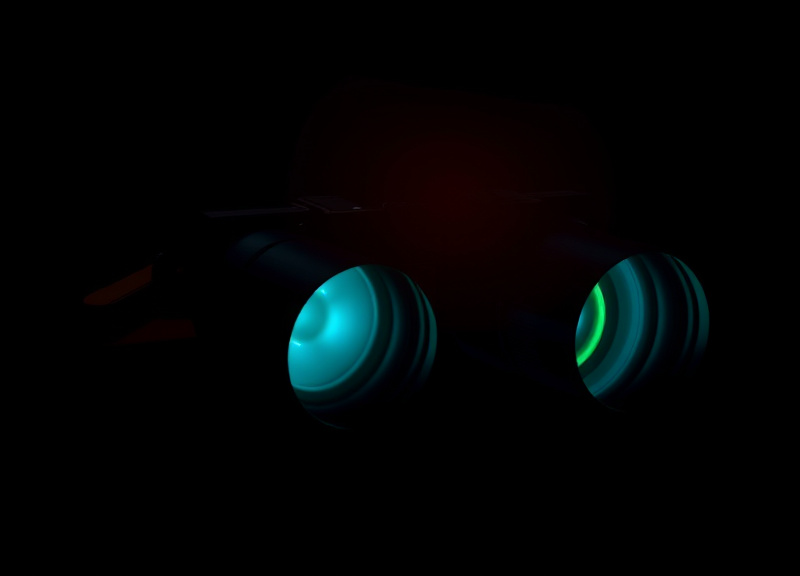
Night vision goggles are popular for hands-free navigation, while monoculars and binoculars offer flexibility and magnification. Goggles are typically worn with headgear, making them ideal for mobility-intensive tasks such as hiking or tactical operations.
Monoculars are lightweight and easy to use with one hand, often favored for scouting and wildlife observation. Binoculars, designed for both eyes, deliver depth perception at the expense of size and weight.
• Goggles: Hands-free operation • Monoculars: Compact and portable • Binoculars: Better depth perception
Thermal Imagers: Heat Instead of Light
Thermal imagers detect infrared radiation emitted as heat by bodies, animals, or objects. They do not require visible light or IR illuminators and work equally in total darkness, fog, or smoke. These devices translate temperature differences into vivid images, often in shades of white, black, or color palettes.
Thermal imaging is invaluable for security teams and rescue personnel, enabling the detection of living beings through darkness or challenging environments where traditional night vision fails.
• Highlight heat signatures through walls or foliage • Can pinpoint hidden humans or animals
Understanding Generation Differences in Night Vision
First-Generation Night Vision
Generation 1 night vision devices introduced image intensification on a wide scale. They amplify available light up to about 1,000 times, providing basic low-light visibility. These units are affordable but can suffer from edge distortion and require some ambient light to function.
While suitable for recreational use or home security, Gen 1 devices generally lack the range, clarity, and low-light performance of later generations. They're ideal for budget buyers who don't need professional-grade quality.
• Economical, widely available • Lower resolution and shorter range
For more on this, see our related guide: How to Create Night Vision: A Practical Guide for DIY Enthusiasts.
Second and Third Generation Improvements
Gen 2 night vision brought the microchannel plate and improved sensitivity, delivering brighter, clearer images even in near-total darkness. Gen 3 advanced further with gallium arsenide photocathodes, even stronger light amplification, and longer service life.
Professional users—law enforcement, military, search and rescue—favor Gen 2 and Gen 3 devices for their reliability, edge-to-edge clarity, and adaptability in the harshest conditions. The investment comes with substantial performance gains.
• Gen 2/3: Greater light sensitivity • Superior image quality and durability
How Infrared Night Vision Technology Is Used
Security and Surveillance Applications
Infrared night vision technology is a foundation for modern security systems, enabling surveillance cameras to monitor perimeters, warehouses, and public spaces around the clock. Infrared LEDs provide discreet, invisible illumination for clear black-and-white footage at night.
This technology allows large areas to be monitored with minimal visible light, reducing the risk of detection. Home users, commercial premises, and law enforcement benefit from improved safety and evidence collection.
• Covert nighttime monitoring • Essential for 24/7 facility security
Wildlife Observation and Outdoor Activities
Biologists, campers, and outdoor enthusiasts use night vision devices to observe nocturnal animals with minimal disturbance. Infrared night vision technology enables observation from a distance, minimizing stress to wildlife and avoiding detection by skittish animals.
From birdwatching to tracking mammals in unlit environments, night vision has opened new horizons for ecological study and safer nighttime exploration.
• See animals in their natural nighttime habitat • Non-invasive monitoring for research
Limitations and Considerations When Using Night Vision
Potential Drawbacks of Night Vision Devices
While night vision technology offers remarkable benefits, it is not without limitations. Image intensifiers may saturate or 'bloom' when exposed to sudden bright lights, temporarily blinding the user. Devices often produce images in shades of green, which can limit true color perception.
Other drawbacks include dependence on at least some ambient light (for non-thermal models), bulkiness, and relatively short battery life when used intensively.
• Susceptible to bright light damage • Can be heavy and power-hungry
For more on this, see our related guide: How to Make Night Vision: A Step-by-Step Guide for DIY Enthusiasts.
Legal and Ethical Concerns
Ownership and use of night vision equipment are governed by local laws, especially for advanced Gen 3 and thermal models, which may be restricted in some areas or require permits. Ethical use is also paramount—using NVDs for hunting or surveillance may be regulated for wildlife protection and privacy.
Buyers should research device specifications and legal requirements before purchase to avoid unintentional violations. Responsible use sustains both innovation and user accountability.
• Check local laws before buying • Follow guidelines for ethical usage
Choosing the Right Night Vision Device
Matching Device Type to Your Needs
Your intended use dictates the best night vision device: night vision goggles for hands-free navigation, monoculars for occasional spotting, or thermal imagers for total darkness or challenging environments. Consider the environment, movement requirements, and your budget.
Assess if you need magnification, durability, or compatibility with specific accessories like head mounts or camera adapters. The right tool optimizes safety, performance, and overall satisfaction.
• Assess your main use case • Match features to intended environment
For deeper technical details and a historical overview of device generations, see the comprehensive entry about night vision technology on Wikipedia. night vision technology on Wikipedia.
Evaluating Ratings and Features
Evaluate resolutions, field of view, detection range, battery life, weight, and waterproofing. For image intensifiers, research generation models—Gen 1 is affordable, whereas Gen 2/3 offers professional-grade clarity. For infrared night vision technology, check for built-in illuminators and sensor performance.
User reviews and professional recommendations can help steer you toward reputable brands and models matching your expectations and safety requirements.
• Check battery and operating time • Reliable brands offer better support
Night Vision Device Category Comparison
Here’s a side-by-side look at different night vision categories to help you weigh their strengths for your specific application.
| Category | Image Type | Light Requirement | Best For | Typical Price Range |
|---|---|---|---|---|
| Gen 1 Image Intensifier | Green phosphor | Low ambient light needed | Entry-level, casual use | $200-$500 |
| Gen 2 Image Intensifier | Green phosphor | Very low light needed | Law enforcement, serious hobbyists | $800-$2,500 |
| Gen 3 Image Intensifier | Green phosphor | Minimal light needed | Military, professionals | $2,500-$6,000+ |
| Digital Night Vision | Monochrome (gray-scale) | Requires IR | Versatile, affordable | $150-$600 |
| Thermal Imager | Multi-color/gray-scale | No light needed | Search & rescue, hunting in total darkness | $1,000-$8,000 |
Frequently Asked Questions
Can night vision devices work in total darkness?
Traditional image intensification night vision devices need some ambient light like moonlight or starlight. However, thermal imagers and IR-illuminated devices function in complete darkness by detecting heat or using infrared beams invisible to the human eye.
Why do night vision images appear green?
Night vision displays images in green because the human eye is more sensitive to green wavelengths, allowing us to see more detail and less eye strain during prolonged use. Most image intensifiers use green phosphor screens for this reason.
What is the difference between night vision and thermal imaging?
Night vision devices amplify existing light to create visible images, while thermal imagers detect heat differences. Night vision works best with some ambient light, while thermal works in total darkness and can reveal heat sources even through fog or light obstacles.
Is infrared night vision technology harmful to the eyes?
Passive night vision and infrared illumination are safe for typical usage. The infrared LEDs used in most security cameras and scopes operate at low, non-harmful intensity. Always follow manufacturer guidelines to ensure user safety.
Are night vision devices legal for civilian use?
Most Gen 1 and Gen 2 night vision devices are legal for civilian purchase in many regions. However, some Gen 3 and thermal devices can be restricted or require permits, depending on your country or state. Check local laws before buying.
Key Takeaways
- Night vision amplifies available light or detects heat to enable vision in darkness.
- Infrared night vision technology allows seeing without visible light.
- Device type and generation dictate clarity, range, and price.
- Know legal and practical considerations before purchase.
Conclusion
When it comes to understanding how night vision works, the core is in the amplification of minimal ambient light or the detection of heat radiation. Whether you are a night hiker wanting to see in dense woods, a security professional needing discreet surveillance, or a wildlife enthusiast tracking nocturnal animals, the fundamentals of night vision—image intensification and infrared detection—make the invisible visible. A measured approach to selecting your device based on intended use, performance features, and budget will ensure the best results.
For those seeking general nighttime navigation or casual observation, Gen 1 image intensifiers and digital night vision devices offer a good balance of affordability and performance. Law enforcement, researchers, or avid outdoor adventurers might find more value in Gen 2 or Gen 3 devices. If your needs include absolute darkness or the ability to see through fog, rain, or light obstructions, a thermal imager is likely the best fit. Always consider the secondary features such as resolution, detection range, and battery life to match your specific scenario.
Before making your final choice, thoroughly research the legal aspects of owning and operating night vision devices in your area. Try out different categories when possible, read user reviews, and consult professionals for real-world insights. With the right knowledge and application, night vision technology can transform your nighttime experience—whether for safety, exploration, or observation.