How Do Night Vision Cameras Work? An In-Depth Guide for Beginners
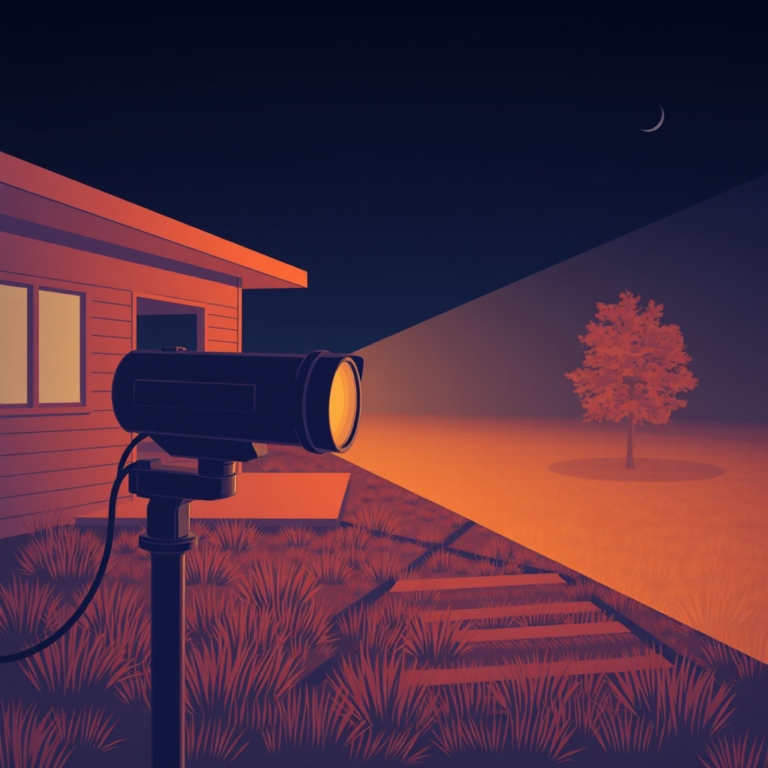
Night vision cameras work by capturing images in low-light or complete darkness, using advanced sensor technology to amplify available light or detect infrared radiation. Whether you're curious about how they let you see in the dark or considering one for your security system, understanding the underlying tech is crucial.
Night vision technology isn't just for military or wildlife enthusiasts—it's increasingly found in home security, cars, and consumer electronics. This matters because standard cameras simply can’t capture usable images once the lights go out, leaving you vulnerable to whatever goes unseen.
In this guide, you'll learn exactly how night vision cameras work, the differences between technologies like infrared and thermal imaging, and what features matter most. We'll also compare camera types, answer common questions, and help you find the best night vision camera for home security or any other purpose.
The Science Behind Night Vision Cameras
How Cameras Perceive Light Versus Darkness
Conventional cameras use visible light to create images, but in darkness, there's not enough light for their sensors to work. Night vision cameras rely on specialized sensors to amplify low light levels or detect other wavelengths invisible to the human eye.
This difference enables night vision devices to function even in near-complete darkness. The result is clearer images regardless of the lighting conditions.
- Standard cameras need visible light.
- Night vision cameras work in low-light or no-light conditions.
Amplification and Infrared Technology Basics
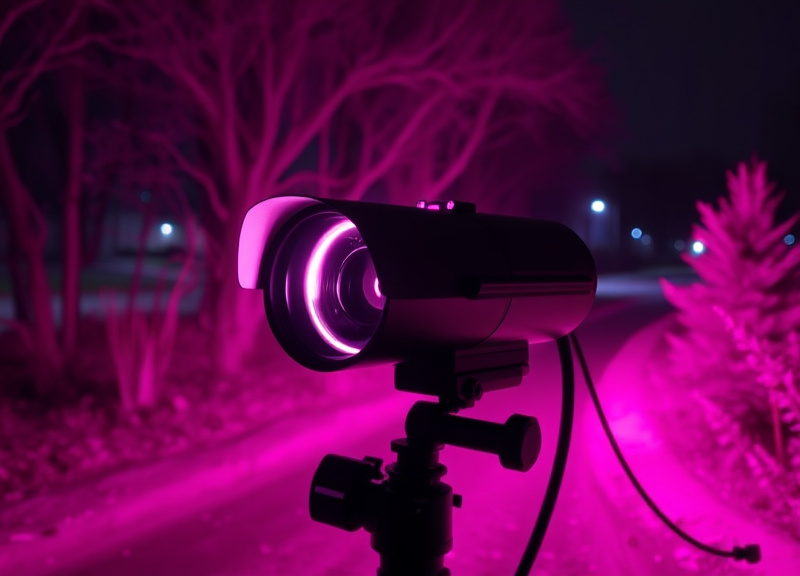
Some night vision cameras use image intensification tubes that greatly amplify faint ambient light, making dim scenes bright. Others use infrared sensors to detect heat signatures and render them as images.
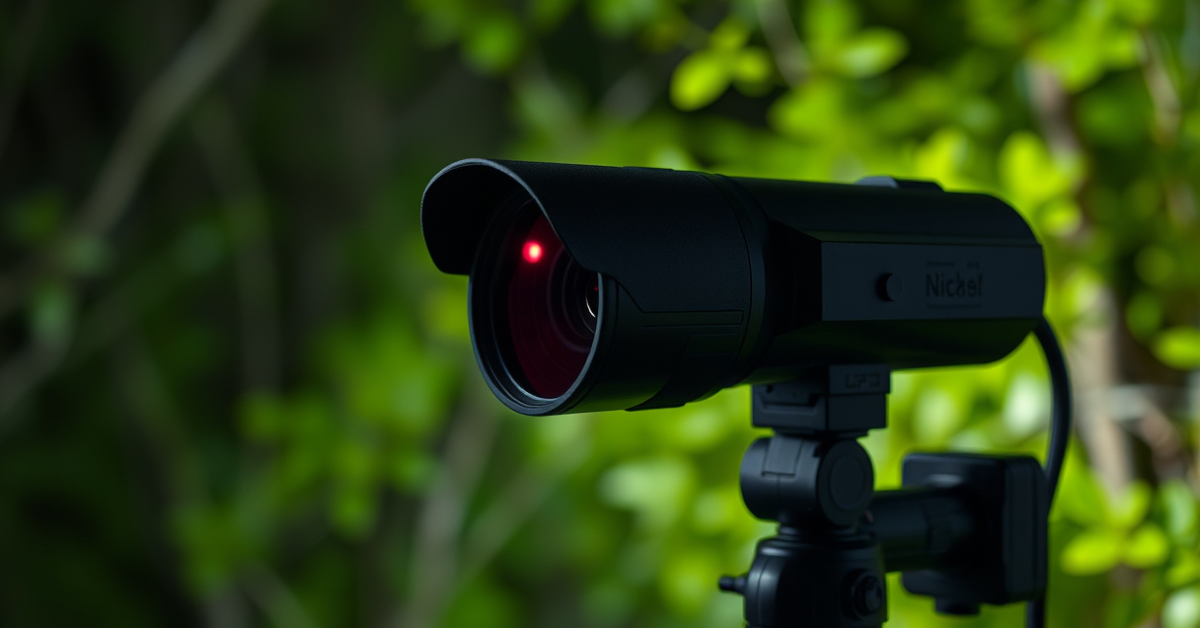
Infrared LED lights are often built into consumer night vision cameras; these components emit infrared beams, invisible to humans but visible to the camera sensor.
- Image intensifiers boost available light.
- Infrared LEDs illuminate dark scenes.
Types of Night Vision Cameras and Their Applications
Infrared (IR) Night Vision Cameras
IR night vision cameras are the most common for security and monitoring. They use near-infrared LEDs to illuminate the scene with invisible light, allowing the camera to 'see' in total darkness.
These cameras are affordable, energy efficient, and often the best night vision camera for home security scenarios, delivering clear black-and-white footage at night.
- Affordable and widely available.
- Used in home security systems.
Thermal Imaging Cameras
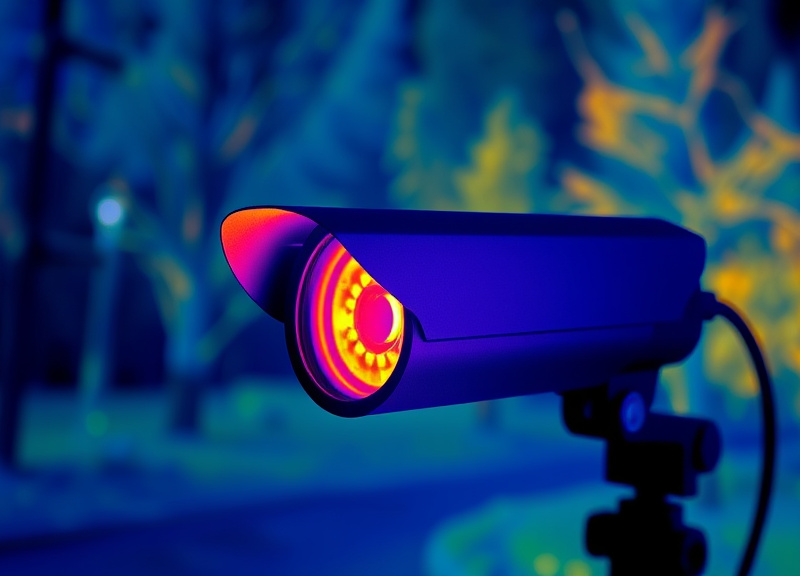
Thermal night vision cameras don’t rely on any light source. Instead, they detect heat emitted by objects and translate temperature differences into visible images.
This makes them ideal for tasks like search and rescue, surveillance, or wildlife monitoring in zero-light conditions where even IR-based cameras might struggle.
- Excellent in total darkness or fog.
- Detect heat, not light.
Key Features to Look for in Night Vision Cameras
Infrared Range and Illumination
The distance a night vision camera can 'see' depends on its infrared range, usually noted in meters or feet. A longer IR range means the camera can identify details farther out in the dark.
For home or business security, consider the coverage area you need at night and match it with a camera whose IR range comfortably exceeds that distance.
- Look for IR range specs.
- Higher IR power equals greater night vision distance.
For more on this, see our related guide: How to Create Night Vision: A Practical Guide for DIY Enthusiasts.
Resolution and Image Clarity
Higher resolution sensors produce sharper night images, which is essential for identifying faces or license plates. However, some cameras trade resolution for better light sensitivity.
Find a balance between image clarity and low-light performance when choosing the best night vision camera for home security or outdoor use.
- 1080p or higher preferred.
- Check for low-light sensor specs.
How Do Night Vision Cameras Work in Real-World Environments?
Performance in Urban and Indoor Spaces
In urban areas, there’s often some ambient light from streetlights or buildings. Night vision cameras amplify this low-level light using sensors and infrared illumination to maintain a clear image.
Indoors, reflective surfaces may affect IR illumination, sometimes causing washed-out or uneven images. Placement and camera angle are key for optimal performance.
- Artificial lighting can aid night vision.
- Careful positioning eliminates glare.
Challenges in Rural or Outdoor Environments
Outdoor locations with zero ambient light rely entirely on the camera's built-in infrared LEDs or on thermal capability. Fog, heavy rain, or obstacles can reduce IR effectiveness.
Thermal cameras provide clearer visibility in harsh weather, but come at a higher cost and sometimes lower image detail.
- Weather impacts IR imaging.
- Thermal works through fog and smoke.
Night Vision Camera Setup and Maintenance
Positioning and Installation Tips
Install night vision cameras where their IR beams cover important access points without obstruction. Avoid placing them near glass windows, as IR can reflect, distorting the image.
Angle the camera slightly downward and away from light sources or reflective objects to improve nighttime video quality and reduce glare.
- Avoid direct window placement.
- Point cameras to cover entrances.
For more on this, see our related guide: How to Make Night Vision: A Step-by-Step Guide for DIY Enthusiasts.
Regular Maintenance for Optimal Performance
Keep camera lenses and IR LEDs clean, since dust and debris can diffuse IR light or block the sensor's view. Regularly check wires, power supplies, and ensure firmware is up to date for improved security.
Annual maintenance ensures longevity and continues strong night vision performance, especially for outdoor installations subjected to weather exposure.
- Clean lenses/LEDs monthly.
- Check for cobwebs, dirt, or spider nests.
Understanding Limitations and Advanced Technologies
Common Limitations of Night Vision Cameras
All night vision cameras have some drawbacks. IR-based models can’t see through glass, fog, or dense foliage effectively and may produce grainier images in complete darkness.
Thermal imaging can lack sharpness for identifying faces or details, making them less suitable for applications needing high-definition images.
- Grainy footage in zero light
- Reduced effectiveness through obstacles
To learn more about the science and history behind night vision cameras, you can explore detailed explanations of night vision device technology. night vision device technology.
New Developments: Color Night Vision and AI
Recent advances include cameras with starlight sensors and smart algorithms, offering full-color video even in dim light, plus AI enhancements for motion detection and facial recognition.
These features help users gain better situational awareness and reduce false alerts, slowly raising the bar for what the best night vision camera for home security can deliver.
- Color night vision in low-light
- AI-assisted motion alerts
Night Vision Camera Types Comparison
Here’s a quick comparison of popular night vision camera categories based on their technology, cost, and ideal usage scenario, helping you find the right match.
| Category | Technology | Effective Range | Best For | Average Cost |
|---|---|---|---|---|
| IR LED Camera | Infrared LEDs | 10-30 meters | Home and office security | $30-$150 |
| Thermal Camera | Thermal imaging | 100+ meters | Surveillance, rescue, wildlife | $300-$3000 |
| Starlight Camera | Ultra-low-light CMOS | Up to 50 meters | Color night video, outdoors | $80-$250 |
| Digital Night Vision | Image intensifiers | 20-70 meters | Hiking, hunting, military | $100-$500 |
| Pan-tilt Security Cam | IR LED, Motorized pan/tilt | 20-40 meters | Large area monitoring | $50-$200 |
Frequently Asked Questions
Can night vision cameras record in complete darkness?
Yes, most night vision cameras with built-in infrared LEDs can record footage even in total darkness, as the sensor detects the IR light reflecting from objects, not visible light.
Are night vision cameras safe for people and pets?
Infrared LEDs used in night vision cameras are generally safe for humans and animals, as they emit light outside the visible spectrum and do not produce heat or harmful radiation at security device power levels.
How are thermal cameras different from regular night vision cameras?
Thermal cameras detect heat signatures instead of light, allowing them to see through smoke, fog, or foliage. Traditional night vision cameras amplify available light or use infrared illumination to form images.
Do all night vision cameras display images in black and white?
Many traditional IR-based night vision cameras display monochrome images at night, but new starlight and color night vision models offer low-light color footage, especially with some ambient illumination.
What is the lifespan of a typical night vision camera?
Most quality night vision cameras last 5–10 years with proper maintenance. Regular cleaning and firmware updates can extend their operational life and ensure reliable nighttime performance.
Key Takeaways
- Night vision cameras use light amplification or infrared sensing to capture images in darkness.
- IR and thermal cameras fit different scenarios; choose based on your unique needs.
- Proper installation and maintenance maximize image quality and camera lifespan.
- Technology advances like color sensors and AI are expanding night vision camera capabilities.
Conclusion
Night vision cameras have revolutionized how we perceive and secure our environments after dark. Understanding how night vision cameras work—from their use of infrared light or thermal sensing to their unique limitations—equips you to sort through technical claims and prioritize features that genuinely matter. Your decision comes down to balancing light amplification needs, infrared or thermal imaging, and the right match between environment and application.
If you’re protecting a home or office, IR LED cameras or newer starlight models are solid, affordable choices, especially where the best night vision camera for home security is needed. For rural, foggy, or rugged outdoor scenarios, investing in a thermal camera pays off when traditional night vision falls short. If color footage at night is a priority, look for models with advanced starlight or AI-driven sensors.
Once you’ve defined your goals and site conditions, shortlist cameras that promise the specific performance features you need—resolution, range, illumination, and smart integrations. Test placement and keep up with maintenance, and your night vision system will deliver sharp, reliable images in the dark for years to come.