
Understanding Criminal Mischief 2nd Degree: Definition, Penalties, and Defenses
Criminal mischief 2nd degree is a criminal offense typically defined as unlawfully and intentionally damaging another person’s property, without their consent, where the damage exceeds a specific threshold set by state law but does not reach the highest tier of severity. In many U.S. jurisdictions, this charge often applies when property damage is valued between a lower and upper specified amount, making it less serious than first-degree mischief but more serious than third degree or minor vandalism.
Understanding the implications of criminal mischief 2nd degree matters because the consequences can include jail time, fines, restitution, and a permanent criminal record—each of which can seriously impact your job, housing, and future opportunities. Charges are commonly filed in disputes, protests, or accidentally escalated situations, so knowing exactly where the legal lines are is essential.
This article will break down what constitutes criminal mischief in the second degree, how it compares to other degrees, possible penalties if convicted, common defenses, and what to do if you’re facing second-degree property damage charges. Whether you're concerned for yourself or someone you know, you'll find clear, practical guidance here.
Defining Criminal Mischief 2nd Degree
Legal Elements and Statutory Language

Criminal mischief 2nd degree typically requires the offender to intentionally or knowingly damage another person's property without consent. Statutes vary, but most specify a dollar value—such as between $500 and $1,500—of damage. Some states also factor in the type of property targeted, like vehicles, homes, or business locations.
To secure a conviction, prosecutors must prove beyond a reasonable doubt that the accused acted with the necessary mental state and that the amount or type of property damage meets the second-degree threshold. Property damage doesn't have to be permanent but must be significant enough per state law.
The act must be intentional or knowingly reckless.
Examples of Second-Degree Property Damage
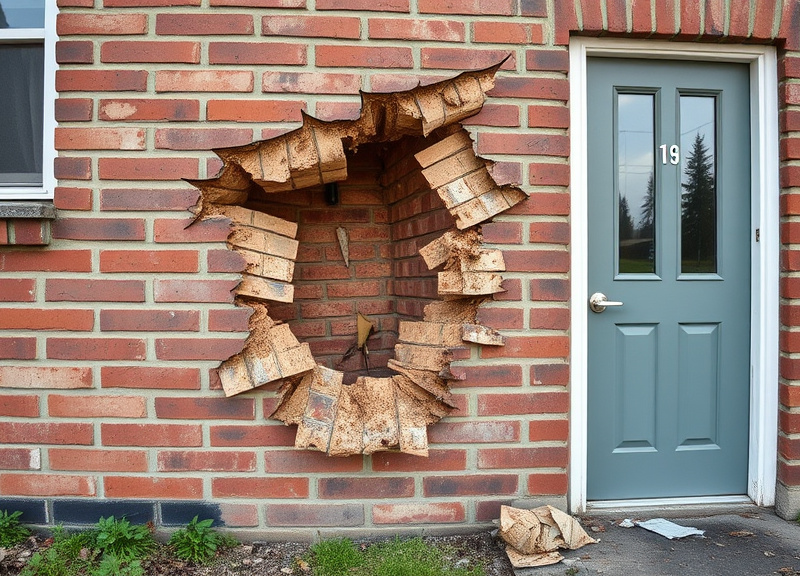
Typical scenarios include smashing car windows, breaking expensive equipment at a public venue, or spray-painting large graffiti on buildings where repair costs are substantial but not exorbitant. The offense is more serious than minor vandalism but less than major arson or high-value destruction.
Comparisons to first-degree mischief or misdemeanor vandalism hinge on damage cost and risk to others. Second-degree charges often arise from altercations, protests, or pranks gone awry.
- Breaking several windows at a school
- Damaging storefront displays
- Spray-painting graffiti over several parking meters
Penalties for Criminal Mischief 2nd Degree
Criminal and Civil Consequences

A conviction for criminal mischief 2nd degree usually results in a misdemeanor or, in some jurisdictions, a low-level felony. Typical penalties involve jail sentences of up to one year, monetary fines, court fees, and restitution to the property owner. Some states mandate community service or probation as additional sanctions.
Long-term impacts extend to background checks, affecting employment, housing, or licensing. Second-degree property damage charges are taken seriously, particularly for repeat offenders or when the damage disrupts essential services.
- Jail time (usually up to 1 year)
- Monetary fines ($1,000–$5,000 typical range)
- Mandatory restitution to the victim
- Possible community service or probation
How Penalties Differ from Other Degrees

Penalties for criminal mischief 2nd degree are more severe than for third-degree or petty mischief, primarily due to the higher value of damaged property. In contrast, first-degree mischief—often classified as a felony—involves even greater damage, risk to human safety, or damage to vital infrastructure.
Second-degree charges may be eligible for pretrial diversion or plea deals, depending on the circumstances and local law. Prior offenders often face stiffer penalties, especially if previously convicted for similar crimes.
Common Defenses Against Criminal Mischief 2nd Degree Charges
Mistaken Identity and Lack of Intent
Defendants often challenge the prosecution’s assertion of intent. If the damage occurred accidentally, through negligence, or without knowledge that the property was not theirs, that can be a strong defense. Surveillance footage, eyewitness accounts, or an alibi may raise reasonable doubt about one's involvement.
Mistaken identity is another common defense. If the accused was not at the scene or is wrongly identified, producing proof—such as time-stamped receipts or contact with others—can undermine the case.
Consent, Ownership, and Value Disputes
Proving legal authorization or the property’s low value can reduce or eliminate charges. If the damage was permitted by the owner, or the property’s repair cost does not meet statutory thresholds for second-degree charges, the offense may be downgraded or dismissed entirely.
Sometimes, what appears to be malicious mischief is actually a misunderstanding about property lines, shared equipment, or existing consent. Accurate valuation or documentation is crucial.
- Challenging the damage appraisal
- Proving ownership or permission
Criminal Mischief 2nd Degree in Different States
State-by-State Variations in Law
Each state defines criminal mischief 2nd degree slightly differently. For example, New York treats it as a class D felony, usually for damage over $1,500, while Oregon's threshold might be lower, and the penalty less severe. Factors include damage value, risk to public safety, or whether the property is public or private.
In some states, repeated offenses elevate the charge automatically, regardless of the individual incident's value. Others focus on the societal impact if the damaged property is essential to community services.
- New York: >$1,500 damage, Class D felony
- Oregon: >$500 and ≤$1,000, misdemeanor
- Texas: $750–$2,500, Class A misdemeanor
How Prosecutors Apply the Law
Prosecutors consider several factors when bringing second-degree property damage charges: the value of damage, number of victims, intent, criminal history, and community impact. First-time offenders are sometimes diverted to educational programs, while repeat offenders face stricter consequences.
Negotiation plays a significant role. Plea bargaining is possible, reducing charges to a lesser offense if restitution is paid promptly or if mitigating circumstances exist.
Collateral Consequences of a Criminal Mischief Conviction
Impact on Employment, Housing, and Licensing
A conviction for criminal mischief 2nd degree can hinder job searches, especially for positions that require background checks or fiduciary responsibility. Landlord screenings and professional licenses in fields like healthcare or finance often flag even misdemeanor convictions.
Restitution orders or probation may extend beyond the completion of jail time, keeping the legal proceedings open for months or even years. Record expungement opportunities depend on state law and offense circumstances.
- Difficulty obtaining some jobs
- Barriers to renting housing
- Professional licensing complications
Restitution and Ongoing Legal Obligations
Courts almost always require those convicted of second-degree property damage charges to pay restitution, covering full repair or replacement costs for damaged property. Failure to complete payments can lead to wage garnishments or contempt of court proceedings.
Ongoing legal obligations might involve mandatory counseling, anger-management seminars, or additional court hearings if restitution or probation is not completed as ordered.
What to Do If You’re Charged with Criminal Mischief 2nd Degree
First Steps and Legal Representation
If you’re facing criminal mischief 2nd degree charges, your first step should be to remain silent and request an attorney. Anything said to law enforcement may be used against you. An experienced criminal defense lawyer can review your case and develop a tailored strategy.
Gather evidence, obtain statements from witnesses, and avoid contact with the complainant unless directed through your attorney. Discuss all plea deal options and diversion programs as early as possible in the legal process.
- Do not admit guilt or apologize on record
- Refuse police interviews without your lawyer
- Start compiling receipts, photos, and witness contacts
For further reading on how criminal mischief offenses are defined and penalized across different legal systems, see this comprehensive overview of legal definitions and penalties for criminal mischief. Legal definitions and penalties for criminal mischief.
Preparing Your Defense and Next Steps
Work with your lawyer to challenge the prosecution’s assertions and seek expert testimony to dispute property values if possible. Review the events leading up to the alleged offense for evidence of mistake, permission, or low value.
Stay proactive in court-ordered programs—such as restitution or anger management—since compliance can sometimes result in dismissed or reduced charges. Be prepared for both criminal and civil resolutions to the case.
Criminal Mischief Charges: Degree Comparison
Here’s a quick comparison table outlining key differences among the most common criminal mischief charge categories. Penalties and property value thresholds vary by state.
| Degree | Typical Property Value | Common Consequence | Offense Classification |
|---|---|---|---|
| First Degree | >$1,500 or critical infrastructure | Felony conviction, multi-year prison | Felony |
| Second Degree | $500-$1,500 (varies by state) | Up to 1 year jail, fines, restitution | Misdemeanor or lower felony |
| Third Degree | Below $500 | Fines, brief jail/court supervision | Misdemeanor |
| Criminal Tampering | N/A (focus on interference) | Community service, probation | Misdemeanor |
| Petty/Minor Mischief | <$100 (some states) | Small fines, community service | Infraction |
Frequently Asked Questions
What is the difference between first and second-degree criminal mischief?
First-degree criminal mischief usually involves a higher value of property damage or risk to public safety, making it a felony, whereas second-degree involves less severe but still substantial property damage, often classified as a misdemeanor or lower felony.
Can a criminal mischief 2nd degree charge be dropped or reduced?
Yes, charges can sometimes be reduced or dismissed through plea bargaining, demonstrating lack of intent, showing the damage was below statutory thresholds, or by completing restitution or diversion programs, depending on the case and jurisdiction.
Does criminal mischief 2nd degree always result in jail time?
Not always. While jail is possible, many courts opt for fines, probation, restitution, or community service, particularly for first-time offenders, minor damage, or when the offender is cooperative and makes amends quickly.
What should I do if falsely accused of second-degree property damage?
If you’re falsely accused, immediately consult a defense attorney. Collect evidence, witness statements, and any documentation supporting your whereabouts or lack of involvement, and do not communicate directly with the alleged victim or police without legal counsel.
Will a criminal mischief 2nd degree conviction affect my record permanently?
A conviction does create a criminal record, but some states allow for expungement of second-degree property damage charges after a waiting period and completion of all sentencing requirements, especially for first-time offenders. Check local laws for eligibility.
Key Takeaways
- Criminal mischief 2nd degree involves substantial property damage, not as severe as first degree.
- Penalties range from jail time to fines and often include mandatory restitution.
- Common defenses include lack of intent, mistaken identity, or disputing property value.
- Legal outcomes vary by state; consult a defense attorney if charged.
Conclusion
Navigating a criminal mischief 2nd degree charge requires a clear understanding of both the letter of the law and how local courts interpret property damage and intent. The legal system often hinges on details such as the value of the property damaged, the accused’s intent, and the context of the act. Proactive legal action is essential—don’t delay in gathering evidence, securing legal counsel, and exploring available options such as diversion or plea reduction.
For those facing allegations, carefully review your situation to see if you qualify for alternative resolutions, like community service or restitution in exchange for a lighter sentence. If your case fits the profile for second-degree property damage charges, leverage every available defense—including value disputes, consent, or mistaken identity. If convicted, comply fully with all court orders to position yourself for possible expungement or record sealing in the future.
Staying informed and acting quickly are the most important steps you can take. Every jurisdiction applies these charges a bit differently, so speak to an experienced lawyer in your state who knows both the nuances of criminal mischief 2nd degree and broader criminal defense law. Your future can hinge on small details—so don’t go it alone.