
Is Misdemeanor a Criminal Offence? What You Need To Know
Yes, a misdemeanor is indeed a criminal offence. In most legal systems, including those throughout the United States, misdemeanors are classified as crimes less serious than felonies but more serious than infractions. If you're charged with a misdemeanor, it goes on your criminal record and can lead to penalties like fines, community service, probation, or even jail time, depending on the severity and jurisdiction.
Understanding the distinction matters because a misdemeanor conviction can impact your employment, housing, travel, and eligibility for certain licenses. They’re not just administrative infractions—they carry legal consequences, including a criminal record. Differences in definition, severity, and process matter not only to the accused but also to victims, employers, and the public.
This article will clearly explain whether a misdemeanor is a criminal offence, how it differs from other criminal categories, the legal and practical implications, and what you should consider if you're facing—or want to avoid—misdemeanor charges. You’ll find a detailed comparison of misdemeanors and felonies, common examples and penalties, and frequently asked questions in plain English.
Understanding Misdemeanors: An Overview
Legal Definition of Misdemeanor

A misdemeanor is legally defined as a criminal offence that is less severe than a felony and more serious than an infraction. Typically, penalties for misdemeanors include jail terms of up to one year, fines, or both, depending on the jurisdiction. Importantly, a misdemeanor conviction will appear on your criminal record.
Misdemeanors cover a wide range of offenses, from petty theft to simple assault. Each state or country may categorize crimes slightly differently, but they generally share the characteristic of being punishable by relatively short-term incarceration or alternative sanctions.
- Short-term jail time (usually less than one year)
- Fines and community service
- Mandatory counseling or probation
Common Types of Misdemeanors

Offenses classified as misdemeanors vary by state but often include crimes like petty theft, simple assault, vandalism, disorderly conduct, DUI (first offense), and possession of small amounts of controlled substances. While not as serious as felonies, these offences are not considered trivial.
Being charged with a misdemeanor means facing real consequences, including criminal records and social stigma. Even relatively minor incidents like trespassing or shoplifting can result in misdemeanor charges and potential jail time.
- Petty theft/shoplifting
- Public intoxication
- Simple assault
- Driving under the influence (DUI)
Is Misdemeanor a Criminal Offence? Legal Recognition and Implications
Criminal Status of Misdemeanors
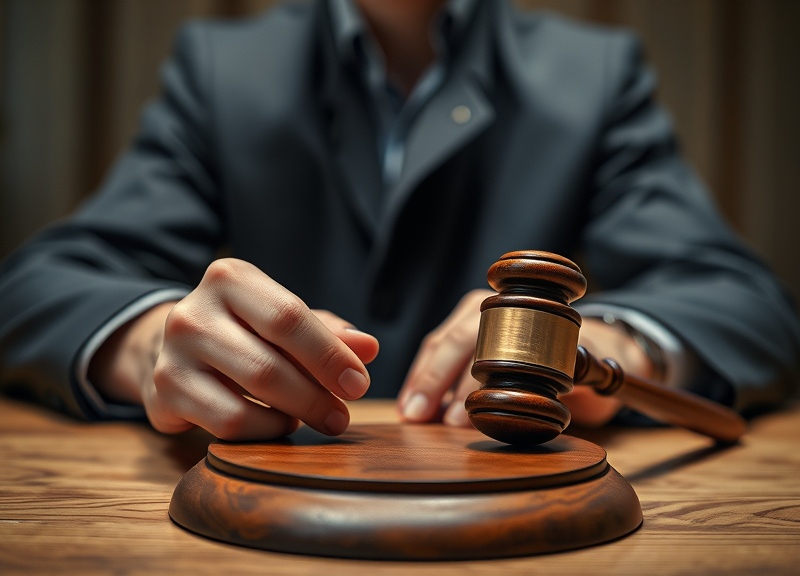
Misdemeanors are unambiguously criminal offences under the law. Though less severe than felonies, they still trigger prosecution, court hearings, and possible criminal penalties. Courts treat misdemeanors as genuine crimes, not merely civil violations or regulatory breaches.
A person found guilty of a misdemeanor acquires a criminal record—this record may impact employment prospects, immigration status, and professional licensing, and can be referenced in future cases involving repeat offences.
Consequences of Misdemeanor Convictions

The consequences of a misdemeanor conviction can include incarceration (usually in jail, not prison), probation, mandatory community service, or payment of fines. Some jurisdictions may offer diversion or deferred adjudication programs for first-time offenses.
A conviction nearly always remains on public record unless later sealed or expunged. This can affect your life for years—sometimes permanently—especially for crimes related to dishonesty or violence.
- Jail sentence (up to 1 year)
- Fines or restitution
- Community supervision
- Expungement eligibility (varies by jurisdiction)
Difference Between Misdemeanor and Felony
Severity and Sentencing Differences
Felonies are more serious than misdemeanors and usually involve harsher penalties, including prison terms longer than a year. Misdemeanors are punishable by county or city jail incarceration, shorter probation periods, and smaller fines.
For example, aggravated assault is often a felony, while simple assault may be a misdemeanor. The secondary keyword, difference between misdemeanor and felony, lies largely in punishment and long-term legal consequences.
Legal Process and Long-Term Impact
Felony cases typically involve grand jury indictments, longer trials, and more complex procedural safeguards than misdemeanors. A felony conviction results in more significant collateral consequences, including loss of voting rights or firearms ownership.
Meanwhile, misdemeanors are handled more quickly and may be eligible for record sealing or expungement, while felonies often are not.
- Felonies may restrict civil rights
- Misdemeanors sometimes eligible for expungement
How Misdemeanor Law Varies Across Jurisdictions
State and Federal Distinctions
In the United States, misdemeanors can be prosecuted under both state and federal law. Most misdemeanors fall under state jurisdiction, with penalties and definitions varying by state statute. Federal misdemeanors include offenses like certain traffic violations on federal land.
Some states subdivide misdemeanors into classes, like Class A or Class B, which have slightly different sentencing guidelines. Always check local laws for specific information and limitations.
- State classifications (A, B, C, etc.)
- Federal versus state prosecution
International Perspectives on Misdemeanors
Different countries define and prosecute misdemeanors in varying ways. In the U.K., the terminology is outdated, and 'summary offences' are now the equivalent of misdemeanors. Many civil law countries also have their own categorization systems.
Consequences and social perceptions of misdemeanors also differ worldwide, making it crucial to understand the specific jurisdiction’s laws if you’re traveling or facing charges abroad.
Penalties and Expungement Options for Misdemeanors
Typical Penalties for Misdemeanors
Common misdemeanor penalties include jail time up to one year, probation, fines typically under $5,000, and mandatory community service. Some crimes may carry specific sanctions, like license suspension for DUI. Repeat offenders may face stiffer penalties than first-time offenders.
Courts also now offer diversion programs or suspended sentences in certain cases, reducing the long-term impact when appropriate.
- Jail (usually county, not state prison)
- Probation
- Fines under $5,000
- Community service hours
Record Sealing and Expungement
Many jurisdictions allow misdemeanor offenders to apply for record sealing or expungement after meeting certain criteria, such as completing the sentence and a waiting period. This can remove the conviction from public databases and background checks.
Not all misdemeanors are eligible—violent or repeat offenses may be excluded. Successful expungement can restore opportunities for employment and housing.
- Expungement eligibility varies
- Sealing removes public access
- May restore civil rights
Long-Term Impact of Misdemeanor Convictions
Employment and Licensing Effects
Misdemeanor convictions can show up on background checks, making it harder to secure employment, especially in sensitive fields like education, finance, or healthcare. Some professional licenses may be denied or revoked based on the nature of the offense.
Being honest about your criminal history is often required, but expungement may help clear your record and open more opportunities.
- Background checks may reveal misdemeanors
- Licensing boards may deny applications
For more in-depth information about the distinctions between criminal offences worldwide, the criminal offense Wikipedia page offers detailed global definitions and context. criminal offense Wikipedia page.
Other Areas of Life Affected
Besides employment, misdemeanor convictions can affect immigration status, eligibility for certain housing, and even travel to some countries. Repeat offenses may escalate the consequences for future legal troubles.
Understanding the difference between misdemeanor and felony can clarify which rights may be at risk, but even a single misdemeanor record is significant for many life situations.
- May impact immigration applications
- Can limit travel options
- Affects housing eligibility
Misdemeanor vs Felony vs Infraction: Legal Category Comparison
Here’s a side-by-side comparison of infractions, misdemeanors, and felonies to make their legal distinctions, penalties, and long-term consequences clear.
| Category | Maximum Jail Time | Typical Fine | Impact on Criminal Record | Examples |
|---|---|---|---|---|
| Infraction | None | Up to $500 | No criminal record | Speeding ticket, parking violation |
| Misdemeanor | Up to 1 year (usually jail) | Up to $5,000 | Yes, creates criminal record | Petty theft, DUI (first offense) |
| Felony | Over 1 year (prison) | $5,000 and above | Yes, serious criminal record | Burglary, aggravated assault |
| Gross Misdemeanor | Up to 2 years (in some states) | Up to $10,000 | Yes, more severe than standard | Repeat DUI, serious vandalism |
Frequently Asked Questions
Is a misdemeanor a criminal offence?
Yes, a misdemeanor is always a criminal offence, though less severe than a felony. A misdemeanor conviction results in a criminal record and may involve jail time, fines, or probation, depending on the specific charge and jurisdiction.
Can a misdemeanor be expunged from my record?
In many cases, misdemeanors can be expunged or sealed after you meet all sentencing requirements and wait a specified period. Each jurisdiction has unique rules, and not all offenses are eligible for expungement, especially violent or repeated offenses.
Does a misdemeanor conviction affect employment?
Yes, misdemeanor convictions often appear on background checks and can affect your chances of being hired, especially in jobs requiring trust or licensure. Some employers may overlook minor offenses, but honesty and record expungement can help.
What is the difference between a misdemeanor and a felony?
Felonies are more serious crimes with stricter penalties, including prison sentences over one year, while misdemeanors result in less severe punishments such as jail time under one year, fines, or probation. Both create criminal records.
Are misdemeanors prosecuted in the same way as felonies?
No, misdemeanors are usually prosecuted through less complex procedures, often without grand jury involvement. Trials are shorter, and sentencing options are generally more flexible compared to those for felonies.
Key Takeaways
- Misdemeanors are criminal offences, not merely civil violations.
- Consequences include jail, fines, and lasting criminal records.
- Expungement is possible for many, but not all, misdemeanors.
- Understanding legal distinctions affects your rights and future.
Conclusion
When considering whether a misdemeanor is a criminal offence, it is vital to recognize that—even though less severe than felonies—misdemeanors are legally classified as crimes and prosecuted as such. The distinction between infractions, misdemeanors, and felonies can have a profound impact on your life and your rights. Understanding the criminal nature of misdemeanors equips you to make informed choices, seek legal guidance if charged, and anticipate the consequences of your actions.
For individuals facing common charges like petty theft, DUI, or vandalism, options such as diversion programs, plea bargains, or even expungement may be available, particularly for first-time or nonviolent offenders. However, for those with prior convictions or more serious charges like gross misdemeanors, the legal and practical barriers become higher. Comparing categories such as felony versus misdemeanor helps clarify possibilities and consequences in your unique situation.
Whether you are researching for personal reasons or navigating charges yourself, always check your local laws and consult a qualified attorney. Acting early—exploring options for diversion, sealing, or expungement—can lessen the lifelong burden of even minor offenses. Stay proactive about your rights and obligations to mitigate the impact a misdemeanor criminal offence could have on your future.




3 Comments