What is Night Vision? Understanding How Night Vision Technology Works
Night vision is a technology that allows humans to see in low-light or complete darkness by amplifying available light or detecting infrared radiation. It is commonly used in military, security, and wildlife observation to enhance visibility when natural light is insufficient.
Understanding what is night vision matters because it transforms our ability to observe and operate in conditions previously considered impossible, significantly improving safety and operational efficiency in many fields.
This article will explore the fundamentals of night vision, different types of night vision devices, how the technology works, its applications, and key factors to consider when choosing night vision equipment.
How Night Vision Technology Works
Image Intensification
Image intensification is the primary method used in most night vision devices, where existing light, including infrared light, is collected through a lens and converted into electrons. These electrons are then amplified and converted back into visible light on a phosphor screen, producing a clear, illuminated image in darkness.
This technology relies on any available ambient light, like moonlight or starlight. The amplification factor allows users to see details that would be invisible to the naked eye under low-light conditions.
Thermal Imaging
Thermal imaging detects heat emitted by objects rather than relying on visible light. Special sensors pick up infrared radiation and create a visual map of temperature differences, which is displayed as an image with varying shades indicating heat levels.
Unlike image intensification, thermal imaging works in complete darkness, through smoke and fog, and can detect living beings and warm objects regardless of lighting conditions.
Types of Night Vision Devices
Night Vision Goggles and Monoculars
Night vision goggles and monoculars use image intensification technology to amplify ambient light. Goggles typically provide binocular vision and are worn on the head, while monoculars are handheld or helmet-mounted with one eye.
These devices are lightweight and portable, popular for tactical operations, wildlife observation, and navigation in dark conditions.
Thermal Scopes and Cameras
Thermal scopes and cameras detect heat signatures to form images, suitable for target acquisition and surveillance in zero light. They are often bulkier and more expensive but excel in detecting warm objects through obscurants like fog.
Because they do not depend on visible light, thermal night vision devices provide a distinct advantage in complete darkness and harsh environments.
Applications of Night Vision Technology
Military and Law Enforcement
Night vision technology is widely used by military and law enforcement for surveillance, reconnaissance, and tactical missions. It allows personnel to operate effectively in darkness, maintaining situational awareness and safety.
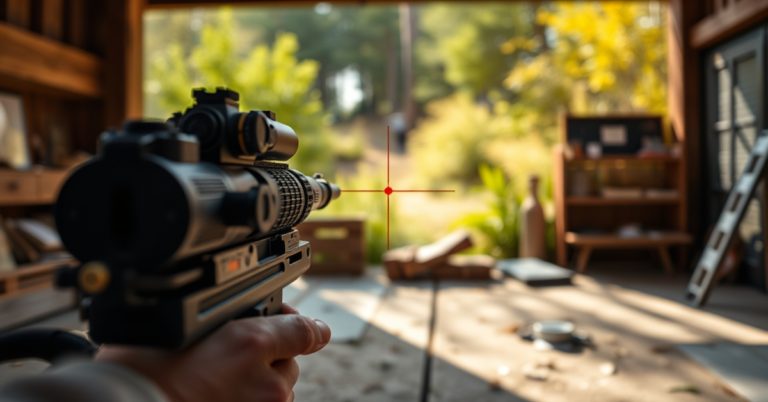
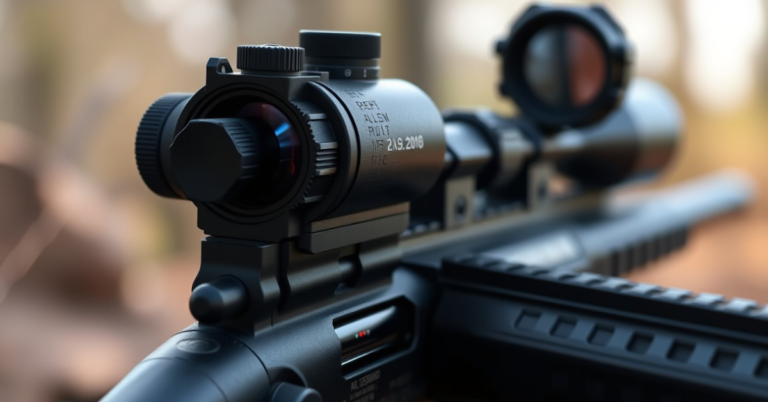
Devices like night vision goggles and weapon scopes enhance target identification and reduce risks during night operations.
- Night patrols
- Search and rescue
- Covert operations
For more on this, see our related guide: Are Night Vision Goggles Legal? Everything You Need to Know.
Wildlife Observation and Outdoor Activities
Night vision devices enable naturalists and hunters to observe nocturnal animals without disturbing their habitat. Additionally, outdoor enthusiasts use night vision to navigate safely in darkness during camping or hiking.
This technology offers a unique window into the nighttime behavior of wildlife and improves safety in low-light outdoor scenarios.
- Nocturnal animal monitoring
- Night hunting
- Safe night navigation
Key Features to Consider in Night Vision Devices
Resolution and Image Quality
Higher resolution in a night vision device translates to crisper images and better detail recognition. Image quality depends on factors like the generation of the image intensifier tube and lens optics.
For precise identification, especially in tactical situations, selecting a device with superior resolution is critical.
- Generations I – IV
- Lens quality
- Image clarity
Range and Field of View
The range indicates the maximum distance at which the device can detect objects, while the field of view determines how wide an area is visible at once. A wider field of view is useful for navigation, whereas longer range benefits observation and targeting.
Balance between range and field of view depends on intended use.
- Detection range
- Magnification
- Wide vs. narrow field of view
Maintenance and Durability of Night Vision Devices
Weather Resistance and Build Quality
Night vision equipment often operates in harsh environments, so weather resistance against water, dust, and shocks is crucial. Durable construction materials like reinforced polymers or metal housings improve longevity.
Choosing devices rated for rugged use ensures dependable performance in all conditions.
- IP ratings for water/dust resistance
- Shock-proof design
- Temperature tolerance
For more on this, see our related guide: How to Create Night Vision: A Practical Guide for DIY Enthusiasts.
Battery Life and Power Options
Battery life determines how long a night vision device can function in the field. Many devices use AA or CR123 batteries, with some models offering rechargeable power sources for convenience.
Consider battery availability, runtime, and ease of replacement when selecting a night vision device.
- Battery type and capacity
- Rechargeable vs disposable
- Power-saving features
Night Vision Devices vs. Infrared Cameras
Differences in Technology
Night vision devices usually amplify ambient light, while infrared cameras actively emit infrared light to capture heat signatures. This fundamental difference affects performance and applications.
Infrared cameras provide thermal imaging capabilities that detect temperature variations, whereas night vision devices produce images based on light intensification.
For a deeper dive into the science behind this technology, you can explore comprehensive night vision technology details on Wikipedia. night vision technology details.
Choosing Based on Application
Select night vision devices for applications requiring natural-looking images in low light, such as navigation or stealth operations. Infrared cameras excel in search and rescue or surveillance where heat signatures are crucial.
Understanding their distinct strengths will guide the best choice for specific needs.
Night Vision Device Category Comparison
The table below compares popular night vision device categories to help you identify which one suits your needs best.
| Category | Technology Type | Typical Range | Field of View | Weight | Price Range |
|---|---|---|---|---|---|
| Generation 1 Goggles | Image Intensification | 75-150 meters | 40-50° | 350-500g | $200-$500 |
| Generation 2 Scopes | Image Intensification | 150-250 meters | 30-40° | 400-700g | $700-$2000 |
| Generation 3 Devices | Image Intensification | 300-450 meters | 40-50° | 500-800g | $2500-$5000 |
| Thermal Scopes | Thermal Imaging | 500+ meters | 10-20° | 600-900g | $2000-$6000 |
| Digital Night Vision | Electronic Amplification | 100-200 meters | 35-45° | 300-600g | $300-$1000 |
Frequently Asked Questions
Can night vision devices work in complete darkness?
Traditional image intensification night vision devices require some ambient light to amplify, so they may struggle in total darkness. Thermal imaging devices, however, work without any light by detecting heat.
What are the different generations of night vision technology?
Night vision is categorized into generations I through IV, with newer generations offering better image clarity, brightness, and range due to improvements in image intensifier tubes.
Are night vision devices safe to use for the eyes?
Yes, night vision devices are designed to be safe for human eyes. They use passive infrared and visible light amplification without harmful radiation.
How long do batteries typically last in night vision devices?
Battery life varies but typically ranges from 20 to 40 hours depending on device type, usage intensity, and battery quality.
Can night vision be used for civilian purposes?
Absolutely. Night vision devices are widely used by civilians for outdoor recreation, security, and wildlife observation.
Key Takeaways
- Night vision technology amplifies ambient light or detects heat to enable visibility in low-light conditions.
- Different types include image intensification devices and thermal imaging cameras with distinct advantages.
- Choosing the right night vision device depends on use case, range, image quality, and durability.
- Understanding key features and applications ensures optimal selection and efficient use.
Conclusion
Deciding what is night vision and how to choose the best device involves understanding the core technologies—image intensification and thermal imaging—and matching their capabilities to your specific needs. Carefully consider factors such as resolution, range, field of view, and power sources to ensure that your chosen device performs effectively in the intended environment. Each generation of night vision technology offers distinct features and performance levels, impacting usability and cost.
If your primary need is for nighttime navigation or observing surroundings with natural image rendition, Generation 2 or 3 night vision goggles or monoculars are excellent options with high resolution and good range. For tasks demanding detection through obstacles like fog or complete darkness, thermal scopes provide superior capability. Digital night vision devices offer a blend of affordability and modern convenience but may have limitations in image clarity compared to analog systems. Selecting based on application scenarios will optimize your investment.
Ultimately, the best next step is to define your specific requirements and budget, then explore models within the appropriate category. Testing devices in real conditions when possible will offer valuable insight. As night vision technologies continue evolving, staying informed about advancements will help maintain an edge in low-light visibility solutions.