
How to Get Night Vision: The Complete Guide for Clear Sight in the Dark
If you want to know how to get night vision, the simplest answer is that your eyes can adapt to darkness naturally over time, but you can also enhance your ability using specialized night vision devices or practical techniques. Staying in low light for about 20-30 minutes allows your eyes' rod cells to become more sensitive, improving your ability to see in the dark without assistance. For challenging conditions or total darkness, technology such as night vision goggles or thermal cameras provides a significant advantage.
Understanding and improving night vision is crucial for outdoor enthusiasts, military personnel, and anyone active in low-light environments. It affects safety whether you're navigating a dark campsite, driving at night, or ensuring security during midnight shifts. Natural adaptation is valuable, but knowing the full array of aids and training can make a noticeable difference.
This guide explains exactly how to get night vision, covering science-backed natural methods, the best types of night vision devices, tips for rapid adaptation, and an in-depth look at how these options compare. Whether you're prepping for an adventure or just want an edge in the dark, you'll find what you need right here.
Understanding How Night Vision Works
The Role of Rod Cells in Your Eyes
Rod cells are specialized photoreceptors responsible for helping you see in low-light conditions. When the environment dims, these cells take the lead, detecting even minimal levels of light. They don’t distinguish colors well, but they excel at detecting movement and shapes.
As your eyes move from bright to dark areas, the rod cells increase their sensitivity through a process called dark adaptation. This adjustment can take up to 30 minutes, with peripheral vision often becoming sharper than your direct line of sight in near-total darkness.
The Effects of Light Exposure on Night Vision
Sudden flashes or prolonged exposure to bright lights can temporarily destroy your eyes’ night sensitivity by overwhelming rod cells with too much light. Simple actions like looking at your phone screen can undo your adaptation.
To maintain night vision, avoid direct light exposure and use red or green filters on flashlights, as these colors preserve your nodes’ ability to remain adapted to the darkness.
- Avoid looking at bright screens
- Use dim red or green lights
- Give your eyes time to adapt
Natural Techniques to Improve Night Vision
Adaptation Methods for Your Eyes
Allowing your eyes to gradually acclimate in low light is key to maximizing natural night vision. Closing one eye in lit spaces preserves adaptation in the other—a trick often used by pilots and sailors.
Wearing sunglasses before entering dark areas helps reduce the shock of adjusting. Eating foods rich in vitamin A, such as carrots or leafy greens, supports eye health, but it won’t instantly give you night vision.
- Close one eye in bright areas
- Wear sunglasses before darkness
- Eat vitamin A-rich foods
Reducing Obstacles to Night Vision
Avoiding alcohol, managing eye fatigue, and steering clear of bright sources at night are essential for preserving your natural night vision. Dry eyes or eye strain can significantly decrease your ability to see clearly in the dark.
Hydration and a balanced diet can also make small improvements. If you must use a light, apply a thin layer of red cellophane over it to prevent temporary blindness.
- Limit alcohol intake
- Avoid staring at lights
- Keep eyes rested and hydrated
Night Vision Devices and How to Use Them
Types of Night Vision Devices
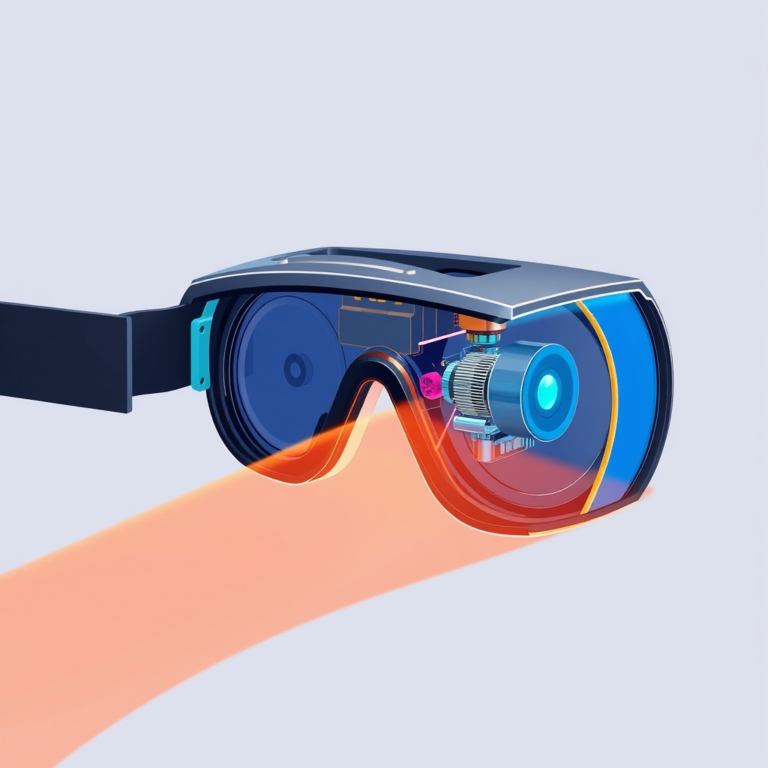
There are several types of night vision devices, including image intensifiers, digital night vision, and thermal imagers. Image intensifiers amplify existing light, producing the classic green night vision view. Digital night vision devices rely on sensors and often offer color screens.
Thermal imagers detect heat signatures rather than visible light, making them ideal for locating animals or people in absolute darkness. Each device type has distinct advantages depending on your specific needs and budget.
- Image intensifiers
- Digital night vision devices
- Thermal imagers
For more on this, see our related guide: Are Night Vision Goggles Legal? Everything You Need to Know.
Selecting and Caring for Night Vision Devices
When choosing a night vision device, consider light conditions, required range, battery life, and weight. For general outdoor use, Gen 2 or Gen 3 image intensifiers provide a good balance of price and performance, while thermal imagers are best for security and search operations.
Proper care extends device longevity—avoid intense light exposure, replace batteries regularly, and store equipment in dry conditions to prevent damage or fogging.
- Opt for Gen 2 or 3 for versatile use
- Keep devices away from bright lights
- Regularly check and replace batteries
Training Your Eyes for Better Night Vision
Eye Exercises and Focus Techniques
Practicing using your peripheral vision is crucial. Look slightly to the side of objects rather than directly at them for improved recognition. This method takes advantage of rod cells clustered at the edge of your retina.
Blink slowly and avoid squinting; this relaxes your eyes and reduces strain which can otherwise hinder adaptation. Over time, such exercises enhance both short-term and cumulative night vision performance.
Building Consistent Night Vision Habits
Creating habits like gradually decreasing light levels an hour before night activities can help your eyes adjust more quickly. Consistent exposure to lower light cues over time improves your baseline night vision.
Practice navigating familiar areas in low light and challenge yourself without artificial lights to encourage neural adaptation as well as improved confidence in the dark.
- Lower lights before night activities
- Train regularly in dim environments
Do-It-Yourself Night Vision: Myths and Real Approaches
Common Night Vision Myths Debunked
Contrary to popular belief, eating excessive carrots or consuming rare supplements won’t magically grant you the ability to see in total darkness. While vitamin A is important, its benefits are limited to general ocular health.
Some myths claim that massaging eyes or using special drops can drastically boost vision at night, but there is no credible scientific basis for these approaches.
- No food provides true night vision
- Eye drops don’t give superhuman sight
For more on this, see our related guide: How to Create Night Vision: A Practical Guide for DIY Enthusiasts.
How to Build DIY Night Vision Solutions
With creativity, you can fashion basic night vision devices using old digital cameras and infrared (IR) light sources. Digital cameras see IR light that human eyes can’t, and removing the IR filter makes them sensitive to this spectrum.
Pair the modified camera with a strong IR flashlight for a functional DIY setup at close ranges. However, DIY solutions rarely match the quality or range of commercial night vision devices.
- Modify cameras to remove IR filter
- Use IR flashlights for illumination
- Expect limited range and clarity
Safety, Ethics, and Legal Aspects of Night Vision Use
Safe Use of Night Vision Technology
Night vision devices can be disorienting and cause tunnel vision, so it’s important to move slowly and take breaks. Always check the safety of your surroundings before using the technology, especially in hazardous environments.
Prolonged use may lead to eye strain or headaches. Follow the manufacturer's guidelines and avoid sharing headsets or eyepieces to prevent potential eye infections.
For a deeper exploration of the science, history, and technology behind night vision, visit the comprehensive Night vision article. Night vision.
Legal Restrictions and Responsible Use
Check local regulations before buying or using night vision devices. In some places, certain generations of night vision are restricted for civilian use, particularly for hunting or surveillance.
Respecting privacy and obtaining permissions is crucial, as misusing night vision for secretive monitoring can have serious legal consequences. Responsible use protects both you and others.
- Research local laws
- Use devices ethically
- Obtain permissions if required
Night Vision Solutions Comparison
Explore this comparison table to see how natural adaptation, night vision devices, and DIY setups stack up across key factors such as performance, cost, and usability.
| Category | Effectiveness | Cost | Usability | Maintenance |
|---|---|---|---|---|
| Natural Adaptation | Good in dim light, not in pitch black | Free | No equipment needed | None |
| Night Vision Devices | Excellent in near and total darkness | $600–$5000 | Easy with training | Medium—battery & care |
| Thermal Imagers | Accurate heat detection in all conditions | $1600–$8000 | Simple interface | Low—keep dry |
| DIY Night Vision | Limited, works with ambient IR light | $80–$300 | Basic assembly required | High—fragile & homebuilt |
| Red-Tinted Flashlights | Preserves vision but limited range | $10–$50 | Very easy | Very low |
Frequently Asked Questions
How long does it take to get natural night vision?
On average, it takes about 20 to 30 minutes for your eyes to fully adapt to darkness. Avoiding bright lights during this time helps maximize your night vision capabilities.
What are the best night vision devices for beginners?
Digital night vision devices and entry-level Gen 2 goggles are excellent for beginners due to their user-friendly features, reasonable price, and good performance in low-light conditions.
Can I improve night vision with food or supplements?
A balanced diet with plenty of vitamin A can support general eye health, but no food or supplement instantly improves how to get night vision or provides superhuman ability to see in absolute darkness.
Is using night vision technology legal everywhere?
No, regulations vary by country and state. Some restrict higher-generation devices or specific uses, especially for hunting or surveillance. Always research local laws before buying or using any night vision gear.
Are there any risks or side effects from night vision devices?
Prolonged use can cause eye strain, headaches, and disorientation. Always follow safe use guidelines, take frequent breaks, and ensure your device is up to date and clean to minimize any potential discomfort or risk.
Key Takeaways
- Natural night vision can be enhanced through adaptation and healthy habits.
- Night vision devices offer superior performance in complete darkness.
- Legal and ethical considerations are important when using advanced technology.
- DIY solutions provide low-cost entry but have notable limitations.
Conclusion
Achieving reliable night vision depends on both understanding the limits of our natural eyesight and knowing when to leverage technology. By combining consistent adaptation techniques with practical tools such as night vision devices or red-light management, you can significantly enhance your ability to see in the dark. It’s essential to experiment with different strategies and equipment, stay informed about safe usage practices, and remain patient as your skills develop.
For those seeking the best results in pitch-black environments, investing in night vision devices like digital night vision goggles or thermal imagers is the most reliable choice. Outdoor enthusiasts, security professionals, and nighttime navigators may find the Gen 2 or Gen 3 night vision devices ideal for their needs, while DIY approaches serve best as affordable learning tools where advanced performance is not critical.
Regardless of your approach, adopting a mix of natural habits and mindful use of technology enables you to see clearly when it matters most. Evaluate your environment, goals, and legal requirements before deciding how to get night vision effectively and safely. Take time to practice and maintain your gear for best results when darkness falls.



2 Comments