Will MX 9916 Fit in a PVS 14 Body? A Practical Compatibility Guide
The MX 9916, a widely used helmet mount, is designed to fit certain night vision devices, but whether it fits in a PVS 14 body depends on specific mounting configurations. Directly, the MX 9916 is generally not compatible with the PVS 14 body without adapters or custom setups.
Understanding this matters because the PVS 14 is a standard Night Vision Monocular favored for its versatility and compact design. Mount fit and compatibility directly affect ergonomic use and operational effectiveness during fieldwork or tactical missions.
This article will explore the key technical factors influencing MX 9916 and PVS 14 compatibility, discuss alternative helmet mounting options, explain what modifications or adapters may be required, and provide practical comparison points to help you make an informed decision.
Understanding the MX 9916 Helmet Mount and PVS 14 Body
Design Features of the MX 9916 Helmet Mount
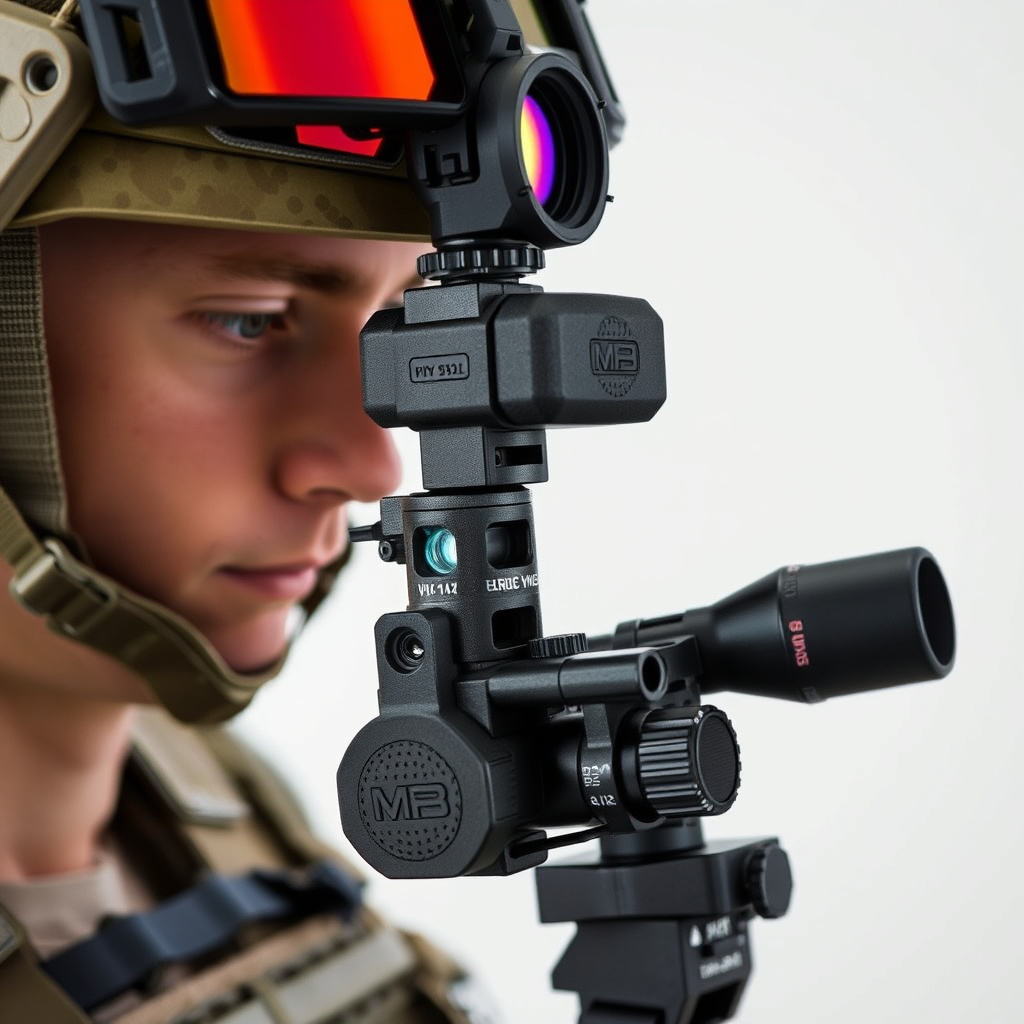
The MX 9916 helmet mount is engineered specifically for standard night vision goggle (NVG) bodies, typically compatible with certain dual-tube devices. It includes quick-release mechanisms and adjustable arms to secure the night vision gear firmly on the helmet.
Its construction often caters to heavier or bulkier devices, featuring specific attachment points not always present on monocular-style devices like the PVS 14, which is primarily a single-tube NVG.
- Quick-release lever for easy detachment
- Adjustable angle positioning arms
- Compatible mainly with dual-tube NVGs
Physical Characteristics of the PVS 14 Body
The PVS 14 is a lightweight, single-tube monocular known for its compact size and versatile mounting options. Unlike binocular-style NVGs, its body has a narrower footprint and often uses different mounting adapters.
Its design favors universal quick-detach mounts suited for single-lens configurations and varies from the mounting interface used by the MX 9916, creating compatibility issues if not paired with the right adapter.
- Single-tube monocular design
- Lightweight and compact structure
- Uses single-tube NVG mounting standards
Compatibility Challenges Between MX 9916 and PVS 14
Mismatch in Mounting Interfaces
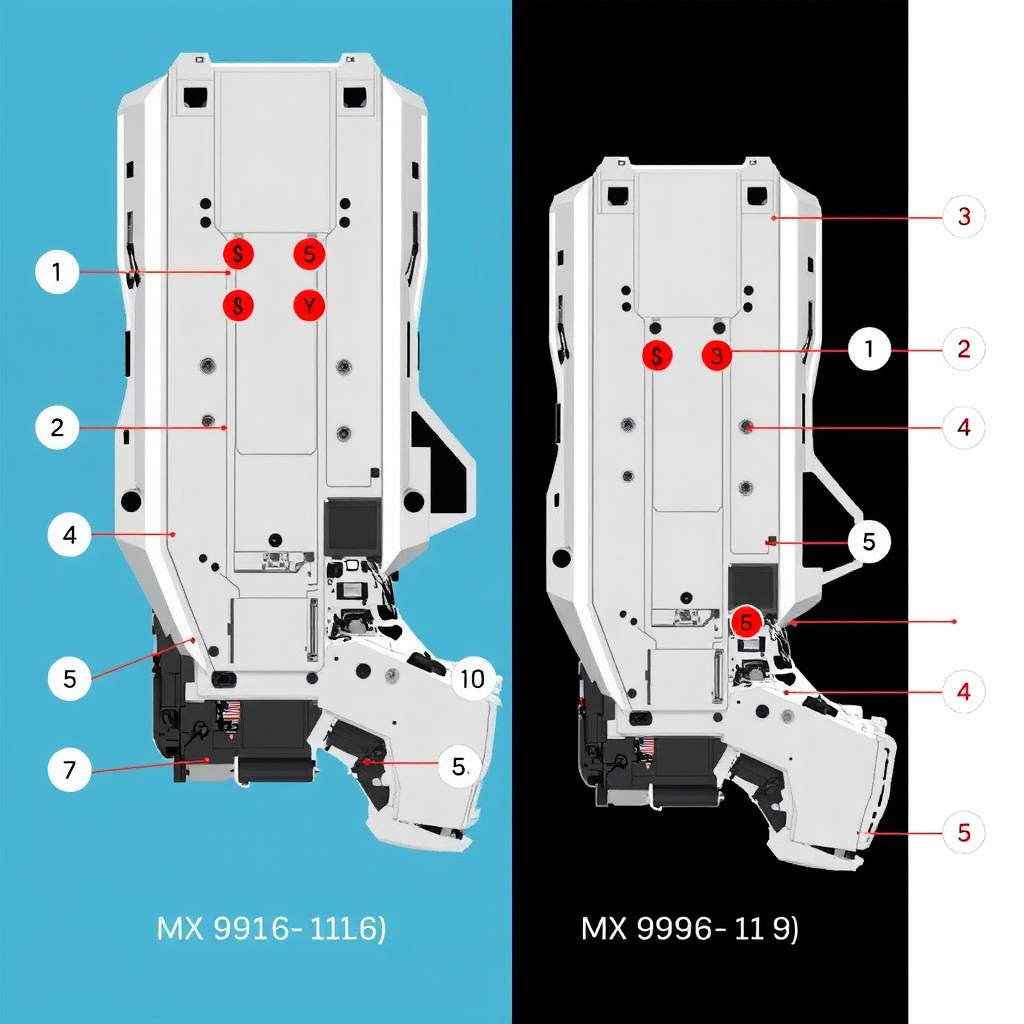
The MX 9916 mount connects to helmets and night vision devices via a mounting interface optimized for binocular goggles, typically with wider, dual-lug configurations. The PVS 14’s mounting shoe is slimmer and uses a single lug style.
This difference means the MX 9916 cannot directly lock into a PVS 14 body without an adapter that compensates for lug spacing and alignment, causing both mechanical and ergonomic fit challenges.
- Dual-lug vs. single-lug design
- Disparate weight distribution affecting balance
- Potential helmet interference without adapters
Weight and Balance Considerations
Even if physically adapted, the MX 9916 mount's weight and geometry are tuned toward heavier binocular NVGs, which can lead to suboptimal balance when used with a lighter PVS 14. This might cause discomfort or strain during extended use.
Helmets fitted with mismatched mounts may also experience added stress at undesirable points, potentially compromising stability or secure mounting of the PVS 14 device during movement.
- Risk of neck strain due to improper weight distribution
- Possible reduced operational stability
- Helmet stress and traction issues
Adapter Solutions for MX 9916 and PVS 14 Integration
Available Adapters and Conversion Kits
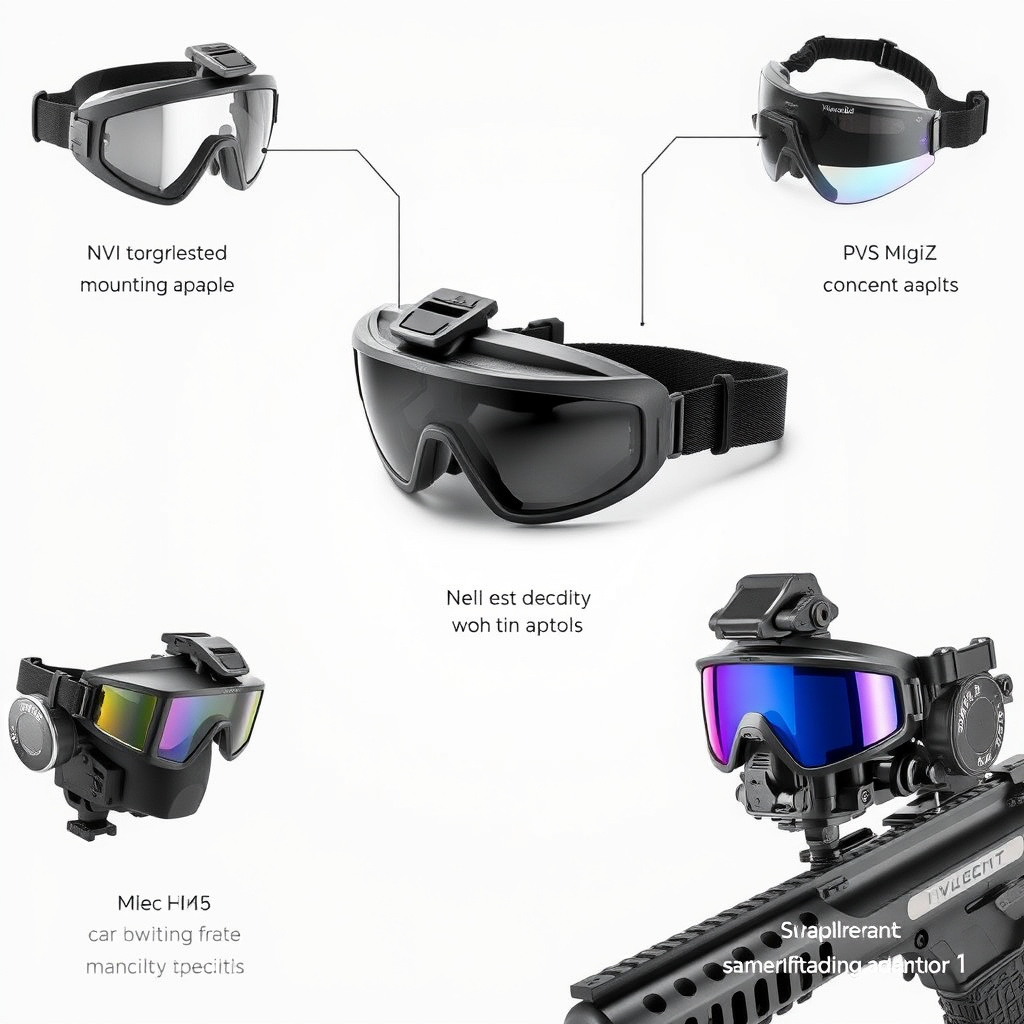
Several third-party and OEM adapters exist that bridge the mounting gap between the MX 9916 and PVS 14 bodies. These adapters modify lug spacing or provide intermediary mounting plates to permit secure attachment.
Adapter choice depends on helmet type and user preference, with some designed for quick conversion while others require semi-permanent installation or minor modification of the helmet or mount.
- Lug conversion plates
- Quick-detach adapter sleeves
- Custom mounting brackets
Installation and Practical Use of Adapters
Proper installation of adapters is essential to maintain safety and functionality. Users need to follow detailed manufacturer guidelines to secure lock mechanisms and ensure the PVS 14 is stable under operational conditions.
Adapters might add minor bulk or weight, so it’s wise to test fit and field-check balance after installation. Some may require tools or permanent mounting holes, which should be factored into user decisions.
- Use provided torque specifications
- Verify secure lock engagement
- Conduct field testing for balance and comfort
Alternative Helmet Mounts for PVS 14 Night Vision Devices
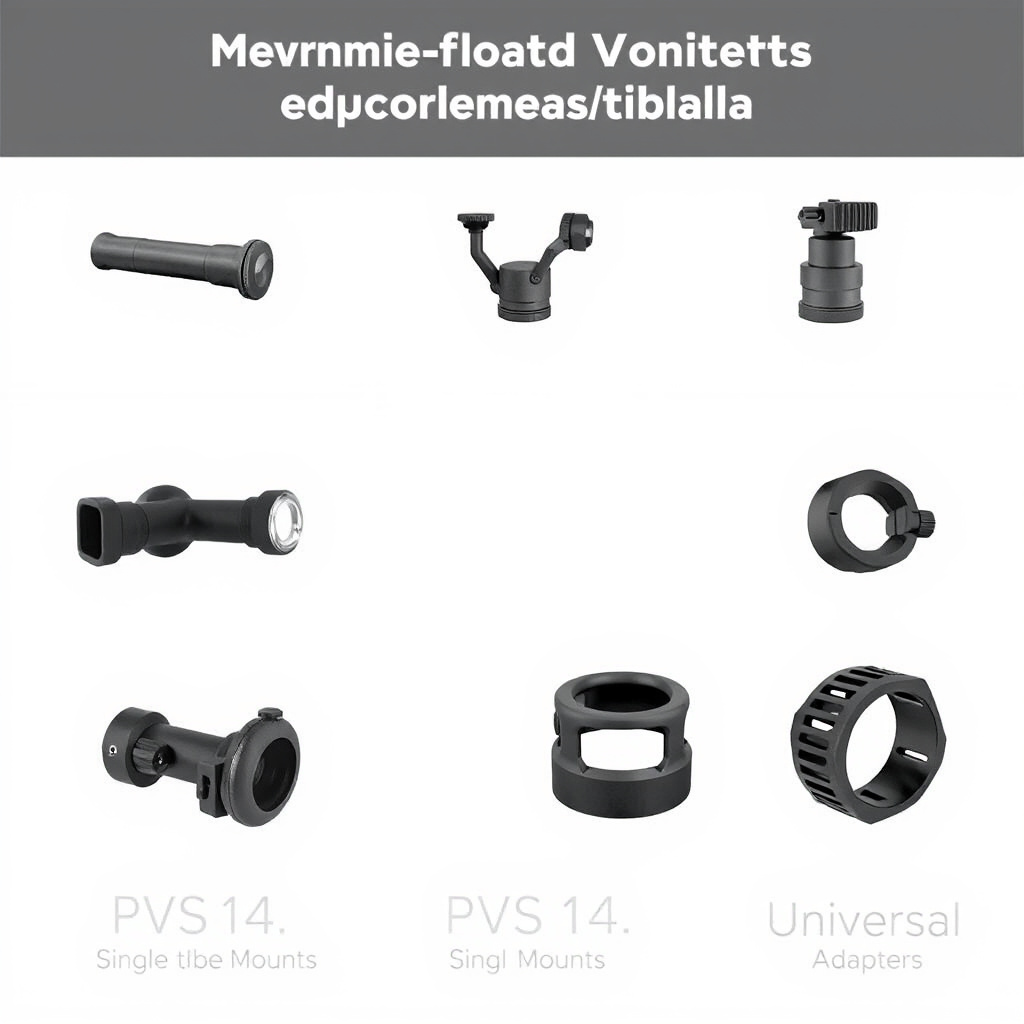
Dedicated PVS 14 Mounts
Considering the challenges of fitting the MX 9916, many users opt for mounts designed specifically for the PVS 14. These mounts provide direct compatibility, lightweight design, and improved ergonomics tailored to monocular devices.
They often feature similar quick-release mechanisms but with single-lug fittings and angled adjustment arms optimized for the PVS 14’s form factor.
- Lightweight single-lug mounts
- Adjustable tilt and height
- Compatibility with standard helmet rails
Universal and Modular Helmets Mounting Systems
Universal mounting systems use modular adapters to fit a wide range of NVG devices, including the PVS 14. These systems allow users to interchange mounts without swapping entire hardware setups, enhancing versatility.
They suit operators who alternate night vision equipment and require rapid changes but might add complexity or cost compared to single-purpose mounts.
- Modular adapter plates
- Interchangeable mount assemblies
- Quick-change locking mechanisms
Maintenance and Durability Concerns with MX 9916 and PVS 14 Setups
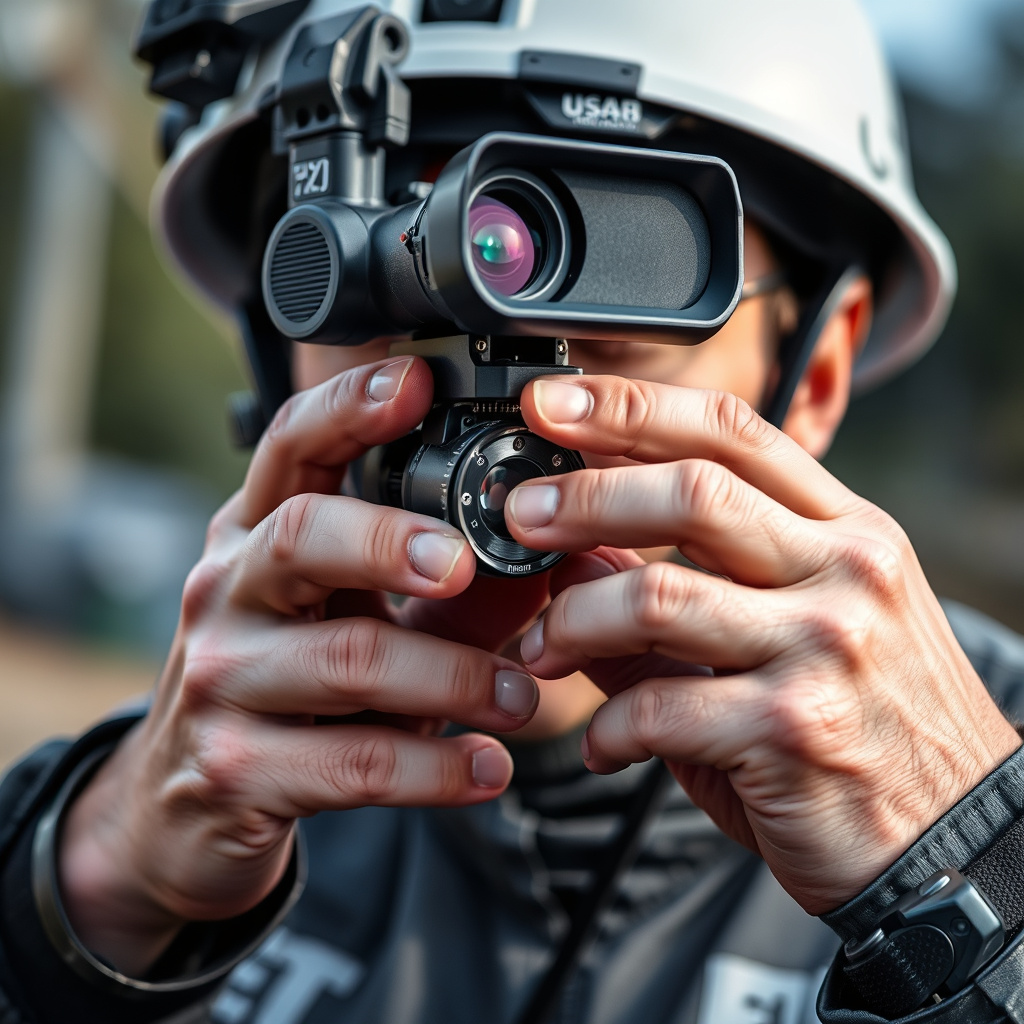
Wear and Stress Points on Modified Mounts
Using the MX 9916 with PVS 14 via adapters can introduce stress to mounting points not originally designed for such arrangements. Over time, this may lead to wear, loosening of fasteners, or damage to the helmet or NVG body.
Regular inspections focusing on mounting screws, locking levers, and adapter conditions help identify early signs of failure and preserve device longevity.
- Frequent check of locking mechanisms
- Inspect adapter interfaces for microcracks
- Monitor helmet contact points for abrasion
Best Practices for Longevity
Cleaning mounts and adapters with non-corrosive solutions, avoiding exposure to extreme moisture, and storing equipment in vibration-damping cases extends service life.
Periodically tightening fasteners and replacing worn parts according to manufacturer recommendations safeguard against unexpected failures during critical operations.
- Use silica gel packs in storage cases
- Avoid harsh chemical cleaners
- Follow service intervals for mounts and adapters
User Experiences and Community Feedback on MX 9916 and PVS 14 Use
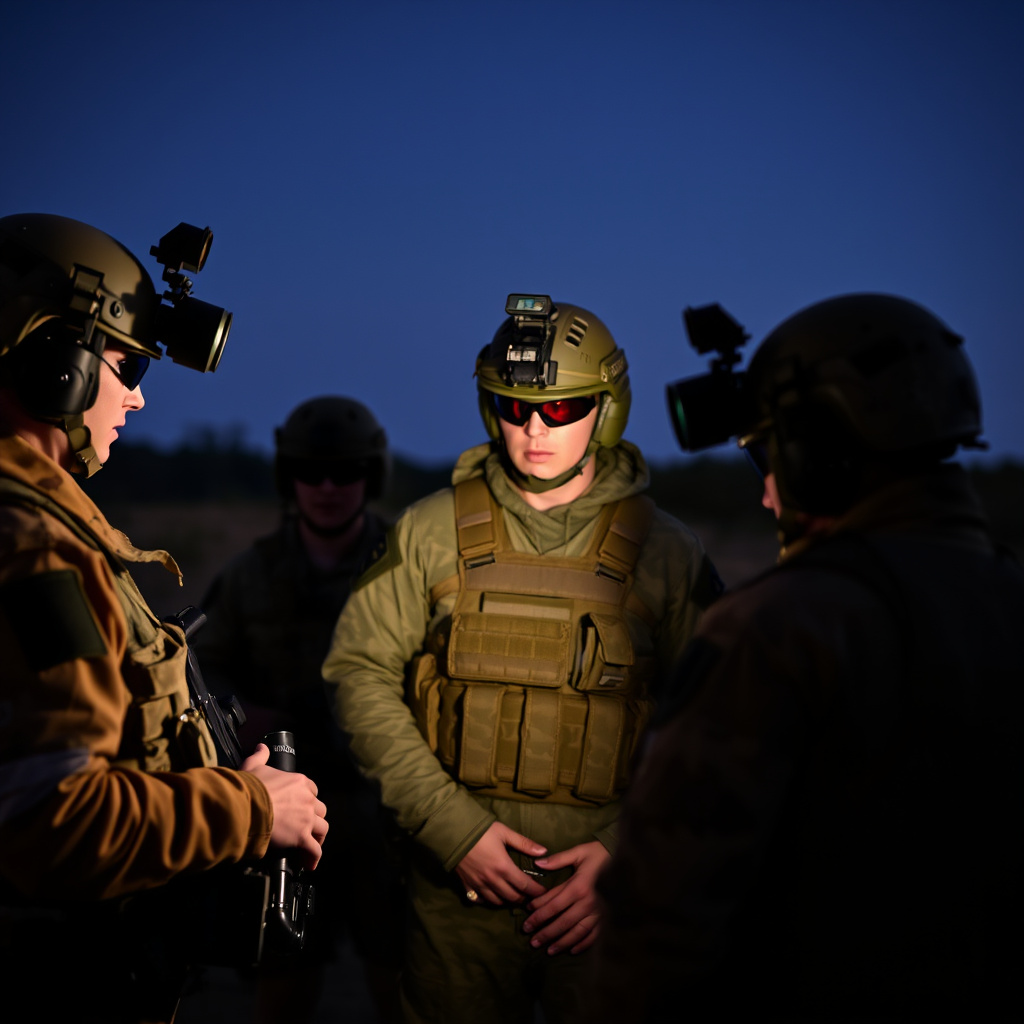
Common User Reported Issues
Many users report difficulty achieving a secure fit when pairing MX 9916 mounts with PVS 14 bodies without adapters, noting issues such as looseness or device wobble under movement.
Others mention the weight imbalance as a factor affecting comfort and suggest switching to dedicated PVS 14 mounts to mitigate this.
- Device slippage reported without adapters
- Helmet discomfort during long missions
- Frustration with adapter alignment challenges
For more detailed technical specifications and history of the PVS 14 night vision device, check out the official overview. PVS-14 night vision monocular information.
Preferred Setups Among Operators
Experienced night vision operators often prefer mounts specifically designed for their device type, citing consistent stability and streamlined profile advantages.
However, some have successfully customized MX 9916 mounts with specific adapters and reinforce their helmets, balancing cost and utility depending on mission requirements.
- Dedicated PVS 14 single-lug mounts favored
- Customized adapter use in specialized units
- Importance of hands-on fitting trials
Comparison of Helmet Mount Options for PVS 14 Compatibility
Here’s a quick overview comparing different helmet mount categories regarding PVS 14 compatibility, weight, and ease of use.
| Mount Type | PVS 14 Compatibility | Weight (grams) | Ease of Installation | Typical Use Case |
|---|---|---|---|---|
| MX 9916 (without adapter) | Not Compatible | 250 | Low | Dual-tube NVGs |
| MX 9916 with Adapter | Compatible with effort | 280 | Medium | Custom single-tube setups |
| Dedicated PVS 14 Mount | Fully Compatible | 150 | High | Single-tube monoculars |
| Universal Modular Mounts | Compatible with adapter | 200 | Medium | Multiple device types |
| Generic Single-Lug Quick Attach | Directly Compatible | 140 | High | Lightweight NVGs |
Frequently Asked Questions
Can the MX 9916 helmet mount be used directly with a PVS 14?
No, the MX 9916 helmet mount is generally designed for dual-tube NVGs and does not fit the PVS 14 body without an adapter to bridge mounting differences.
What is needed to attach a PVS 14 to an MX 9916 mount?
You need a specific adapter that converts the dual-lug interface of the MX 9916 to the single-lug style used by the PVS 14, ensuring secure attachment and proper alignment.
Are dedicated PVS 14 mounts better than using MX 9916 with adapters?
Dedicated PVS 14 mounts usually provide better ergonomics, weight balance, and simpler installation compared to adapting MX 9916 mounts, which may add complexity.
How does weight affect the use of night vision on helmets?
Mount and device weight affect helmet comfort and balance; heavier mounts can cause neck strain and instability, emphasizing the need to match mounts to device weight.
Is professional installation required for adapters between MX 9916 and PVS 14?
While basic installation can be DIY, professional installation is recommended to verify secure locking and prevent equipment damage when using adapters.
Key Takeaways
- The MX 9916 mount is not directly compatible with the PVS 14 body without adapters.
- Adapters can bridge mounting differences but may add weight and complexity.
- Dedicated PVS 14 mounts offer better fit, balance, and ease of use for monocular devices.
- Proper maintenance and inspection preserve mount and device longevity.
Conclusion
Determining if the MX 9916 fits in a PVS 14 body hinges on recognizing the distinct design intentions behind each component. The MX 9916 is tailored for dual-tube night vision devices, whereas the PVS 14’s single-tube form factor requires specific mounting accommodations. For users aiming to integrate these components, evaluating physical compatibility and operational practicality is the first step toward sound equipment choices.
For operators needing reliable and balanced night vision setups, selecting dedicated mounts designed specifically for the PVS 14 generally represents the smoother path. These mounts optimize comfort and function without the hassle of configuring adapters. However, those with existing MX 9916 mounts and goals to employ the PVS 14 can consider quality adapters, weighing trade-offs in terms of weight and installation challenges against cost and convenience.
Ultimately, the recommended approach involves testing configurations whenever possible, prioritizing stability and user comfort during actual operational conditions. Seeking professional guidance or consulting detailed manuals before installation helps avoid equipment damage and promotes longevity. Whether you adapt an MX 9916 or switch to a dedicated PVS 14 mount, thoughtful selection will reflect in field effectiveness and ease of use.