How to Detect Night Vision Camera in Theatre: Practical Tips for Privacy
Spotting a night vision camera in a theatre often involves looking for hidden infrared (IR) lights or lenses using your smartphone camera or scanning the room for telltale reflections. Many night vision cameras emit invisible IR light to see in darkness, but while humans can’t see this, most smartphone or digital camera sensors can—making these devices valuable tools for theatre night vision camera detection.
Being aware of hidden cameras in entertainment venues is critical for preserving privacy and personal security. As hidden surveillance tools become more accessible and affordable, more people are concerned about possible unauthorized filming or recording, especially in spaces like theatres where privacy is expected.
This article will guide you through proven techniques to detect night vision cameras in a theatre, explain the types of devices you might encounter, cover the tools and signs to look for, and offer tips for preventing unwanted surveillance. By the end, you’ll feel more confident about protecting your privacy whenever you visit a theatre.
Understanding Night Vision Camera Technology
How Night Vision Cameras Work in Low Light
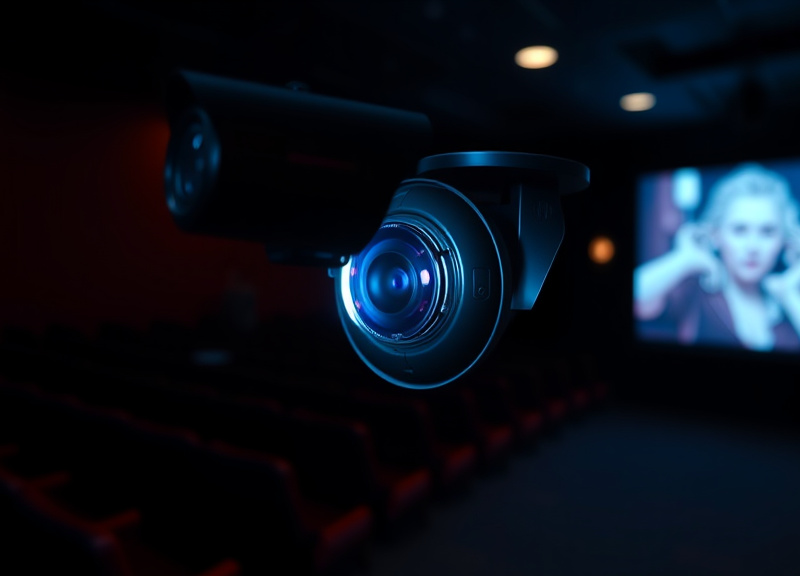
Night vision cameras use infrared illumination to capture images in dark environments. These cameras often have built-in IR LEDs, which emit light invisible to the human eye but detectable to the camera sensor. This principle is commonly used to record activity discreetly in low-light venues like theatres.
Night vision cameras come in various shapes, including dome and pinhole models. All are designed to operate without drawing attention, which makes detection challenging. Understanding these mechanisms is essential when considering theatre night vision camera detection.
Types of Night Vision Cameras Used in Theatres
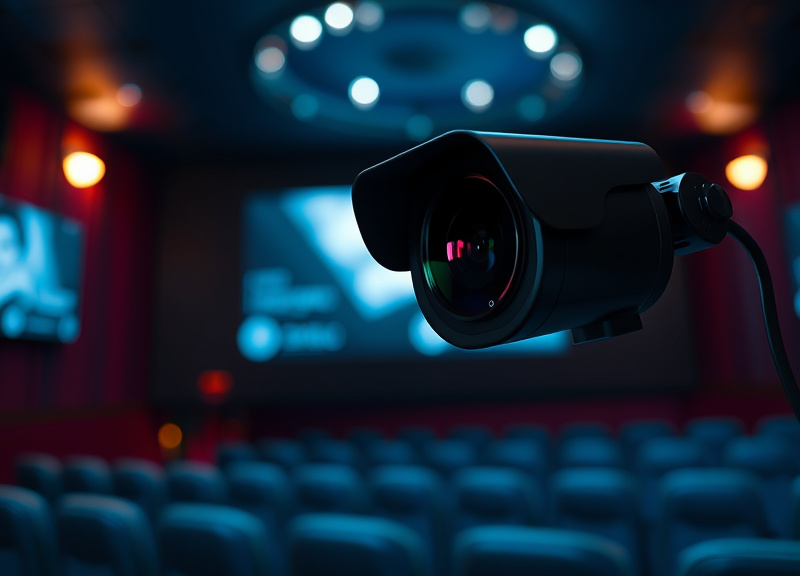
There are commercial surveillance night vision cameras, small covert spy cams, and modified consumer cameras capable of seeing in the dark. Each type may be installed permanently or temporarily, often hidden behind vents, projectors, or decorative elements.
Theatre operators might use cameras for security, while bad actors can install their own devices for illicit recording. Both types rely primarily on IR technology for night vision.
How to Detect Night Vision Camera in Theatre: Step-by-Step Methods
Using Smartphone Cameras to Spot Infrared
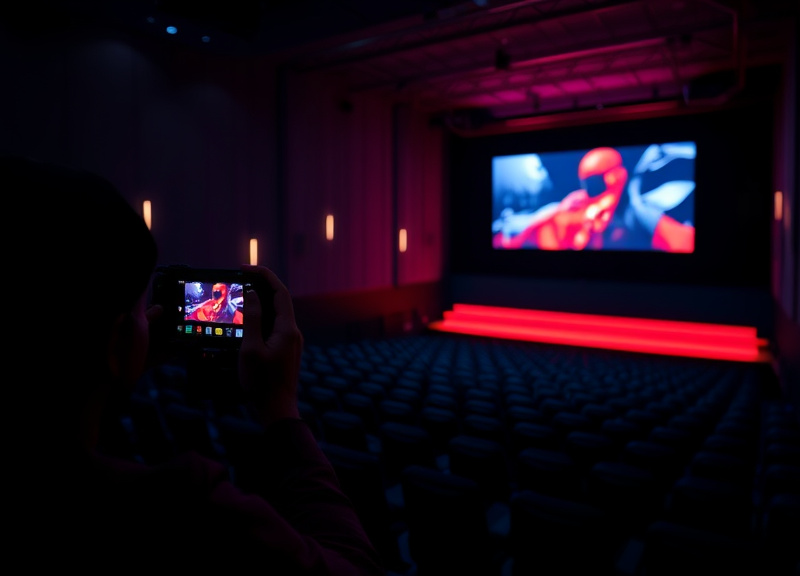
Most modern smartphones can detect IR light. Simply set your phone’s camera to video mode and sweep it slowly across the theatre’s ceiling and walls. Look for small, glowing purple or white dots on the screen—these may signal the presence of an active infrared LED.
This method works best in low-light conditions, when the IR emission stands out. Some newer phones filter out IR, so it's helpful to test your device at home using a TV remote before heading into the venue.
- Switch phone camera to video or photo mode
- Move camera slowly across dark spaces
- Look for glowing dots or reflections
- Test at home with a remote to verify sensitivity
Detecting Hidden Lenses via Light Reflection
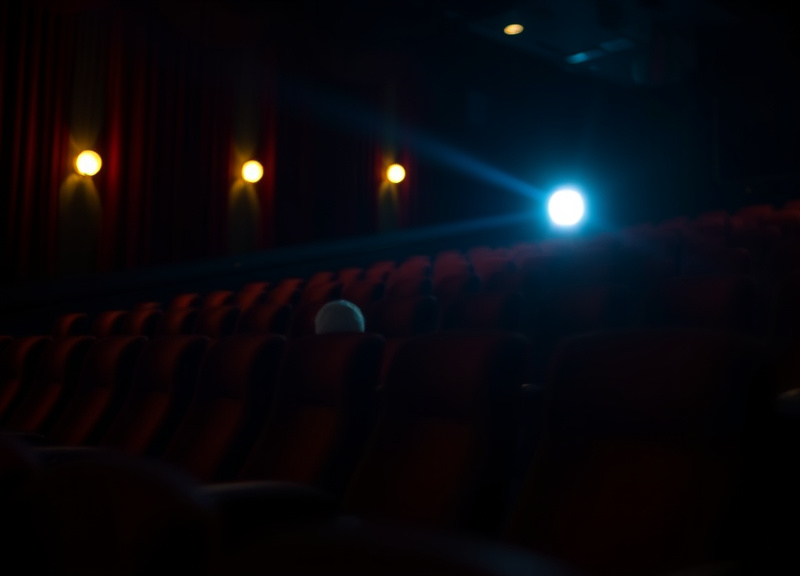
Hidden lenses, even those without night vision, may reflect light in a way that's visible if you scan with a flashlight. In a dark theatre, very gently shine a small flashlight around likely hiding spots.
Watch for tiny round reflections or glints—these could be the camera lens. Be discreet and cautious, as sudden bright lights could disturb others.
- Use a low-lumen flashlight
- Avoid shining directly at others
- Check around exit signs, fixtures, odd objects
Key Signs of Night Vision Camera Presence in Theatres
Infrared LED Indicators
Active night vision cameras often have a ring or a few dots of infrared LEDs around the lens. While invisible to the naked eye, through a compatible digital camera or phone screen these may glow faintly.
Scanning high corners, emergency lights, or decorative features can help reveal these telltale IR signatures and enhance your theatre night vision camera detection success.
- Look for LED clusters in unusual places
- Check projector booths and balcony areas
Wires, Unusual Fixtures, and Out-of-Place Objects
Be alert to new or oddly-placed objects, like vents, smoke detectors, or small boxes that weren't present before. Sometimes wires or uncharacteristic equipment mounted on walls or ceilings are signs of a camera installed for monitoring.
Don't ignore objects mounted behind glass or dark plastic; these can conceal both lens and IR LEDs.
- Note changes to the theatre layout
- Inspect suspicious objects from multiple angles
Tools and Gadgets for Finding Night Vision Cameras
Handheld IR and RF Detectors
Dedicated bug detectors can scan for both infrared emissions and radio frequency (RF) signals. These include lens detectors with filtered lights that illuminate reflections from hidden optical glass, and RF detectors sensing wireless camera transmissions.
While more costly, these gadgets add a layer of detection beyond what a smartphone offers, especially useful if you suspect active wireless surveillance.
- IR lens finders flash red LEDs to reveal lenses
- RF scanners pick up on wireless camera signals
DIY Tools for Camera Detection
Even ordinary items like a CD, small mirror, or your own eyes can boost detection ability. CDs and mirrors help catch unusual light reflections; a slow, systematic check ensures every suspicious surface gets inspected.
Combine these DIY tricks with tech solutions to maximize your confidence in spotting hidden threats.
- Use CDs to reflect light at odd angles
- Systematically scan all parts of the room
Legal and Ethical Aspects of Detecting Night Vision Cameras
Surveillance Legality in Public vs. Private Spaces
The legality of installing and detecting surveillance devices in theatres differs by region. Generally, public surveillance for safety (with proper disclosure) is legal, but concealed or non-consensual recording is usually restricted.
Understanding local laws helps ensure your detection efforts are conducted ethically and within legal boundaries.
Ethical Considerations for Theatre Patrons
While it's important to guard your privacy, balance this with respect for other patrons and staff. If you discover a device, report it discreetly to theatre management or authorities, rather than causing disruption.
Ethical responsibility also means not falsely accusing venues—gather reasonable evidence before raising concerns.
Preventing and Responding to Surveillance Threats
Precautions to Reduce Risk of Being Recorded
Choose your seating wisely, preferably away from high vantage points or suspicious objects. Avoid conducting sensitive conversations or activities in areas with possible surveillance risk.
Cover any reflective surfaces near your seat and minimize use of devices with personal data exposed.
- Sit away from unusual fixtures
- Use clothing or programs to block line-of-sight
For those interested in the broader legal and technical context, you can read more on electronic surveillance and privacy rights. more on electronic surveillance and privacy rights.
What to Do If You Find a Hidden Camera
If you suspect or confirm a hidden camera, document its location discreetly and inform theatre staff or local authorities. Avoid touching or removing the device yourself unless there is an immediate threat.
Be aware of procedures set by the venue—some have protocols for reporting and investigating such discoveries.
- Take photos for evidence
- Notify the appropriate authorities
Night Vision Camera Detection Methods Comparison
Here's a comparison of popular theatre night vision camera detection methods to help you choose the most effective approach for your needs.
| Detection Method | Effectiveness | Required Equipment | Best For | Drawbacks |
|---|---|---|---|---|
| Smartphone Camera Scan | Moderate | Smartphone | Quick checks | Not compatible with all phones |
| Flashlight Reflection | Low-Moderate | Small flashlight | Revealing lenses | Can disturb others in dark |
| Handheld IR Detector | High | Lens finder device | Finding hidden lens | Requires purchase |
| RF Signal Detector | High | RF scanner | Detecting wireless cams | Misses wired/non-transmitting cams |
| Visual Sweep/Inspection | Low | None | Obvious threats | Misses tiny or well-hidden devices |
Frequently Asked Questions
Can all night vision cameras be detected with a smartphone?
Most IR-based night vision cameras can be detected with compatible smartphones, but some advanced models may use wavelengths filtered out by your phone or lack visible IR LEDs, making them harder to spot.
Are there professional services for theatre night vision camera detection?
Yes, many security and privacy firms offer professional sweeps using advanced detectors and certified experts. These services are ideal for venues seeking a comprehensive assessment and peace of mind.
Is it legal to detect hidden cameras in public places like theatres?
Generally, it's legal to check for hidden cameras for personal privacy, as long as you don't damage property or interfere with authorized surveillance. Always follow local laws and venue policies to avoid legal issues.
What are common hiding places for night vision cameras in theatres?
Common spots include air vents, smoke detectors, projector booths, under seats, and inside decorative elements. Always be alert to new, out-of-place objects or fixtures, especially in areas offering a wide view of the audience.
How can theatres prevent unauthorized camera installation?
Theatres can conduct regular inspections, use tamper-evident covers on maintenance access points, train staff to recognize suspicious devices, and employ their own surveillance to deter and detect illicit installations.
Key Takeaways
- Smartphone cameras and flashlights are practical for initial theatre night vision camera detection.
- Handheld IR and RF detectors provide higher accuracy but require investment.
- Look for glowing IR LEDs, lens reflections, wires, and odd placements when scanning.
- Always consider legal and ethical implications before acting on your findings.
Conclusion
Detecting a night vision camera in a theatre requires a combination of vigilance, knowledge, and the right tools. Understanding the telltale signs—such as IR LED glows and lens reflections—enables you to identify potential threats quickly. Employing technology like your smartphone or more advanced detectors, along with a careful survey of the environment, forms a well-rounded, effective approach.
For most theatre-goers, a smartphone camera and a flashlight will suffice for casual scans. However, if you have heightened privacy concerns or attend venues with frequent reports of unauthorized recordings, investing in handheld IR or RF detectors could offer greater peace of mind. Always situate yourself away from unusual or new fixtures, and don’t hesitate to alert management if you spot anything suspicious. Balancing comfort and vigilance helps maintain both security and enjoyment.
Ultimately, regular awareness and communication are your strongest defenses. Stay informed about new surveillance tactics and tools, respect the legal boundaries of detection, and report authentic concerns thoughtfully to authorities. With these practical measures, you can safeguard your privacy and help ensure that everyone’s theatre experience remains safe, enjoyable, and free from unwanted eyes.