Is Night Vision Infrared? Understanding Night Vision Technology
Night vision often relies on infrared technology to allow users to see in low-light or no-light conditions. Infrared sensors detect infrared radiation, which is invisible to the naked eye but emitted by heat sources or illuminated using infrared LEDs. This enables night vision devices to produce visible images in darkness.
This relationship matters because infrared technology underpins much of the modern night vision equipment used in security, wildlife observation, and military applications. Knowing whether night vision uses infrared helps clarify the capabilities and limitations of these devices, such as image clarity and range.
This article breaks down how night vision works, explores the role of infrared technology within it, and compares different types of night vision devices including infrared-based and other technologies. You’ll learn the technical differences, practical uses, and what to expect when selecting night vision gear.
How Night Vision Devices Use Infrared Technology
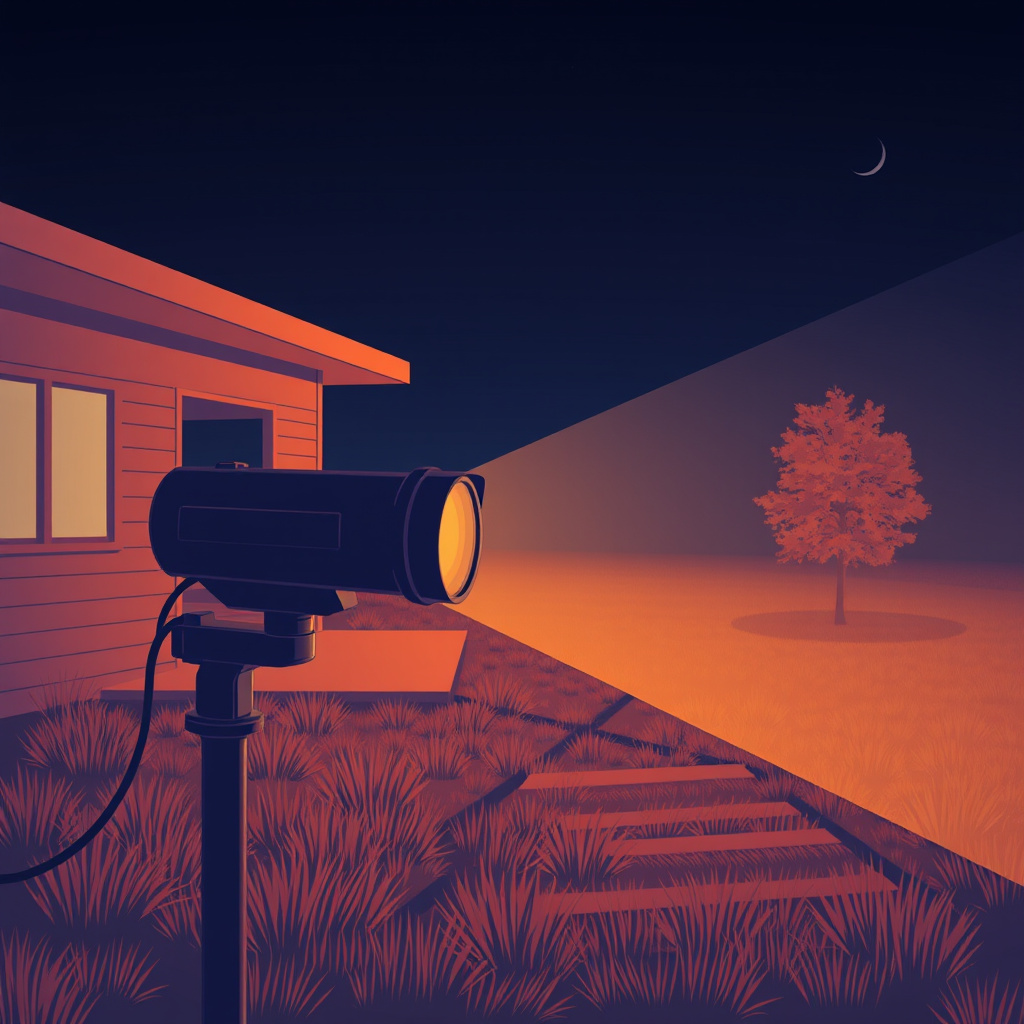
Infrared Illumination: Lighting Dark Scenes Invisibly
Infrared night vision devices often employ infrared LEDs that emit light in the infrared spectrum, invisible to the human eye. This infrared illumination lights up the scene, allowing the device’s sensor to capture detailed images in darkness.
The emitted infrared light reflects off objects and returns to the device, which translates it into a visible image. This is why locations may appear pitch-black to the naked eye but become visible through a night vision scope or camera.
- Often near-infrared spectrum (700–1000 nm wavelength)
- Invisible to humans and most animals
- Powered by batteries in the device
Passive Infrared Detection: Sensing Heat Instead of Light
Some night vision systems operate by detecting thermal infrared radiation naturally emitted from objects, rather than reflecting emitted light. Thermal imaging cameras use sensors that pick up heat energy to form images based on temperature differences.
Unlike infrared illumination, these devices work without any external light source, capable of visualizing warm bodies or surfaces even in total darkness or obscured environments like smoke or fog.
- Detects mid- to far-infrared wavelengths
- Creates thermal contrast images
- Does not require active lighting
Comparing Night Vision with Infrared Night Vision Technology
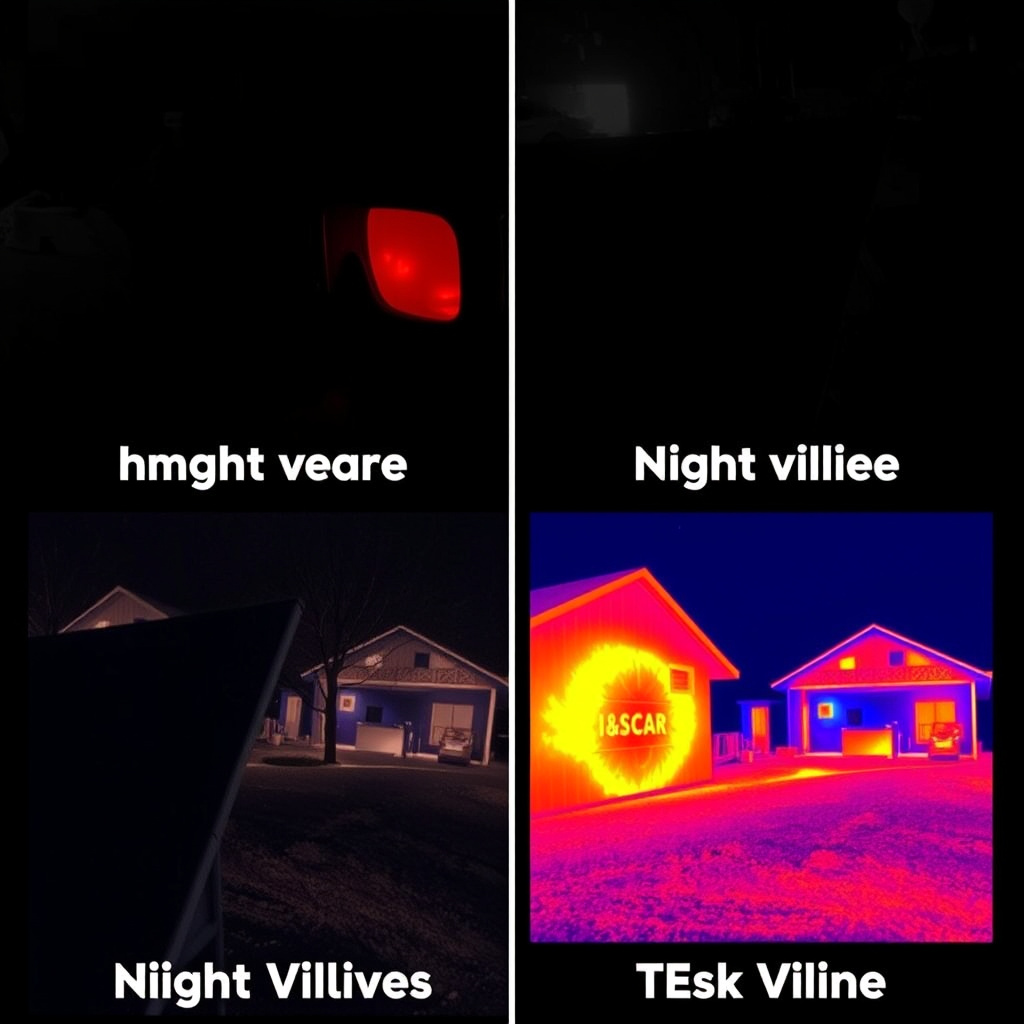
Traditional Night Vision vs. Infrared Illuminated Devices
Traditional night vision amplifies existing ambient light, like moon or starlight, and often integrates infrared illumination for better image quality. This illumination is essential in extremely dark settings but can be detected by others with compatible sensors.
Infrared illuminated devices rely heavily on active infrared light to visualize their surroundings, making objects appear clearer but at the potential risk of detection in covert operations.
- Ambient light amplification
- Active infrared illumination
- Potential visibility of IR light to specialized sensors
Thermal Imaging Compared to Infrared Night Vision
Thermal imaging captures heat radiation to generate images, distinguishing between warm and cold surfaces. It is less dependent on light conditions and can function through obscurants like fog or smoke.
Infrared night vision, without thermal sensing, depends on reflected infrared light and provides more detailed imagery of shapes and textures under illuminated IR light but lacks temperature-based contrast.
- Thermal detects heat signatures
- Infrared night vision relies on reflected IR light
- Thermal better in obscured environments
Applications of Infrared Night Vision Technology

Military and Law Enforcement Usage
Infrared night vision devices are widely used by military and law enforcement agencies to conduct surveillance, navigate, and engage targets during night missions without exposing themselves to visible light.
The ability to see in darkness using infrared illumination enhances tactical advantages, though thermal imaging is increasingly common for detecting individuals through foliage or camouflage.
- Infrared illumination for covert ops
- Integration with weapon sights
- Complementary use with thermal imaging
For more on this, see our related guide: Is Night Vision Infrared? Understanding How Night Vision Technology Works.
Wildlife Observation and Research
Researchers use infrared night vision to observe nocturnal animals without disturbing natural behavior, as infrared light is invisible to many species.
This technology allows for detailed study of animal movements, behaviors, and populations after dark, expanding understanding of ecosystems.
- Non-intrusive nighttime observation
- Infrared LEDs to illuminate subjects
- Used in trail cameras and portable goggles
Choosing Infrared Night Vision Equipment

Factors Affecting Infrared Night Vision Performance
Performance depends on infrared LED quality, sensor sensitivity, and image resolution. Devices vary in power, range of infrared illumination, and image clarity at different distances.
Battery life and ergonomics also play key roles, especially for field use where long operation times and comfort are essential.
- LED wavelength and power
- Sensor resolution and gain
- Battery capacity and weight
Budget and Intended Usage Considerations
More advanced infrared night vision devices with superior sensors and longer-range illumination cost significantly more but offer better performance for professional use.
Casual users or hobbyists might choose simpler, affordable options with limited range suited for activities like camping or backyard wildlife viewing.
- Professional-grade vs. consumer-grade
- Purpose: security, hunting, recreation
- Durability and warranty coverage
Limitations and Challenges of Infrared Night Vision

Environmental Factors Impacting Infrared Effectiveness
Infrared illumination can be scattered or absorbed by fog, rain, smoke, or dust, reducing image clarity and effective range. These conditions pose challenges for infrared night vision systems operating outdoors.
Strong ambient IR sources such as sunlight reflections can also interfere with device sensitivity and image quality.
- Fog and precipitation reduce IR penetration
- Temperature affects sensor performance
- Ambient IR noise can cause false images
For more on this, see our related guide: How to Make Night Vision Goggles: DIY Guide for Beginners.
Detection Risks and Countermeasures
Infrared illumination can sometimes be detected by adversaries equipped with IR-sensitive devices, risking detection during covert operations.
Tactical measures include using low-power IR emitters, pulsed illumination, or switching to thermal imaging when stealth is critical.
- Infrared illuminators emit detectable light
- Use of filters and pulses to reduce visibility
- Thermal imaging as alternative stealth method
Maintenance and Care for Infrared Night Vision Devices

Proper Cleaning and Storage Tips
Keeping lenses clean of dust and smudges is vital for image clarity. Use microfiber cloths and specialized lens cleaners designed for infrared optics.
Store devices in protective cases away from extreme temperatures and moisture to maintain sensor and electronic component longevity.
- Avoid harsh chemicals on lenses
- Use padded protective cases
- Remove batteries during long storage
For more detailed technical information, refer to the comprehensive overview of night vision technology. Night Vision Technology.
Routine Functional Checks and Troubleshooting
Regularly test the device’s infrared LEDs and sensor operation before field use. Check for image distortions, dead pixels, or failing batteries that can impair performance.
Consult manufacturer manuals for troubleshooting or repairs to address common issues like power failure or image flickering.
- Verify IR LED illumination
- Inspect for physical damage
- Replace batteries promptly
Night Vision Technology Category Comparison
Here's a comparison of different night vision technologies highlighting their cores, detectability, and best-use cases.
| Technology Type | Detection Method | Visibility to Naked Eye | Best Use Case |
|---|---|---|---|
| Image Intensification | Amplifies ambient light | Invisible | General night observation |
| Infrared Night Vision | Active IR illumination | Invisible IR light detectable by IR sensors | Security and covert ops |
| Thermal Imaging | Detects heat signatures | No visible light emitted | Fog, smoke, and camouflage detection |
| Digital Night Vision | Electronic image sensor with IR LEDs | Invisible IR light | Versatile consumer use |
Frequently Asked Questions
Does all night vision use infrared technology?
Most night vision devices include some aspect of infrared technology, either active IR illumination or passive thermal detection, but some rely on ambient light amplification alone.
Can infrared night vision be seen by others?
Infrared light emitted by night vision devices is invisible to the naked eye but can be detected by specialized IR-sensitive cameras, which may risk revealing the user's position.
Is infrared night vision effective in fog or rain?
Fog, rain, and other atmospheric conditions scatter infrared light, reducing image clarity and range, so infrared night vision can be less effective in such environments.
How does thermal imaging differ from infrared night vision?
Thermal imaging detects heat radiation to form images, requiring no light source, whereas infrared night vision depends on detecting reflected IR illumination.
What maintenance is required for infrared night vision devices?
Regular cleaning of lenses, battery checks, and proper storage in protective cases are essential to keep infrared night vision devices functioning optimally.
Key Takeaways
- Night vision devices primarily rely on infrared technology for low-light visibility.
- Infrared night vision uses active illumination or detects heat to create images.
- Thermal imaging and infrared night vision serve different detection purposes.
- Environmental factors and device maintenance impact infrared night vision performance.
Conclusion
Deciding if night vision is infrared leads to understanding different technologies involved in producing images in darkness. Night vision devices either amplify low ambient light and enhance it with infrared illumination or detect thermal radiation from objects. Each method uses infrared radiation differently, targeting specific use cases and balancing factors like image detail, stealth, and environmental conditions. Recognizing these approaches helps clarify what night vision equipment offers and which technology aligns best with your needs.
For professional or security purposes requiring covert observation, infrared night vision devices with active IR illumination provide detailed imagery but come with risks of detection by IR sensors. For irregular or obstructed environments, thermal imaging devices offer advantages in identifying heat signatures even through fog or camouflage, while traditional image intensifiers suit scenarios with some ambient light. Consumer or recreational users can explore digital infrared night vision options that balance affordability with adequate imaging performance.
To select the ideal night vision technology, evaluate your activity’s light conditions, desired detection range, and whether stealth is a priority. Testing devices if possible and reviewing specifications related to infrared LED power, sensor resolution, and environmental factors will guide you to more satisfying results. As you gain familiarity with how infrared night vision functions, balancing technology strengths will aid in choosing tools that make nighttime viewing reliable and safe.